Uvod
A trosmjerni katalizator requires a stable exhaust material to maintain high conversion efficiency. Selecting the right stainless steel grade ensures durability, heat resistance, and long-term performance.”Selecting the right stainless steel for exhaust systems and trosmjerni katalizator assemblies influences performance, durability, and long-term maintenance costs. Modern exhaust environments generate high heat, corrosive gases, and variable external conditions. These factors make material selection an engineering decision rather than a simple purchase choice. In this rewritten guide, we explore 304, 409, and 439 stainless steel with scientific, data-driven comparisons. We also integrate insights related to trosmjerni katalizator applications, ensuring the content remains highly actionable for manufacturers, performance tuners, and aftermarket buyers.
Overview of Stainless Steel Grades for Exhaust and Catalytic Converter Systems
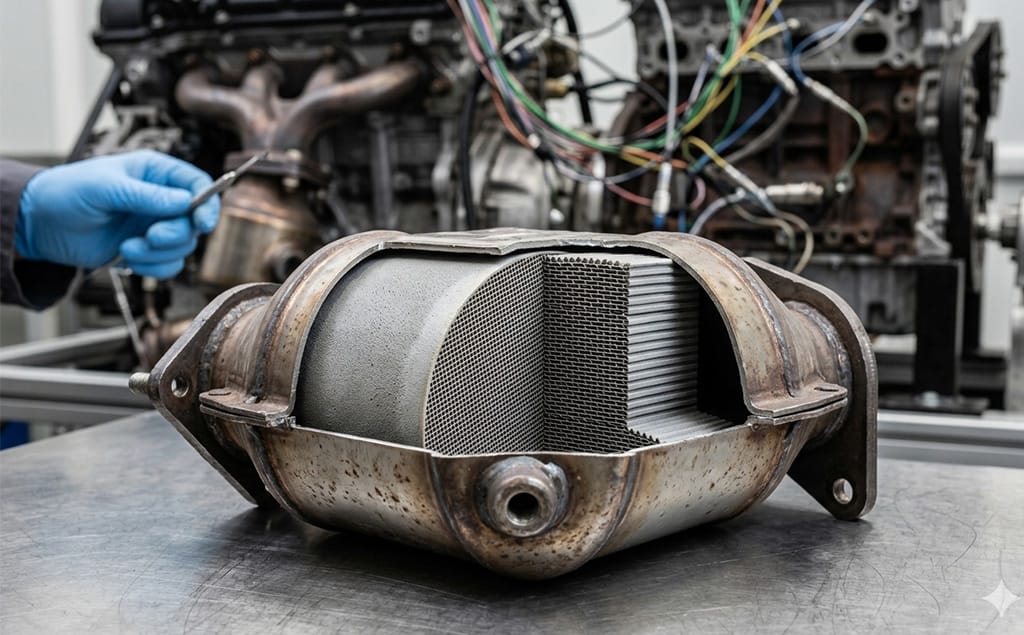
Automotive exhaust pipes work with the trosmjerni katalizator to reduce emissions and stabilize exhaust flow. Material quality directly shapes converter efficiency and system lifespan. Engineers often choose between 304, 409, and 439 stainless steel because each grade offers unique resistance levels, cost structures, and performance benefits.
To make an informed choice, evaluate the operational temperature, regional climate, and expected service environment of the exhaust and catalytic converter components.
Grade 304 Stainless Steel: Premium Stability and Maximum Corrosion Resistance
Grade 304 stainless steel delivers excellent corrosion resistance and a superior surface finish. Manufacturers use it for high-performance exhaust pipes, luxury vehicle systems, and regions with road salt exposure.
Key Advantages
- High chromium content (18–20%) boosts corrosion resistance.
- Nickel content (8–10%) enhances structural stability.
- Ideal for exhaust tips, clamps, converter shields, and long-life cat-back systems.
- Maintains structural integrity above 800°C.
Limitations
- Higher manufacturing cost.
- May show golden discoloration under extreme heat.
- Not always required for budget-focused applications.
Compatibility With Three Way Catalytic Converters
304 steel supports high-flow catalytic converter housings and performance exhaust assemblies. It resists oxidation from rich-burning engines and protects precious metal substrates from thermal cycling.
Grade 409 Stainless Steel: Cost-Efficient and Widely Used in OEM Exhaust Lines
409 stainless steel remains a common choice for factory exhaust systems and economical aftermarket solutions.
Strengths
- Lower production cost than 304 and 439.
- Good heat resistance for standard vehicles.
- Durable enough for warm or dry regions.
Drawbacks
- Moderate corrosion resistance; surface rust may appear over time.
- Not ideal for cold climates or salted winter roads.
Material Composition
- Chromium: 10.5%–11.75%.
- Nickel: Approximately 0.5%.
Application in Catalytic Converter Shells
409 steel performs well when paired with a standard trosmjerni katalizator in non-corrosive climates. Many OEM exhaust systems rely on 409 because it balances performance and affordability.
Grade 439 Stainless Steel: The Balanced Middle Option
439 stainless steel offers stronger corrosion resistance than 409 without the high cost of 304.
Notable Benefits
- Better oxidation resistance than 409.
- Resists warping in high-temperature exhaust zones.
- Suitable for performance tuners who want improved lifespan without premium pricing.
Shortcomings
- Corrosion resistance doesn’t fully match 304.
- Slightly higher cost than 409.
Best Use Cases
- Performance exhaust assemblies.
- Three way catalytic converter outer shells needing extended durability.
- High-flow exhaust systems.
Comparative Table: 304 vs 409 vs 439 Stainless Steel
| Stainless Steel Grade | Otpornost na koroziju | Heat Resistance | Cost Level | Best Application |
|---|---|---|---|---|
| 304 | Odlično | Odlično | Visoko | High-performance, luxury systems, salted roads |
| 409 | Umjereno | Dobro | Nisko | OEM, budget builds, warm climates |
| 439 | Dobro | Very Good | Srednji | Mid-range performance systems |
Choosing the Best Material for Different Environments
The ideal stainless steel grade varies depending on geographic factors, climate, and exhaust system design.
If Budget Is Your Priority
Choose 409 stainless steel for standard exhaust systems in dry, non-salt regions.
If You Need Better Longevity Without 304 Pricing
Select 439 stainless steel to achieve a balance of cost and lifespan.
If You Require Maximum Corrosion Protection
Use 304 stainless steel when working with:
- Coastal areas.
- Northern climates.
- High-value performance vehicles.
Additional Consideration: Interaction With High-Flow and Three Way Catalytic Converters
High-flow catalytic converters require stable exhaust materials to maintain peak conversion efficiency. Stainless steel selection affects:
- Thermal load distribution.
- Surface oxidation around converter joints.
- Exhaust pulse behavior.
- Converter shell lifespan.
304 stainless steel offers the best protection for high-flow converter bodies. Meanwhile, 439 provides strong thermal stability for performance vehicles that see frequent temperature cycling.
Extra Section: Metallurgical Behavior Under Thermal Cycling
Heat exposure stresses stainless steel differently depending on its alloy structure. Understanding this behavior helps engineers pair the right grade with the trosmjerni katalizator.
304 Steel Behavior
- Retains tensile strength under repeated high-load cycles.
- Nickel structure reduces brittleness.
409 Steel Behavior
- Oxidation appears sooner under long-term heat.
- Works best in standard-use exhaust systems.
439 Steel Behavior
- Maintains structure at high exhaust temperatures.
- Shows reduced thermal deformation versus 409.
Extra Section: Practical Material Selection Guide for Manufacturers
Step 1: Identify Climate Exposure
Use 304 in snowy or coastal environments. Use 409 in dry regions.
Step 2: Determine Vehicle Category
Performance vehicles benefit from 304 or 439.
Step 3: Match Exhaust Type With Material Grade
- Three way catalytic converter + performance exhaust: 304 or 439.
- Standard OEM catalytic converter setup: 409.
Second Comparison Table: Ideal Use Conditions
| Stanje | Recommended Grade | Reason |
|---|---|---|
| Coastal or salted roads | 304 | Maximum corrosion protection |
| Standard city driving | 409 | Low cost and sufficient durability |
| Track or performance driving | 439 | Balance of heat tolerance and cost |
Zaključak
Choosing between 304, 409, and 439 stainless steel depends on performance needs, climate, and budget. Each grade delivers unique strengths that influence how an exhaust system interacts with the three way catalytic converter. When you match the correct material with the vehicle’s environment, you enhance exhaust durability, catalytic converter efficiency, and long-term value. This guide equips manufacturers, tuners, and automotive engineers with the information needed to design exhaust systems that perform reliably under real-world conditions.