Introduction: The Invisible High-Value Component
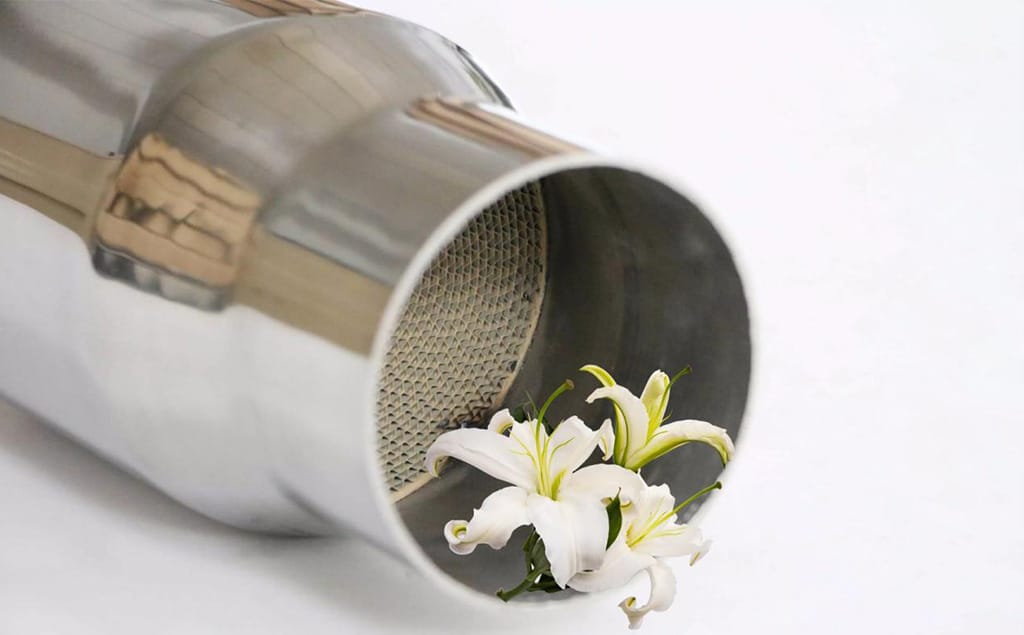
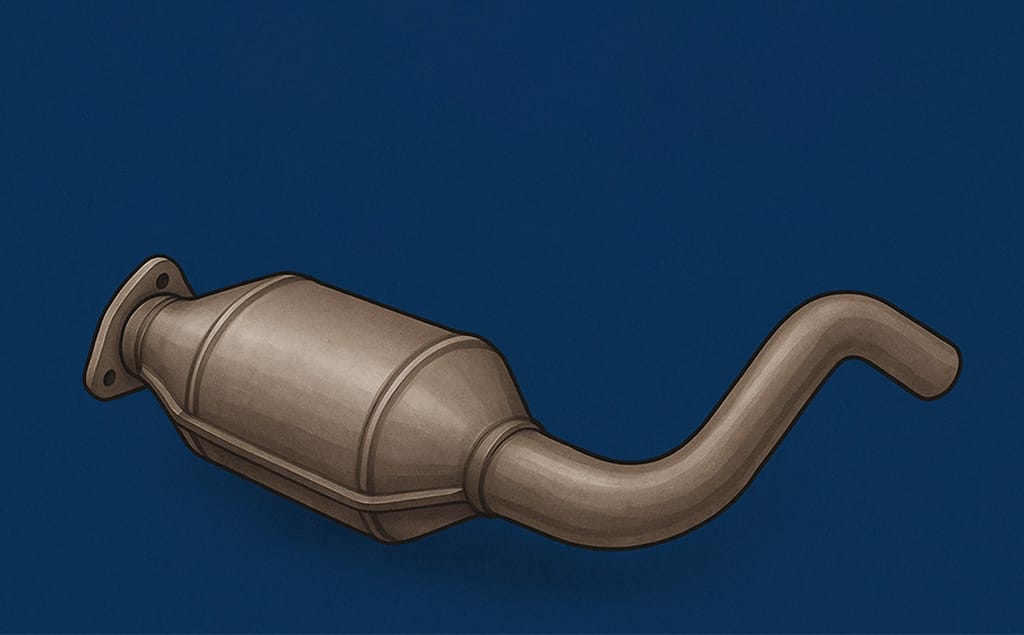
Výfukový systém moderního vozidla zůstává pro většinu řidičů záhadou, dokud se na palubní desce nerozsvítí kontrolka. Srdcem tohoto systému je třícestný katalyzátorTato součást představuje jednu z technologicky nejvyspělejších částí spalovacího motoru. Slouží jako mobilní chemická laboratoř. Prostřednictvím složitých reakcí transformuje toxické vedlejší produkty motoru na dýchatelný vzduch.
Pokud však tato součástka selže, majitelé vozidel čelí obrovskému finančnímu rozhodnutí. Výměna třícestný katalyzátor vyžaduje orientaci v oblasti regionálních zákonů, trhů s kovy a mechanických konstrukcí. Tato příručka přesně vysvětluje, za co platíte. Poskytujeme vám data, která potřebujete, abyste se vyhnuli běžné „mechanické přirážce“ na vaší příští faktuře za opravu.
The Internal Science: How a Three Way Catalytic Converter Works
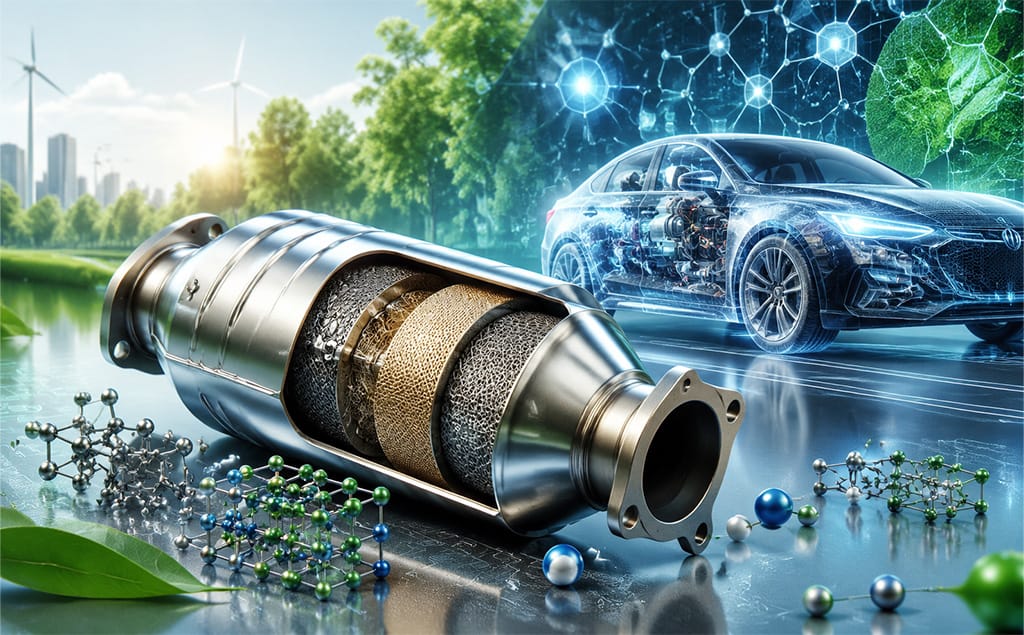
A třícestný katalyzátor provádí tři klíčové chemické úkoly současně. Zaprvé, využívá „redukci“ k odštěpení kyslíku od oxidů dusíku ($NOx$). Tento proces zanechává neškodný plynný dusík. Zadruhé, využívá „oxidaci“ k přeměně oxidu uhelnatého ($CO$) na oxid uhličitý ($CO_2$). Zatřetí, oxiduje nespálené uhlovodíky ($HC$) na vodní páru.
Pro dosažení těchto reakcí za vysokých teplot používají výrobci keramickou voštinovou strukturu. Tento „substrát“ potahují vrstvou drahých kovů. Tyto kovy – platina, palladium a rhodium – fungují jako katalyzátory. Během samotné reakce se neopotřebovávají. Mohou se však „otrávit“ motorovým olejem, chladicí kapalinou nebo olovnatým palivem. Když se povrch těchto kovů degraduje,… třícestný katalyzátor ztrácí svou účinnost.

Understanding the Cost Gap: Why Some Units Cost $3,000
Cena třícestný katalyzátor závisí na provedení a hustotě drahého kovu.
1. Sestavy integrované do rozdělovače
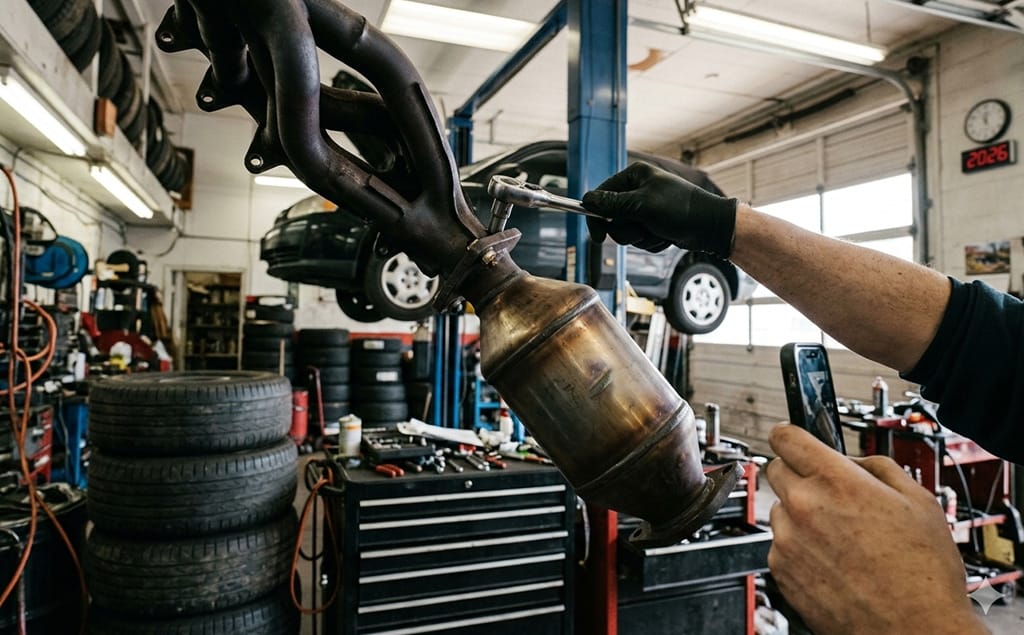
Mnoho moderních vozidel, jako například Mazda 3 nebo různá SUV s motorem V6, používá jednotky s „integrovaným sáním“. V tomto provedení výrobce svařuje třícestný katalyzátor přímo do výfukového potrubí.
- Nákladový faktor: Nemůžete jednoduše vyměnit vnitřní filtr. Musíte si koupit celou těžkou litinovou nebo nerezovou sestavu.
- Cenové rozpětí: Ty se často pohybují od 600 do 3 000 dolarů.
2. Jednotky pro přímé uložení vs. univerzální jednotky
Pokud vaše auto používá „střední část potrubí“ třícestný katalyzátor, máte dvě hlavní možnosti:
- Přímé uchycení: Tyto jednotky přesně odpovídají původní tovární geometrii. Obsahují specifické příruby a zátky pro senzory. Často je můžete nainstalovat sami pomocí základního nářadí.
- Univerzální: Jedná se o běžné nádoby. Specializovaný servis tlumičů výfuku vám musí staré potrubí uříznout a nové svařit. třícestný katalyzátor na místě. I když je součást levnější, vysoce kvalitní svářečská práce zvyšuje konečný účet.
Regionální předpisy: Vysvětlení „kalifornské daně“
Geografie ovlivňuje cenu opravy více než značka vašeho vozu. Spojené státy udržují dvě hlavní emisní kategorie: federální (Agentura pro ochranu životního prostředí) a Kalifornie (SACHARIDY).
Pokud žijete v Kalifornii, New Yorku, Coloradu nebo Maine, musíte si nainstalovat zařízení kompatibilní s CARB. třícestný katalyzátorTyto jednotky vyžadují mnohem vyšší „náplň“ drahých kovů. To zajišťuje jejich účinnost po dobu více než 160 000 km.
- Průměr federální jednotky: $400 – $600
- Průměrná jednotka CARB: $1,000 – $1,600
| Model vozidla | Emisní norma | Typ součásti | Odhadované celkové náklady (2026) |
|---|---|---|---|
| Toyota Camry SE, rok výroby 2020 | Federální (NC, TX) | Přímé uchycení | 1 255 – 1 795 USD |
| Chevrolet Equinox, rok výroby 2019 | Federální (FL, GA) | Přímé uchycení | 1 505 – 1 840 USD |
| Volkswagen Passat, rok výroby 2021 | CARB (Kalifornie, New York) | Rozdělovací jednotka | 2 386 – 2 529 USD |
| Ford F-150 Raptor, rok výroby 2018 | Federální (AL, TN) | Sada Dual-Cat | 1 800 – 3 474 USD |
| Honda Civic, rok výroby 2015 | Univerzální | Přivaření | 450 – 750 dolarů |
Troubleshooting: Is Your Converter Actually Broken?
Mechanici často špatně diagnostikují třícestný katalyzátor selhání. Protože oprava přináší vysoké zisky, některé dílny vynechávají řádné testování. Nejprve proveďte tyto diagnostické kroky:
1. Zkontrolujte lambda sondy
Moderní auta používají dva kyslíkové senzory na třícestný katalyzátorJeden je umístěn před jednotkou (proti proudu) a druhý za ní (po proudu). Počítač porovnává data mezi nimi. Pokud senzor proti proudu odesílá špatná data, spustí se chybový kód „P0420“. Výměna senzoru za 100 dolarů často ušetří práci na měniči za 2 000 dolarů.
2. Zkontrolujte, zda nedochází k únikům výfukových plynů
I malá dírka v sacím potrubí může nasát čerstvý vzduch. Tento přebytečný kyslík mate snímač za prouděním. Počítač pak předpokládá, že třícestný katalyzátor selhal. Před nákupem nových dílů vždy zkontrolujte, zda se kolem těsnění neobjevily stopy sazí.
3. Zkouška protitlaku
Požádejte svého technika o provedení zkoušky protitlaku. Technik odstraní snímač před motorem a nainstaluje tlakoměr. Pokud tlak při 2 500 ot./min překročí 1,5 PSI, třícestný katalyzátor je fyzicky ucpaná. Pokud je tlak normální, jednotka může být pouze „chemicky unavená“. Některé specializované čisticí metody mohou tyto jednotky občas obnovit.
The Global Scrap Market and Theft Prevention
Ten/Ta/To třícestný katalyzátor je v současnosti celosvětově nejvíce kradeným automobilovým dílem. To vyplývá z „šrotovné hodnoty“ vnitřních kovů.
- Platina: Zásadní pro různé průmyslové aplikace.
- Palladium: Nezbytné pro špičkovou elektroniku.
- Rhodium: Nejvzácnější z těchto tří. Tržní ceny rhodia historicky vyskočily až na 20 000 dolarů za unci.
Zloději mohou odstranit třícestný katalyzátor za méně než 60 sekund s akumulátorovou pilou. Pro ochranu vašeho vozidla doporučujeme tyto kroky:
- Vylepte VIN: Vygravírujte identifikační číslo vozidla (VIN) na kovový kryt.
- Instalace štítu: Kupte si „kočičí klec“ nebo silný ochranný kryt, který zablokuje přístup.
- Strategicky parkujte: Parkujte na dobře osvětlených místech nebo blízko zdí, abyste omezili přístup podvozku.

Závěr
Výměna třícestný katalyzátor je významná finanční událost. Výzkum a houževnatost však mohou snížit vaše náklady. Začněte ověřením poruchy pomocí zpětného tlaku. Potvrďte, zda potřebujete jednotku splňující normy CARB nebo Federal. Pokud řídíte starší vozidlo, univerzální navařovací cesta nabízí nejlepší hodnotu. U novějších vozidel se držte jednotek pro přímou montáž, abyste si zachovali výkon motoru. Vždy nakupujte renomované díly a požádejte o druhý názor.