A catalytic converter plays a critical role in controlling harmful exhaust emissions by converting pollutants like hydrocarbons, carbon monoxide, and nitrogen oxides (NOx) into less harmful gases such as carbon dioxide and water. When it begins to fail, your engine performance, fuel efficiency, and ability to pass emissions tests are all at risk. Within this piece, we’ll take a look at six typical indicators of catalytic converter trouble, the importance of these signs, and the key checks to do prior to thinking about replacing it.
1. Why Is the Catalytic Converter So Important?
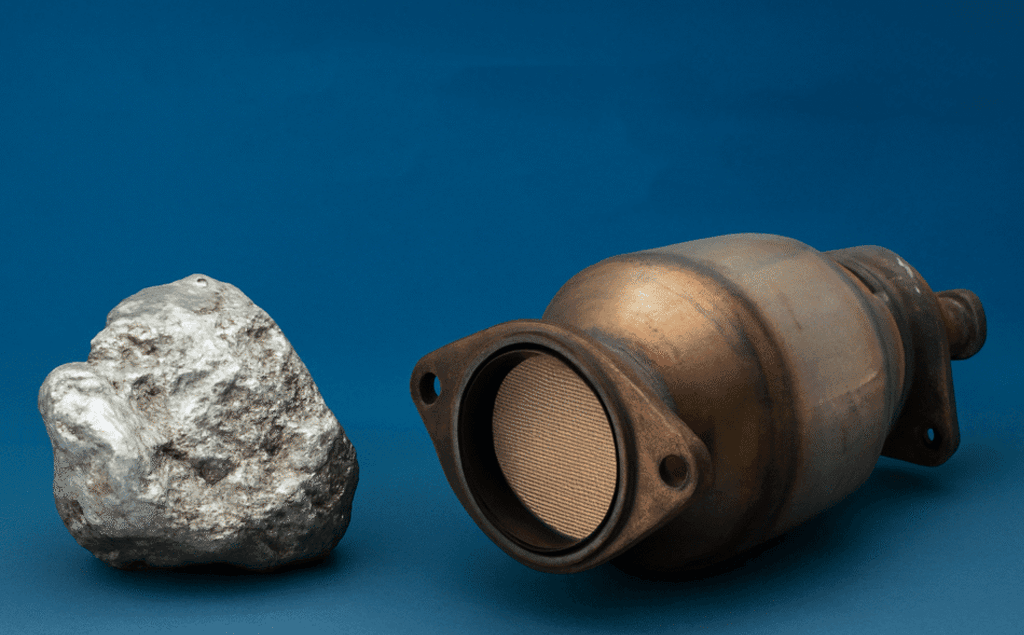
The catalytic converter is an indispensable exhaust emission control device in every modern vehicle.Leveraging a catalyst (usually composed of precious metals such as platinum, palladium, and rhodium), it oxidizes hydrocarbons (HC) and carbon monoxide, and at the same time reduces nitrogen oxides, thereby cutting down on the engine’s harmful emissions.Without a catalytic converter, harmful exhaust gases would be released directly into the air, failing to meet emission standards and posing a threat to the environment.
When a catalytic converter malfunctions, it not only releases more harmful substances but also harms the engine and exhaust system. Knowing its importance lets drivers act correctly if it fails.
2. Sign 1: Persistent Check Engine Light
One of the earliest signs of catalytic converter trouble is the check engine light. Modern control systems rely on oxygen sensors to monitor exhaust gas composition. When the catalytic converter fails to properly oxidize carbon monoxide or reduce NOx, the sensors send error codes to the engine control unit (ECU).
The most common code associated with this issue is P0420 — “Catalyst System Efficiency Below Threshold.” If left unresolved, the emission levels increase, and your vehicle may fail a mandatory emissions test.
3. Sign 2: Poor Engine Performance and Sluggish Acceleration
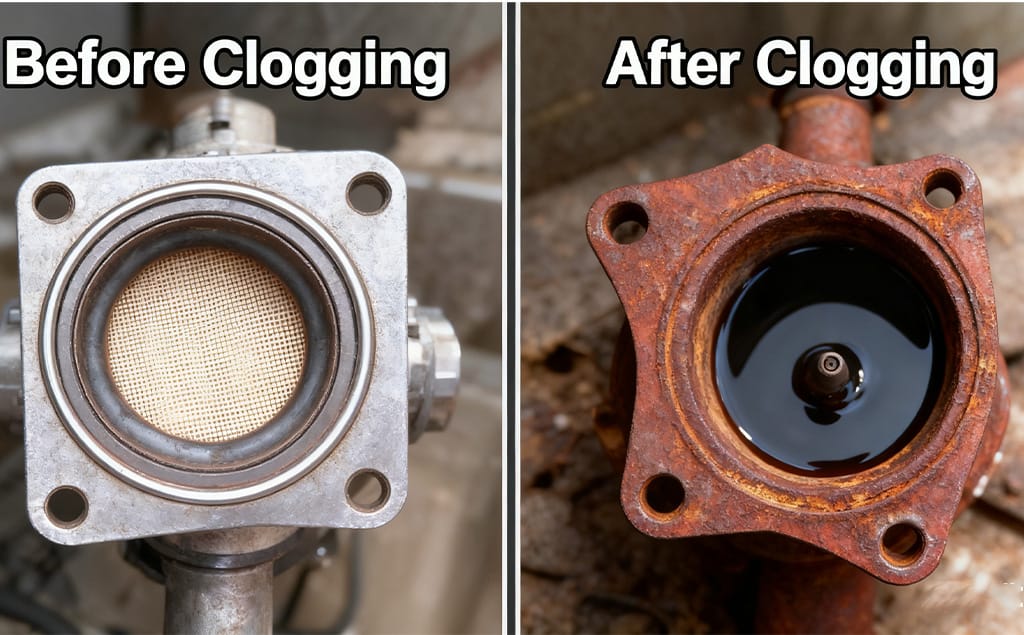
A clogged catalytic converter restricts exhaust flow. This creates back pressure inside the exhaust system, reducing the efficiency of the internal combustion engine. Drivers may notice sluggish acceleration, reduced power when climbing hills, or even engine misfires.
Since the engine cannot expel exhaust gases efficiently, it struggles to take in fresh air and gasoline. This imbalance results in poor performance, higher fuel consumption, and harmful emissions.
4. Sign 3: Decreased Fuel Economy
If you suddenly find yourself refueling more often, a faulty catalytic converter may be to blame. When exhaust gases fail to move smoothly through the exhaust manifold and converter, the engine works harder and burns more gasoline.
Additionally, inefficient oxidation of hydrocarbons and carbon monoxide means wasted energy in the combustion process. This symptom can be subtle at first but becomes increasingly costly over time.
5. Sign 4: Rotten Egg Smell or Sulfur Odor
A distinct “rotten egg” smell is another red flag. This odor comes from hydrogen sulfide in the exhaust, which should normally be converted into odorless sulfur dioxide inside the catalytic converter.
When the converter is failing, incomplete oxidation allows the foul sulfur smell to pass through the exhaust stream. If ignored, the problem worsens and indicates that the catalyst coating may be deteriorating.
6. Sign 5: Dark Exhaust Smoke or Excessive Heat
A failing catalytic converter can cause darker-than-usual exhaust smoke. Excess hydrocarbon and carbon monoxide in the exhaust stream indicate incomplete catalytic reactions.
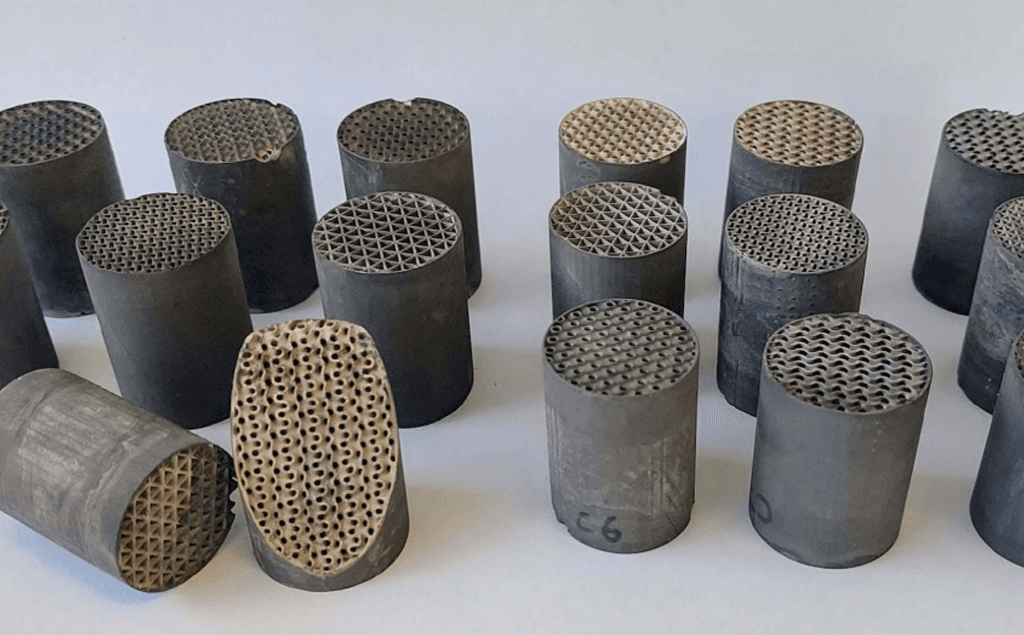
You may also notice excessive heat under the vehicle. High exhaust temperatures occur when unburned fuel ignites inside the converter. This condition can damage not only the catalyst substrate (often ceramic honeycomb) but also nearby exhaust components.
7. Sign 6: Rattling Noises Inside the Converter
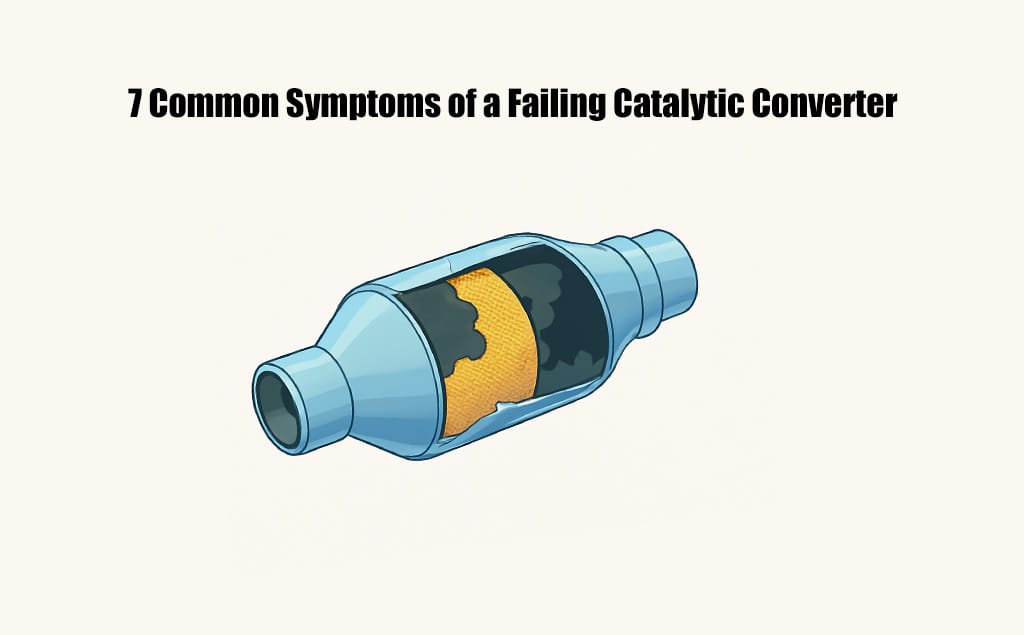
Over time, the internal ceramic or metallic honeycomb structure of the catalytic converter can break apart due to high temperature or physical impact. When pieces become loose, they rattle inside the converter housing.
This rattling sound, often heard at startup or acceleration, is a clear warning sign. A severely damaged catalyst system will not properly convert emissions and may even block exhaust flow entirely.
8. How to Confirm the Problem Before Replacement?
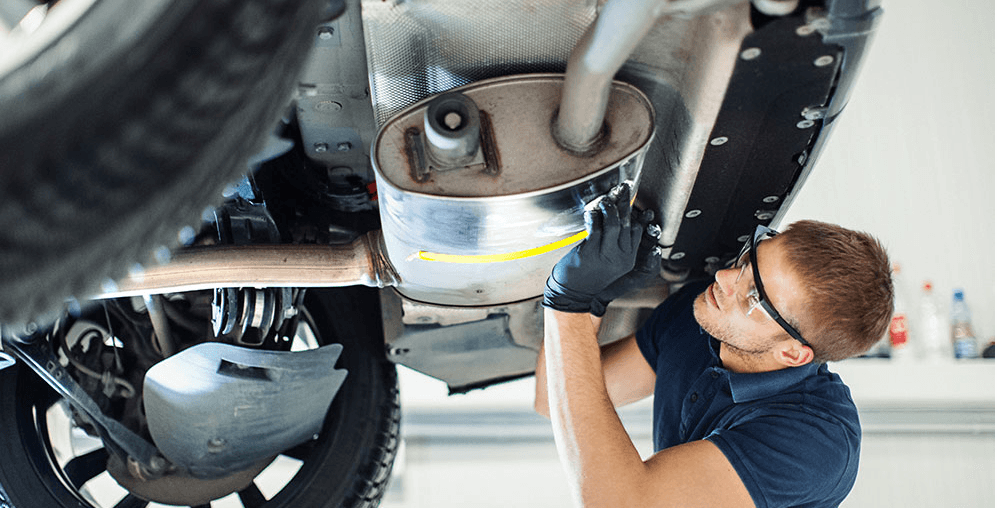
Replacing a catalytic converter is expensive, so proper diagnosis is essential. A mechanic may check exhaust back pressure, read oxygen sensor data, or inspect the inside of the converter with specialized tools.
In some cases, the problem might be a faulty oxygen sensor or issues in the engine’s fuel control system rather than the converter itself. Always confirm before committing to replacement.
9. Preventing Catalytic Converter Failure
While catalytic converters naturally degrade over time, preventive care can extend their lifespan:
- Use only high-quality gasoline to reduce carbon deposits.
- Repair engine misfires promptly to avoid sending unburned fuel into the converter.
- Ensure your emission control system, including oxygen sensors, functions correctly.
- Avoid running the engine with a rich fuel mixture that increases HC and CO in the exhaust.
10. When Replacement Is the Only Option
If the diagnosis confirms a catalytic converter malfunction, replacement may be necessary.Contemporary three-way catalytic converters are engineered to meet stringent emission standards and restore proper exhaust gas treatment functionality. Go for a direct-fit model made of strong stainless steel, and check that it’s certified to follow standards such as Euro IV, Euro V, or America’s Clean Air Act.
Resumé: Vigtigste konklusioner
- The catalytic converter is vital for reducing harmful emissions from hydrocarbons, carbon monoxide, and NOx.
- Six warning signs include: check engine light, poor engine performance, decreased fuel economy, rotten egg odor, dark smoke/excessive heat, and rattling noises.
- Proper diagnosis is essential before replacement—sometimes issues stem from sensors or the fuel system.
- Preventive maintenance and timely engine care extend converter lifespan.
- When replacement is needed, always choose high-quality, certified three-way catalytic converters.
By watching for these signs and taking action early, drivers can protect their engines, reduce harmful emissions, and avoid costly breakdowns.