Indledning
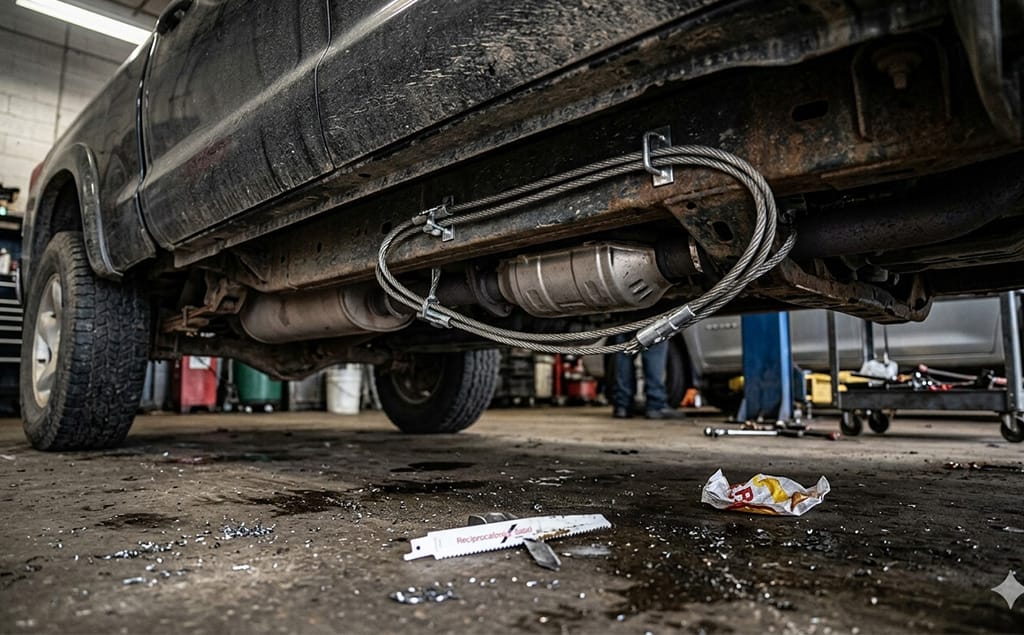
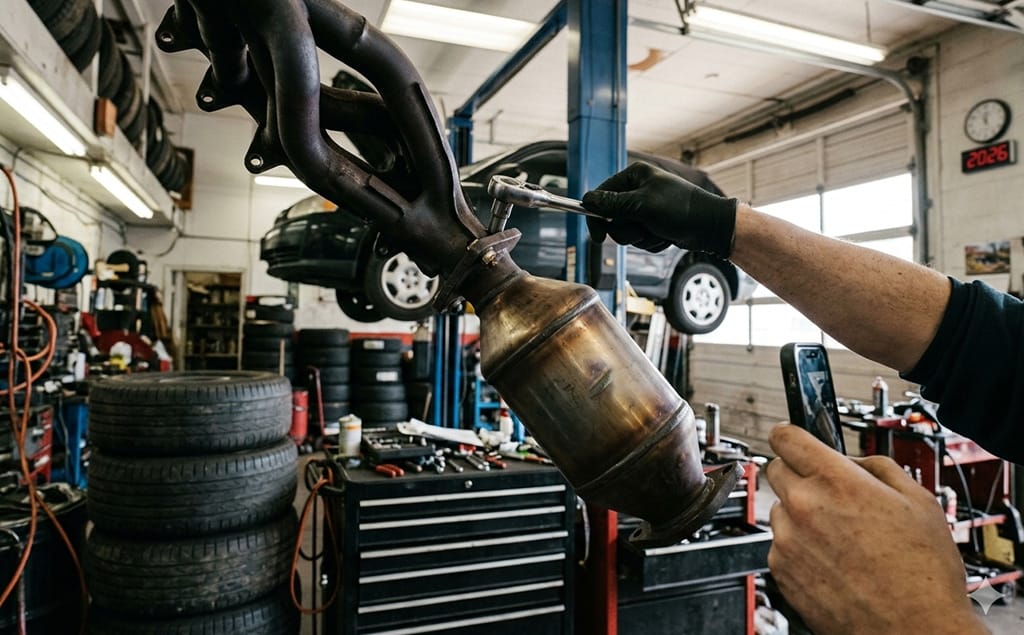
De trevejskatalysator stands as a cornerstone of modern automotive engineering. This device controls harmful emissions from internal combustion engines. It targets three specific pollutants: carbon monoxide, nitrogen oxides, and unburned hydrocarbons. Environmental regulations demand high performance from these components. Over time, carbon deposits and chemical contaminants hinder their efficiency. Proper maintenance ensures longevity and peak performance. This guide outlines the best practices for servicing the trevejskatalysator. We focus on scientific methods to restore catalytic activity. Effective cleaning prevents expensive replacements. It also protects the environment from toxic tailpipe emissions.
Core Maintenance Best Practices
High-Flow Surface Restoration
Engineers design the trevejskatalysator with a dense honeycomb structure. This structure maximizes the surface area for chemical reactions. We must prioritize the cleaning of these internal surfaces. Carbon buildup often blocks the narrow passages. This blockage increases backpressure in the engine. Increased backpressure reduces fuel economy. It also strains the engine components. Technicians must focus on removing these obstructions daily in high-use industrial fleets. We use specialized diagnostic tools to measure flow rates. Restoring the flow ensures the catalyst interacts with the exhaust gases effectively.
The 20-Minute Light-Off Rule
Thermal management plays a vital role in trevejskatalysator health. The device requires a specific temperature to begin the conversion process. This temperature is the “light-off” point. We implement the 20-minute rule for vehicle operation. Drivers should operate the vehicle for at least 20 minutes at highway speeds. This practice allows the converter to reach its optimal working temperature. Short trips prevent the unit from getting hot enough. Cold operation leads to soot accumulation. Frequent, sustained heat cycles burn off light deposits naturally. This proactive approach maintains a professional standard of vehicle performance throughout the day.
Proper Chemical Agent Use (Dwell Time)
Chemical cleaning requires precision and patience. Technicians apply specific solvents to dissolve stubborn contaminants like phosphorus or zinc. These contaminants “poison” the noble metals within the trevejskatalysator. We must follow strict dwell time requirements. Dwell time refers to the period the cleaner stays in contact with the substrate. The surface must remain saturated for the entire duration. This allows the chemicals to break down the molecular bonds of the soot. Insufficient dwell time results in incomplete cleaning. Excessive dwell time might damage the delicate washcoat. We always follow the manufacturer’s specifications for chemical contact.
Advanced Tools and Molecular Capture
Modern cleaning relies on advanced tools rather than traditional mechanical scrubbing. We use ultrasonic cleaning tanks to reach the inner depths of the honeycomb. Ultrasonic waves create microscopic bubbles. These bubbles implode and dislodge debris from the trevejskatalysator walls. This method captures more bio-film and carbon than simple flushing. We also utilize pressurized air systems to blow out loosened particles. Our “no-recontamination” policy ensures that technicians do not introduce dirty fluids back into the system. High-quality tools preserve the integrity of the precious metal layers.
Systematic Seven-Stage Cleaning Approach
We follow a structured, seven-stage process for every trevejskatalysator service:
- Remove Debris: We blow out loose soot using compressed air.
- Pre-Rinse: We flush the unit with warm water to remove surface salts.
- Apply Detergent: We introduce specialized catalytic cleaners into the core.
- Agitate: We use ultrasonic waves or gentle vibration to loosen deposits.
- Chemical Neutralization: We apply a secondary solution to stop the cleaning reaction.
- Inspect: We use borescopes to check the internal passages for clarity.
- Dry: We use heated air to ensure no moisture remains before reinstallation.
Industrial and Heavy-Duty Focus
Industrial applications require even stricter protocols. Large-scale engines produce massive amounts of particulate matter. We clean and maintain trevejskatalysator units in industrial spaces to protect the equipment. Clean converters improve the surrounding air quality in warehouses. This maintenance ensures compliance with local environmental laws. We monitor the pressure drop across industrial converters constantly. This data helps us schedule cleaning before a failure occurs. Proper sanitation of the exhaust system prevents costly downtime in logistics operations.
Comparison of Substrate Materials
| Funktion | Ceramic Substrate (Cordierite) | Metallic Substrate (FeCrAl) |
|---|---|---|
| Holdbarhed | High thermal resistance | High mechanical shock resistance |
| Heating Speed | Slower to reach light-off | Fast light-off due to thin walls |
| Surface Area | Standard honeycomb density | Extremely high cell density possible |
| Koste | More affordable | Expensive manufacturing process |
| Rengøringsmetode | Chemical soak / Ultrasonic | High-pressure air / Chemical flush |
| Recyclability | High precious metal recovery | Complex recovery process |

The Chemical Composition of Catalytic Layers
Effektiviteten af trevejskatalysator depends on its chemistry. The device uses three primary noble metals: platinum, palladium, and rhodium. Platinum and palladium handle the oxidation reactions. They turn carbon monoxide and hydrocarbons into carbon dioxide and water. Rhodium manages the reduction reaction. It converts nitrogen oxides into nitrogen and oxygen.
These metals sit on a “washcoat” of aluminum oxide. The washcoat creates a rough, high-surface-area base. Maintenance must protect this thin layer. Harsh chemicals can strip the washcoat away. If the washcoat disappears, the precious metals go with it. Our cleaning practices focus on preserving this microscopic architecture. We use pH-neutral surfactants whenever possible. This scientific approach ensures the trevejskatalysator continues its redox reactions for many years.
Economic and Environmental Impact of Maintenance
Regular cleaning provides significant economic benefits. A new trevejskatalysator costs a substantial amount of money. Cleaning costs only a fraction of that price. Beyond costs, we must consider the environmental footprint. A clogged converter increases CO2 output. It also lets toxic NOx gases enter the atmosphere.
Effective maintenance reduces the carbon footprint of the vehicle. It optimizes fuel combustion. We see a direct correlation between converter cleanliness and fuel economy. By implementing these best practices, fleet managers save money on fuel. They also avoid heavy fines from environmental regulators. Clean technology supports a sustainable future for the transport industry.
Implementation Strategies
Waste Management and Material Recovery
Cleaning a trevejskatalysator generates hazardous waste. We encourage strict waste segregation in the workshop. We collect the rinse water and filtered soot. This waste contains heavy metals and toxic chemicals. We must dispose of it according to environmental laws. Furthermore, we track the lifespan of each unit. When a converter reaches the end of its life, we send it to a specialized refinery. These refineries recover the platinum and rhodium. This practice keeps the facility clean and environmentally friendly.
Staff Training and Technical Safety
We must train all personnel on proper cleaning techniques. Technicians need to understand chemical handling protocols. They must use Personal Protective Equipment (PPE) at all times. This includes respirators, gloves, and eye protection. The dust inside a trevejskatalysator is toxic. Proper training prevents workplace injuries. It also ensures that staff apply the chemicals correctly. We update our training modules every year. This keeps our team informed about new converter designs and cleaning technologies.
Regular Audits and Performance Tracking
We conduct regular audits to ensure our standards remain high. We use exhaust gas analyzers to test the efficiency of cleaned units. An audit identifies areas for improvement in the cleaning process. We track the “backpressure” data of every vehicle in the fleet. This data tells us if our cleaning intervals are correct. If we see a recurring problem, we adjust our protocol. Constant monitoring ensures that every trevejskatalysator operates at maximum efficiency.
Konklusion
Vedligeholdelse af trevejskatalysator requires a scientific and disciplined approach. We prioritize high-frequency inspections and specialized cleaning stages. By focusing on surface restoration and proper chemical dwell times, we extend the life of the component. The 20-minute rule and ultrasonic cleaning offer superior results over traditional methods. Our commitment to staff training and environmental audits ensures a professional outcome. Ultimately, a clean trevejskatalysator protects the engine, saves fuel, and preserves the environment. Follow these best practices to ensure your exhaust system meets the highest standards of performance and compliance.