Einführung
Modern automotive engineering prioritizes environmental protection. Every internal combustion vehicle uses a specialized device to clean exhaust. This device is the Dreiwegekatalysator. It serves as the primary defense against toxic emissions. A Dreiwegekatalysator lacks moving parts. However, it performs complex chemical transformations constantly. It converts hazardous gases into harmless substances before they exit the tailpipe.
Vehicle owners often face a difficult choice when this part fails. They must choose between Original Equipment Manufacturer (OEM) parts and aftermarket alternatives. This decision impacts vehicle performance. It also affects long-term maintenance costs. This article explores the technical differences between these two options. We will analyze why reliability varies so significantly in the exhaust industry. Understanding the Dreiwegekatalysator helps you maintain a clean and efficient vehicle.
The Fundamental Science of Exhaust Purification
Der Dreiwegekatalysator performs three tasks simultaneously. It reduces nitrogen oxides into nitrogen and oxygen. It oxidizes carbon monoxide into carbon dioxide. Finally, it oxidizes unburnt hydrocarbons into water and carbon dioxide. This process requires a precise internal environment.
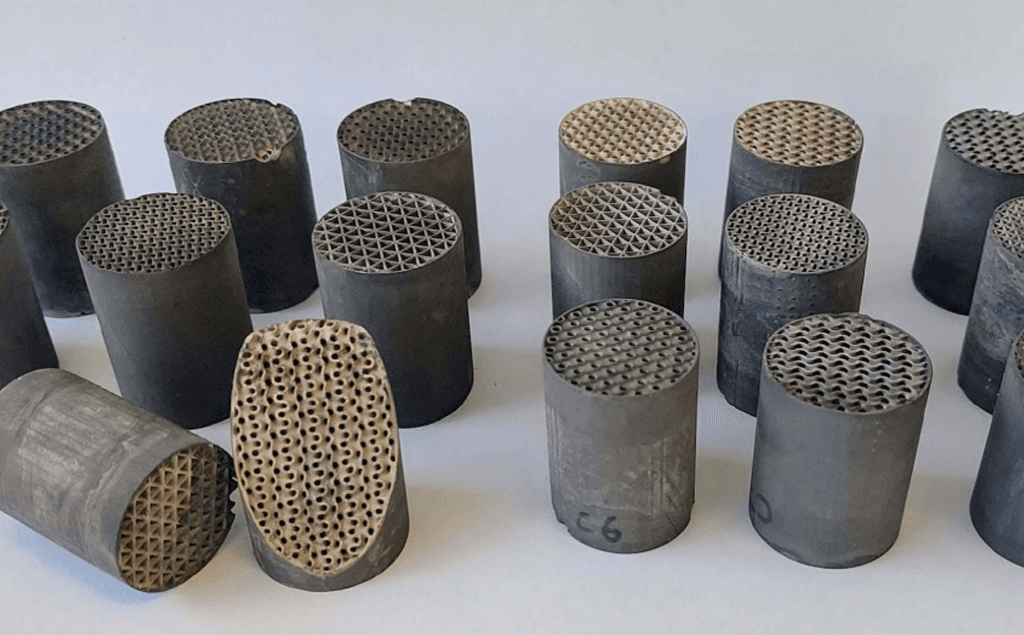
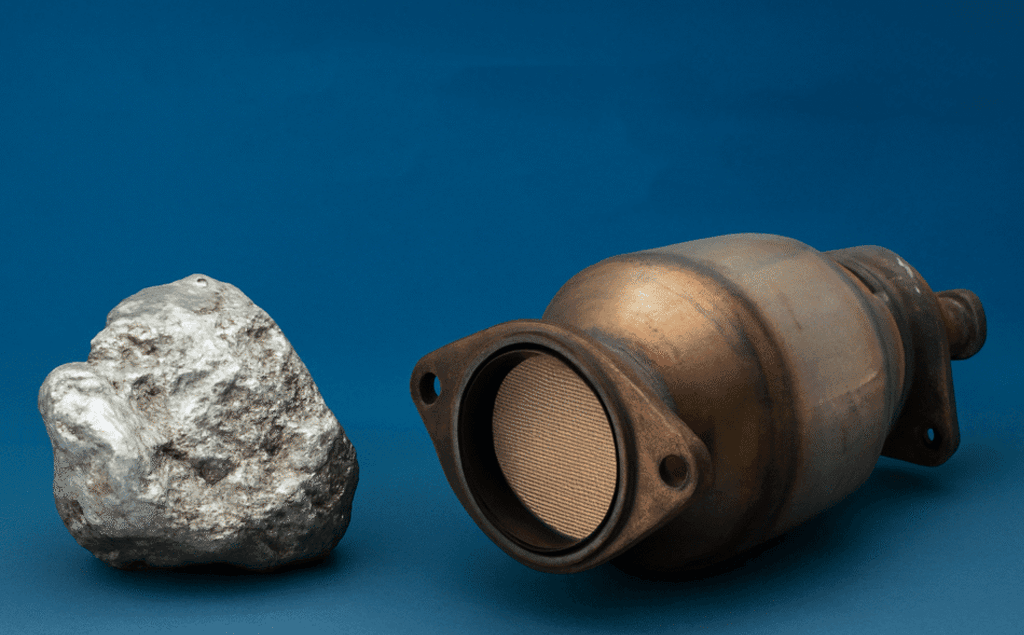
A ceramic or metallic substrate sits inside the stainless steel shell. This substrate usually features a honeycomb structure. Engineers design this honeycomb to maximize surface area. A high surface area ensures that exhaust gases contact the catalyst materials. The washcoat carries the actual catalytic materials. These materials include precious metals like platinum, palladium, and rhodium.
Der Dreiwegekatalysator operates at extremely high temperatures. Chemical reactions only occur when the core reaches a specific temperature. This temperature typically exceeds 400 degrees Fahrenheit. Efficient converters reach this temperature quickly. This minimizes cold-start emissions.
OEM Engineering: The Gold Standard for Longevity
OEM manufacturers design a Dreiwegekatalysator for a specific engine. They tune the catalyst volume to the engine displacement. They also consider the specific emission output of that vehicle. This precision ensures maximum efficiency.
High Precious Metal Loading
OEM units contain significant amounts of precious metals. Platinum and palladium handle the oxidation of hydrocarbons. Rhodium manages the reduction of nitrogen oxides. Manufacturers do not cut corners on these materials. The high metal content allows the converter to function even as it ages. It provides a buffer against minor engine malfunctions.
Strict Regulatory Compliance
United States federal law mandates strict standards for new vehicles. Manufacturers must guarantee the Dreiwegekatalysator lasts for at least 8 years. They must also guarantee it for 80,000 miles. This legal requirement forces OEMs to use high-quality materials. They use thick stainless steel for the outer casing. They use high-grade ceramic for the honeycomb core.
Perfect Fitment and Flow
Engineers design OEM converters to fit the specific contours of the vehicle chassis. This ensures easy installation. It also maintains the correct backpressure for the engine. Incorrect backpressure can reduce fuel economy. It can also cause premature wear on exhaust valves.

Aftermarket Alternatives: The Budget Perspective
Aftermarket companies produce a Dreiwegekatalysator for a broad range of vehicles. One aftermarket part number might fit ten different car models. This universal approach reduces manufacturing costs. It also introduces several reliability variables.
Reduced Metal Content
Aftermarket manufacturers often reduce the loading of precious metals. This is the primary reason why aftermarket converters cost less. They use enough metal to pass an emissions test when new. However, they lack the reserve found in OEM units. A lean-running engine can quickly poison a cheap converter. Small amounts of oil consumption can also destroy a low-end unit.
Universal vs. Direct-Fit
Aftermarket units come in two styles. Direct-fit units mimic the OEM shape. Universal units require cutting and welding. Universal units often suffer from poor installation. Bad welds lead to exhaust leaks. These leaks introduce oxygen into the system. This oxygen confuses the oxygen sensors. This often triggers a Check Engine light.

Technical Comparison of Reliability Data
The following table highlights the technical and economic differences between these categories.
| Besonderheit | OEM Three Way Catalytic Converter | High-Quality Aftermarket | Budget Aftermarket |
|---|---|---|---|
| Precious Metal Content | High (Maximum Loading) | Medium (EPA Compliant) | Low (Minimum Required) |
| Expected Lifespan | 100,000 – 150,000+ Miles | 50,000 – 80,000 Miles | 10,000 – 25,000 Miles |
| Substrate Quality | High-Grade Cordierite | Standardkeramik | Low-Grade Ceramic |
| Warranty (Typical) | 8 Years / 80,000 Miles | 5 Years / 50,000 Miles | 1 Year / 12,000 Miles |
| Kosten | High ($800 – $3,000+) | Moderate ($300 – $900) | Low ($100 – $250) |
| Ausstattung | 100% Precise | Good (Direct Fit) | Poor (Requires Welding) |
| Emissions Compliance | EPA & CARB Guaranteed | EPA Standard | Variable |
The Role of Regulatory Bodies: EPA and CARB
Government regulations dictate the design of every Dreiwegekatalysator. The Environmental Protection Agency (EPA) sets federal standards. However, the California Air Resources Board (CARB) enforces much stricter rules.
CARB-Compliant Converters
You must use CARB-compliant parts in California. Several other states also follow these rules. These aftermarket converters are more expensive. They contain more precious metals. They undergo rigorous testing. They must prove they can last for 50,000 miles or more. Using a non-compliant Dreiwegekatalysator is illegal in these states. It will cause your vehicle to fail a state smog inspection.
EPA Federal Standards
Federal EPA converters are suitable for states without California-style rules. They provide a cost-effective solution for older vehicles. However, they provide less long-term reliability than an OEM unit. Always verify the emissions label under your hood. This helps you choose the correct Dreiwegekatalysator.
Why Three Way Catalytic Converters Fail Prematurely
A Dreiwegekatalysator rarely fails on its own. External factors usually cause the damage. Understanding these factors helps you protect your investment.
Engine Misfires
Unburnt fuel enters the exhaust during a misfire. This fuel ignites inside the Dreiwegekatalysator. The resulting heat can melt the ceramic honeycomb core. A melted core restricts exhaust flow. This causes the engine to lose power or stall.
Oil and Coolant Contamination
Worn piston rings introduce oil into the exhaust. Leaking head gaskets introduce coolant. These fluids coat the precious metals. This coating creates a barrier between the gas and the catalyst. This poisoning makes the converter useless. The engine computer then triggers a P0420 error code.
Thermal Shock
Driving through deep water can rapidly cool a hot three way catalytic converter. This sudden temperature change shatters the ceramic substrate. The broken pieces then rattle inside the shell. They can also clog the muffler and stop the car.
Fortschrittliche Substrattechnologie und Strömungsdynamik
The internal structure of a Dreiwegekatalysator determines its efficiency. Engineers focus on cell density. Cell density refers to the number of openings per square inch (CPSI).
Most OEM units use a 400 or 600 CPSI substrate. A higher cell density increases the surface area. More surface area allows for better conversion of toxic gases. However, it also increases backpressure. High-performance aftermarket converters sometimes use metallic substrates with 200 CPSI. These allow better flow for racing applications. But they may not meet strict emission standards for daily driving.
Modern ceramic substrates utilize cordierite. This material handles thermal expansion very well. It prevents the core from cracking during daily driving. Aftermarket companies sometimes use thinner cordierite walls to save money. These thinner walls are more prone to physical breakage.
The Future of Exhaust Aftertreatment Technology
The automotive industry continues to evolve. While the Dreiwegekatalysator remains the standard, new technologies emerge. Engineers are experimenting with close-coupled converters. These sit directly on the exhaust manifold. This position allows them to heat up faster. Faster heating reduces emissions during the first two minutes of driving.
Furthermore, hybrid vehicles present new challenges. Hybrid engines turn off and on frequently. The three way catalytic converter cools down during electric-only mode. Engineers now develop electrically heated catalysts. These units use the car battery to maintain temperature. This ensures the system is always ready to clean the exhaust. These advancements show that the Dreiwegekatalysator will remain relevant for decades.
Economic Considerations: The True Cost of Ownership
Price often drives the decision to buy an aftermarket three way catalytic converter. An OEM unit for a luxury SUV might cost $2,500. An aftermarket version might cost only $500.
The Replacement Cycle
Das Originalteil (OEM) ist oft günstiger, wenn Sie Ihr Auto fünf Jahre lang fahren. Ein billiges Nachbauteil kann schon nach 18 Monaten ausfallen. Dann zahlen Sie die Arbeitskosten ein zweites Mal und müssen außerdem ein zweites Teil kaufen. Diese Kosten übersteigen schnell den Preis des Originalteils.
Auswirkungen auf den Wiederverkaufswert
Potenzielle Käufer bevorzugen Fahrzeuge mit Originalteilen. Ein Zubehörmarkt Dreiwegekatalysator kann auf mangelhafte Wartung hindeuten. In Regionen mit strengen Kontrollen bietet ein Originalteil (OEM) Sicherheit. Es gewährleistet, dass das Fahrzeug die nächste Abgasuntersuchung problemlos besteht.
Installation Best Practices for Maximum Reliability
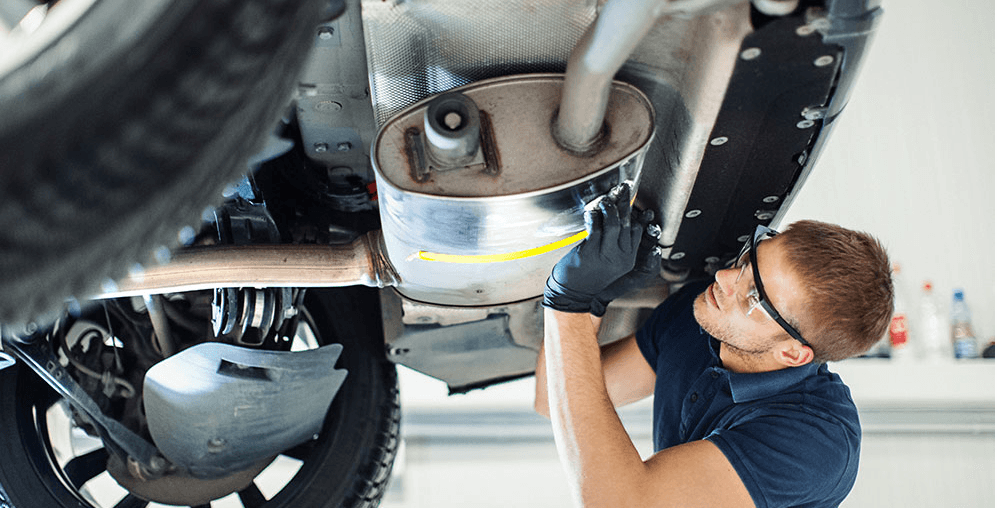
Eine fachgerechte Installation verlängert die Lebensdauer eines DreiwegekatalysatorDie Mechaniker müssen bestimmte Schritte befolgen, um den Erfolg zu gewährleisten.
- Beheben Sie die Ursache: Tauschen Sie den Katalysator niemals aus, ohne das Motorproblem zu beheben. Diagnostizieren Sie zuerst Fehlzündungen und Öllecks.
- Sauerstoffsensoren prüfen: Alte Lambdasonden reagieren träge. Dadurch kann das Motorgemisch zu fett werden. Der Kraftstoffüberschuss schädigt den neuen Katalysator.
- Auspuffhalterungen prüfen: Vibrationen können den Keramikkern beschädigen. Stellen Sie sicher, dass alle Aufhängungen in einwandfreiem Zustand sind.
- Führen Sie einen Einfahrzyklus durch: Neue Katalysatoren benötigen einen schonenden Aufwärmzyklus. Vermeiden Sie Vollgasbeschleunigung in den ersten 80 Kilometern.
Strategic Environmental Impact of Catalyst Choices
Auswahl eines hochwertigen Dreiwegekatalysator Das schont die Umwelt. Minderwertige Katalysatoren lassen oft mehr Schadstoffe in die Luft gelangen. Diese Schadstoffe tragen zu Smog und saurem Regen bei. Außerdem ist die Herstellung eines Drei-Wege-Katalysators sehr CO₂-intensiv. Der Austausch eines billigen Katalysators alle zwei Jahre erhöht Ihre Umweltbelastung.
Durch die Wahl eines langlebigen Originalteils oder eines hochwertigen Ersatzteils reduzieren Sie Abfall. Diese Teile nutzen Edelmetalle effizienter und haben eine deutlich längere Lebensdauer. Dadurch verringert sich der Bedarf an häufigem Abbau von Platin und Palladium. Investitionen in Zuverlässigkeit sind Investitionen in globale Nachhaltigkeit.
Abschluss
Der Dreiwegekatalysator ist ein Meisterwerk des Umweltschutzes. Die Wahl zwischen Originalteilen (OEM) und Ersatzteilen von Drittanbietern will gut überlegt sein. Originalteile bieten unübertroffene Zuverlässigkeit und Langlebigkeit. Sie werden aus hochwertigen Materialien gefertigt und präzise verarbeitet. Ersatzteile von Drittanbietern sind eine kostengünstige Lösung für ältere Fahrzeuge.
Die Qualität im Ersatzteilmarkt variiert jedoch stark. Wählen Sie daher stets namhafte Marken mit umfassenden Garantien. Stellen Sie sicher, dass das Teil den örtlichen EPA- oder CARB-Normen entspricht. Schützen Sie Ihr Auto. Dreiwegekatalysator Alles beginnt mit einem gesunden Motor. Regelmäßige Wartung verhindert Verunreinigungen, die diese Bauteile beschädigen können. Ob Sie sich für ein Originalteil oder ein hochwertiges Ersatzteil entscheiden – Ihre Wahl wirkt sich auf Ihren Geldbeutel aus. Und sie beeinflusst auch die Qualität der Luft, die wir atmen.