Introduction
China se ha convertido en una base de fabricación global de primer nivel para componentes de vehículos. Una gran parte de los productos del mercado de repuestos automotrices del mundo, que van desde sistemas de escape hasta sensores de oxígeno, provienen de China, y el país es una fuerza dominante en convertidores catalíticos de tres vías En concreto, muchos importadores eligen a los proveedores chinos porque ofrecen precios competitivos, una gran capacidad de producción y una amplia gama de aplicaciones para vehículos.
Sin embargo, importar convertidores catalíticos de China implica más que simplemente encontrar un proveedor de bajo costo. Antes de comprometerse con grandes pedidos, los compradores deben comprender aspectos como los estándares de calidad, las regulaciones de emisiones, la logística, los costos de las materias primas y si el proveedor es confiable. Elegir al proveedor equivocado puede acarrearle serios problemas, como fallar en las pruebas de emisiones, retrasos en la aduana, reclamaciones de garantía y un daño a su reputación. Este artículo explica las principales ventajas y desafíos de importar convertidores catalíticos de China. También analiza cómo identificar proveedores confiables y qué factores son más importantes al comprar un convertidor catalítico de tres vías para mercados internacionales.
¿Por qué muchos compradores importan convertidores catalíticos de tres vías de China?
Sólida infraestructura de fabricación
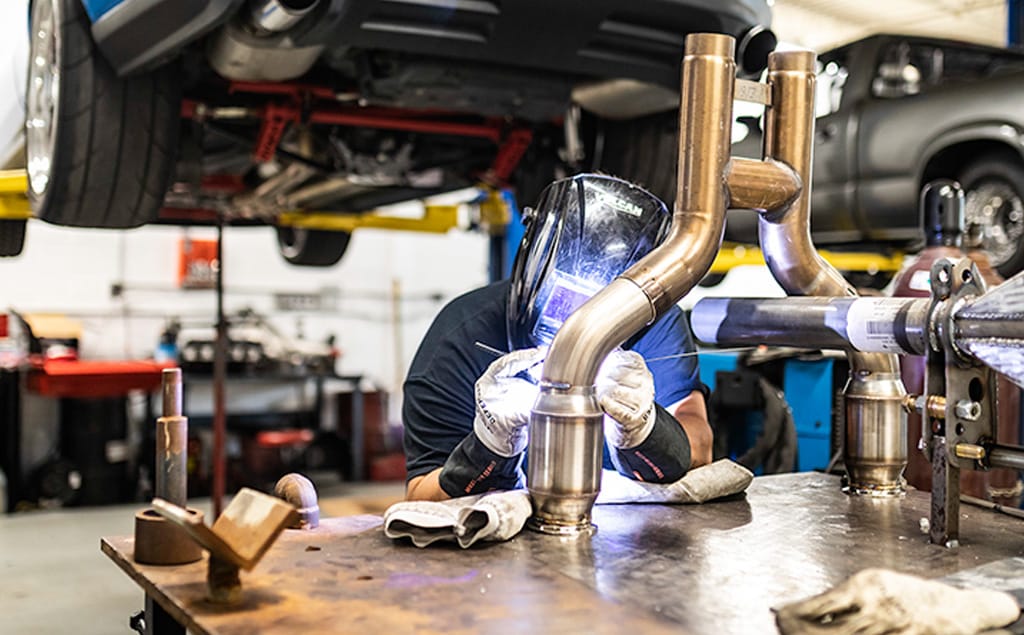
China ha construido un ecosistema de fabricación de automóviles altamente integrado, donde prácticamente cada paso de la producción se realiza localmente. Los fabricantes procesan acero inoxidable, sustratos cerámicos, estructuras metálicas en forma de panal, recubrimientos catalíticos, protectores térmicos y tubos de escape dentro de cadenas de suministro locales.
Esta estructura industrial ofrece a las fábricas de convertidores catalíticos varias ventajas:
• Mayor velocidad de producción • Menores costos de abastecimiento • Mejor gestión de inventario • Plazos de entrega más cortos • Integración de componentes más sencilla
Un único proveedor suele fabricar sistemas de escape completos en lugar de solo componentes individuales. Esto simplifica el proceso de compra para los compradores internacionales.
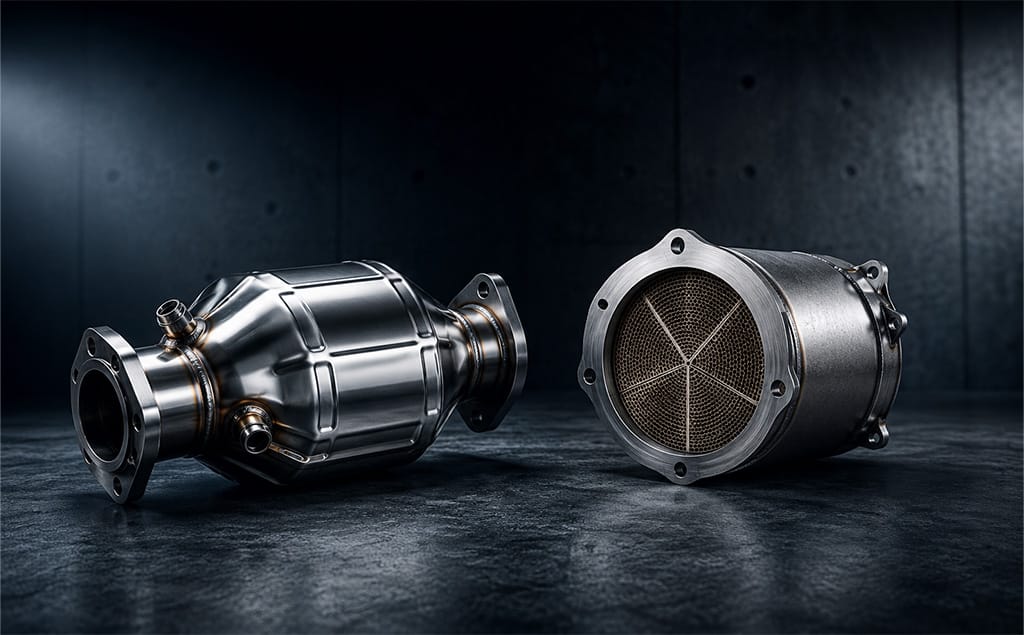
Por ejemplo, un profesional convertidor catalítico de tres vías El fabricante puede proporcionar:
| Tipo de producto | Servicios disponibles |
|---|---|
| Convertidor catalítico de ajuste directo | Reemplazo de OEM |
| Convertidor catalítico universal | Fabricación a medida |
| Catalizador cerámico | Sistemas de emisiones estándar |
| Catalizador metálico | Aplicaciones de alto rendimiento |
| convertidor del colector de escape | Sistemas integrados |
| catalizador de oxidación diésel | Uso de vehículos comerciales |
Este tipo de flexibilidad en la producción ha atraído a importadores de Norteamérica, Europa, Sudamérica y Oriente Medio.
Los costos laborales competitivos siguen respaldando la producción.
Los costes laborales en China han aumentado durante la última década. Sin embargo, la industria manufacturera china sigue siendo altamente competitiva en comparación con muchos países occidentales.
Las fábricas se benefician de:
• Trabajadores técnicos cualificados • Grandes zonas industriales • Sistemas de producción consolidados • Tecnología de soldadura avanzada • Equipos robóticos automatizados
Muchas fábricas de convertidores catalíticos ahora combinan la automatización con la inspección manual de calidad. Este enfoque mejora la uniformidad a la vez que mantiene los costos de producción bajo control.
Some manufacturing has moved to Southeast Asia. But Chinese companies still run the show in many auto supply chains, because they control:
• Raw material sourcing • Catalyst coating technology • Precision tooling • Export logistics • Engineering expertise
As a result, China continues to lead the global convertidor catalítico de tres vías export market.
Wide Selection of Catalytic Converter Applications
One major advantage of Chinese suppliers is product diversity.
Factories manufacture converters for:
• Japanese vehicles • European vehicles • American vehicles • Korean vehicles • Commercial trucks • Hybrid vehicles • Performance cars
Buyers can usually source products for both OEM and aftermarket markets.
Common Vehicle Brands Supported
| Región | Popular Brands |
|---|---|
| Japón | Toyota, Honda, Nissan |
| Alemania | BMW, Mercedes-Benz, Audi |
| Estados Unidos | Ford, Chevrolet, Dodge |
| Korea | Hyundai, Kia |
| Europa | Peugeot, Renault, Fiat |
Many suppliers also support customized production for niche vehicle applications.
With such a broad product range, distributors can make their sourcing a lot simpler — they just have to place orders with fewer suppliers.
Product Quality Has Improved Significantly
A while back, a lot of importers figured Chinese auto parts were pretty iffy on quality. Now? Things have turned around big time.
Modern catalytic converter factories use:
• CNC pipe bending • Automated welding robots • Advanced catalyst coating lines • Emission simulation testing • XRF precious metal analysis • Leak detection systems
High-end manufacturers now produce products that comply with:
• EPA standards • Euro 6 regulations • CARB requirements • ISO certifications
Reliable factories carefully control the ratio of precious metals inside the catalyst coating.
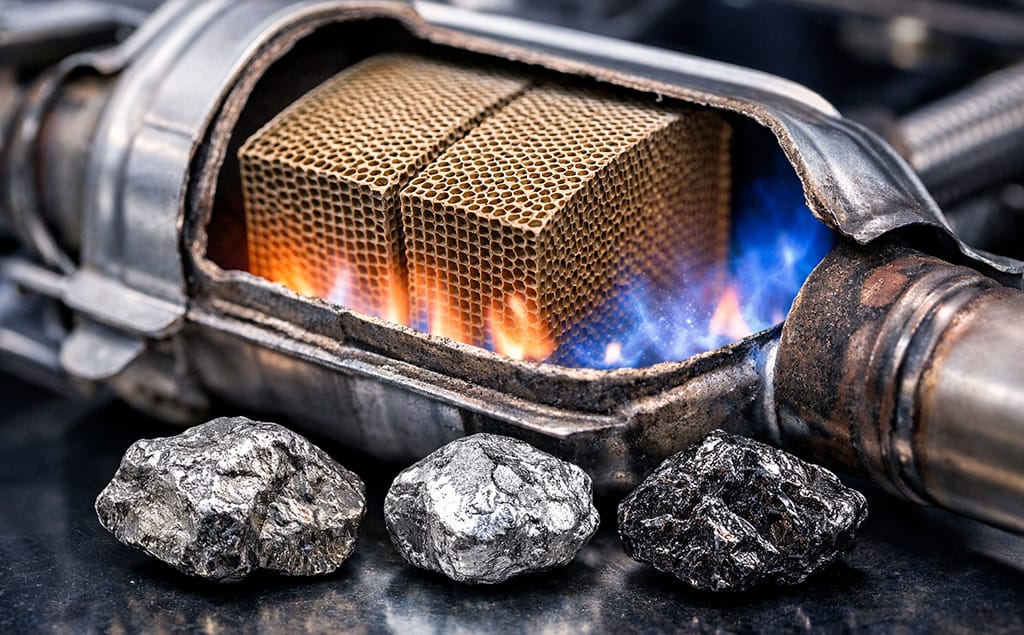
The most important metals include:
• Platinum • Palladium • Rhodium
These metals help reduce harmful emissions such as:
• Carbon monoxide (CO) • Hydrocarbons (HC) • Nitrogen oxides (NOx)
Without proper coating quality, a convertidor catalítico de tres vías cannot maintain long-term emission efficiency.
Precious Metal Technology Matters
Many buyers focus only on price. This creates a major mistake.
The internal catalyst formula directly affects converter performance. Cheap products often contain insufficient precious metal loading. They may pass short-term tests but fail after several months.
High-quality converters provide:
• Faster light-off temperature • Better thermal stability • Longer service life • Improved emission conversion efficiency
Typical Precious Metal Functions
| Metal precioso | Función principal |
|---|---|
| Platino | Oxidizes hydrocarbons |
| Paladio | Reduces carbon monoxide |
| Rodio | Reduces nitrogen oxides |
Factories with strong R&D capability usually optimize metal ratios based on target markets and emission regulations.
Convenient Export and Shipping System
China operates some of the world’s busiest export ports, including:
• Shanghai • Ningbo • Shenzhen • Guangzhou • Qingdao
Freight infrastructure remains highly efficient. Buyers can choose:
• Sea freight • Air freight • Railway transport • Multimodal logistics
Competition among freight forwarders also helps reduce transportation costs.
For bulk orders of convertidor catalítico de tres vías products, sea freight remains the most economical option.
Many suppliers now offer:
• FOB pricing • CIF pricing • DDP services • Customs clearance assistance
This makes international purchasing much easier for first-time importers.
Challenges Buyers Should Understand
Despite many advantages, importing catalytic converters from China also involves several risks.
Supplier Selection Can Be Difficult
China has thousands of automotive suppliers. Some are real factories. Others operate only as trading companies.
Not every supplier maintains stable quality standards.
Common risks include:
• Poor welding quality • Thin stainless steel • Low precious metal loading • Weak packaging • False certifications
Some companies advertise EPA or CARB compliance without real testing documentation.
Therefore, buyers should always verify:
• Factory ownership • Production capability • Certification validity • Export experience • Product testing reports
Requesting samples before mass production remains extremely important.
Communication Problems May Affect Orders
Language differences sometimes create misunderstandings during production.
Common issues include:
• Incorrect dimensions • Wrong sensor ports • Packaging errors • Shipping delays • Labeling mistakes
Professional suppliers usually employ experienced export sales teams. These teams understand international technical requirements and can communicate more effectively.
To reduce problems, buyers should provide:
• Technical drawings • OE numbers • Product photos • Packaging instructions • Written specifications
Clear communication prevents expensive mistakes.
Tariffs and Import Duties Increase Costs
Import regulations continue to change globally.
Some countries impose additional duties on Chinese automotive parts. Buyers must calculate these costs carefully before placing orders.
Import costs may include:
• Customs duty • VAT • Anti-dumping tax • Port handling fees • Inspection fees
For example, certain U.S. tariffs on Chinese automotive products can significantly increase final costs.
A competitive product price does not always guarantee the lowest total landed cost.
Understanding Emission Regulations Is Essential
Emission standards vary between countries.
A catalytic converter approved in one market may not qualify in another.
Major Emission Standards
| Región | Common Regulation |
|---|---|
| Estados Unidos | EPA / CARB |
| Europa | Euro 6 / Euro 7 |
| Porcelana | China 6 |
| Middle East | GCC standards |
Buyers should confirm compliance requirements before importing any three way catalytic converter products.
Ignoring emission regulations can result in:
• Customs seizure • Failed inspections • Legal penalties • Product recalls
How to Identify a Reliable Catalytic Converter Supplier
1. Check Business History
An established supplier usually offers better stability.
Long-term companies often have:
• Experienced engineers • Mature production systems • Stable workforce • International clients
A factory with ten or more years of export experience generally provides lower operational risk.
2. Verify Certifications
Professional suppliers should provide certifications such as:
• ISO 9001 • IATF 16949 • EPA documentation • CARB certification • SGS inspection reports
Always verify documents carefully.
Some fraudulent suppliers modify certificates illegally.
3. Conduct Factory Audits
Factory audits help buyers understand real production capability.
During audits, inspect:
• Welding equipment • Catalyst coating lines • Production capacity • Warehouse management • Quality control procedures
Third-party inspection companies can also perform audits if overseas travel is difficult.
4. Review Online Presence
Reliable suppliers maintain professional websites and active online profiles.
Check whether the supplier appears on:
• Google • Alibaba • Made-in-China • LinkedIn • Trade exhibitions
A visible global presence often indicates serious export operations.
5. Evaluate Product Testing Ability
Strong factories conduct internal testing before shipment.
Important tests include:
• Back pressure testing • Thermal shock testing • Emission simulation • Vibration durability • Coating adhesion analysis
Testing capability reflects technical professionalism.

The Growing Demand for Hybrid Vehicle Catalysts
Hybrid vehicles create new challenges for catalytic converter manufacturers.
These vehicles often produce:
• Lower exhaust temperatures • Frequent engine start-stop cycles • Increased cold-start emissions
As a result, modern convertidor catalítico de tres vías systems require faster activation speed.
Why Hybrid Catalysts Need Advanced Technology
Traditional converters may struggle under hybrid operating conditions.
Manufacturers now develop:
• High-cell-density substrates • Improved washcoat formulas • Enhanced thermal insulation • Faster light-off catalyst systems
This trend will continue as global emission standards become stricter.
Why Stainless Steel Quality Is Important
The outer shell of a catalytic converter affects durability significantly.
High-quality stainless steel provides:
• Better corrosion resistance • Longer service life • Improved heat resistance • Stronger structural stability
Cheap converters sometimes use thin materials to reduce costs.
This creates problems such as:
• Rust • Cracking • Pipe deformation • Premature failure
Professional buyers should always confirm steel grade specifications before purchasing.
Packaging Quality Also Matters
Many buyers underestimate packaging importance.
Poor packaging can damage converters during transportation.
Reliable suppliers use:
• Foam protection • Reinforced cartons • Anti-collision supports • Moisture-resistant materials
Proper packaging reduces shipping claims and warranty disputes.
Future Trends in the Three Way Catalytic Converter Industry
El convertidor catalítico de tres vías industry continues to evolve rapidly.
Several trends will shape the future market:
Stricter Global Emission Standards
Governments continue tightening regulations worldwide.
Future standards will require:
• Lower NOx emissions • Faster catalyst activation • Improved durability • Higher conversion efficiency
Rising Precious Metal Prices
Platinum group metals remain extremely expensive.
Manufacturers now focus on:
• Reducing metal usage • Improving catalyst efficiency • Recycling precious metals • Developing alternative formulations
Expansion of Hybrid Vehicle Markets
Hybrid vehicles will increase demand for advanced catalyst technology.
Suppliers with strong R&D capability may gain significant competitive advantages.
Conclusion
Importing convertidores catalíticos de tres vías from China offers many benefits. Buyers gain access to competitive pricing, strong manufacturing capacity, wide product selection, and mature export infrastructure. China remains one of the most important global sources for the three way catalytic converter industry.
However, successful importing requires careful planning. Buyers must evaluate supplier reliability, understand emission regulations, verify certifications, and pay close attention to product quality. Focusing only on low price can create serious long-term problems.
Serious importers should build relationships with experienced suppliers — ones that can deliver consistent quality, clear communication, and solid after-sales support. As global emission standards continue to evolve, reliable sourcing strategies will become even more important.
If a company knows the technical requirements and also gets the risks that come with international trade, they’ll go a lot further in the catalytic converter market.