Introduction
A malfunctioning three-way catalytic converter can make even an experienced driver feel like they’re losing their mind. The issue often appears as a check engine light (usually the P0420 code), poor performance, or a strange sulfur smell. These symptoms can be confusing and costly, particularly when car dealerships quote prices in the thousands of dollars for replacement. This article explores what happens when your catalytic converter fails, how to diagnose it, what your repair options are, and how to save money without compromising on quality.
Understanding the Three-Way Catalytic Converter
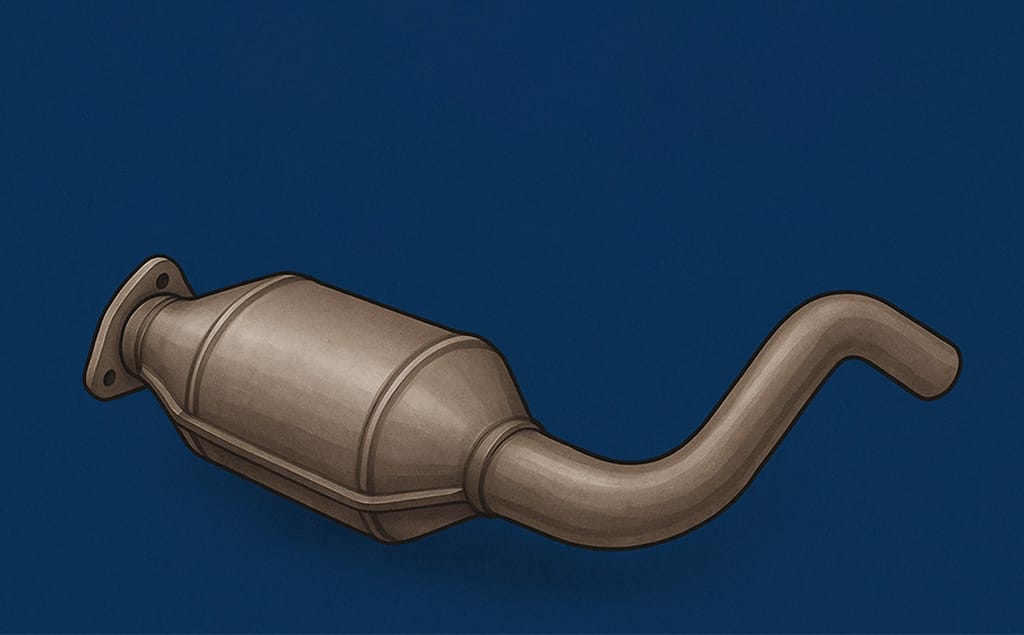
A three-way catalytic converter is a key emissions control component in modern vehicles. It performs three primary functions:
| Tipo de reacción | Target Pollutant | Conversion Result |
|---|---|---|
| Oxidation | Monóxido de carbono (CO) | Carbon Dioxide (CO₂) |
| Reduction | Óxidos de nitrógeno (NOx) | Nitrogen (N₂) and Oxygen (O₂) |
| Oxidation | Unburned Hydrocarbons (HC) | Water (H₂O) and Carbon Dioxide (CO₂) |
By converting toxic gases into less harmful ones, the converter plays a vital role in maintaining air quality and meeting emissions standards. However, it’s also one of the most expensive parts of the exhaust system to replace.

Diagnosing the P0420 Code and Common Symptoms
When your luz de verificación del motor displays the P0420 code, it means your catalytic converter is performing below efficiency standards. However, this doesn’t always mean the converter itself is bad — sometimes, the issue lies elsewhere in the exhaust or sensor system.
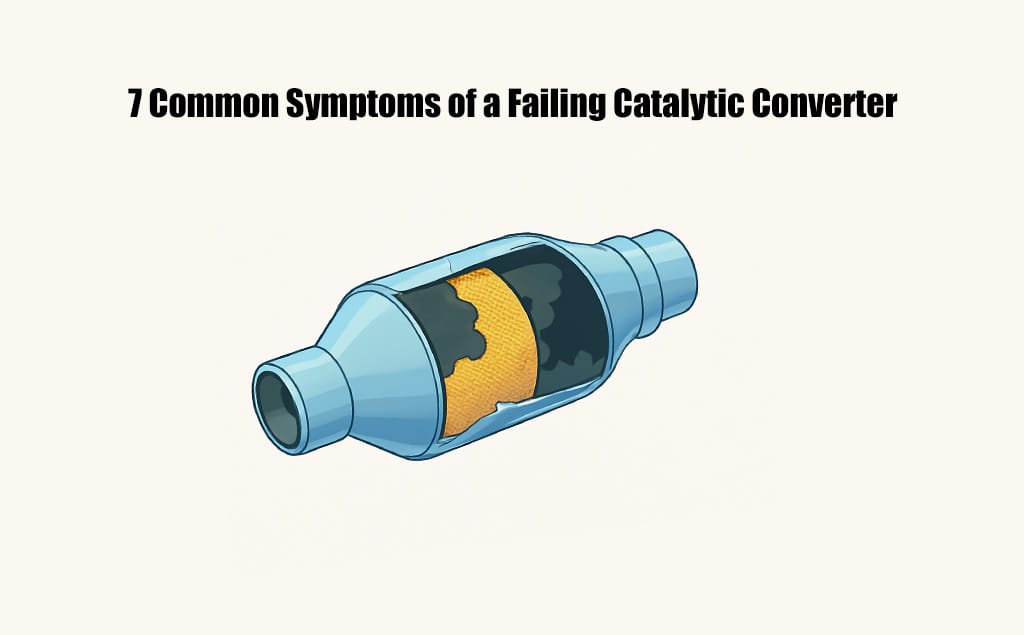
Common Symptoms of a Failing Converter
- Loss of Power: The car feels sluggish and struggles to accelerate.
- Loud Exhaust Noise: A broken or clogged converter can cause a roaring or rumbling sound.
- Unpleasant Odor: A sulfur or “rotten egg” smell indicates incomplete catalytic reactions.
- Decreased Fuel Efficiency: The engine burns more fuel to compensate for exhaust blockage.
- Luz de verificación del motor: Most commonly triggered by the oxygen sensors before and after the converter.
Real-World Example: The Subaru Case
A 2013 Subaru Impreza owner with 180,000 miles received a P0420 code and was quoted $4,000+ for replacement at the dealership. Upon deeper inspection, the cost was tied to two parts — the convertidor catalítico itself ($2,007) and the attached pipe ($1,530). Many dealerships quote the combined price for both components, leading to inflated repair bills.
If you face a similar situation, request the exact part number and verify it online. Independent repair shops can often replace just the necessary section, saving you significant money. Additionally, always ensure your car’s ECM software is up to date and that your issue doesn’t fall under a recall or Technical Service Bulletin (TSB).
Troubleshooting and Maintenance Tips
Step 1: Check Oxygen Sensors
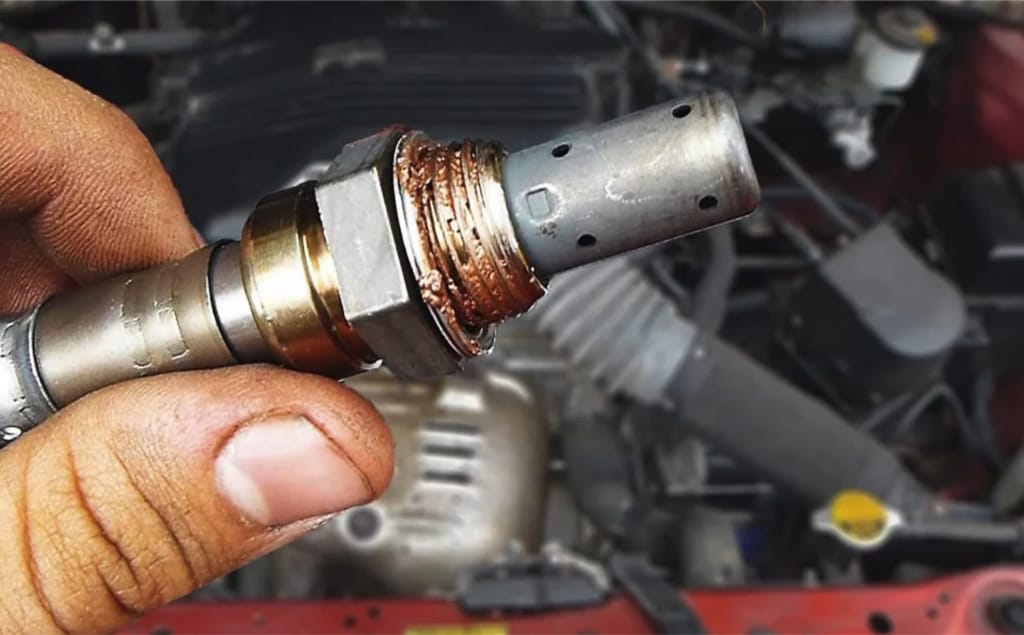
Faulty oxygen (O₂) or air-fuel (AF) sensors can mimic catalytic converter failure. Inspect for oil-soaked connectors or damaged wires near the exhaust manifold. Replace any faulty sensors before replacing the converter.
Step 2: Inspect for Oil or Fuel Contamination
If sensors are dry but performance issues persist, check for oil or fuel leaks entering the exhaust system. These contaminants can prematurely damage the catalytic substrate.
Step 3: Use an OBD2 Scanner
With a basic OBD2 diagnostic tool, you can check for other codes that may indicate whether the issue lies with the converter or related sensors.
California vs Federal Catalytic Converters
Vehicles sold in California or states that follow CARB (Junta de Recursos del Aire de California) regulations require California-spec converters. These units are more expensive but are designed to meet stricter emissions standards.
| Especificación | Federal (EPA) | California (CARB) |
|---|---|---|
| Norma de emisión | Moderado | Muy alto |
| Legal Use | 49 States | California + CARB States |
| Typical Cost | $800–$1,500 | $1,800–$3,500 |
Always confirm your vehicle’s compliance label before purchasing a replacement converter.

Cost Comparison: Dealership vs Independent Repair
| Repair Option | Average Cost | Notas |
|---|---|---|
| Dealership OEM Replacement | $3,000–$4,500 | Includes both parts, labor, and markup |
| Independent Mechanic | $1,200–$2,000 | Often uses OEM or high-quality aftermarket parts |
| Custom Exhaust Shop | $800–$1,500 | Can weld and fit universal converters |
Independent mechanics and exhaust specialists can often save you 50% or more while maintaining emissions compliance.
When Replacement Is Truly Necessary
Only replace your catalytic converter when diagnostics confirm it’s clogged or the precious metal coating has degraded. Other issues, like faulty O₂ sensors, air leaks, or misfires, can mimic converter failure. A qualified technician can perform backpressure tests o infrared temperature checks to confirm the diagnosis.

Preventive Care for Longer Converter Life
- Use high-quality fuel. Poor-quality gasoline increases residue buildup.
- Maintain spark plugs and sensors. Misfires can overheat the converter.
- Avoid short trips. The converter needs to reach optimal temperature to function efficiently.
- Check engine oil regularly. Oil leaks damage internal catalytic materials.
- Repair exhaust leaks early. Even small leaks disrupt airflow and efficiency.
Conclusion
Un fracaso three-way catalytic converter can cause frustration and unexpected expenses. However, understanding how the system works, diagnosing related components, and exploring alternative repair options can save you thousands. Before spending on a replacement, verify your diagnosis, explore independent shops, and ensure your vehicle’s software is current. With proper care, your catalytic converter can last the lifetime of your car.