Introduction : La composante invisible à forte valeur ajoutée
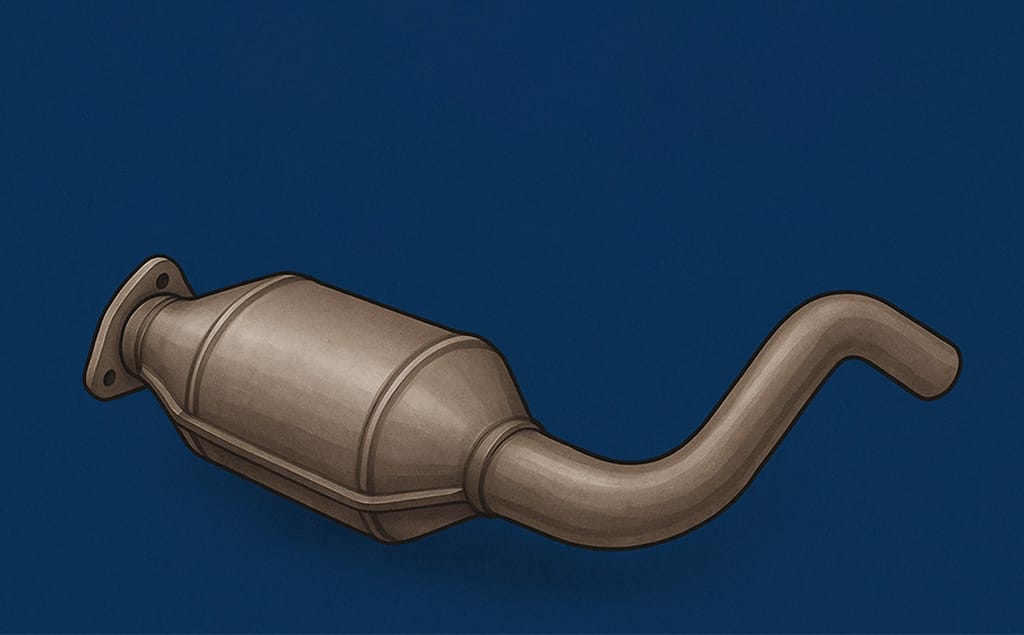
Le système d'échappement d'un véhicule moderne reste un mystère pour la plupart des conducteurs jusqu'à ce qu'un voyant d'alerte s'allume sur le tableau de bord. Au cœur de ce système se trouve le convertisseur catalytique à trois voiesCe composant représente l'une des pièces les plus sophistiquées d'un moteur à combustion interne. Véritable laboratoire chimique mobile, il transforme les sous-produits toxiques du moteur en air respirable grâce à des réactions complexes.
Cependant, lorsque cette pièce tombe en panne, les propriétaires de véhicules sont confrontés à une décision financière importante. Remplacer une convertisseur catalytique à trois voies Cela implique de s'y retrouver dans un paysage complexe de législations régionales, de marchés des métaux et de conceptions mécaniques. Ce guide explique précisément ce que vous payez. Nous vous fournissons les informations nécessaires pour éviter les majorations abusives souvent appliquées par les mécaniciens sur votre prochaine facture de réparation.
Fonctionnement interne : Comment fonctionne un convertisseur catalytique à trois voies
UN convertisseur catalytique à trois voies Elle accomplit simultanément trois tâches chimiques essentielles. Premièrement, elle utilise la réduction pour extraire l'oxygène des oxydes d'azote (NOx). Ce processus produit du diazote, un gaz inoffensif. Deuxièmement, elle emploie l'oxydation pour transformer le monoxyde de carbone (CO) en dioxyde de carbone (CO₂). Troisièmement, elle oxyde les hydrocarbures imbrûlés (HC) en vapeur d'eau.
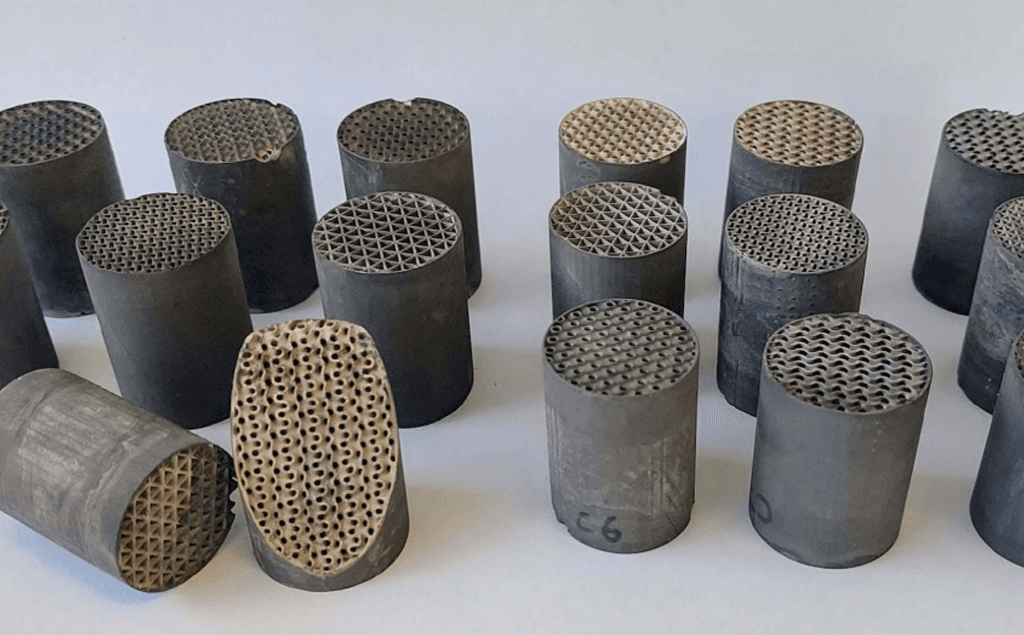
Pour réaliser ces réactions à haute température, les fabricants utilisent une structure en nid d'abeille de céramique. Ils recouvrent ce « substrat » d'une couche mince de métaux précieux. Ces métaux — platine, palladium et rhodium — agissent comme catalyseurs. Ils ne s'usent pas pendant la réaction elle-même. Cependant, ils peuvent être « empoisonnés » par l'huile moteur, le liquide de refroidissement ou l'essence au plomb. Lorsque la surface de ces métaux se dégrade, convertisseur catalytique à trois voies perd de son efficacité.

Comprendre l'écart de coût : pourquoi certaines unités coûtent 3 000 $
Le prix d'un convertisseur catalytique à trois voies Cela dépend du design et de la densité du métal précieux.
1. Assemblages intégrés à plusieurs composants
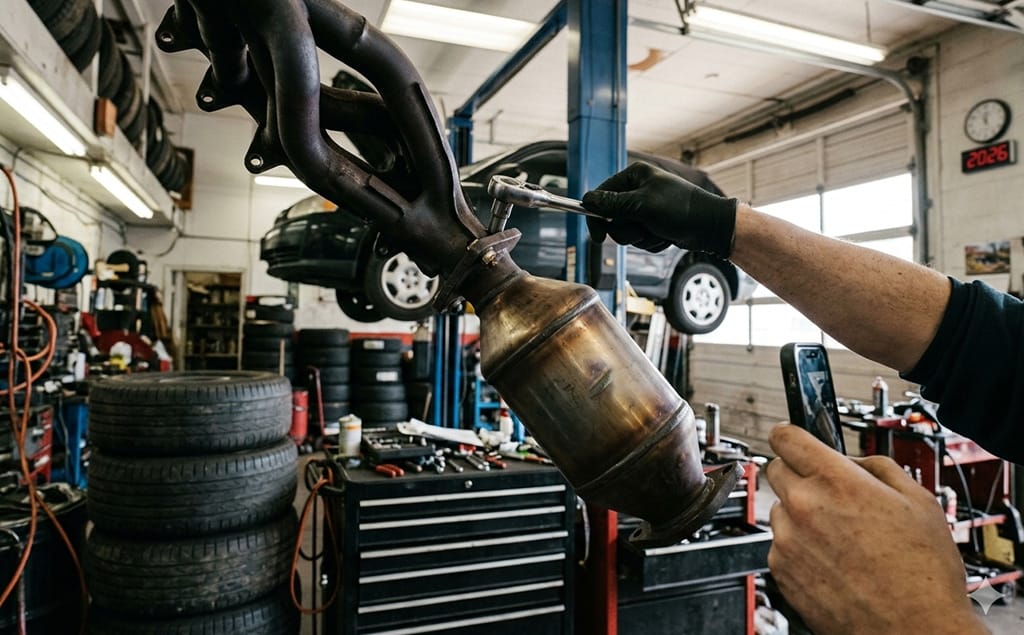
De nombreux véhicules modernes, comme la Mazda 3 ou divers SUV à moteur V6, utilisent des unités « intégrées au collecteur ». Dans cette conception, le constructeur soude le convertisseur catalytique à trois voies directement dans le collecteur d'échappement.
- Le facteur coût : Vous ne pouvez pas simplement remplacer le filtre interne. Vous devez acheter l'ensemble complet, lourd, en fonte ou en acier inoxydable.
- Fourchette de prix : Ces prix varient souvent de 600 $ à 3 000 $.
2. Unités à montage direct vs. unités universelles
Si votre voiture utilise un « tuyau intermédiaire » convertisseur catalytique à trois voies, vous avez deux choix principaux :
- Ajustement direct : Ces unités reprennent exactement la géométrie d'origine. Elles comprennent des brides et des supports de capteurs spécifiques. Vous pouvez souvent les installer vous-même avec des outils de base.
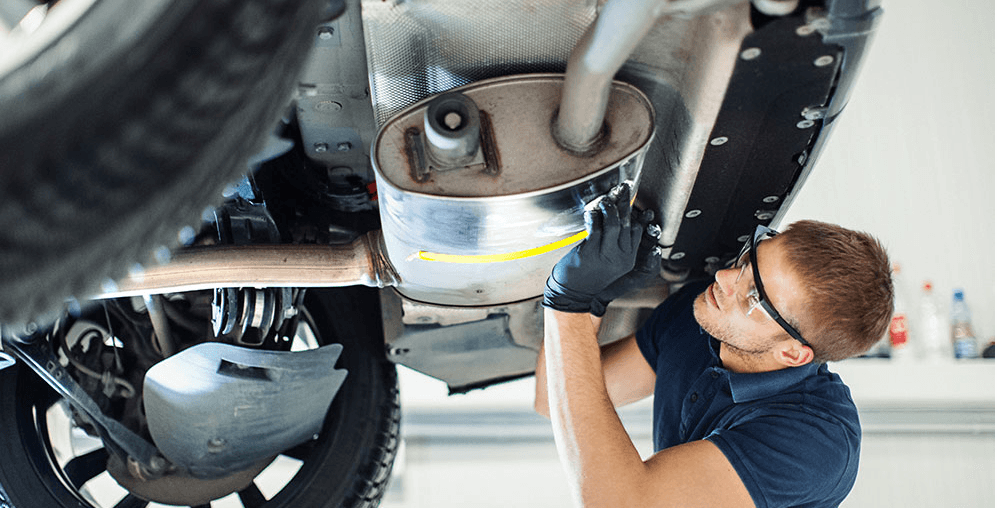
- Universel: Ce sont des silencieux standard. Un atelier spécialisé dans les échappements doit couper vos anciens tuyaux et souder les nouveaux. convertisseur catalytique à trois voies Bien que la pièce soit moins chère, la main-d'œuvre de soudure de haute qualité fait grimper la facture finale.
Réglementations régionales : Explication de la « taxe californienne »
La géographie influence davantage le coût des réparations que la marque de votre voiture. Les États-Unis utilisent deux grandes catégories d'émissions : fédérales (EPA) et la Californie (CARB).
Si vous résidez en Californie, à New York, au Colorado ou dans le Maine, vous devez installer un système conforme aux normes CARB. convertisseur catalytique à trois voiesCes unités nécessitent une charge beaucoup plus importante en métaux précieux. Cela leur permet de conserver leur efficacité pendant plus de 160 000 kilomètres.
- Moyenne des unités fédérales : $400 – $600
- Moyenne des unités CARB : $1,000 – $1,600
| Modèle de véhicule | Norme d'émission | Type de pièce | Coût total estimé (2026) |
|---|---|---|---|
| Toyota Camry SE 2020 | Fédéral (NC, TX) | Ajustement direct | 1 255 $ – 1 795 $ |
| Chevrolet Equinox 2019 | Fédéral (FL, GA) | Ajustement direct | 1 505 $ – 1 840 $ |
| Volkswagen Passat 2021 | CARB (CA, NY) | Unité de collecteur | 2 386 $ – 2 529 $ |
| Ford F-150 Raptor 2018 | Fédéral (AL, TN) | Ensemble double chat | 1 800 $ – 3 474 $ |
| Honda Civic 2015 | Universel | Soudage | 450 $ – 750 $ |
Dépannage : Votre convertisseur est-il réellement défectueux ?
Les mécaniciens font souvent de mauvais diagnostics convertisseur catalytique à trois voies échec. Comme la réparation est très lucrative, certains ateliers négligent les tests préalables. Suivez d'abord ces étapes de diagnostic :
1. Vérifier les capteurs d'oxygène
Les voitures modernes utilisent deux capteurs d'oxygène par convertisseur catalytique à trois voiesUn capteur est placé en amont (avant l'unité) et l'autre en aval (après). L'ordinateur compare les données des deux capteurs. Si le capteur en amont envoie des données erronées, il déclenche un code d'erreur « P0420 ». Le remplacement d'un capteur à 100 $ permet souvent d'éviter le remplacement complet du convertisseur, dont le coût s'élève à 2 000 $.
2. Vérifier l'absence de fuites d'échappement
Même une minuscule fuite au niveau du collecteur peut aspirer de l'air frais. Cet excès d'oxygène perturbe le capteur situé en aval. L'ordinateur en déduit alors que… convertisseur catalytique à trois voies a présenté une défaillance. Vérifiez toujours la présence de traces de suie autour des joints avant d'acheter de nouvelles pièces.
3. Le test de contre-pression
Demandez à votre technicien d'effectuer un test de contre-pression. Il retirera le capteur amont et installera un manomètre. Si la pression dépasse 1,5 PSI à 2 500 tr/min, le convertisseur catalytique à trois voies Il est physiquement obstrué. Si la pression est normale, l'appareil est peut-être simplement « chimiquement usé ». Certains traitements de nettoyage spécialisés peuvent parfois le remettre en état.
Le marché mondial des déchets et la prévention du vol
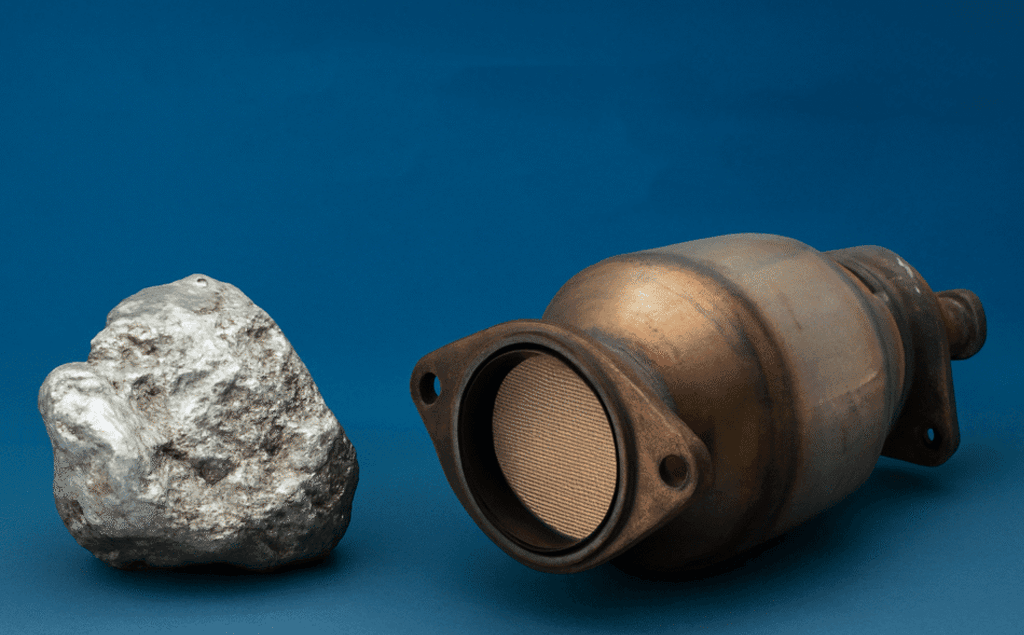
Le convertisseur catalytique à trois voies Il s'agit actuellement de la pièce automobile la plus volée au monde. Cela s'explique par la valeur de récupération des métaux qui la composent.
- Platine: Essentiel pour diverses applications industrielles.
- Palladium: Indispensable pour l'électronique haut de gamme.
- Rhodium: Le plus rare des trois. Historiquement, les prix du rhodium sur le marché ont atteint des sommets allant jusqu'à 20 000 dollars l'once.
Les voleurs peuvent enlever un convertisseur catalytique à trois voies en moins de 60 secondes avec une scie sans fil. Pour protéger votre véhicule, nous vous recommandons de suivre les étapes suivantes :
- Gravez le numéro VIN : Gravez le numéro d'identification de votre véhicule sur la coque métallique.
- Installer un bouclier : Achetez une « cage pour chat » ou une plaque de protection épaisse pour bloquer l'accès.
- Stationnez stratégiquement : Stationnez dans des zones bien éclairées ou près des murs pour limiter l'accès au dessous du véhicule.

Conclusion
Remplacement d'un convertisseur catalytique à trois voies Il s'agit d'un événement financier important. Cependant, la recherche et la persévérance peuvent réduire vos coûts. Commencez par vérifier la panne à l'aide d'un test de contre-pression. Vérifiez si vous avez besoin d'une pièce conforme aux normes CARB ou aux normes fédérales. Si vous conduisez un véhicule ancien, la pièce universelle à souder offre le meilleur rapport qualité-prix. Pour les véhicules plus récents, privilégiez les pièces à montage direct afin de préserver les performances du moteur. Achetez toujours des pièces de qualité et n'hésitez pas à demander un deuxième avis.