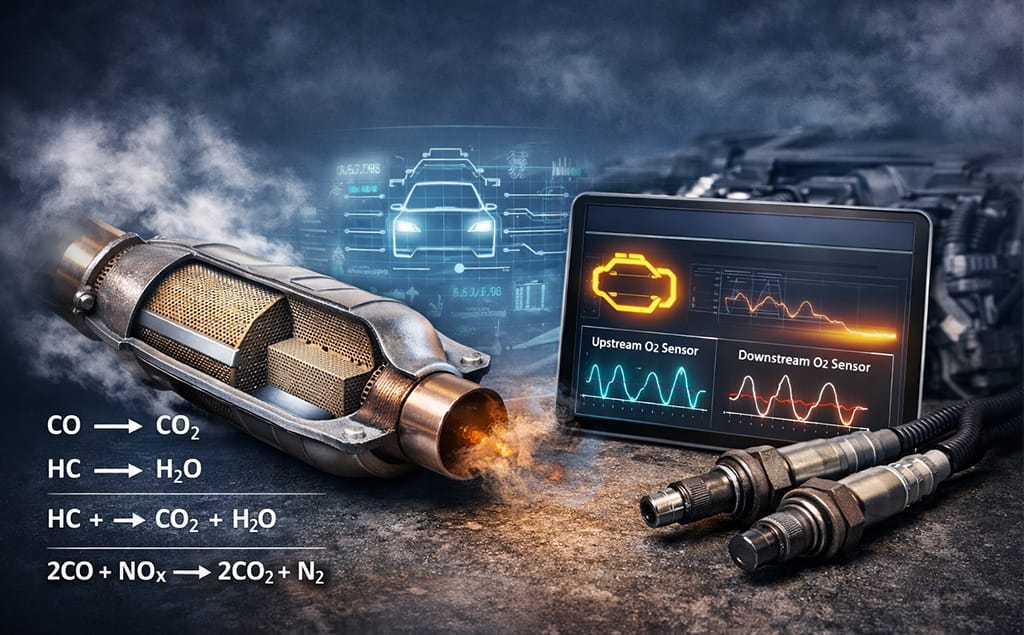
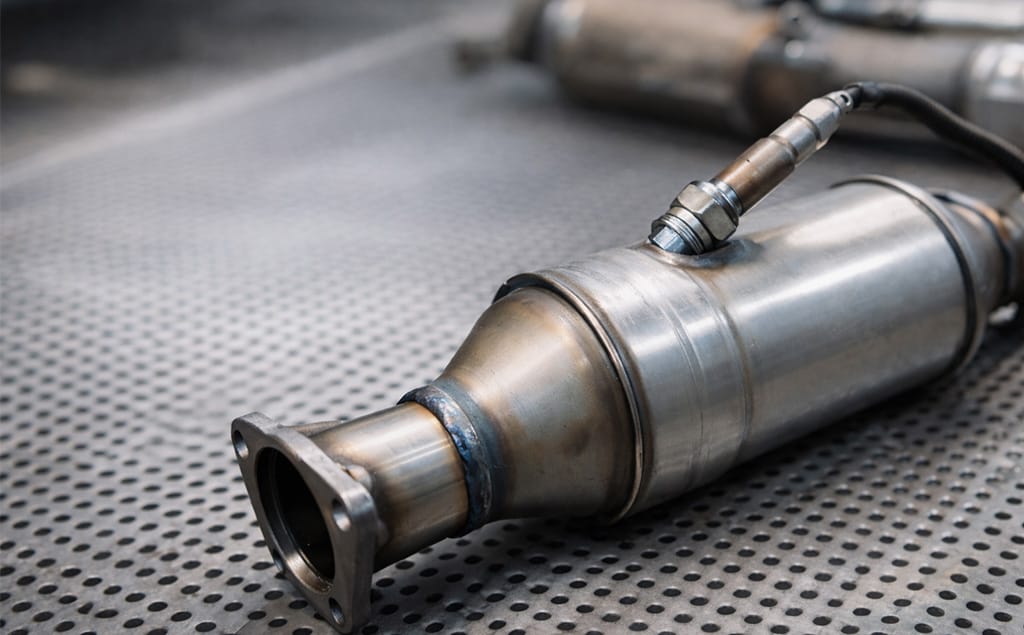
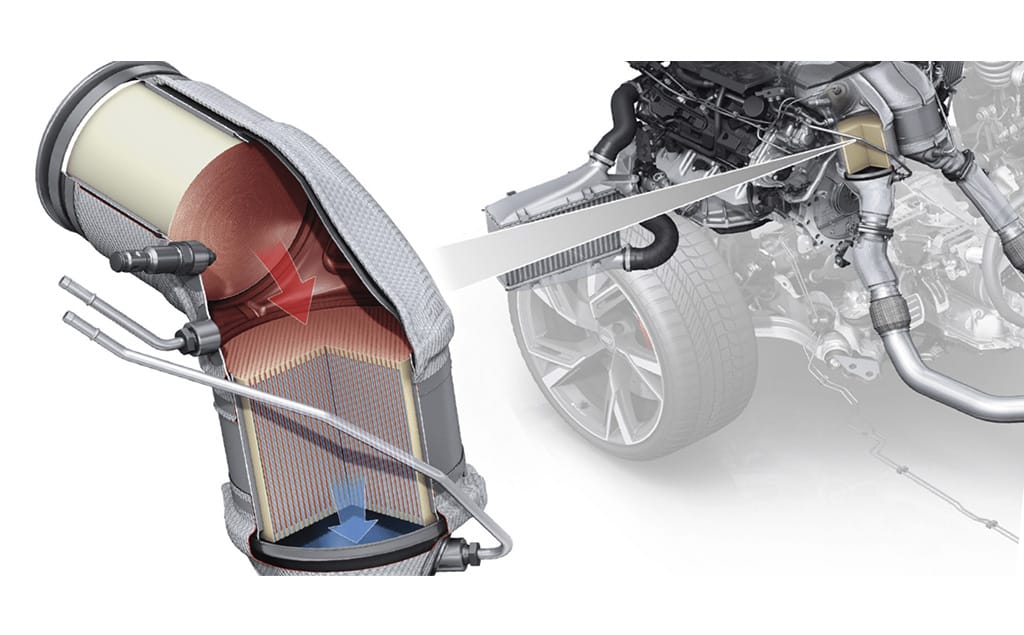
Selecting the right catalytic converter supplier is crucial for ensuring quality, performance, and compliance with emission standards. Whether you’re an automotive manufacturer, workshop, or distributor, partnering with a reliable supplier can make a huge difference in cost efficiency and customer satisfaction. This guide will help you identify what to look for and how to evaluate suppliers effectively.
1. Verify Certification and Compliance
A trustworthy supplier must comply with international emission and manufacturing standards. Check if their products are certified by authorities like EPA (Environmental Protection Agency), CARB (Conseil des ressources atmosphériques de Californie), ou Normes d'émission Euro. Certifications prove that the catalytic converters meet emission control requirements and are legally acceptable in your region.
| Certification Type | Applicable Region | But |
|---|---|---|
| EPA / CARB | USA | Legal compliance and emission control verification |
| Euro IV–VI | Europe / Asia | Compliance with regional emission standards |
| ISO 9001 / TS16949 | Global | Quality management system certification |
2. Evaluate Material Quality
The material used directly impacts the converter’s lifespan and efficiency. Reliable suppliers use acier inoxydable de haute qualité for shells and ceramic or metallic substrates with appropriate cell densities.
| Composant | Recommended Material | Key Benefit |
|---|---|---|
| Shell | Stainless steel / High-nickel alloy | Corrosion resistance and durability |
| Substrate | Ceramic (400–600 CPSI) / Metallic | High flow rate and thermal stability |
| Coating | Platine, Palladium, Rhodium | Effective emission conversion |
3. Ask About Testing and Quality Control
A strong quality assurance system ensures every catalytic converter performs consistently. Reputable suppliers conduct tests like thermal shock resistance, contre-pression, et efficacité de conversion evaluations.
| Type de test | Objective | Typical Result |
|---|---|---|
| Thermal Aging Test | Check heat endurance | Withstands 900°C cycles |
| Flow Rate / Backpressure | Evaluate exhaust flow efficiency | Optimal pressure balance |
| Efficacité de conversion | Measure pollutant reduction rate | 90–98% efficiency |
4. Check Production Capabilities and Capacity
A supplier’s production scale indicates their reliability in handling large or urgent orders. Visit their factory if possible or request a virtual tour.
| Facteur | Indicator of Reliability |
|---|---|
| Manufacturing Facilities | Automated lines, robotic welding |
| Monthly Output | Stable production volume |
| Inspection | 100% in-process quality check |
5. Consider R&D and Innovation
Leading suppliers invest in research and development (R&D) to keep up with changing emission regulations and vehicle technologies.
| Evaluation Point | Why It Matters |
|---|---|
| Emission Standard Updates | Ensures compatibility with future Euro 7 / EPA Tier 3 laws |
| Design Customization | Matches different vehicle specifications |
| Innovation Frequency | Reflects ongoing technological improvement |
6. Review After-Sales Support and Warranty
Excellent after-sales service is a sign of confidence in product quality.
| Support Element | Ideal Practice |
|---|---|
| Garantie | 12–24 months coverage |
| Assistance technique | Available via call or online consultation |
| Claim Handling | Fast and transparent response time |
7. Compare Pricing and Delivery Time
Price should never be your only factor—but it still matters. Balance cost with quality, warranty, and compliance.
| Aspect | Good Standard |
|---|---|
| Prix | Competitive and transparent |
| Délai de mise en œuvre | 3–15 days typical |
| Conditionnement | Secure and export-compliant |
Final Thoughts
Choosing the right catalytic converter supplier involves more than finding the lowest price—it’s about reliability, quality, and long-term partnership. Focus on certifications, materials, quality testing, R&D capacity, and after-sales service. With the right supplier, you’ll reduce warranty issues, enhance brand reputation, and ensure compliance with evolving emission regulations.