Introduzione
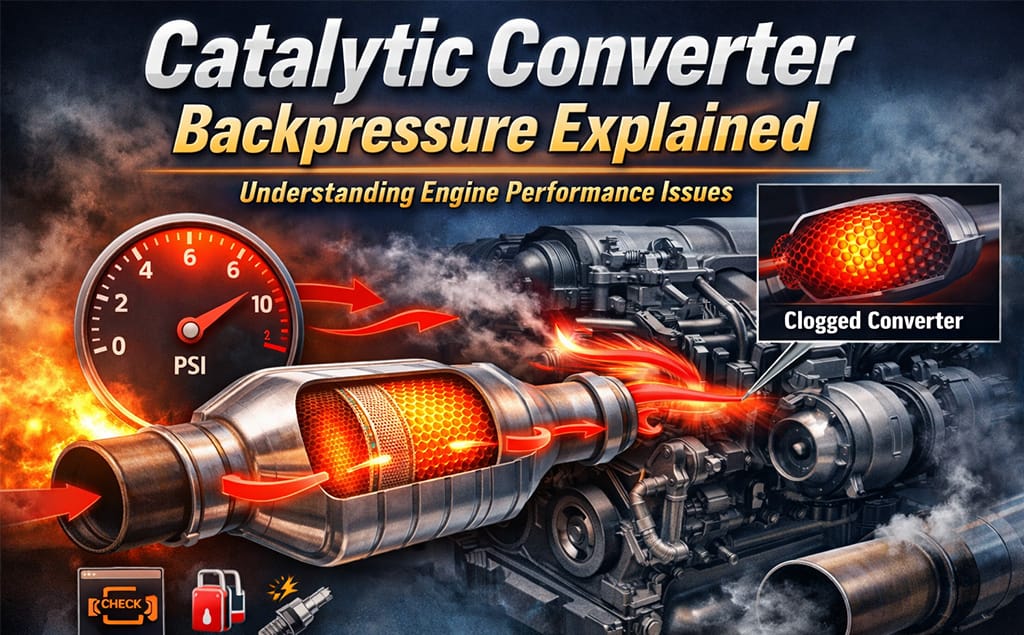
IL convertitore catalitico a tre vie serves as a vital gatekeeper in a vehicle’s exhaust system. It balances the need for environmental protection with the requirements of engine performance. However, this component can create a physical bottleneck known as backpressure. Backpressure represents the resistance that exhaust gases encounter as they exit the combustion chamber. While engineers design exhaust systems to handle specific pressure levels, excessive resistance can cripple an engine. This article explores the science of backpressure within the convertitore catalitico a tre vie. We will examine why it occurs, how it affects your vehicle, and how to diagnose issues before they lead to expensive repairs.
The Physics of Exhaust Gas Flow
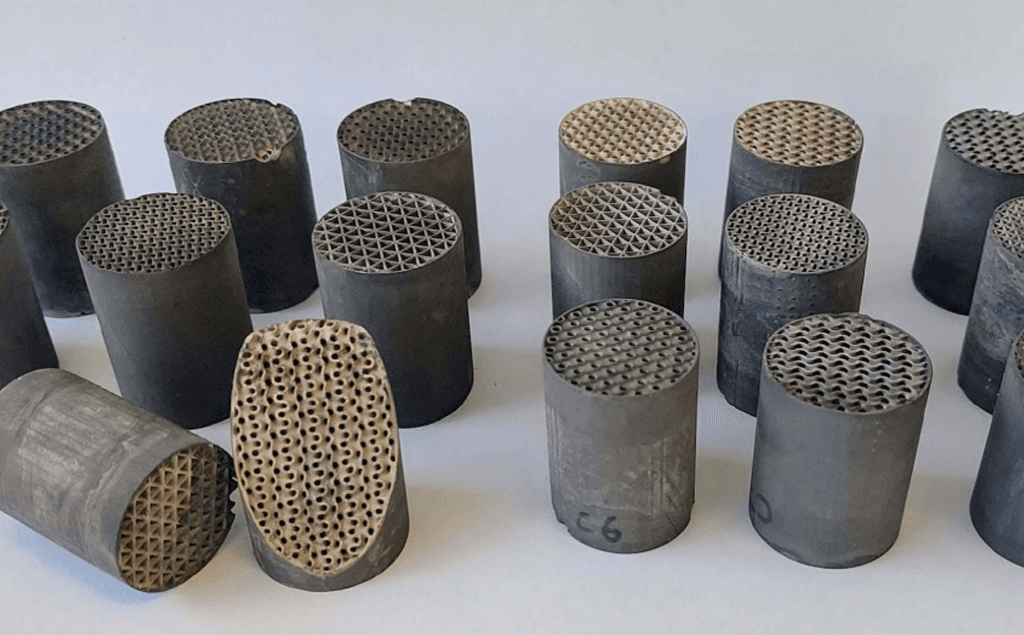
Internal combustion engines function like large air pumps. They draw in air, mix it with fuel, ignite it, and expel the waste. The exhaust stroke must push these waste gases through several feet of piping and filtration media. The convertitore catalitico a tre vie contains a dense ceramic or metallic honeycomb structure. This structure provides a massive surface area for chemical reactions.
However, this surface area also creates friction. Friction slows down the gas. This slowing creates a pressure gradient. Engineers call this “backpressure.” A small amount of backpressure actually assists the engine. It helps manage the scavenging process in the cylinders. It also provides the necessary energy to spin turbocharger turbines. When backpressure exceeds factory specifications, the engine must fight against its own waste.
How a Three Way Catalytic Converter Functions
IL convertitore catalitico a tre vie performs three simultaneous tasks. First, it reduces nitrogen oxides (NOx) into nitrogen and oxygen. Second, it oxidizes carbon monoxide (CO) into carbon dioxide. Third, it oxidizes unburnt hydrocarbons (HC) into carbon dioxide and water. To achieve these results, the device uses precious metals like platinum, palladium, and rhodium.
The exhaust gases must pass through thousands of tiny channels coated with these metals. If these channels remain clear, the gas flows efficiently. If the channels become restricted, the convertitore catalitico a tre vie becomes a wall. This restriction forces the pistons to work harder during the exhaust stroke. This parasitic loss drains power from the crankshaft.

Identifying Excessive Backpressure Symptoms
Drivers often notice performance changes when a convertitore catalitico a tre vie begins to fail. You should monitor your vehicle for the following signs.
1. Diminished Engine Power The most common symptom is a “sluggish” feeling. You press the accelerator, but the car responds slowly. High backpressure prevents the engine from “breathing” out. If the engine cannot expel old exhaust, it cannot draw in a full charge of fresh air and fuel.
2. Drastic Decline in Fuel Economy A restricted convertitore catalitico a tre vie forces the engine to burn more fuel to maintain speed. The ECU (Engine Control Unit) often tries to compensate for the lack of air by adjusting fuel trims. This inefficiency leads to frequent trips to the gas pump.
3. Persistent Engine Misfires Excessive heat and pressure in the exhaust manifold can cause gases to back up into the combustion chamber. This contaminates the new air-fuel mixture. The result is an incomplete burn, leading to a misfire.
4. Audible Abnormalities Listen for unusual sounds. A rattling noise often indicates that the internal ceramic substrate has shattered. A hissing sound suggests that exhaust gases are escaping through a leak or a gasket because the convertitore catalitico a tre vie is too restricted to let them through.
5. The Check Engine Light (CEL) Modern vehicles use oxygen sensors to monitor the convertitore catalitico a tre vie. If the converter’s efficiency drops or the flow rate changes, the computer triggers a P0420 or P0430 code.
The Role of Noble Metals in Flow Dynamics
The efficiency of the convertitore catalitico a tre vie relies heavily on the distribution of noble metals. Manufacturers apply these metals to the “washcoat.” A healthy washcoat facilitates rapid chemical transitions. However, if the engine runs “rich” (too much fuel), the excess fuel burns inside the converter. This raises the internal temperature beyond 1,200 degrees Celsius.
Such extreme heat can melt the ceramic substrate. Once the substrate melts, it fuses into a solid block. This creates an immediate and severe backpressure spike. High-quality convertitori catalitici a tre vie use thermal-resistant materials to prevent this catastrophic failure.
Data Comparison: Backpressure Thresholds
To diagnose a blockage, technicians use a pressure gauge. They usually remove the upstream oxygen sensor and insert a tester. The following table illustrates typical pressure readings for a healthy engine versus one with a failing convertitore catalitico a tre vie.
| Engine State | Normal Pressure (PSI) | Failing Pressure (PSI) | Action Required |
|---|---|---|---|
| Idle (approx. 800 RPM) | < 1.0 PSI | > 2.0 PSI | Inspect for soot buildup |
| Mid-Range (2500 RPM) | < 2.5 PSI | > 4.5 PSI | Check for substrate melting |
| High Load (WOT) | < 5.0 PSI | > 10.0 PSI | Immediate replacement |
Primary Causes of Three Way Catalytic Converter Blockage
Understanding why a converter clogs is essential for prevention. Several factors contribute to increased backpressure.
- Carbon Buildup: Incomplete combustion leaves soot. This soot coats the honeycomb and narrows the passages.
- Oil Contamination: Leaking valve seals or piston rings allow oil into the exhaust. The oil coats the catalyst, preventing chemical reactions and trapping debris.
- Coolant Leaks: A blown head gasket allows antifreeze into the exhaust stream. Antifreeze destroys the precious metal coating and physically blocks the channels.
- Danni strutturali: Impacts from road debris can dent the converter shell. This crushes the internal honeycomb and creates a physical obstruction.
Technical Analysis: Scavenging and Backpressure
In a high-performance setting, scavenging is vital. Scavenging uses the momentum of exiting exhaust pulses to pull the next charge of air into the cylinder. A perfectly tuned convertitore catalitico a tre vie maintains just enough backpressure to facilitate this pulse tuning.
However, when backpressure rises, the “pulse” reflects back toward the engine. This “reversion” pushes exhaust gas back into the intake manifold. This dilutes the oxygen content of the incoming air. For turbocharged engines, this is even more critical. High backpressure increases the “pumping work” of the engine, which significantly raises the temperature of the turbocharger bearings.
Comprehensive Maintenance Strategies
Puoi prolungare la vita del tuo convertitore catalitico a tre vie with proactive care. Follow these steps to ensure optimal exhaust flow.
Use High-Quality Fuel Low-quality fuels often contain contaminants that “poison” the catalyst. Use fuels with top-tier detergent additives. These additives keep the combustion chamber clean and reduce soot production.
Monitor Engine Health Do not ignore a misfire. A single misfiring cylinder can dump raw fuel into the exhaust. This fuel ignites within the convertitore catalitico a tre vie, causing it to overheat and melt. Address spark plug and ignition coil issues immediately.
Perform Periodic Emissions Tests An emissions test provides a window into the health of your converter. High CO or HC readings suggest that the convertitore catalitico a tre vie is losing its chemical potency, even if it isn’t fully clogged yet.
Professional Installation vs. DIY
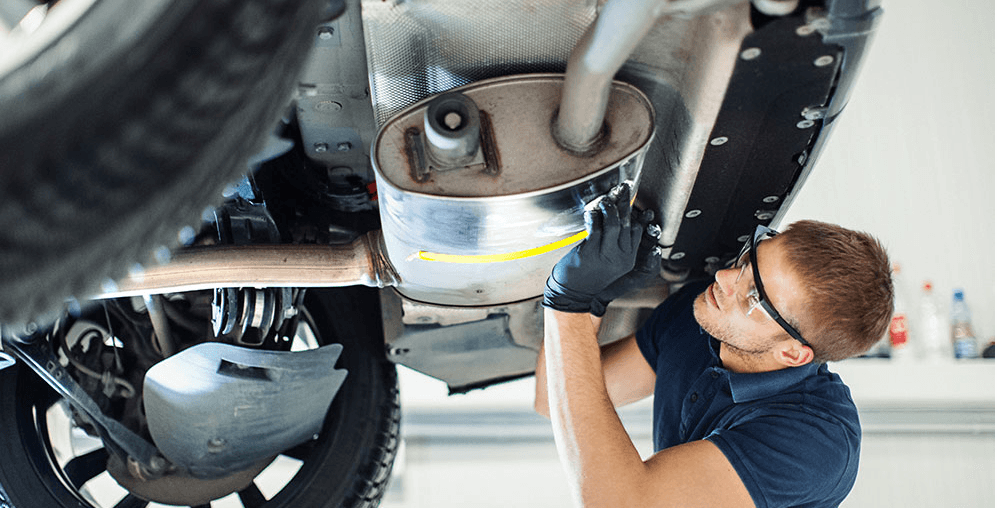
Sostituzione di un convertitore catalitico a tre vie requires specific tools. You must use a jack and jack stands to secure the vehicle. You will likely need a penetrating lubricant to loosen rusted bolts. Some systems require welding, while others are “bolt-on.”
We recommend professional installation for several reasons. First, professionals can verify that the new unit meets local EPA or Euro standards. Second, they can identify the “root cause” of the failure. If you replace a clogged converter without fixing an oil leak, the new unit will clog within months.
Global Emission Standards and Compliance
Regulatory bodies like the EPA (United States) and the European Union set strict limits on tailpipe emissions. The convertitore catalitico a tre vie is the primary tool for meeting these standards. Using a non-compliant or “universal” converter that does not match your engine’s displacement can trigger a check engine light. It can also cause the vehicle to fail annual inspections. Always choose a converter that carries the appropriate certification for your specific region.
The Economic Impact of Catalytic Converters
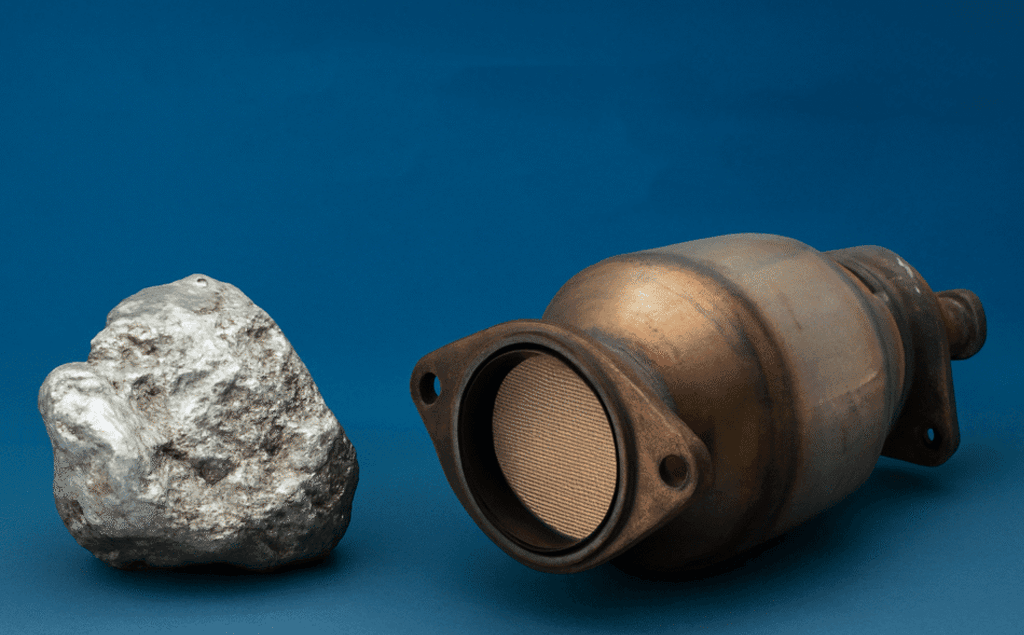
The price of a convertitore catalitico a tre vie Il prezzo varia in base al mercato dei metalli preziosi. Il rodio è particolarmente costoso. Questo rende i convertitori catalitici un bersaglio per i furti. Quando si acquista un ricambio, assicurarsi di acquistare da un fornitore affidabile come Catman. I fornitori affidabili forniscono prodotti tracciabili che soddisfano le specifiche OEM. Offrono anche garanzie che proteggono il vostro investimento.
Analisi comparativa: convertitore catalitico a tre vie vs. DPF
Mentre i motori a benzina utilizzano un convertitore catalitico a tre vieI motori diesel utilizzano un filtro antiparticolato diesel (DPF). La tabella seguente confronta le loro caratteristiche in termini di contropressione.
| Caratteristica | Convertitore catalitico a tre vie (TWC) | Filtro antiparticolato diesel (DPF) |
|---|---|---|
| Tipo di carburante | Benzina | Diesel |
| Obiettivo primario | Conversione del gas (NOx, CO, HC) | Cattura del particolato (fuliggine) |
| Sensibilità alla contropressione | Moderare | Alto |
| Metodo di pulizia | Reazione chimica (passiva) | Rigenerazione (combustione attiva) |
| Durata tipica della vita | oltre 100.000 miglia | Oltre 150.000 miglia (con cura) |
Benefici ambientali del ripristino del flusso
A healthy convertitore catalitico a tre vie Non si limita a ripristinare la potenza. Riduce significativamente l'impatto ambientale del veicolo. Riducendo la contropressione, il motore funziona alla massima efficienza termica. Questo riduce il volume totale di CO2 emesso per miglio. Inoltre, la riduzione attiva degli NOx previene la formazione di ozono troposferico e smog.
Innovazioni future nella tecnologia dei catalizzatori
L'industria automobilistica continua a evolversi. I ricercatori stanno sviluppando "Catalizzatori Close-Coupled". Gli ingegneri posizionano queste unità direttamente accanto al collettore di scarico. Ciò consente convertitore catalitico a tre vie per raggiungere più rapidamente la temperatura di esercizio. Tempi di accensione più rapidi riducono le emissioni in fase di avviamento a freddo. Inoltre, i nuovi substrati con pareti più sottili consentono una maggiore densità cellulare senza aumentare la contropressione. Ciò fornisce una maggiore superficie per la pulizia dell'aria, mantenendo al contempo un'elevata portata.
Risoluzione dei problemi del sistema di scarico
Se si sospettano problemi di contropressione, eseguire un controllo sistematico.
- Ispezione visiva: Controllare che il guscio del convertitore non presenti ammaccature o scolorimenti. Tinte blu o viola indicano un surriscaldamento eccessivo.
- Prova del vuoto: Collegare un vacuometro al collettore di aspirazione. A 2.500 giri/min, il vuoto dovrebbe rimanere stabile. Se il vuoto diminuisce lentamente, significa che c'è una strozzatura nello scarico.
- Test della temperatura: Utilizzare un termometro a infrarossi. Misurare la temperatura all'ingresso e all'uscita del convertitore catalitico a tre vieL'uscita dovrebbe essere più calda dell'ingresso (solitamente del 10-15%). Se l'ingresso è più caldo, è probabile che il convertitore sia intasato o inattivo.
Perché scegliere Catman per le tue soluzioni di scarico?
In Catman siamo specializzati in componenti di scarico ad alte prestazioni. Sappiamo che un convertitore catalitico a tre vie Deve garantire un perfetto equilibrio tra filtrazione e portata. I nostri prodotti vengono sottoposti a rigorosi test per garantire che superino gli standard di settore. Offriamo una garanzia di 12 mesi sui nostri convertitori, per offrirti la massima tranquillità. La nostra rete di distribuzione globale ti garantisce la ricezione rapida dei ricambi di cui hai bisogno, riducendo i tempi di fermo del veicolo.
Conclusione
La contropressione è una parte naturale della dinamica dello scarico, ma una restrizione eccessiva è il nemico del motore. convertitore catalitico a tre vie Svolge un duplice ruolo: protegge l'ambiente e regola il flusso di scarico. Riconoscendo i sintomi di un'elevata contropressione, come perdita di potenza, scarso consumo di carburante e mancate accensioni del motore, è possibile intervenire prima che si verifichino danni gravi. Una manutenzione regolare e l'utilizzo di componenti di alta qualità da fornitori affidabili come Catman manterranno il veicolo efficiente. La conoscenza di questi sistemi garantisce che il motore respiri facilmente, funzioni meglio e rimanga conforme alle moderne normative sulle emissioni.