Is your car acting strange? A failing catalytic converter might be the culprit. This guide will help you diagnose the issue, understand the causes, and know your options for repair. Don’t let a faulty converter leave you stranded—learn the signs and what to do next to protect your vehicle and the environment.
How to Spot Trouble in Your Exhaust System
А каталитикалық түрлендіргіш зиянды шығарындыларды азайтуға арналған көліктің газ шығару жүйесінің маңызды құрамдас бөлігі болып табылады. Бұл маңызды құрамдас сәтсіздікке ұшырай бастағанда, ол драйверді ақаулық туралы ескертетін бірқатар елеулі белгілерді тудыруы мүмкін. Бұл белгілерді ерте тану көлік құралының өнімділігін сақтау және автомобиль жүйесінің басқа бөліктеріне аса ауыр зақым келтірмеу үшін өте маңызды. Қате жұмыс істемейтін каталитикалық түрлендіргіш мәселелердің тізбекті реакциясын тудыруы мүмкін, сондықтан ескерту белгілерін түсіну шешімнің алғашқы қадамы болып табылады.
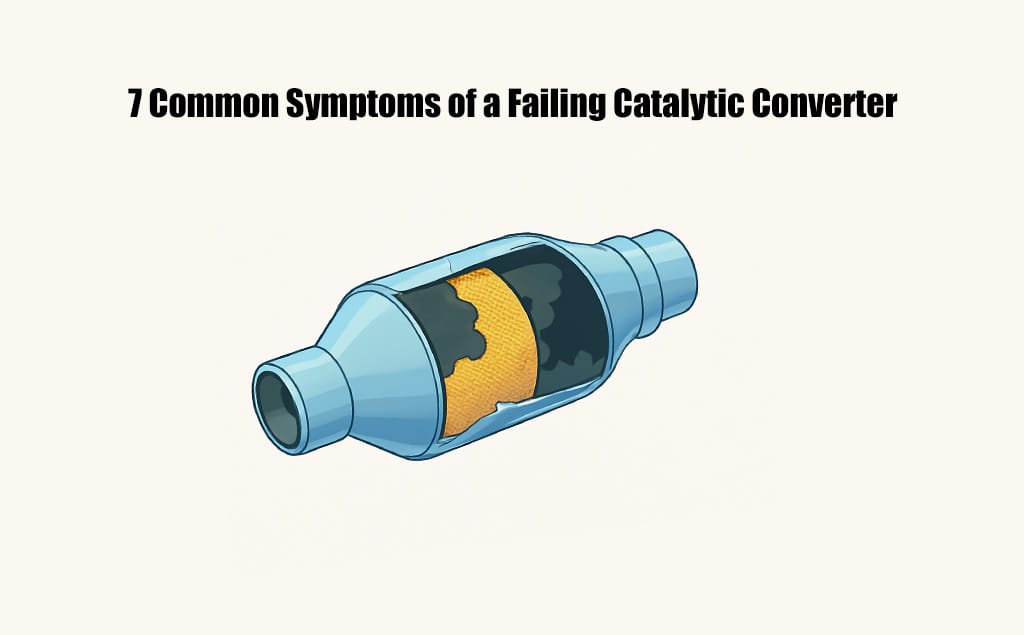
One of the most obvious signs is a dramatic change in how your vehicle sounds. The catalytic converter is a part of the exhaust system, and when it fails, it can become loose or clogged, leading to a loud, rattling noise, especially when the car is idling. This noise is often the result of the internal ceramic honeycomb structure breaking apart. Furthermore, a failing catalytic converter can restrict the flow of exhaust gases, leading to a significant loss of power and poor acceleration. This can make the car feel sluggish and unresponsive, particularly when trying to merge onto a highway or accelerate uphill.
1.Check Engine Light & P0420 Code
The most common and definitive sign of a problem with your catalytic converter is the illumination of the “check engine” light on your dashboard. This light is an indicator that the vehicle’s onboard diagnostic system has detected an issue with one of its many sensors, and a failing converter is a frequent cause. When a mechanic or an automotive enthusiast uses an OBD-II scanner, a specific code, such as P0420, often points directly to a catalytic converter that is operating below its efficiency threshold. The oxygen sensor upstream and downstream of the converter measures the oxygen content in the exhaust gases, and if the converter isn’t performing its chemical reaction properly, these readings will be out of sync, triggering the code.
The check engine light should never be ignored. While it can be triggered by a wide range of issues, from a loose gas cap to a misfiring cylinder, a P0420 code specifically means the vehicle’s computer has determined that the catalytic converter’s function is compromised. Ignoring this warning can lead to further damage to the engine, as the blocked exhaust system can cause a buildup of pressure and heat. It’s a clear signal that the converter is no longer effectively converting toxic gases into less harmful substances.
2.Loud Exhaust Noise or Loss of Power
A loud exhaust noise is often a telltale sign that your catalytic converter is breaking down internally. As the precious metals—platinum, palladium, and rhodium—coated on the ceramic substrate begin to break down, pieces of the internal matrix can become loose. This creates a rattling sound, particularly at idle or when the car is revved. A less common, but equally serious, symptom is a sudden loss of power. When the catalytic converter becomes clogged, it restricts the flow of hot exhaust gases from the engine. This back pressure can choke the engine, leading to reduced performance, poor acceleration, and a feeling that the car is struggling to breathe.
The loss of power is a direct result of the engine’s inability to expel its exhaust gases efficiently. The internal combustion engines need a clear path for exhaust, and a blocked catalytic converter acts like a cork in a bottle. This not only robs the car of horsepower and torque but can also cause the engine to overheat. The reduced ability to get rid of the carbon monoxide and hydrocarbons in the exhaust gases is a clear sign that the catalyst is no longer working.
3.Drop in Fuel Efficiency / Smell Issues
A noticeable drop in fuel efficiency is another strong indicator of a failing catalytic converter. When the converter is clogged or not functioning correctly, the engine has to work harder to expel exhaust gases. This increased workload directly translates to a decrease in fuel economy. You may find yourself filling up at the gas station more frequently, even if your driving habits haven’t changed. This is often an early sign that the catalyst is starting to fail, and the vehicle’s efficiency is being compromised.
In addition to poor fuel economy, a failing catalytic converter can also produce a distinct, unpleasant odor. The three-way catalytic converter works by converting harmful gases like nitrogen oxide, carbon monoxide, and unburned hydrocarbons into less harmful substances like nitrogen, oxygen, carbon dioxide, and water vapor. When this chemical reaction isn’t happening effectively, you might smell a sulfuric odor, often described as a “rotten egg” smell. This is due to unburnt sulfur in the exhaust gases, which the converter is no longer able to process.
Causes Behind Failure
Understanding why a catalytic converter fails is key to preventing future problems. A catalytic converter is a durable component, but it’s not indestructible. The failure of this complex piece of the exhaust system is often a symptom of another underlying issue with the vehicle. The delicate balance of heat, chemicals, and mechanical integrity must be maintained for the catalyst to function properly. Damage to the catalytic converter can be caused by external factors, but more often it is due to a problem with the vehicle’s engine or fuel system.
The most common reasons for a converter to fail include engine misfires, a faulty oxygen sensor, or a rich air-fuel mixture that causes it to overheat. These problems can introduce unburned fuel or other contaminants into the converter, leading to its destruction. A catalyst is a highly sensitive device, and the introduction of foreign substances can render it useless. The metals inside the converter, such as platinum, palladium, and rhodium, are the key to its function, and any damage to these components will diminish its ability to reduce emissions.
1.Thermal Shock & Sintering of Catalysts
One of the most common causes of catalytic converter failure is extreme heat, which can lead to thermal shock or sintering. Thermal shock occurs when a very hot catalytic converter comes into contact with cold water, such as driving through a puddle. The rapid change in temperature can cause the delicate ceramic honeycomb structure inside to crack or break apart. Sintering is a process where prolonged exposure to excessively high temperatures causes the small particles of the precious metals to clump together. This reduces the surface area available for the chemical reaction to take place, severely diminishing the converter’s effectiveness and its ability to reduce exhaust emissions.
This kind of damage is often the result of an engine issue, like a misfire that sends unburned fuel into the exhaust system. This fuel then ignites inside the catalytic converter, causing the temperature to skyrocket well beyond its operating range. The three-way catalytic converter is designed to handle a certain amount of heat, but these extreme conditions can cause irreversible damage. The result is a converter that can no longer perform its function of converting carbon monoxide to carbon dioxide and hydrocarbons to water.
2.Contamination & Poisoning (e.g. sulfur)
Contamination, or “poisoning,” is another major cause of catalytic converter failure. The precious metals inside the converter can be coated and rendered inactive by various contaminants found in the exhaust. For example, a “rotten egg” smell often indicates a high sulfur content in the exhaust gases, which can form a layer on the catalyst, blocking its ability to function. Other contaminants, such as lead from leaded gasoline or silicone from a leaking head gasket, can also coat the catalyst and make it ineffective.
This type of damage is particularly problematic because it’s a slow process that often goes unnoticed until the converter is completely poisoned. The catalytic converter is an essential part of the vehicle’s emissions control system, and when it is poisoned, it can no longer perform the necessary chemical reactions that transform harmful exhaust gases into less harmful substances. This not only leads to a check engine light but also means the vehicle is no longer meeting federal emission standards.
3.Physical Damage or Blockages
Physical damage or blockages are also significant threats to a catalytic converter’s health. The converter is located underneath the vehicle, making it vulnerable to impacts from road debris or speed bumps. A hard hit can crack the housing or break the internal ceramic matrix, leading to the rattling noises and reduced performance mentioned earlier. Blockages are also common, especially in older cars. A build-up of carbon deposits or oil can clog the honeycomb structure, restricting the flow of hot exhaust gases and causing a loss of power.
A clogged catalytic converter is a serious issue that needs immediate attention. The reduced flow of exhaust can cause back pressure, which can damage the engine. A physical blockage can be caused by a variety of issues, including a rich fuel mixture or a malfunctioning oxygen sensor. The function of a catalytic converter is to provide a clean path for the exhaust to exit the vehicle, and when that path is blocked, it can cause a host of performance issues and further damage to the exhaust system.
Immediate Actions for Businesses
For businesses with a fleet of vehicles, a failing catalytic converter is more than just a nuisance; it’s a financial and operational problem. Timely and correct diagnosis and repair are essential to minimize downtime and avoid costly repairs. A malfunctioning catalytic converter can cause a vehicle to fail emissions tests, which can lead to fines and a vehicle being taken out of service. Having a clear plan of action for when a catalytic converter fails is a critical part of fleet management.
When a check engine light comes on, it’s important to have a protocol for diagnostics. This should involve a professional mechanic who can use diagnostic tools to accurately determine the cause. The decision to replace or clean the converter is also an important one, as it can significantly impact costs. Finally, businesses must consider the source of their replacement parts, as there are significant differences between OEM and aftermarket solutions.
1.Diagnostic Workflow & Test Methods
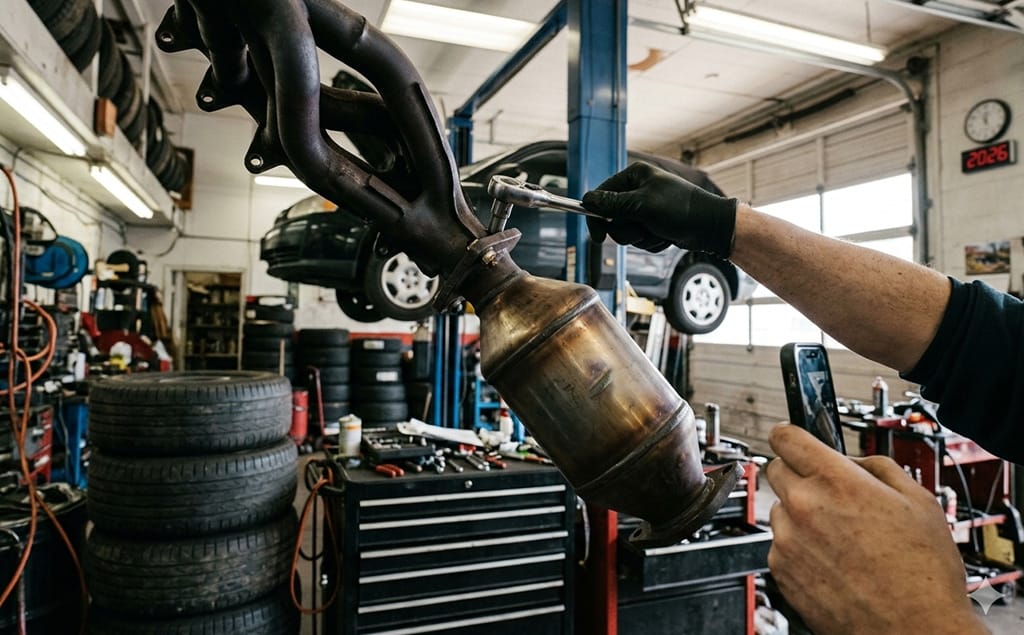
The first step in addressing a potential catalytic converter issue is a thorough diagnostic workflow. This should start with a scan of the vehicle’s onboard computer for diagnostic trouble codes. A P0420 code is a strong indicator of a converter issue. However, a good technician won’t stop there. They will also perform a visual inspection of the converter and the exhaust system for any signs of physical damage. A back pressure test is another effective method to check for a clogged converter. This involves installing a pressure gauge into the oxygen sensor port to measure the pressure of the exhaust gases. High pressure is a clear sign of a blockage.
This comprehensive approach is vital because the symptoms of a failing catalytic converter can often be confused with other issues. For example, a misfiring engine can cause a loss of power and a drop in fuel efficiency, but the root cause is a bad spark plug, not the converter itself. The diagnostic workflow ensures that the real problem is identified and corrected, preventing unnecessary repairs and costs.
2.When to Replace vs Clean
The decision to replace or clean a catalytic converter depends on the nature and severity of the problem. If the converter is physically damaged, melted, or has a complete blockage, replacement is the only option. However, if the converter is suffering from a partial blockage or contamination from carbon deposits, a professional cleaning might be a viable solution. There are specialized cleaning services and chemical agents designed to dissolve these deposits and restore some of the converter’s function.
While cleaning can be a cost-effective alternative in some cases, it’s not a permanent fix. The underlying problem that caused the blockage or contamination must be addressed. If the engine is still running rich or a sensor is faulty, the converter will likely become clogged again. Replacement is a more permanent solution, and it is often the only way to ensure the vehicle meets emissions requirements.
3.OEM vs Aftermarket Service Solutions
When it comes to replacing a catalytic converter, businesses have two main options: OEM (Original Equipment Manufacturer) parts or aftermarket solutions. OEM catalytic converters are identical to the one that came with the car from the factory. They are built to the exact specifications of the automaker and are guaranteed to meet emissions requirements. However, they are typically the more expensive option.
Aftermarket catalytic converters are a more affordable alternative. They come in two main types: universal and direct-fit. Universal converters are cheaper but require welding and modifications to fit, which can be a time-consuming process. Direct-fit aftermarket converters are designed to bolt directly into the vehicle’s exhaust system, making them a good compromise between price and ease of installation. It’s important to note that not all aftermarket converters are created equal; some may not be as effective or long-lasting as OEM parts. For businesses, the choice between OEM and aftermarket often comes down to balancing cost with the need for reliability and compliance with emission standards.
Protecting Your Vehicle’s Catalytic Converter
Prevent Catalytic Converter Theft
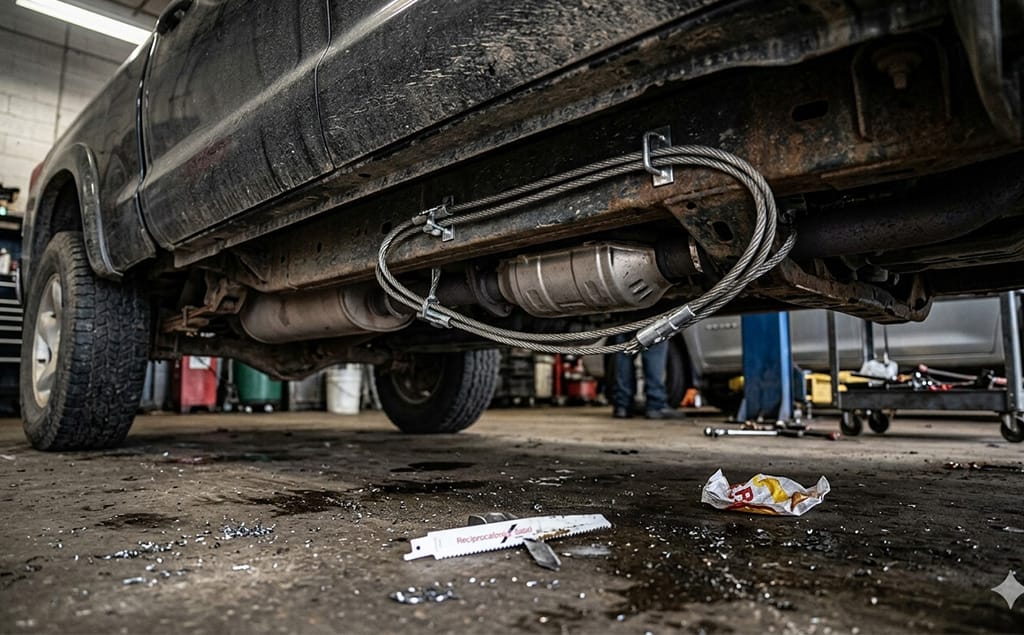
Due to the valuable асыл металдар (such as родий, платина, және палладий) inside the converter, theft is a growing concern. To protect your vehicle, consider installing a catalytic converter shield or using a lock. Marking your converter with a unique identifier, such as your vehicle’s VIN, can deter thieves as well.
Bullet Point Summary:
- Check Engine Light: A P0420 code is the most definitive sign of a failing catalytic converter.
- Performance Issues: Қуатты жоғалтуды, нашар жылдамдықты және отын тиімділігінің төмендеуін іздеңіз.
- Біртүрлі дыбыстар мен иістер: Шырылдаған дыбыс немесе «шіріген жұмыртқа» иісі негізгі көрсеткіштер болып табылады.
- Негізгі диагноз: Мәселені растау үшін кәсіби диагностикалық құралдарды және кері қысым сынақтарын пайдаланыңыз.
- Тазалау немесе ауыстыру: Тазалау - кейбір мәселелер үшін опция, бірақ ауыстыру көбінесе тұрақты шешім болып табылады.
- OEM және кейінгі нарық: Қымбат, сенімді OEM бөлшектері мен арзанырақ, бірақ тиімділігі төмен, нарықтан кейінгі түрлендіргіштерді таңдаңыз.