Introduction: The “Hidden Treasure” in Old Catalytic Converters
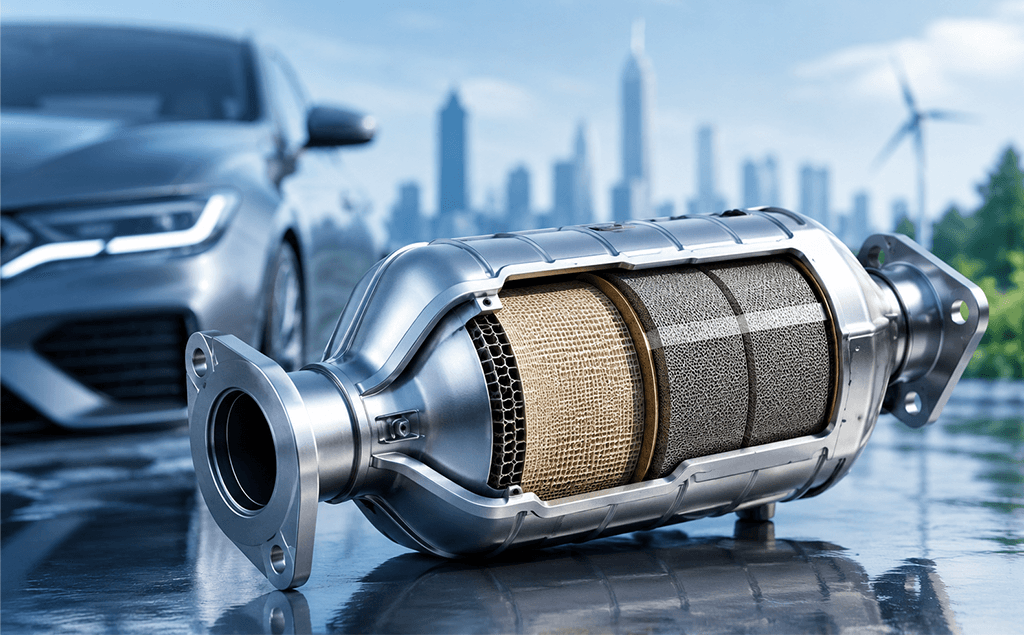
Catalytic converters, long recognized as essential components of modern vehicles, are much more than emission control devices—they are veritable repositories of valuable metals. Embedded within their ceramic or metallic substrates are precious metals such as Platinum (Pt), Palladium (Pd), and Rhodium (Rh), which are crucial for reducing harmful exhaust emissions including carbon monoxide (CO), hydrocarbons (HC), and nitrogen oxides (NOx).
As global environmental regulations tighten, particularly in regions governed by Euro 6, China VI, and similar standards, the demand for these metals has surged. This has spurred the growth of the catalytic converter recycling industry, transforming automotive waste into economically valuable and environmentally sustainable resources. Recovering these metals not only alleviates supply pressure but also contributes to a circular economy that supports sustainable automotive manufacturing.
Why Platinum, Palladium, and Rhodium Are So Valuable
The three precious metals in catalytic converters each have unique properties and functions:
Платина (Pt)
Platinum is highly resistant to corrosion and oxidation, making it ideal for long-lasting catalytic converters. It excels in oxidation reactions, converting CO and hydrocarbons into harmless carbon dioxide and water. Due to its wide industrial applications—including jewelry, chemical catalysts, and electronics—platinum’s global demand consistently remains high.
Палладий (Pd)
Palladium has become increasingly critical in emission control due to its efficiency in oxidizing hydrocarbons and CO at lower temperatures. As vehicle emission standards tighten, particularly in Europe and Asia, palladium demand has surged. Its relative abundance compared to rhodium is higher, but its price volatility still makes it a valuable resource for recycling.
Родий (Rh)
Rhodium, the rarest and most expensive of the three, is primarily used to reduce nitrogen oxides (NOx) in three-way catalytic converters. Its scarcity, combined with its superior catalytic efficiency, makes rhodium recovery an essential part of sustainable automotive supply chains. Even small amounts can significantly impact the cost of new catalytic converters.
The Catalytic Converter Recycling Process
Recovering precious metals from catalytic converters is a highly specialized process that combines mechanical, chemical, and thermal methods to ensure efficiency and environmental safety.
1. Collection
The recycling process begins with the collection of end-of-life vehicles (ELVs) and old catalytic converters from automotive repair shops, dealerships, and scrap yards. Efficient collection networks are crucial for ensuring a steady supply of materials for recovery.
2. Crushing and Milling
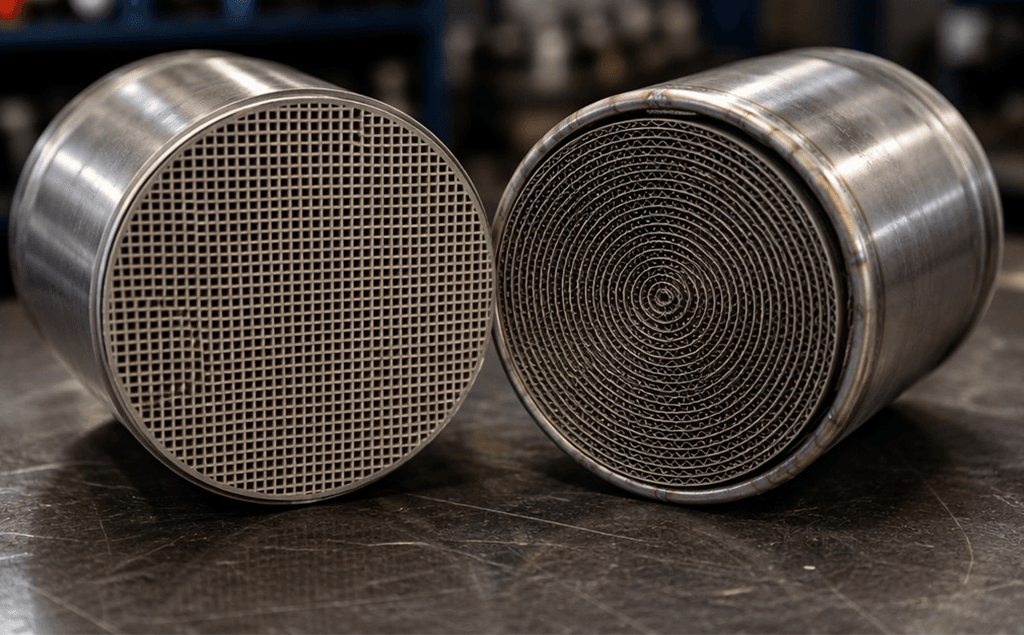
Once collected, catalytic converters are mechanically shredded to expose the ceramic or metallic substrate containing the precious metals. This stage reduces the bulk size of the converter, making chemical extraction more effective.
3. Chemical and Thermal Extraction
Recycling methods are generally divided into pyrometallurgical and hydrometallurgical approaches:
- Pyrometallurgical Methods: High-temperature smelting separates metals from the substrate. The process is fast and capable of recovering large volumes of metals but consumes significant energy and requires careful emission controls.
- Hydrometallurgical Methods: This involves acid leaching, solvent extraction, and precipitation techniques to dissolve metals from the substrate. Though slower than pyrometallurgical processes, hydrometallurgy is highly precise and can recover metals with purity exceeding 99%.
4. Refining and Reuse
After extraction, metals are further purified and tested for quality. Recovered Pt, Pd, and Rh are supplied back to catalytic converter manufacturers, closing the loop in a sustainable supply chain. These recycled metals can replace a portion of newly mined metals, reducing environmental impact and cost.
Global Regulations and the Recycling Supply Chain
Catalytic converter recycling is regulated internationally, ensuring environmental compliance and safe handling of hazardous materials.
Europe
The European Union’s End-of-Life Vehicle (ELV) Directive requires vehicle manufacturers and recyclers to meet specific recovery and recycling targets. These regulations ensure that precious metals are efficiently recovered, reducing the demand for virgin resources.
United States
The Environmental Protection Agency (EPA) provides guidelines for the proper disposal and recovery of automotive catalytic converters. Compliance ensures that recycling operations minimize environmental risks while recovering valuable metals.
Asia
Countries such as China and Japan have increasingly stringent recycling regulations, emphasizing resource efficiency, reduction of industrial waste, and sustainable automotive manufacturing. In China, the growth of the EV and hybrid market further underscores the need for advanced recycling technologies to recover precious metals efficiently.
The global recycling supply chain involves multiple stakeholders: scrap dealers collect used converters, specialized recyclers perform mechanical and chemical processing, and metal refineries purify recovered metals. Coordination across this network is critical to achieving both economic and environmental goals.
Environmental and Economic Significance
Environmental Benefits
Recycling catalytic converters reduces the need for mining, which is energy-intensive and environmentally damaging. It also minimizes landfill waste and decreases carbon emissions associated with metal extraction and processing. By recovering Pt, Pd, and Rh, recycling mitigates the environmental footprint of the automotive industry and supports cleaner, greener vehicle technologies.
Economic Benefits
Recycled precious metals provide a reliable and cost-effective source of raw materials for manufacturers. With market prices for rhodium and palladium being highly volatile, recycling ensures supply stability and reduces production costs. Additionally, the recycling industry generates employment opportunities across collection, processing, and refining sectors.
Future Trends: Towards a Sustainable Automotive Supply Chain
The catalytic converter recycling industry is evolving rapidly to meet growing environmental and economic demands:
- Improved Recovery Technologies: Advanced hydrometallurgical methods and automated sorting systems are increasing recovery efficiency while reducing chemical waste.
- Design for Recycling: Manufacturers are designing converters to facilitate easier metal recovery at the end of life, integrating principles of circular economy.
- Integration with Electric Vehicles (EVs) and Hybrids: Even though EVs produce fewer emissions, hybrid vehicles still require catalytic converters. Recycling programs are adapting to these changes, ensuring precious metals remain in the supply chain.
- Global Collaboration: International partnerships are emerging to standardize recycling practices, optimize logistics, and harmonize regulatory frameworks, making the industry more resilient and sustainable.
Қорытынды
Catalytic converters are far more than emission control devices—they are critical reservoirs of precious metals that hold immense environmental and economic value. By efficiently recovering platinum, palladium, and rhodium, the recycling industry supports sustainable automotive manufacturing, reduces reliance on mining, and contributes to a circular economy.
As regulations tighten globally and the automotive industry evolves, the future of catalytic converter recycling looks increasingly sophisticated, promising higher recovery rates, greener processes, and a more sustainable supply chain for modern vehicles.