Введение
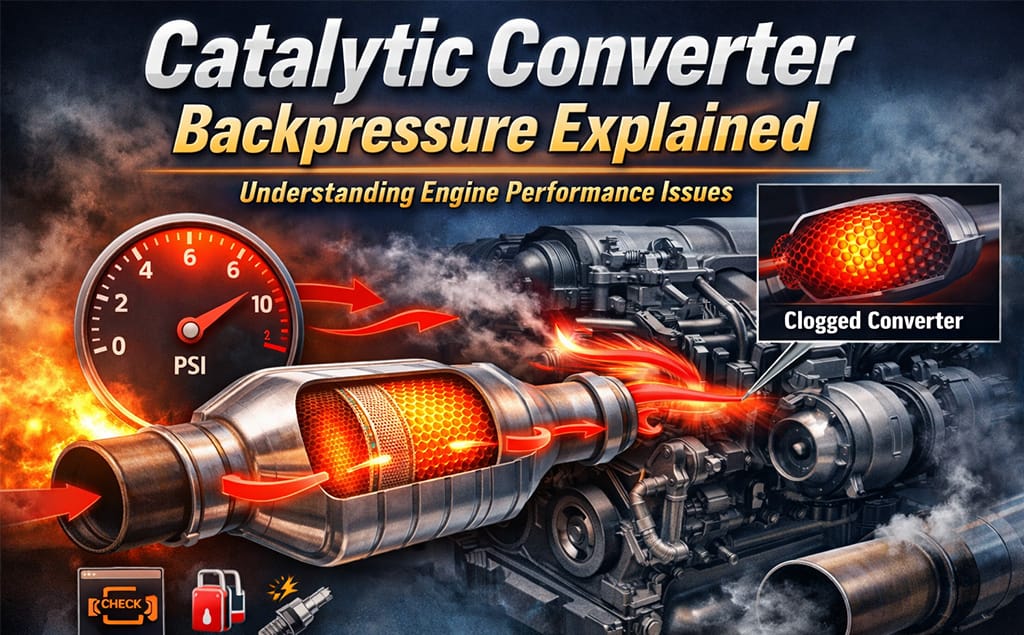
The трехкомпонентный каталитический нейтрализатор Выхлопная система автомобиля играет важнейшую роль в обеспечении баланса между защитой окружающей среды и требованиями к производительности двигателя. Однако этот компонент может создавать физическое узкое место, известное как противодавление. Противодавление представляет собой сопротивление, с которым сталкиваются выхлопные газы при выходе из камеры сгорания. Хотя инженеры проектируют выхлопные системы с учетом определенных уровней давления, чрезмерное сопротивление может вывести двигатель из строя. В этой статье рассматривается наука о противодавлении в выхлопной системе автомобиля. трехкомпонентный каталитический нейтрализаторМы разберемся, почему это происходит, как это влияет на ваш автомобиль и как диагностировать проблемы до того, как они приведут к дорогостоящему ремонту.
Физика потока выхлопных газов
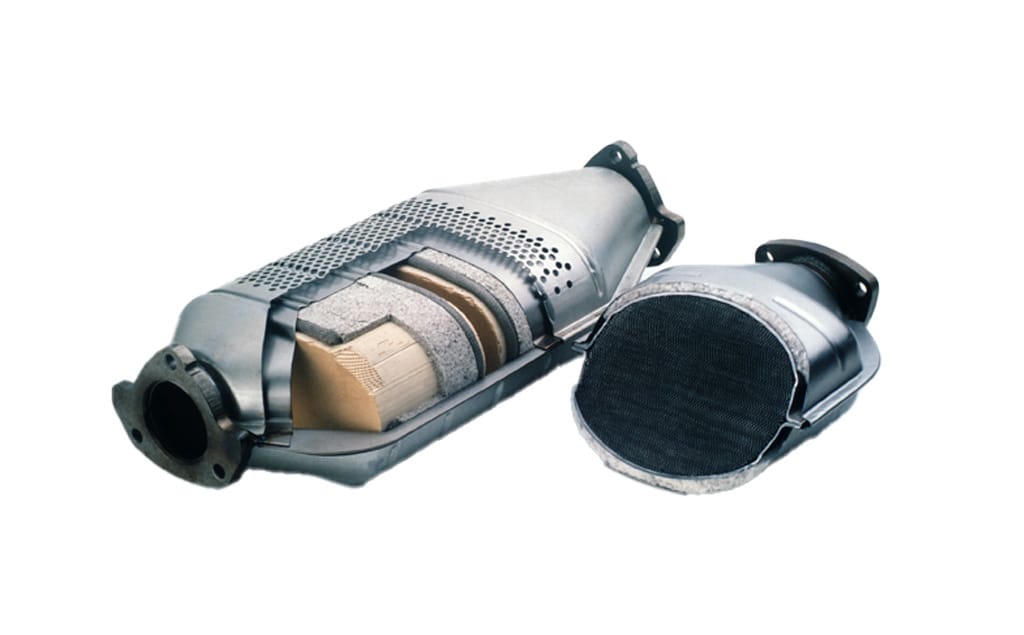
Двигатели внутреннего сгорания работают как большие воздушные насосы. Они всасывают воздух, смешивают его с топливом, воспламеняют и выбрасывают отходы. Такт выпуска должен протолкнуть эти отработанные газы через несколько метров трубопроводов и фильтрующих элементов. трехкомпонентный каталитический нейтрализатор Содержит плотную керамическую или металлическую сотовую структуру. Эта структура обеспечивает огромную площадь поверхности для химических реакций.
Однако эта площадь поверхности также создает трение. Трение замедляет газ. Это замедление создает градиент давления. Инженеры называют это «противодавлением». Небольшое противодавление фактически помогает двигателю. Оно помогает управлять процессом продувки в цилиндрах. Оно также обеспечивает необходимую энергию для вращения турбин турбокомпрессора. Когда противодавление превышает заводские параметры, двигателю приходится бороться со своими собственными отходами.
Как работает трехкомпонентный каталитический нейтрализатор
The трехкомпонентный каталитический нейтрализатор Устройство выполняет три задачи одновременно. Во-первых, оно восстанавливает оксиды азота (NOx) до азота и кислорода. Во-вторых, оно окисляет оксид углерода (CO) до диоксида углерода. В-третьих, оно окисляет несгоревшие углеводороды (УВ) до диоксида углерода и воды. Для достижения этих результатов устройство использует драгоценные металлы, такие как платина, палладий и родий.
Выхлопные газы должны пройти через тысячи мельчайших каналов, покрытых этими металлами. Если эти каналы остаются чистыми, газ течет эффективно. Если же каналы засоряются, газ... трехкомпонентный каталитический нейтрализатор становится преградой. Это ограничение заставляет поршни работать интенсивнее во время такта выпуска. Эти потери мощности приводят к оттоку мощности от коленчатого вала.

Выявление симптомов чрезмерного противодавления
Водители часто замечают изменения в характеристиках автомобиля, когда... трехкомпонентный каталитический нейтрализатор начинает выходить из строя. Вам следует следить за своим автомобилем, обращая внимание на следующие признаки.
1. Снижение мощности двигателя Наиболее распространенный симптом — ощущение «вялости». Вы нажимаете на педаль газа, но машина реагирует медленно. Высокое противодавление препятствует «дыханию» двигателя. Если двигатель не может выводить отработанные газы, он не может всасывать полный объем свежего воздуха и топлива.
2. Резкое снижение топливной экономичности Ограниченный трехкомпонентный каталитический нейтрализатор Это заставляет двигатель сжигать больше топлива для поддержания скорости. Блок управления двигателем (ЭБУ) часто пытается компенсировать недостаток воздуха, регулируя подачу топлива. Эта неэффективность приводит к частым поездкам на заправку.
3. Постоянные пропуски зажигания в двигателе Чрезмерный нагрев и давление в выпускном коллекторе могут привести к обратному попаданию газов в камеру сгорания. Это загрязняет новую воздушно-топливную смесь. В результате происходит неполное сгорание, приводящее к пропускам зажигания.
4. Слуховые отклонения Прислушайтесь к необычным звукам. Дребезжащий шум часто указывает на то, что внутренняя керамическая подложка разрушилась. Шипящий звук свидетельствует о том, что выхлопные газы выходят через утечку или прокладку, поскольку трехкомпонентный каталитический нейтрализатор Слишком строгие ограничения, чтобы пропустить их.
5. Индикатор неисправности двигателя (CEL) В современных автомобилях используются кислородные датчики для контроля уровня кислорода. трехкомпонентный каталитический нейтрализаторЕсли эффективность преобразователя снижается или изменяется расход жидкости, компьютер выдает код ошибки P0420 или P0430.
Роль благородных металлов в динамике потоков
Эффективность трехкомпонентный каталитический нейтрализатор В значительной степени это зависит от распределения благородных металлов. Производители наносят эти металлы на «пропиточное покрытие». Качественное пропиточное покрытие способствует быстрым химическим переходам. Однако, если двигатель работает на «богатой» смеси (слишком много топлива), избыток топлива сгорает внутри каталитического нейтрализатора. Это повышает внутреннюю температуру выше 1200 градусов Цельсия.
Такая экстремальная температура может расплавить керамическую подложку. После расплавления подложка сплавляется в твердый блок. Это создает мгновенный и сильный скачок противодавления. Высокое качество трехкомпонентные каталитические нейтрализаторы Для предотвращения этой катастрофической поломки следует использовать термостойкие материалы.
Сравнение данных: пороговые значения противодавления
Для диагностики засора специалисты используют манометр. Обычно они снимают расположенный перед двигателем кислородный датчик и устанавливают тестер. В следующей таблице показаны типичные показания давления для исправного двигателя и двигателя с неисправностью. трехкомпонентный каталитический нейтрализатор.
| Состояние двигателя | Нормальное давление (PSI) | Давление разрушения (PSI) | Необходимые действия |
|---|---|---|---|
| Холостой ход (примерно 800 об/мин) | < 1.0 PSI | > 2,0 PSI | Проверьте наличие скопления сажи. |
| Средний диапазон оборотов (2500 об/мин) | < 2.5 PSI | > 4,5 PSI | Проверьте, не расплавилась ли подложка. |
| Высокая нагрузка (WOT) | < 5.0 PSI | > 10,0 PSI | Немедленная замена |
Основные причины засорения трехкомпонентного каталитического нейтрализатора
Понимание причин засорения каталитического нейтрализатора имеет важное значение для его предотвращения. Несколько факторов способствуют повышению противодавления.
- Накопление углерода: Неполное сгорание приводит к образованию сажи. Эта сажа покрывает сотовую структуру и сужает каналы.
- Загрязнение нефтью: Протекающие сальники клапанов или поршневые кольца позволяют маслу попадать в выхлопную систему. Масло покрывает катализатор, препятствуя химическим реакциям и задерживая загрязнения.
- Утечки охлаждающей жидкости: Пробитая прокладка головки блока цилиндров позволяет антифризу попадать в выхлопную систему. Антифриз разрушает покрытие из драгоценного металла и физически блокирует каналы.
- Структурные повреждения: Impacts from road debris can dent the converter shell. This crushes the internal honeycomb and creates a physical obstruction.
Technical Analysis: Scavenging and Backpressure
In a high-performance setting, scavenging is vital. Scavenging uses the momentum of exiting exhaust pulses to pull the next charge of air into the cylinder. A perfectly tuned трехкомпонентный каталитический нейтрализатор maintains just enough backpressure to facilitate this pulse tuning.
However, when backpressure rises, the “pulse” reflects back toward the engine. This “reversion” pushes exhaust gas back into the intake manifold. This dilutes the oxygen content of the incoming air. For turbocharged engines, this is even more critical. High backpressure increases the “pumping work” of the engine, which significantly raises the temperature of the turbocharger bearings.
Comprehensive Maintenance Strategies
Вы можете продлить срок службы вашего трехкомпонентный каталитический нейтрализатор with proactive care. Follow these steps to ensure optimal exhaust flow.
Use High-Quality Fuel Low-quality fuels often contain contaminants that “poison” the catalyst. Use fuels with top-tier detergent additives. These additives keep the combustion chamber clean and reduce soot production.
Monitor Engine Health Do not ignore a misfire. A single misfiring cylinder can dump raw fuel into the exhaust. This fuel ignites within the трехкомпонентный каталитический нейтрализатор, causing it to overheat and melt. Address spark plug and ignition coil issues immediately.
Perform Periodic Emissions Tests An emissions test provides a window into the health of your converter. High CO or HC readings suggest that the трехкомпонентный каталитический нейтрализатор is losing its chemical potency, even if it isn’t fully clogged yet.
Professional Installation vs. DIY
Замена трехкомпонентный каталитический нейтрализатор requires specific tools. You must use a jack and jack stands to secure the vehicle. You will likely need a penetrating lubricant to loosen rusted bolts. Some systems require welding, while others are “bolt-on.”
We recommend professional installation for several reasons. First, professionals can verify that the new unit meets local EPA or Euro standards. Second, they can identify the “root cause” of the failure. If you replace a clogged converter without fixing an oil leak, the new unit will clog within months.
Global Emission Standards and Compliance
Regulatory bodies like the EPA (United States) and the European Union set strict limits on tailpipe emissions. The трехкомпонентный каталитический нейтрализатор is the primary tool for meeting these standards. Using a non-compliant or “universal” converter that does not match your engine’s displacement can trigger a check engine light. It can also cause the vehicle to fail annual inspections. Always choose a converter that carries the appropriate certification for your specific region.
The Economic Impact of Catalytic Converters
The price of a трехкомпонентный каталитический нейтрализатор Цены на каталитические нейтрализаторы колеблются в зависимости от рынка драгоценных металлов. Родий особенно дорог. Это делает каталитические нейтрализаторы мишенью для краж. При покупке замены убедитесь, что вы приобретаете товар у надежного поставщика, такого как Catman. Надежные поставщики предоставляют отслеживаемую продукцию, соответствующую спецификациям OEM. Они также предлагают гарантии, защищающие ваши инвестиции.
Сравнительный анализ: трехкомпонентный каталитический нейтрализатор против сажевого фильтра.
В то время как бензиновые двигатели используют трехкомпонентный каталитический нейтрализаторВ дизельных двигателях используется сажевый фильтр (DPF). В следующей таблице сравниваются их характеристики по противодавлению.
| Особенность | Трехкомпонентный каталитический нейтрализатор (TWC) | Сажевый фильтр (DPF) |
|---|---|---|
| Тип топлива | Бензин | Дизель |
| Основная цель | Преобразование газов (NOx, CO, HC) | Улавливание твердых частиц (сажи) |
| Чувствительность к противодавлению | Умеренный | Высокий |
| Метод очистки | Химическая реакция (пассивная) | Регенерация (активное сжигание) |
| Типичная продолжительность жизни | Более 100 000 миль | Более 150 000 миль (при бережном обращении) |
Экологические преимущества восстановления потока
Здоровый трехкомпонентный каталитический нейтрализатор Это не просто восстанавливает мощность. Это значительно снижает углеродный след автомобиля. За счет снижения противодавления двигатель работает с максимальной тепловой эффективностью. Это уменьшает общий объем выбросов CO2 на милю пробега. Кроме того, активное снижение выбросов NOx предотвращает образование приземного озона и смога.
Перспективные инновации в каталитических технологиях
Автомобильная промышленность продолжает развиваться. Исследователи разрабатывают «каталитические нейтрализаторы в непосредственной близости». Инженеры размещают эти устройства непосредственно рядом с выпускным коллектором. Это позволяет трехкомпонентный каталитический нейтрализатор для более быстрого достижения рабочей температуры. Более быстрое «зажигание» снижает выбросы при холодном пуске. Кроме того, новые конструкции подложек с более тонкими стенками позволяют увеличить плотность ячеек без увеличения противодавления. Это обеспечивает большую площадь поверхности для очистки воздуха при сохранении высокой скорости потока.
Диагностика и устранение неисправностей выхлопной системы
Если вы подозреваете проблемы с противодавлением, проведите систематическую проверку.
- Визуальный осмотр: Обратите внимание на вмятины или изменение цвета корпуса каталитического нейтрализатора. Синий или фиолетовый оттенок указывает на сильный перегрев.
- Проверка вакуума: Подключите вакуумметр к впускному коллектору. При стабильных 2500 об/мин разрежение должно оставаться постоянным. Если разрежение медленно падает, значит, в выхлопной системе есть засор.
- Температурный тест: Используйте инфракрасный термометр. Измерьте температуру на входе и выходе из устройства. трехкомпонентный каталитический нейтрализаторТемпература на выходе должна быть выше, чем на входе (обычно на 10-15%). Если температура на входе выше, вероятно, преобразователь засорен или неисправен.
Почему стоит выбрать Catman для решения ваших задач по модернизации выхлопной системы?
В компании Catman мы специализируемся на высокоэффективных компонентах выхлопной системы. Мы понимаем, что трехкомпонентный каталитический нейтрализатор Наша продукция должна обеспечивать идеальный баланс между фильтрацией и потоком. Мы проводим тщательное тестирование, чтобы гарантировать соответствие отраслевым стандартам. На наши каталитические нейтрализаторы предоставляется 12-месячная гарантия, что обеспечивает вам спокойствие. Наша глобальная дистрибьюторская сеть гарантирует быструю доставку необходимых запчастей, сокращая время простоя вашего автомобиля.
Заключение
Противодавление — естественная часть динамики выхлопной системы, но чрезмерное сопротивление — враг двигателя. трехкомпонентный каталитический нейтрализатор Она выполняет двойную роль: защищает окружающую среду и регулирует поток выхлопных газов. Распознав симптомы высокого противодавления — такие как потеря мощности, плохая экономия топлива и пропуски зажигания двигателя — вы можете принять меры до того, как произойдет серьезный ущерб. Регулярное техническое обслуживание и использование высококачественных компонентов от проверенных поставщиков, таких как Catman, обеспечат эффективную работу вашего автомобиля. Понимание этих систем гарантирует, что ваш двигатель будет легко «дышать», работать лучше и соответствовать современным экологическим нормам.