Введение
Modern automotive engineering prioritizes emission reduction. Vehicles utilize complex systems to neutralize harmful gases and trap particulate matter. The трехкомпонентный каталитический нейтрализатор stands as a cornerstone of this technology. It manages nitrogen oxides, carbon monoxide, and hydrocarbons. Meanwhile, Gasoline Particulate Filters (GPF) and Diesel Particulate Filters (DPF) capture solid soot. These components work together to ensure environmental compliance. However, soot and ash accumulate over time. This buildup restricts exhaust flow and reduces engine efficiency. Drivers often ask how frequently these components require maintenance. Understanding the cleaning intervals for a трехкомпонентный каталитический нейтрализатор and its associated filters is essential. This guide explores the factors affecting lifespan and the best methods for maintenance.
The Role of the Three Way Catalytic Converter in Emissions
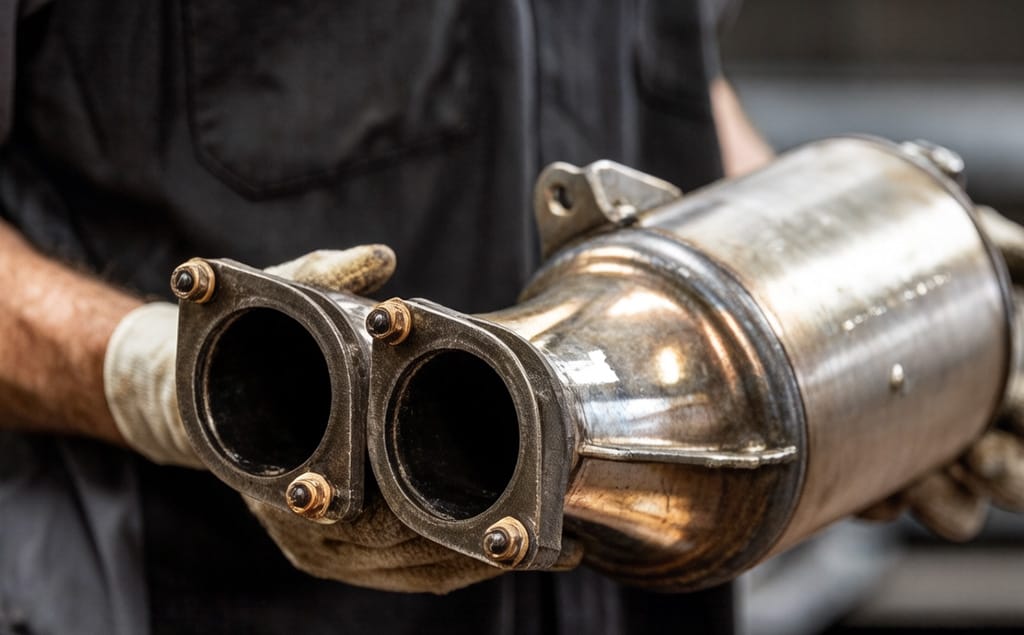
А трехкомпонентный каталитический нейтрализатор performs three simultaneous tasks. It reduces nitrogen oxides into elemental nitrogen and oxygen. It oxidizes carbon monoxide into carbon dioxide. It also converts unburnt hydrocarbons into water and carbon dioxide. This process requires high temperatures. The device uses precious metals like platinum, palladium, and rhodium. These metals act as catalysts for the chemical reactions.
In modern gasoline vehicles, manufacturers often integrate the GPF with the трехкомпонентный каталитический нейтрализатор. This integrated system handles both gaseous pollutants and solid particulates. If the GPF clogs, the трехкомпонентный каталитический нейтрализатор faces increased thermal stress. This stress can degrade the precious metal coating. Therefore, maintaining filter health directly protects the трехкомпонентный каталитический нейтрализатор.

Top 5 Factors Affecting Cleaning Intervals
Several variables determine how quickly your exhaust system requires attention. You must monitor these factors to prevent premature failure of the трехкомпонентный каталитический нейтрализатор.
1. Urban vs. Highway Driving Environments
City driving involves frequent stop-and-go actions. Low speeds prevent the exhaust from reaching optimal operating temperatures. These conditions lead to rapid soot accumulation in the GPF. In contrast, highway driving maintains high exhaust temperatures. These temperatures facilitate “passive regeneration.” During this process, the heat burns off trapped soot naturally. Cold weather also hinders thermal efficiency.
2. Vehicle Load and Duty Cycle
Heavy-duty trucks and buses work under high stress. They burn more fuel and produce more particulates. Consequently, these vehicles require more frequent cleaning than light-duty passenger cars. Heavy hauling increases the workload on the трехкомпонентный каталитический нейтрализатор as well.
3. Fluid Quality and Engine Health
Low-quality diesel or gasoline contains high sulfur levels. Sulfur poisons the трехкомпонентный каталитический нейтрализатор and clogs filters. Always use high-quality fuels. Additionally, use low-SAPS (Sulfated Ash, Phosphorus, and Sulfur) engine oils. Cheap oils create non-combustible ash that regular regeneration cannot remove. Upstream engine leaks, such as oil or coolant leaks, will rapidly destroy the трехкомпонентный каталитический нейтрализатор.
4. Maintenance Consistency
Irregular engine care leads to poor combustion. Incomplete combustion produces excessive soot. Neglecting routine maintenance reduces the capacity of the exhaust system. This neglect forces the vehicle into frequent “active regeneration” cycles.
5. Component Size and Design
Smaller filters have less surface area. They fill up faster than larger industrial units. The design of the трехкомпонентный каталитический нейтрализатор also matters. High-cell-density substrates provide better filtration but clog more easily if the engine runs rich.
Technical Comparison of Emission Components
The following table compares the primary components within the exhaust system.
| Компонент | Основная функция | Typical Substrate | Необходимость технического обслуживания |
|---|---|---|---|
| Трехкомпонентный каталитический нейтрализатор | Neutralizes NOX, CO, and HC | Cordierite or Metal Foil | Chemical cleaning or replacement |
| Фильтр твердых частиц бензина (GPF) | Traps soot from GDI engines | Ceramic wall-flow | Thermal or Aqueous cleaning |
| Сажевый фильтр (DPF) | Traps soot and ash from Diesel | Карбид кремния или кордиерит | Thermal, Aqueous, or Ultrasonic |
Recommendations for Cleaning Frequency
There is no single “magic number” for cleaning. Every vehicle operates under different conditions. However, following these five guidelines will help you manage your трехкомпонентный каталитический нейтрализатор and filter health.
Perform Regular Inspections
Check the aftertreatment system during every oil change. Look for signs of soot at the tailpipe. A healthy трехкомпонентный каталитический нейтрализатор and GPF should leave the tailpipe clean. Visible soot indicates a cracked filter or a failing catalyst.
Consult Manufacturer Guidelines
The vehicle manual provides a baseline. These intervals usually range from 100,000 to 150,000 miles. However, these numbers assume ideal conditions. Adjust your schedule if you idle frequently or haul heavy loads.
Synchronize with Routine Maintenance
Clean the GPF or DPF while the truck undergoes other major repairs. This strategy minimizes downtime. It ensures the трехкомпонентный каталитический нейтрализатор remains unobstructed by backpressure.
Respond to Warning Lights
Modern On-Board Diagnostics (OBD) systems monitor backpressure. If a warning light appears, take immediate action. Ignoring these lights leads to “limp mode” or engine derate. Prolonged driving with a clogged filter can melt the three way catalytic converter.
Analyze Your Driving Habits
Tailor your schedule to your specific use case. If you operate primarily in city traffic, shorten your cleaning interval. Do not compare your truck to a long-haul highway vehicle.
Synergies Between TWC and GPF Systems
The трехкомпонентный каталитический нейтрализатор and the particulate filter function as a single unit in many modern cars. They rely on “closed-loop” control via oxygen sensors. If the particulate filter becomes restricted, exhaust gas temperatures spike. This heat can cause the ceramic substrate inside the three way catalytic converter to melt.
Furthermore, a failing трехкомпонентный каталитический нейтрализатор can release small fragments of ceramic. These fragments then blow into the GPF, causing permanent blockage. Maintaining one component protects the other. Efficiency in the three way catalytic converter ensures the engine computer does not over-compensate with fuel, which would otherwise create more soot for the filter to trap.
DIY vs. Professional Cleaning: Technical Realities
Many owners seek cheap solutions for cleaning. However, DIY methods often carry significant risks for the трехкомпонентный каталитический нейтрализатор.
- Fuel Additives: These chemicals lower the soot ignition temperature. They assist in regeneration. However, they do not remove non-combustible ash. Excessive use may leave chemical residues on the трехкомпонентный каталитический нейтрализатор.
- Liquid Cleaning Solutions: Some shops spray foam into the pressure sensor ports. This method might loosen light soot. It rarely reaches the core of a heavily clogged unit. Improper rinsing can also damage the precious metal washcoat of the трехкомпонентный каталитический нейтрализатор.
- Power-Washing: Never use a power washer on these components. High-pressure water destroys the fragile honeycomb structure. It also washes away the catalytic metals. A damaged трехкомпонентный каталитический нейтрализатор costs thousands of dollars to replace.
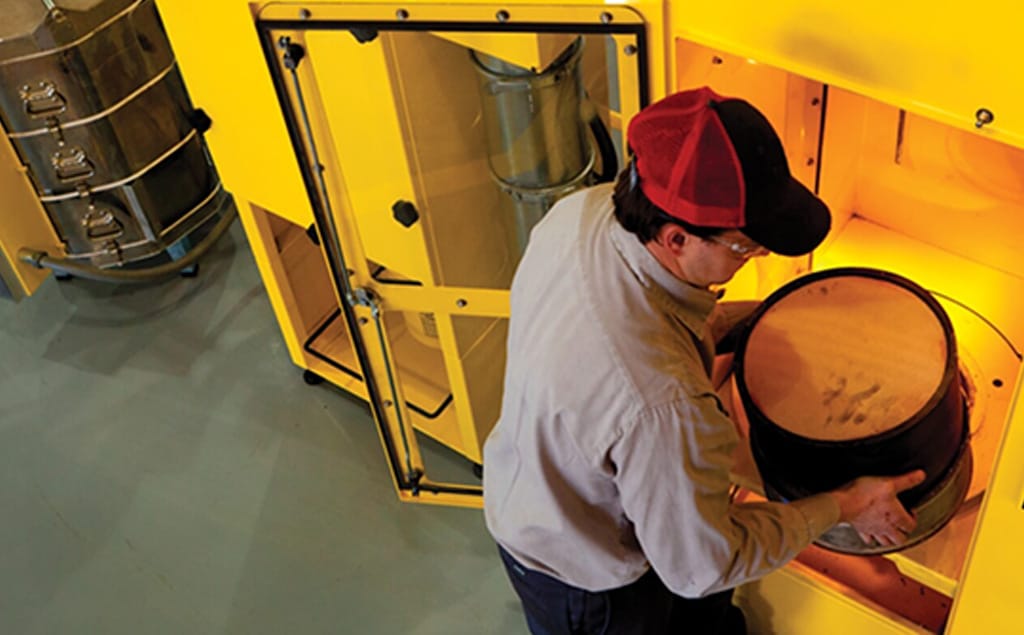
Professional Cleaning Technologies
Professional facilities use specialized equipment. These methods ensure the longevity of the трехкомпонентный каталитический нейтрализатор and the filter.
Aqueous Cleaning Systems
These systems use water and specialized detergents. They wash soot and ash from the filter channels. A pre-soak stage softens hardened deposits. The process typically takes a few hours. It is highly effective for odd-shaped units and integrated трехкомпонентный каталитический нейтрализатор housings.
Thermal “Bake and Blow”
This is the traditional industrial method. Technicians place the filter in a high-temperature oven. The heat oxidizes soot into ash. Afterward, pneumatic equipment blows the ash out. This process usually requires 24 hours. It is very effective for heavy-duty DPFs.
Ultrasonic Cleaning
This technology uses sound waves in a liquid bath. The waves create microscopic bubbles that implode. This action blasts ash away from the deep pores of the filter. It is gentle on the substrate but requires expensive machinery. This method is excellent for sensitive трехкомпонентный каталитический нейтрализатор structures.
Impact of Fuel Quality on Catalyst Longevity
Fuel composition directly dictates the health of the three way catalytic converter. Lead and phosphorus are known “catalyst poisons.” They coat the precious metals and prevent chemical reactions. Even small amounts of these substances cause permanent damage.
High-sulfur fuel also interferes with the storage of oxygen within the трехкомпонентный каталитический нейтрализатор. This interference leads to higher emissions and failed inspections. By using high-quality, Tier 3 gasoline, you extend the life of both the GPF and the three way catalytic converter.
General Guidelines for Cleaning Intervals
The following data represents average service windows for various driving profiles.
| Driving Profile | Recommended Cleaning Interval | Key Indicators |
|---|---|---|
| Highway/Long Haul | 150,000 – 200,000 Miles | High mileage, natural regeneration |
| Mixed Use | 100,000 – 150,000 Miles | Standard maintenance schedule |
| City/Short Trip | 50 000 – 80 000 миль | Frequent active regen, low MPG |
| Severe/Heavy Duty | 6 – 12 Months | High idle hours, power loss |
Signs Your System Needs Professional Service
You must recognize the symptoms of a failing exhaust system.
- Dashboard Warning Lights: The DPF/GPF light or the Check Engine Light (CEL) signals a problem.
- Reduced Engine Performance: You will notice a loss of power during acceleration.
- Increased Fuel Consumption: Backpressure forces the engine to work harder. This wastes fuel.
- Frequent Regeneration Cycles: If the car tries to regenerate every few miles, the filter is likely full of ash.
- Acrid Odors: A hot or burning smell often indicates a struggling трехкомпонентный каталитический нейтрализатор.
Заключение
Поддержание трехкомпонентный каталитический нейтрализатор and the particulate filter is vital for modern vehicle health. Soot and ash are inevitable byproducts of combustion. However, proactive cleaning prevents expensive replacements and engine damage. Most vehicles require professional attention between 100,000 and 150,000 miles. Harsh driving conditions will shorten this window significantly. Avoid risky DIY methods like power-washing. Instead, choose professional aqueous or thermal cleaning to ensure the integrity of your трехкомпонентный каталитический нейтрализатор. Regular maintenance saves money, protects the environment, and keeps your vehicle on the road.