การแนะนำ
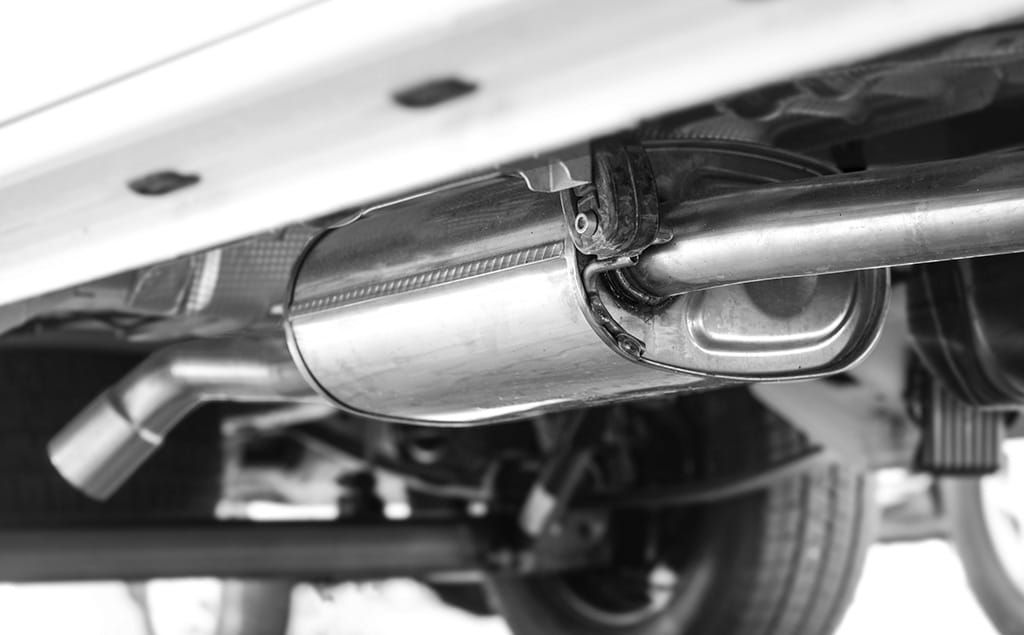
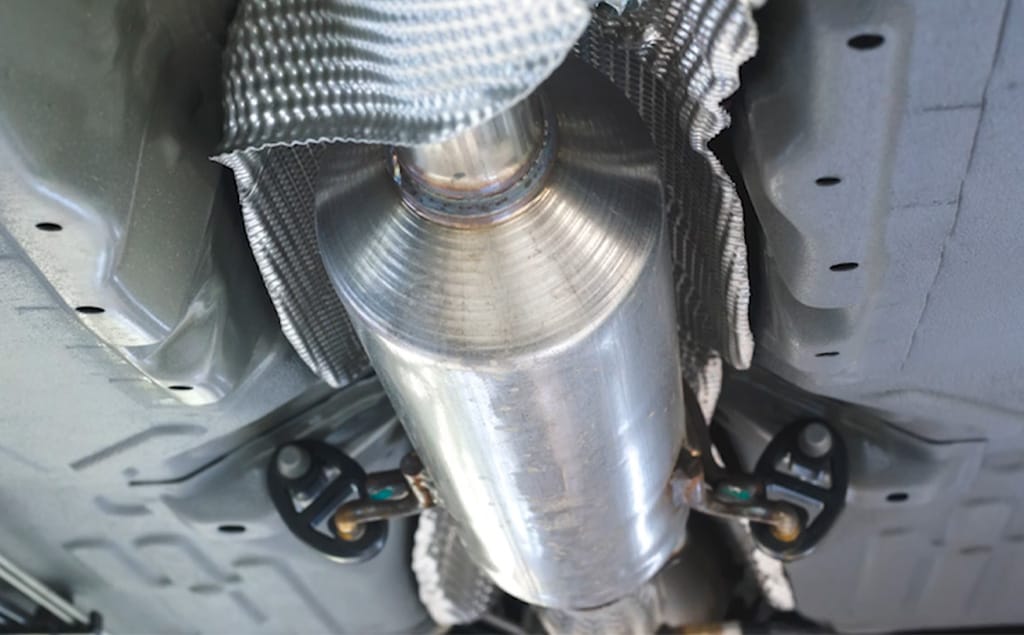
The automotive industry faces stricter emission standards in 2026. The ตัวเร่งปฏิกิริยาสามทาง remains the primary defense against harmful pollutants in gasoline engines. This component simultaneously reduces nitrogen oxides (NOx) and oxidizes carbon monoxide (CO) and hydrocarbons (HC). Unlike diesel systems, the ตัวเร่งปฏิกิริยาสามทาง does not deal with particulate soot. Therefore, “regeneration” in this context does not mean burning off carbon. Instead, it refers to the complex restoration of chemical active sites on noble metal surfaces. Understanding when to attempt restoration and when to mandate replacement is critical for fleet managers and technicians. This guide explores the scientific nuances of catalyst maintenance and the technical thresholds for component failure.
The Chemical Foundation of the Three Way Catalytic Converter
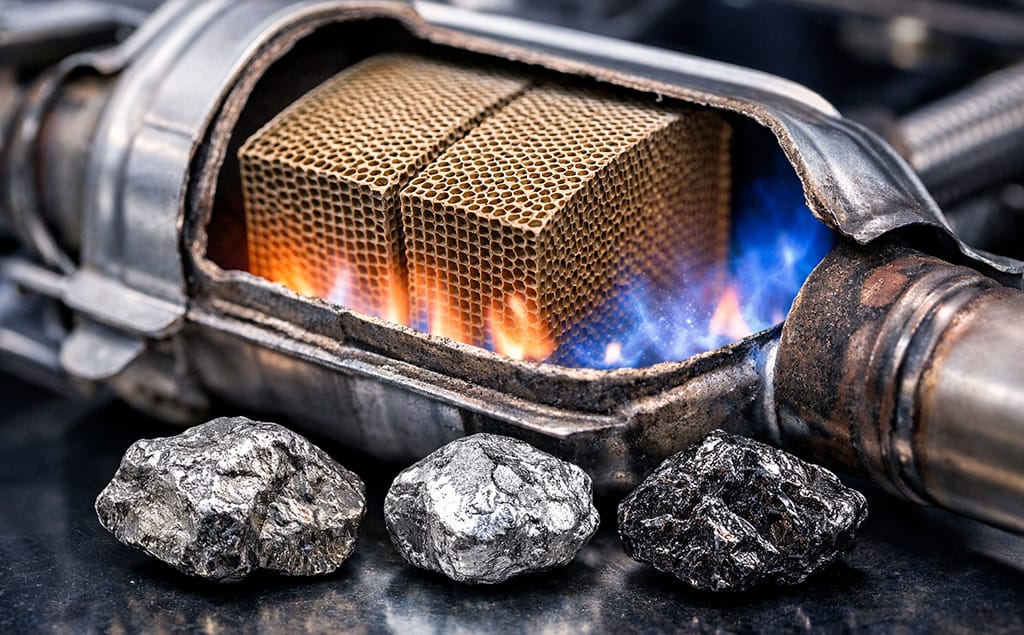
A modern ตัวเร่งปฏิกิริยาสามทาง relies on a sophisticated bimetallic structure. Manufacturers typically deposit Rhodium (Rh) and Palladium (Pd) onto a stabilized Al2O3 (Alumina) washcoat. Each metal serves a specific purpose. Rhodium excels at reducing NOx into nitrogen and oxygen. Palladium focuses on the oxidation of CO and unburned hydrocarbons.
The interaction between these metals and the ceramic substrate determines the efficiency of the device. In 2026, engine control modules (ECMs) manage these reactions with extreme precision. However, engine operational modes like “fuel shutoff” during coasting can alter catalyst chemistry. While fuel shutoff improves economy, it creates an oxygen-rich environment. This environment can temporarily deactivate the noble metals. A subsequent switch to a fuel-rich mode restores the catalyst’s performance. This cycle is the most basic form of regeneration.

TWC Regeneration: Restoring Chemical Activity
Regeneration of a ตัวเร่งปฏิกิริยาสามทาง involves reversing deactivation. This deactivation usually stems from chemical poisoning or surface aging. In 2026, professional restoration methods have become more refined.(catalyst deactivation research)
Fuel-Rich Cycling and Redox Chemistry
Modern ECMs perform internal regeneration through fuel-rich cycling. When the sensor detects oxygen saturation on the catalyst surface, the computer increases fuel delivery. This “rich” environment reduces the oxide layers on Rhodium and Palladium. This process “cleans” the metal surfaces at a molecular level. It ensures the active sites remain available for the next exhaust pulse. This is a continuous, automated form of regeneration.
Professional Chemical and Solvent Washing
Chemical poisoning often involves sulfur, phosphorus, or calcium. These elements come from fuel impurities or engine oil additives. They form a physical barrier over the washcoat. Professional services now use specialized weak acidic solutions, such as oxalic acid. These solvents dissolve inorganic contaminants without destroying the precious metal structure. Research shows that a successful acid wash can restore 30% to 50% of lost efficiency. This method is gaining popularity for high-value commercial gasoline fleets.
Thermal Treatment and Metal Redispersal
Extreme heat can cause noble metals to “sinter” or clump together. This reduces the available surface area for catalysis. Industrial thermal treatment involves heating the catalyst in a controlled atmosphere of oxygen and hydrogen. This process can theoretically redisperse sintered metals across the Alumina support. However, this remains an industrial-scale process. It is rarely cost-effective for individual passenger vehicles.
The Role of Precious Metals in Catalytic Efficiency
The performance of a ตัวเร่งปฏิกิริยาสามทาง depends heavily on its “Oxygen Storage Capacity” (OSC). Cerium dioxide (Ceria) within the washcoat stores and releases oxygen. This stabilizes the reactions during fluctuations in the air-fuel ratio. When a catalyst ages, its ability to store oxygen diminishes.
Technicians must distinguish between temporary surface poisoning and permanent thermal degradation. Chemical regeneration works well for surface poisoning. However, if the precious metals have migrated deep into the substrate due to heat, regeneration will fail. The 2026 standards require a deeper understanding of these metal-support interactions to avoid unnecessary replacements.

When to Replace: Mandatory Best Practices
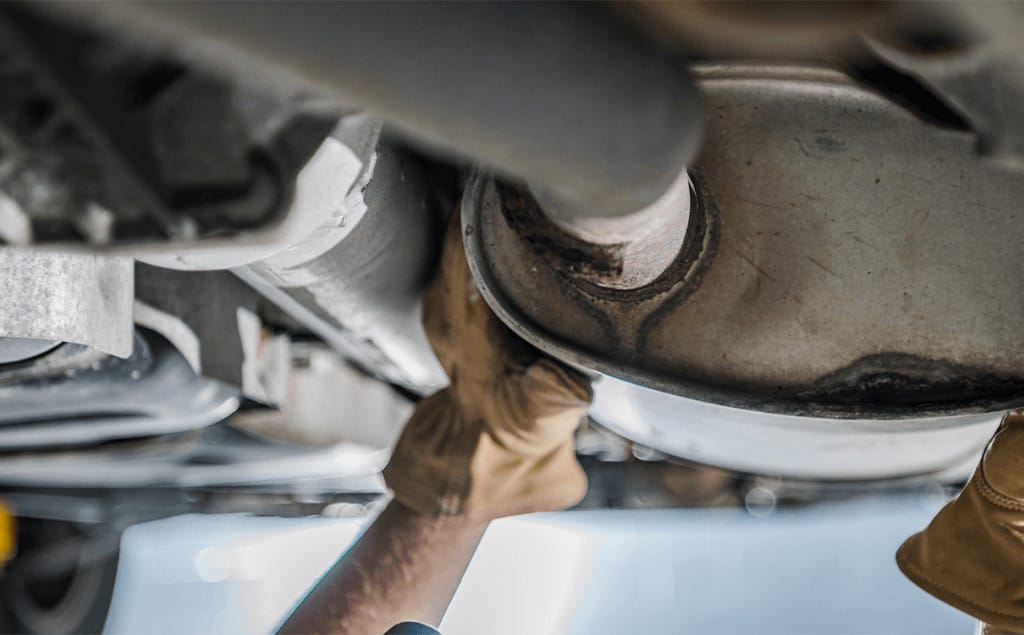
Replacement becomes mandatory when the three way catalytic converteร suffers irreversible physical damage. No amount of chemical washing can fix a structural failure.
Thermal Meltdown
A thermal meltdown is the most common cause of catastrophic failure. If unburned fuel enters the exhaust due to a misfire, it ignites inside the converter. Temperatures can quickly exceed 1,200°C. At this temperature, the ceramic honeycomb substrate melts. This creates a physical blockage in the exhaust system. A melted catalyst cannot be regenerated. It requires immediate replacement to prevent engine damage.
Substrate Fracture and Mechanical Damage
The ceramic monolith inside the ตัวเร่งปฏิกิริยาสามทาง is fragile. Rapid temperature changes or physical impacts can crack the substrate. If you hear a “rattling” sound from the converter housing, the ceramic has fractured. These pieces can shift and block exhaust flow. This leads to high backpressure and power loss. Mechanical integrity is a prerequisite for any functional catalyst.
Severe Oil Poisoning and Glazing
การรั่วไหลภายในเครื่องยนต์ทำให้เกิดการปนเปื้อนของน้ำมัน เมื่อเครื่องยนต์เผาไหม้น้ำมันมากเกินไป ฟอสฟอรัสและสังกะสีจะสะสมเป็นเถ้าเคลือบตัวเร่งปฏิกิริยา ในกรณีที่รุนแรง เถ้าเหล่านี้จะก่อตัวเป็น "ชั้นเคลือบ" คล้ายแก้วบนชั้นเคลือบผิว ในขณะที่การปนเปื้อนเล็กน้อยสามารถแก้ไขได้ด้วยการทำความสะอาด แต่การเคลือบหนาเป็นชั้นถาวร ชั้นเคลือบนี้จะขัดขวางไม่ให้ก๊าซไอเสียไปถึงบริเวณโรเดียมและแพลเลเดียม หากข้อมูล OBD-II แสดงว่าไม่มีการกักเก็บออกซิเจนเลยแม้ว่าจะทำความสะอาดแล้ว คุณต้องเปลี่ยนชิ้นส่วนนั้น
แนวทางปฏิบัติที่ดีที่สุดด้านการบำรุงรักษา ปี 2026
การยืดอายุการใช้งานให้ยาวนานที่สุด ตัวเร่งปฏิกิริยาสามทาง จำเป็นต้องมีการจัดการเครื่องยนต์เชิงรุก ในปี 2026 เครื่องมือวินิจฉัยจะให้ความโปร่งใสมากกว่าที่เคยเป็นมา
การตอบสนองต่อความผิดพลาดโดยทันที
คุณต้องแก้ไขปัญหาเครื่องยนต์สะดุดทันที การสะดุดเพียงครั้งเดียวอาจทำให้อุณหภูมิของตัวเร่งปฏิกิริยาแบบสามทาง (TWC) สูงเกิน 800°C ภายในไม่กี่วินาที ซึ่งจะทำให้เกิด "การหลอมรวม" โดยที่อนุภาคโลหะมีค่าจะหลอมรวมกัน การหลอมรวมนี้จะลดพื้นที่ผิวใช้งานของตัวเร่งปฏิกิริยาอย่างถาวร การดูแลรักษาคอยล์จุดระเบิดและหัวเทียนให้อยู่ในสภาพดีเยี่ยมเป็นวิธีที่ดีที่สุดในการปกป้องตัวแปลงไอเสีย
คุณภาพน้ำมันเชื้อเพลิงและผลกระทบ
คุณภาพของเชื้อเพลิงยังคงเป็นปัจจัยหลักต่อสุขภาพของตัวเร่งปฏิกิริยา กำมะถันและตะกั่วเป็น "สารพิษ" สำหรับตัวเร่งปฏิกิริยา ตัวเร่งปฏิกิริยาสามทางธาตุเหล่านี้จะยึดเกาะกับโลหะมีค่าอย่างแน่นหนา พวกมันจะป้องกันการเปลี่ยนรูปของ NOx, CO และ HC ควรใช้เชื้อเพลิงเบนซินคุณภาพสูงที่มีกำมะถันต่ำเสมอ ในปี 2026 หลายภูมิภาคได้ยกเลิกการใช้เชื้อเพลิงที่มีกำมะถันสูงแล้ว แต่การขนส่งข้ามพรมแดนยังคงสามารถนำเชื้อเพลิงคุณภาพต่ำเข้าสู่ระบบได้
การวินิจฉัย OBD-II ขั้นสูง
ใช้เครื่องมือวินิจฉัย OBD-II เพื่อตรวจสอบสภาพของระบบ โดยเฉพาะอย่างยิ่ง ให้ติดตามการตอบสนองของเซ็นเซอร์ออกซิเจนตัวล่าง ในสภาพปกติ ตัวเร่งปฏิกิริยาสามทางเซ็นเซอร์ปลายทางแสดงแรงดันไฟฟ้าคงที่ ซึ่งบ่งชี้ถึงความสามารถในการกักเก็บออกซิเจนสูง หากเซ็นเซอร์ปลายทางเริ่มแสดงความผันผวนคล้ายกับเซ็นเซอร์ต้นทาง แสดงว่าตัวเร่งปฏิกิริยาทำงานผิดปกติ สัญญาณ "การสลับ" นี้ยืนยันว่าสารเคลือบผิวไม่สามารถจัดการปฏิกิริยาเคมีรีดอกซ์ได้อีกต่อไป
การจัดการผลกระทบทางเศรษฐกิจจากการทดแทน
การเลือกระหว่างการซ่อมแซมหรือการเปลี่ยนใหม่นั้นเกี่ยวข้องกับการวิเคราะห์ต้นทุนและผลประโยชน์ ผู้ผลิตอุปกรณ์ดั้งเดิมรายใหม่ (OEM) ตัวเร่งปฏิกิริยาสามทาง ในปี 2026 ราคาจะสูงขึ้นเนื่องจากต้นทุนของโรเดียมและแพลเลเดียมที่เพิ่มสูงขึ้น
| ปัจจัย | การฟื้นฟู (การบูรณะทางเคมี) | การเปลี่ยนชิ้นส่วน (ความเสียหายทางกลไก) |
|---|---|---|
| ความสามารถในการใช้งาน | พิษจากสารเคมี (กำมะถัน ฟอสฟอรัส) | การหลอมละลาย การแตกร้าว หรือการเคลือบด้วยน้ำมันหนา |
| Method | รอบการทำงานของเครื่องยนต์ที่มีเชื้อเพลิงมากเกินไป หรือการล้างด้วยกรดแบบมืออาชีพ | เปลี่ยนชิ้นส่วนทั้งหมดด้วยชิ้นส่วน OEM/ที่ได้รับการรับรอง |
| ประสิทธิผล | บางส่วน (ฟื้นฟูประสิทธิภาพได้ประมาณ 30–75%) | เต็มที่ (ประสิทธิภาพกลับคืนมา 100%) |
| ต้นทุนหลัก | แรงงานและตัวทำละลายทางเคมี | ฮาร์ดแวร์ใหม่และส่วนประกอบโลหะมีค่า |
| สถานะปี 2026 | กำลังเป็นที่นิยมในกลุ่มยานพาหนะอุตสาหกรรม/เชิงพาณิชย์ | มาตรฐานสำหรับรถยนต์นั่งส่วนบุคคล |
| ผลกระทบต่อสิ่งแวดล้อม | ลดลง (ยืดอายุการใช้งานของชิ้นส่วน) | ระดับสูง (ต้องอาศัยการทำเหมือง/การผลิต) |
การวิเคราะห์ทางเทคนิคเกี่ยวกับการเสื่อมสภาพของตัวเร่งปฏิกิริยา
นักวิทยาศาสตร์จำแนกการเสื่อมสภาพของตัวเร่งปฏิกิริยาออกเป็นหลายประเภท “การเกิดคราบสกปรก” คือการที่เถ้าหรือเขม่าปกคลุมพื้นผิว “การเกิดพิษ” คือการเกิดพันธะเคมีระหว่างสารปนเปื้อนกับตำแหน่งของตัวเร่งปฏิกิริยา และ “การเผาไหม้” คือการสูญเสียพื้นที่ผิวเนื่องจากความร้อน
งานวิจัยปี 2026 เกี่ยวกับระบบ Rh-Pd ชี้ให้เห็นว่าแพลเลเดียมมีความไวต่อการถูกกำมะถันทำลายมากกว่า ในขณะที่โรเดียมมีความไวต่อการเกิดการหลอมละลายจากความร้อนมากกว่า เมื่อทำการฟื้นฟูด้วยเชื้อเพลิงที่มีความเข้มข้นสูง เป้าหมายหลักคือการลดออกไซด์ของแพลเลเดียม ซึ่งจะช่วยฟื้นฟูเส้นทางการออกซิเดชันของ CO และ HC การทำความเข้าใจพฤติกรรมเฉพาะของโลหะเหล่านี้จะช่วยให้สามารถสรุปผลการวินิจฉัยได้อย่างแม่นยำยิ่งขึ้น
บทสรุป
การ ตัวเร่งปฏิกิริยาสามทาง เป็นผลงานชิ้นเอกของวิศวกรรมเคมี ในปี 2026 การบำรุงรักษาส่วนประกอบนี้ต้องอาศัยความสมดุลระหว่างกลยุทธ์ ECM แบบอัตโนมัติและการแทรกแซงจากผู้เชี่ยวชาญ การฟื้นฟูสภาพเป็นแนวทางที่ใช้ได้ผลในการคืนประสิทธิภาพที่สูญเสียไปเนื่องจากสารพิษทางเคมี เป็นทางเลือกที่เป็นมิตรต่อสิ่งแวดล้อมแทนการกำจัดก่อนกำหนด อย่างไรก็ตาม ความเสียหายทางกายภาพ เช่น การหลอมละลายหรือการแตกร้าว ทำให้ไม่สามารถซ่อมแซมได้ ช่างเทคนิคต้องให้ความสำคัญกับการซ่อมแซมเครื่องยนต์ในทันที เช่น การแก้ไขปัญหาการจุดระเบิดผิดพลาด เพื่อป้องกันความเสียหายร้ายแรงต่อ TWC การปฏิบัติตามแนวทางปฏิบัติที่ดีที่สุดเหล่านี้จะช่วยให้มั่นใจได้ทั้งประสิทธิภาพของยานยนต์และการปฏิบัติตามข้อกำหนด มาตรฐานการปล่อยมลพิษระดับโลก.