การแนะนำ
Catalytic converter theft has become one of the most common crimes targeting vehicles around the world. Thieves often look for quick opportunities to cut out these valuable parts, sell them for precious metals, and disappear in minutes. But what happens when a thief tries — and fails — to steal one?
This article explores the possible reasons why a thief might attempt to remove a catalytic converter but abandon the job halfway through. By combining real-life scenarios with technical explanations, we’ll uncover how vehicle design, material conditions, installation methods, and human behavior all contribute to this unexpected outcome.
1. The Increasing Threat of Catalytic Converter Theft
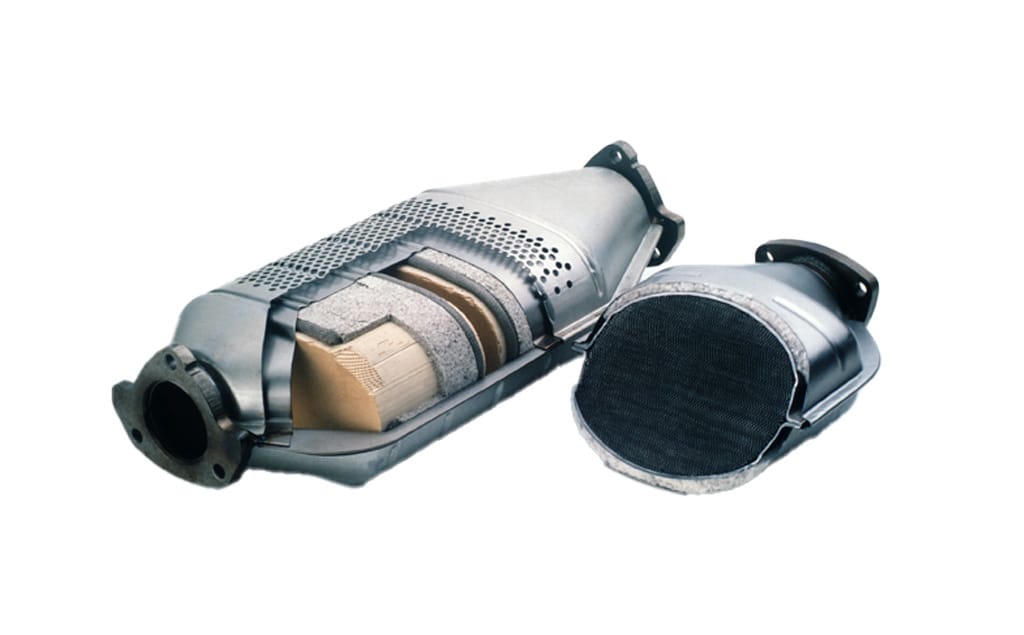
เอ ตัวเร่งปฏิกิริยาสามทาง is an essential component of a car’s exhaust system. It converts harmful emissions — carbon monoxide (CO), hydrocarbons (HC), and nitrogen oxides (NOx) — into less toxic gases such as carbon dioxide, nitrogen, and water vapor. The converter contains valuable metals such as platinum, palladium, and rhodium. These metals make it a lucrative target for thieves.
Over the past decade, catalytic converter thefts have surged globally. High metal prices, easy access underneath certain vehicles, and insufficient law enforcement deterrents have fueled the rise. Many drivers discover the theft only when they start the car and hear the loud roar of an open exhaust system.
However, not every attempt ends in success. Some thieves are interrupted, some misjudge the difficulty, and others encounter unexpected resistance — both mechanical and environmental.

2. Why the Theft Attempt Failed in This Case
The story begins with a car owner noticing an unusual exhaust smell. After inspection, they discovered that the converter shield had been cut — a clear sign of an attempted theft. Surprisingly, the catalytic converter itself remained intact.
So, what prevented the thief from completing the job? Several technical and situational factors could explain this.
2.1 Rusted Bolts and Old Exhaust Components
Aging exhaust systems often develop heavy rust, especially in regions with snow, rain, or humidity. Rusted bolts can fuse to the surrounding metal, making removal extremely difficult without specialized tools.
In this case, rust may have acted as a natural defense system. A thief using a battery-powered reciprocating saw could easily start cutting but quickly realize that the corroded fasteners or hardened shield edges would take too long to finish. Time pressure is the thief’s greatest enemy — they prefer quick, silent jobs that take less than two minutes.
| เงื่อนไข | Effect on Theft Attempt | Difficulty Level |
|---|---|---|
| New, clean bolts | Easy to remove | Low |
| Moderate rust | Slows cutting and increases noise | ปานกลาง |
| Heavy corrosion | Can jam saw blades or break teeth | สูง |
Thus, rusted bolts may have been one of the key reasons the converter remained safe.
2.2 Blade Pinching and Saw Damage
The report mentioned that the thief sliced through the shield but stopped midway. That suggests a saw blade jam. Thin reciprocating saw blades can easily bend or break if they pinch between metal layers, especially when cutting at an awkward angle.
When the blade binds, friction generates heat and smoke, making noise that attracts attention. A spooked thief might drop the attempt immediately.
In many theft cases, investigators find broken blades or partial cuts underneath the car — physical proof of a failed attempt.
2.3 The Human Factor: Thieves Spooked by Movement or Noise
Another likely reason is psychological: fear of being caught.
Even though lights, motion sensors, and cameras rarely stop thefts entirely, they can still make a thief nervous. The hum of an approaching car, a barking dog, or a flashlight beam can cause them to flee. Thieves work in teams, but sometimes they act alone. If one hears a sound or sees a light flicker, they might panic and run.
The owner in this story parked near a public park. It’s entirely possible a passing pedestrian or security patrol appeared at the wrong moment, forcing the thief to retreat.
2.4 Rain, Humidity, and Metal Heating
The next day, the owner drove through heavy rain and noticed a strange smell from the exhaust. Moisture can alter metal hardness and electrical conductivity. When a saw blade gets hot, sudden contact with rainwater may “cook” or warp the metal surface, creating additional resistance.
High humidity (80–95%) can also corrode thin metal layers overnight, further complicating any second attempt. Essentially, nature added an extra layer of protection.
2.5 Incomplete Cutting Strategy
Professional catalytic converter thieves usually know exactly where to cut: two precise sections on the exhaust pipe, often before and after the converter, and a quick snip of the O₂ sensor wire.
However, inexperienced thieves often attack the shield หรือ heat cover, wasting time and energy. If they don’t have a proper jack or access angle, cutting becomes slower and noisier.
The thief in this case likely lacked skill or preparation. Without the correct approach, removing a converter becomes nearly impossible.
3. The Science Behind Three-Way Catalytic Converter Design
เอ ตัวเร่งปฏิกิริยาสามทาง (TWC) consists of:
- Outer Shell: Stainless steel housing that resists corrosion and extreme heat.
- พื้นผิว: A honeycomb or ceramic monolith coated with precious metals.
- เสื้อโค้ท: A layer that increases surface area for chemical reactions.
- Oxygen Sensors: Electronic devices that monitor exhaust gas composition.
| ส่วนประกอบ | วัสดุ | Purpose | Impact on Theft Difficulty |
|---|---|---|---|
| Outer shell | Stainless steel | Protect internal catalyst | สูง |
| Substrate | Ceramic/honeycomb | Support catalyst coating | ปานกลาง |
| Shield | Aluminum or steel | Deflect heat and debris | Low–Medium |
| Mounting bolts | Steel (often rusted) | Attach converter | สูง |
From this table, it’s clear that the converter’s robust materials play a key defensive role, especially when combined with age-related corrosion.
4. Why SUVs and Trucks Are Easier Targets
Ground clearance is a critical factor. Most thieves prefer SUVs, pickup trucks, and vans because they can slide underneath without a jack. The less time and equipment required, the safer the job for them.
Sedans and compact cars sit much lower. Accessing the converter requires lifting the car, which creates noise and takes extra time. This makes them less attractive targets, especially in residential driveways.
5. Preventive Measures: How to Protect Your Converter
Here are some practical ways to reduce the risk:
| Protection Method | คำอธิบาย | ประสิทธิผล |
|---|---|---|
| Catalytic converter shield | A metal plate covering the converter | ⭐⭐⭐⭐☆ |
| Anti-theft cages or clamps | Reinforced steel cage around converter | ⭐⭐⭐⭐☆ |
| Etching VIN or ID | Marks converter as traceable | ⭐⭐⭐☆☆ |
| Parking in secure areas | Garages or monitored lots | ⭐⭐⭐⭐☆ |
| Motion alarm or tilt sensor | Detects cutting or movement | ⭐⭐⭐⭐⭐ |
| Comprehensive insurance | Covers theft and damage | ⭐⭐⭐⭐☆ |
Adding a ตัวเร่งปฏิกิริยาสามทาง shield is one of the most effective and cost-efficient methods. Combined with parking strategies and alarms, it greatly increases the time and risk required for thieves.
6. The Scrap Metal Problem
Some scrap yards and metal recyclers still buy converters without verifying ownership. However, new regulations in the U.S., U.K., and Australia now require identification, cashless transactions, and documentation to curb illegal trade.
Despite these laws, underground markets continue to operate, often online or via temporary dealers. Responsible recycling remains essential to sustainability, but enforcement must strengthen to stop the black market.
7. Environmental and Human Factors in Theft Prevention
Cold weather promotes rust, making cutting slower. Rain and humidity warp saw blades and reduce thief activity. Urban noise helps conceal cutting, while rural stillness can expose it. Understanding these factors helps owners plan smarter parking strategies.
Criminal behavior studies show that theft occurs when motivation, opportunity, and lack of guardianship align. Disrupting even one of these conditions can stop a theft in progress.
8. Modern Technology Against Converter Theft
Modern prevention technologies include:
- GPS-enabled motion sensors.
- AI cameras detecting cutting patterns.
- Noise recognition alarms linked to smartphones.
Some manufacturers are developing integrated sensors in ตัวเร่งปฏิกิริยาสามทาง themselves, which notify owners when tampering begins.
9. Economic Impact of Catalytic Converter Theft
Replacing a stolen converter can cost between $800 and $2,500, sometimes up to $3,500 for hybrids. Damage to sensors, pipes, and mounting brackets increases expenses. Preventive protection is far cheaper and saves long-term repair costs.
10. บทสรุป
The failed theft in this case wasn’t just luck. It resulted from a combination of mechanical resistance, environmental effects, and human hesitation. Rusted bolts, thick shields, blade jamming, humidity, and fear of detection all worked together to stop the thief.
เอ ตัวเร่งปฏิกิริยาสามทาง is valuable but vulnerable. Understanding its design, risks, and defenses allows drivers to protect it effectively. The key is combining mechanical protection, awareness, and smart technology to ensure safety in an era of rising catalytic converter theft.