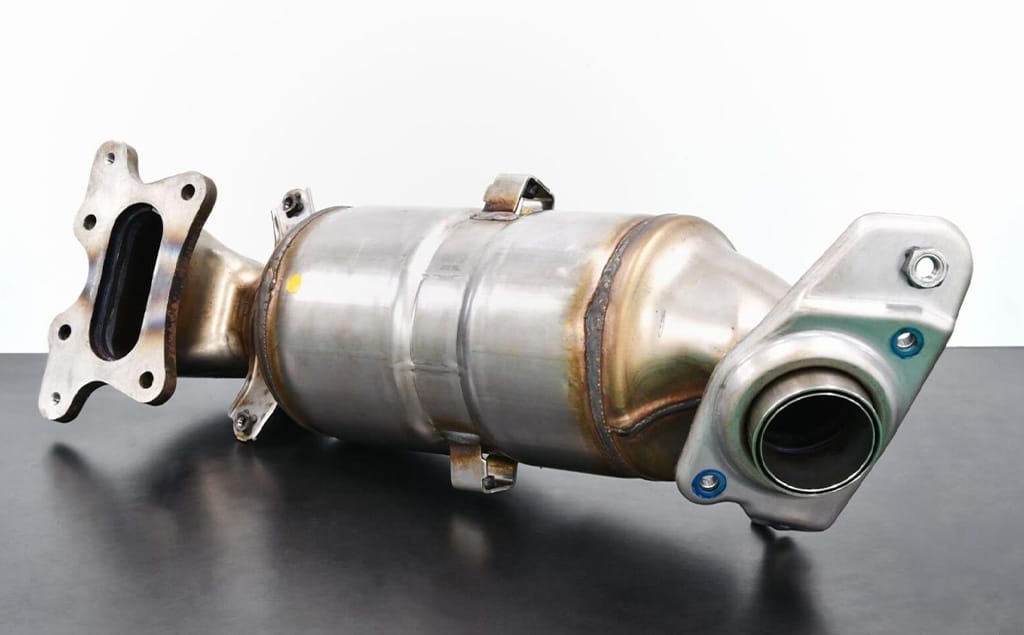
Selecting the right catalytic converter supplier is crucial for ensuring quality, performance, and compliance with emission standards. Whether you’re an automotive manufacturer, workshop, or distributor, partnering with a reliable supplier can make a huge difference in cost efficiency and customer satisfaction. This guide will help you identify what to look for and how to evaluate suppliers effectively.
1. Verify Certification and Compliance
A trustworthy supplier must comply with international emission and manufacturing standards. Check if their products are certified by authorities like EPA (Environmental Protection Agency), CARB (California Air Resources Board)або Євро-стандарти викидів. Certifications prove that the catalytic converters meet emission control requirements and are legally acceptable in your region.
| Certification Type | Applicable Region | Мета |
|---|---|---|
| EPA / CARB | USA | Legal compliance and emission control verification |
| Euro IV–VI | Europe / Asia | Compliance with regional emission standards |
| ISO 9001 / TS16949 | Global | Quality management system certification |
2. Evaluate Material Quality
The material used directly impacts the converter’s lifespan and efficiency. Reliable suppliers use high-grade stainless steel for shells and ceramic or metallic substrates with appropriate cell densities.
| Компонент | Recommended Material | Key Benefit |
|---|---|---|
| Shell | Stainless steel / High-nickel alloy | Corrosion resistance and durability |
| Substrate | Ceramic (400–600 CPSI) / Metallic | High flow rate and thermal stability |
| Coating | Платина, паладій, родій | Effective emission conversion |
3. Ask About Testing and Quality Control
A strong quality assurance system ensures every catalytic converter performs consistently. Reputable suppliers conduct tests like thermal shock resistance, протитиск, та ефективність перетворення evaluations.
| Тип тесту | Objective | Typical Result |
|---|---|---|
| Thermal Aging Test | Check heat endurance | Withstands 900°C cycles |
| Flow Rate / Backpressure | Evaluate exhaust flow efficiency | Optimal pressure balance |
| Conversion Efficiency | Measure pollutant reduction rate | 90–98% efficiency |
4. Check Production Capabilities and Capacity
A supplier’s production scale indicates their reliability in handling large or urgent orders. Visit their factory if possible or request a virtual tour.
| Фактор | Indicator of Reliability |
|---|---|
| Manufacturing Facilities | Automated lines, robotic welding |
| Monthly Output | Stable production volume |
| Inspection | 100% in-process quality check |
5. Consider R&D and Innovation
Leading suppliers invest in research and development (R&D) to keep up with changing emission regulations and vehicle technologies.
| Evaluation Point | Why It Matters |
|---|---|
| Emission Standard Updates | Ensures compatibility with future Euro 7 / EPA Tier 3 laws |
| Design Customization | Matches different vehicle specifications |
| Innovation Frequency | Reflects ongoing technological improvement |
6. Review After-Sales Support and Warranty
Excellent after-sales service is a sign of confidence in product quality.
| Support Element | Ideal Practice |
|---|---|
| Гарантія | 12–24 months coverage |
| Technical Support | Available via call or online consultation |
| Claim Handling | Fast and transparent response time |
7. Compare Pricing and Delivery Time
Price should never be your only factor—but it still matters. Balance cost with quality, warranty, and compliance.
| Аспект | Good Standard |
|---|---|
| Ціна | Competitive and transparent |
| Час виконання | 3–15 days typical |
| Упаковка | Secure and export-compliant |
Final Thoughts
Choosing the right catalytic converter supplier involves more than finding the lowest price—it’s about reliability, quality, and long-term partnership. Focus on certifications, materials, quality testing, R&D capacity, and after-sales service. With the right supplier, you’ll reduce warranty issues, enhance brand reputation, and ensure compliance with evolving emission regulations.