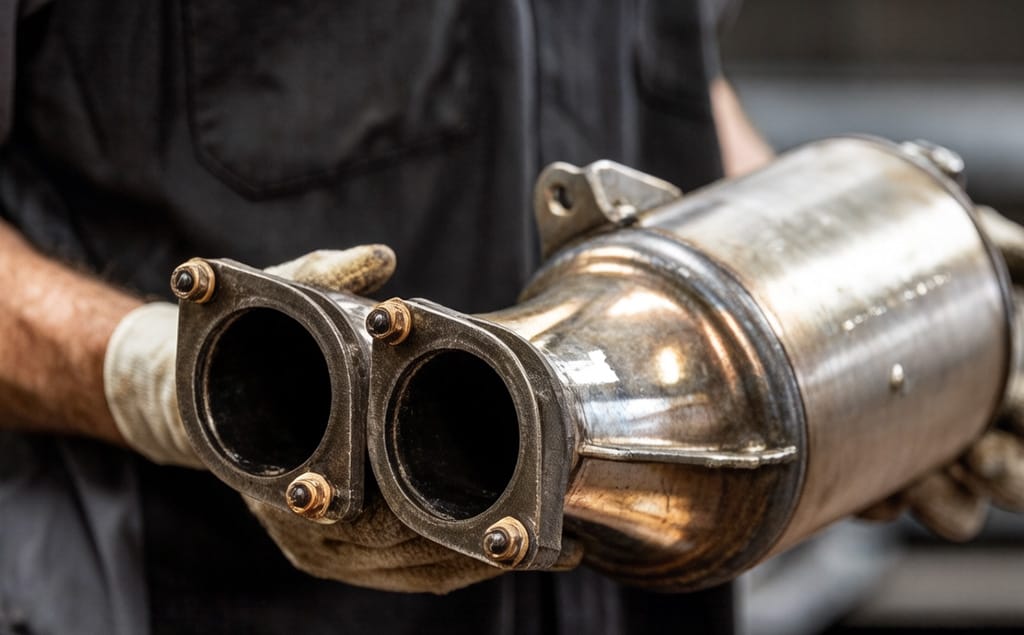
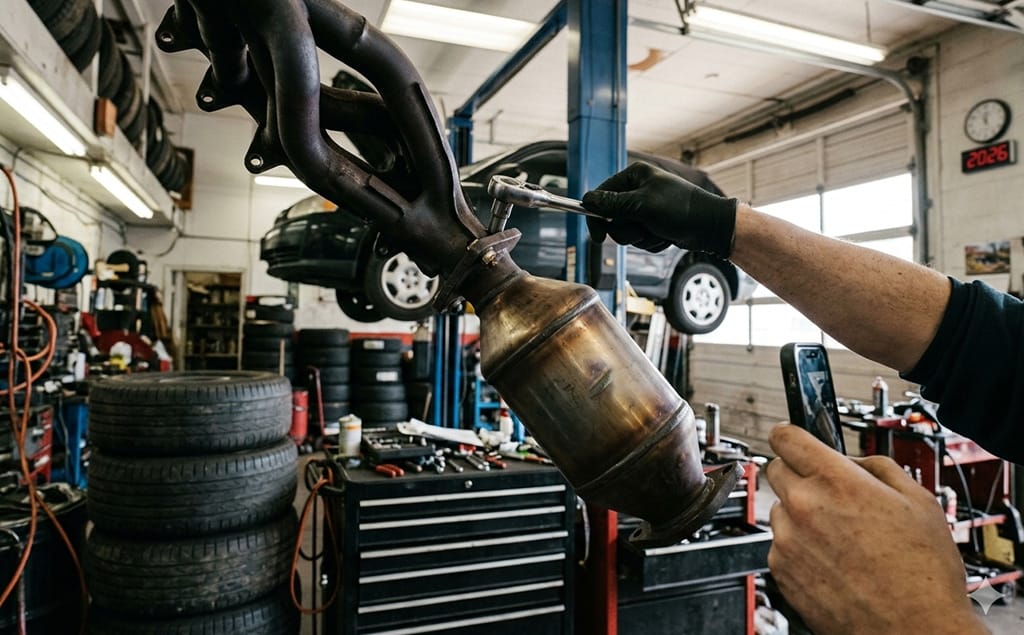
جدید آٹوموٹو دنیا میں، کیٹلیٹک کنورٹرز نقصان دہ اخراج کو کم کرنے میں اہم کردار ادا کریں۔ پھر بھی، ہر اعلیٰ کارکردگی کے پیچھے، ماحول دوست کیٹلیٹک کنورٹر ایک پیچیدہ، ابھرتا ہوا ڈیزائن ہے جو تیزی سے سختی سے چلتا ہے۔ اخراج کے معیارات. ماحولیاتی ایجنسیوں کے ذریعہ عالمی سطح پر نافذ کیے گئے یہ معیارات، گاڑیوں کو آلودگی پھیلانے والے مادوں کی مقدار کا حکم دیتے ہیں اور اس کے نتیجے میں، کیٹلیٹک کنورٹرز کے ڈیزائن اور ٹیکنالوجی کو تشکیل دیتے ہیں۔ اس مضمون میں، ہم کے درمیان تعلقات میں delve کریں گے emission regulations اور کیٹلیٹک کنورٹر ڈیزائن، اس بات کی کھوج کرتے ہوئے کہ یہ معیار ان ضروری اجزاء کے پیچھے ٹیکنالوجی پر کیسے اثر انداز ہوتے ہیں۔

1. اخراج کے معیارات کیا ہیں اور وہ کیوں اہمیت رکھتے ہیں؟
Emission standards are regulations set by governments to limit the amount of harmful pollutants that vehicles are allowed to emit into the atmosphere. These regulations have been a cornerstone in the fight against فضائی آلودگی and its related health impacts, such as respiratory diseases, smog, and acid rain. Key pollutants targeted by emission standards include nitrogen oxides (NOx), hydrocarbons (HC), and carbon monoxide (CO). For diesel engines, additional focus is placed on reducing particulate matter (PM) and NOx emissions.
The U.S. Environmental Protection Agency (EPA) اور California Air Resources Board (CARB) set some of the most stringent standards for vehicle emissions. In Europe, the Euro Standards (from Euro 1 to the upcoming Euro 7) tighten the limits on vehicle emissions, while چین has also developed strict standards aligned with global practices. These regulations are crucial for mitigating the negative impacts of گاڑیوں کے اخراج on both public health and the environment.
2. اخراج کنٹرول میں کیٹلیٹک کنورٹرز کا کردار
A اتپریرک کنورٹر is a crucial part of a vehicle’s اخراج کا نظام, designed to reduce harmful emissions by converting toxic gases into less harmful substances. It achieves this through a series of کیمیائی رد عمل facilitated by قیمتی دھاتیں like پلاٹینم, پیلیڈیم, and روڈیم. The main pollutants—کاربن مونو آکسائیڈ, ہائیڈرو کاربن, and نائٹروجن آکسائیڈ—are converted into کاربن ڈائی آکسائیڈ, پانی, and نائٹروجن, which are less harmful to the environment.
The catalytic converter works in tandem with the engine control unit (ECU), which ensures the engine operates within the optimal ہوا کے ایندھن کا تناسب for efficient combustion. These chemical reactions, particularly in modern three-way catalytic converters (TWC), are essential in meeting the increasingly stringent اخراج کے معیارات set by environmental agencies.

3. کیٹلیٹک کنورٹر ڈیزائن پر اخراج کے معیارات کا اثر
As emission regulations become stricter, the design and technology of کیٹلیٹک کنورٹرز have evolved significantly. One of the most direct impacts of tightening emission standards is the increased need for more efficient aftertreatment systems that can handle higher pollutant levels in the exhaust. Engineers have responded by developing more complex catalyst formulations, improving the overall efficiency of the converter.
For instance, the increasing demands for reducing NOx emissions have led to the development of selective catalytic reduction (SCR) systems and advanced diesel particulate filters (DPFs). These systems, often used in tandem with the اتپریرک کنورٹر, ensure that diesel vehicles meet stricter emission standards. The advent of Euro 6 and Euro 7 regulations is pushing further innovation in converter design, leading to more sophisticated solutions for controlling emissions at various engine operating conditions.
4. کیٹلیٹک کنورٹر کی ساخت: قیمتی دھاتیں اور ان کا کردار
The most effective catalytic converters rely heavily on قیمتی دھاتیں such as platinum (Pt), palladium (Pd), and rhodium (Rh). These metals act as اتپریرک that speed up the chemical reactions required to convert harmful gases into less harmful substances. Here’s how they contribute:
- پلاٹینم and پیلیڈیم کے لئے بنیادی طور پر ذمہ دار ہیں آکسیکرن کی کاربن مونو آکسائیڈ (CO) into کاربن ڈائی آکسائیڈ (CO₂) اور ہائیڈرو کاربن (HC) into کاربن ڈائی آکسائیڈ and پانی (H₂O)۔
- روڈیم is crucial for NOx میں کمی, converting nitrogen oxides into نائٹروجن (N₂) اور آکسیجن (O₂). Rhodium is essential because no substitute material can perform this task as efficiently.
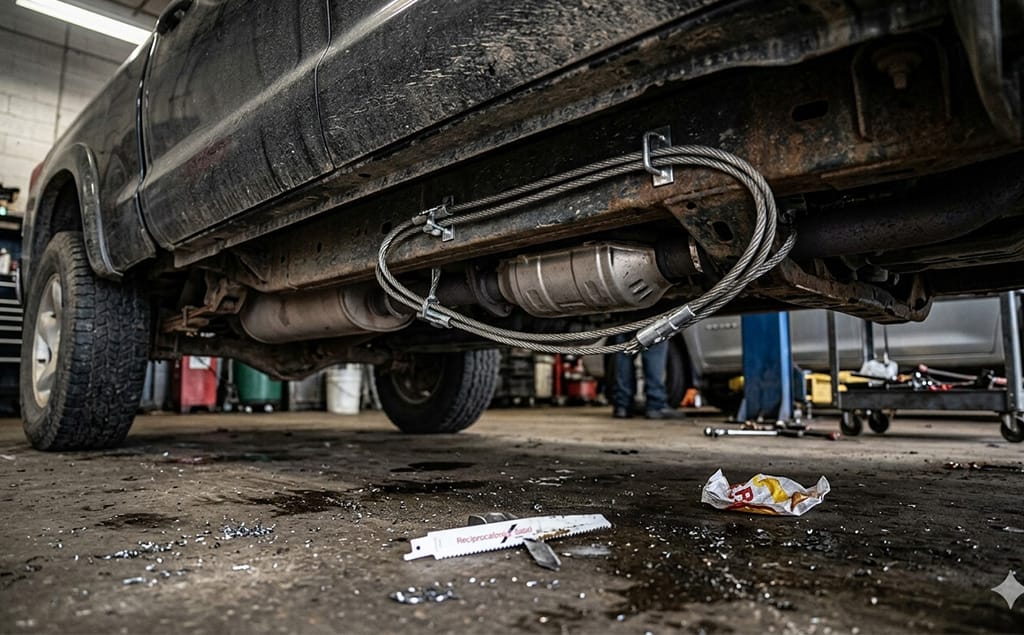
With emission regulations becoming stricter, the demand for higher catalyst loadings—more platinum, palladium, and rhodium—has increased, making catalytic converters more expensive and more vulnerable to theft.
5. سبسٹریٹ ڈیزائن: ہنی کامب کی ساخت اور کارکردگی
The substrate of a catalytic converter is the support structure that holds the precious metal catalyst in place. The substrate design is crucial in ensuring high conversion efficiency while maintaining optimal اخراج کا بہاؤ. Modern converters have substrates with a honeycomb structure, which provides a high surface area for the catalytic reactions to occur.
Cell density, measured in cells per square inch (CPSI), directly impacts the efficiency of the catalytic converter. Higher CPSI values provide more surface area for reactions, increasing the converter’s efficiency. However, this also leads to higher exhaust backpressure, which can slightly reduce engine performance. Balancing بیک پریشر and conversion efficiency is a delicate task for engineers.
Furthermore, thinner substrate walls allow the catalytic converter to reach its optimal operating temperature (known as “light-off”) faster, which is crucial for reducing emissions immediately after starting the vehicle.

6. اخراج کنٹرول سسٹمز کا ارتقاء: سادہ فلٹرز سے لے کر پیچیدہ نظام تک
Over the years, emission control systems have evolved from simple exhaust filters to sophisticated, multi-layered chemical treatment systems. The development of the three-way catalytic converter (TWC) allowed for simultaneous control of کاربن مونو آکسائیڈ, ہائیڈرو کاربن, and NOx, making it the standard for gasoline vehicles.
However, the increasing strictness of diesel emission standards led to the development of more complex systems, such as:
- Diesel particulate filters (DPFs): These capture and burn particulate matter (soot) from diesel engines.
- Selective catalytic reduction (SCR): This system uses a urea solution (AdBlue®) to reduce NOx emissions in diesel vehicles.
آج کے اخراج کے نظام سینسرز، ایکچیوٹرز، اور ایک سے زیادہ کیٹلیٹک کنورٹرز کا ایک پیچیدہ مجموعہ ہیں، جو انہیں زیادہ موثر بلکہ مزید پیچیدہ بھی بناتے ہیں۔
7. گیسولین اور ڈیزل کیٹلیٹک کنورٹرز پر اخراج کے معیارات کا اثر
جب کہ پٹرول اور ڈیزل دونوں انجنوں میں کیٹلیٹک کنورٹرز ہوتے ہیں، ڈیزائن اور تقاضے ان کے اخراج کی الگ نوعیت کی وجہ سے نمایاں طور پر مختلف ہوتے ہیں:
- پٹرول انجن: Gasoline engines primarily produce کاربن مونو آکسائیڈ, ہائیڈرو کاربن, and NOx, which are controlled by the تین طرفہ کیٹلیٹک کنورٹر. The converter works best at a precise air-fuel ratio, which is monitored by the oxygen sensor and adjusted by the engine control unit (ECU).
- ڈیزل انجن: Diesel engines produce more particulate matter (PM) and NOx, which requires specialized systems. Diesel engines are generally “lean-burn” and have higher oxygen content in the exhaust, making traditional three-way catalytic converters ineffective. Diesel vehicles often use ایس سی آر and DPFs alongside catalytic converters to meet Euro 6 and Euro 7 standards.
انجن کی دونوں اقسام کو ہمیشہ سخت ہونے والے معیارات پر پورا اترنا چاہیے، جو انجینئرز کو زیادہ نفیس اور موثر نظام تیار کرنے پر مجبور کرتے ہیں۔

8. کیٹلیٹک کنورٹر ڈیزائن میں تکنیکی اختراعات
جیسا کہ اخراج کے معیارات مسلسل تیار ہوتے رہتے ہیں، کیٹلیٹک کنورٹر ٹیکنالوجی نے نمایاں ترقی دیکھی ہے، بشمول:
- Layered catalyst coatings: Engineers are developing multi-layer coatings that use different combinations of precious metals for various sections of the catalyst, optimizing it for different exhaust temperatures and flow rates.
- Electrically heated catalysts (EHCs): In response to new regulations focusing on cold-start emissions, some vehicles are adopting EHCs, which preheat the catalytic converter before the engine starts to improve efficiency and reduce emissions immediately.
These innovations are designed to meet real-world driving conditions, ensuring that vehicles perform efficiently while keeping harmful pollutants to a minimum.
9. مستقبل کے اخراج کے معیارات کو پورا کرنے میں چیلنجز اور مواقع
As new standards like Euro 7 are introduced, vehicle manufacturers face new challenges in ensuring that their catalytic converters remain effective. Some of these challenges include:
- Lowering cold-start emissions: Regulations are increasingly focusing on reducing emissions during the first few seconds after a vehicle starts.
- Expanding pollutant control: New standards may begin to focus on additional pollutants such as ammonia (NH₃) and nitrous oxide (N₂O), which will require further innovation in catalyst technology.
While these challenges are significant, they also present opportunities for engineers to push the boundaries of catalytic converter design and continue improving vehicle emissions systems.
10. کیٹلیٹک کنورٹر ڈیزائن کا مستقبل: یورو 7 اور اس سے آگے کی ملاقات
As Euro 7 and other stringent global regulations are implemented, the future of catalytic converter design will be driven by innovation. The increasing focus on reducing pollutants at all stages of driving—especially cold starts—will lead to further development of electrically heated catalysts and more sophisticated emission control systems. Additionally, as the industry moves toward zero-emission vehicles, the role of the catalytic converter will shift, but its foundational importance in environmental protection will remain undeniable.
نتیجہ
The evolution of اتپریرک کنورٹر design is a testament to the innovation driven by tightening اخراج کے معیارات. From the introduction of the تین طرفہ کیٹلیٹک کنورٹر to the rise of electrically heated catalysts, these technologies reflect the automotive industry’s commitment to reducing harmful emissions and improving air quality. As emission regulations continue to evolve, so too will the اتپریرک کنورٹر, ensuring that it remains a critical component in the effort to protect our environment.