Giới thiệu: Thành phần vô hình có giá trị cao
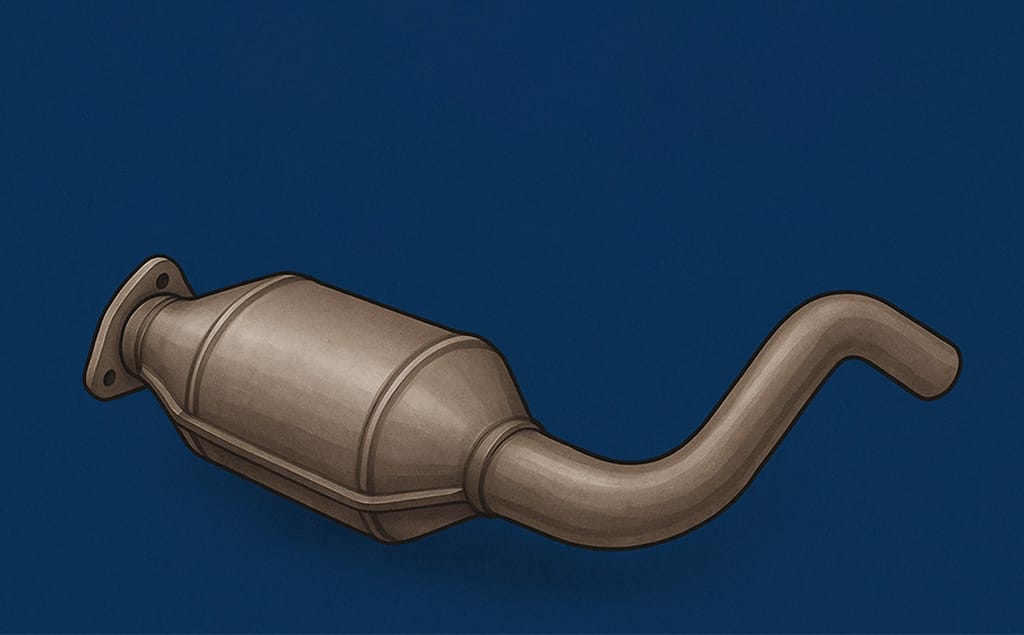
Hệ thống khí thải của một chiếc xe hiện đại vẫn là một điều bí ẩn đối với hầu hết người lái xe cho đến khi đèn cảnh báo trên bảng điều khiển nhấp nháy. Trái tim của hệ thống này nằm ở... bộ chuyển đổi xúc tác ba chiềuBộ phận này là một trong những chi tiết tiên tiến nhất về mặt công nghệ của động cơ đốt trong. Nó đóng vai trò như một phòng thí nghiệm hóa học di động. Nó chuyển hóa các sản phẩm phụ độc hại của động cơ thành không khí có thể hít thở được thông qua các phản ứng phức tạp.
Tuy nhiên, khi bộ phận này hỏng, chủ xe phải đối mặt với một quyết định tài chính lớn. Việc thay thế một bộ phận như vậy tốn kém rất nhiều chi phí. bộ chuyển đổi xúc tác ba chiều Việc này đòi hỏi phải nắm vững một loạt các luật lệ khu vực, thị trường kim loại và thiết kế cơ khí phức tạp. Hướng dẫn này giải thích chính xác những gì bạn đang trả tiền. Chúng tôi cung cấp dữ liệu bạn cần để tránh khoản "phụ phí của thợ máy" thường thấy trong hóa đơn sửa chữa tiếp theo của bạn.
Nguyên lý hoạt động bên trong của bộ chuyển đổi xúc tác ba chiều: Bộ chuyển đổi xúc tác ba chiều hoạt động như thế nào?
MỘT bộ chuyển đổi xúc tác ba chiều Nó thực hiện đồng thời ba nhiệm vụ hóa học quan trọng. Thứ nhất, nó sử dụng phản ứng “khử” để tách oxy ra khỏi oxit nitơ ($NOx$). Quá trình này tạo ra khí nitơ vô hại. Thứ hai, nó sử dụng phản ứng “oxy hóa” để chuyển đổi carbon monoxide ($CO$) thành carbon dioxide ($CO_2$). Thứ ba, nó oxy hóa các hiđrocacbon chưa cháy ($HC$) thành hơi nước.
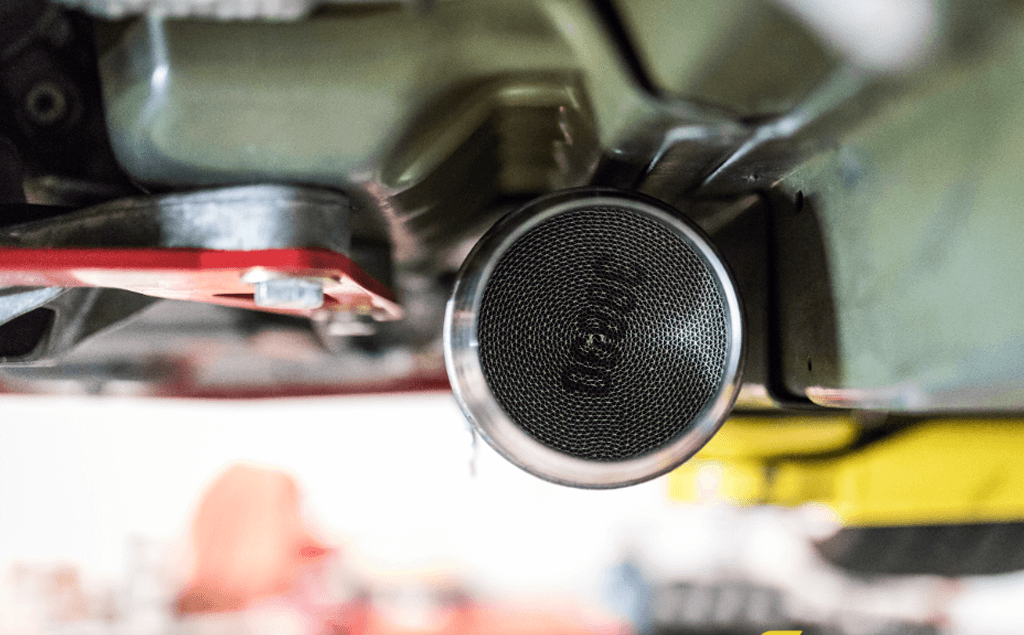
Để đạt được các phản ứng này ở nhiệt độ cao, các nhà sản xuất sử dụng cấu trúc tổ ong bằng gốm. Họ phủ lên “chất nền” này một lớp kim loại quý. Các kim loại này—Bạch kim, Palladium và Rhodium—đóng vai trò là chất xúc tác. Chúng không bị hao mòn trong chính phản ứng. Tuy nhiên, chúng có thể bị “nhiễm độc” bởi dầu động cơ, chất làm mát hoặc nhiên liệu có chì. Khi diện tích bề mặt của các kim loại này bị suy giảm, bộ chuyển đổi xúc tác ba chiều mất đi hiệu quả.

Hiểu rõ sự chênh lệch chi phí: Tại sao một số sản phẩm lại có giá 3.000 đô la?
The price of a bộ chuyển đổi xúc tác ba chiều Tùy thuộc vào thiết kế và mật độ kim loại quý.
1. Các cụm lắp ráp tích hợp đa dạng
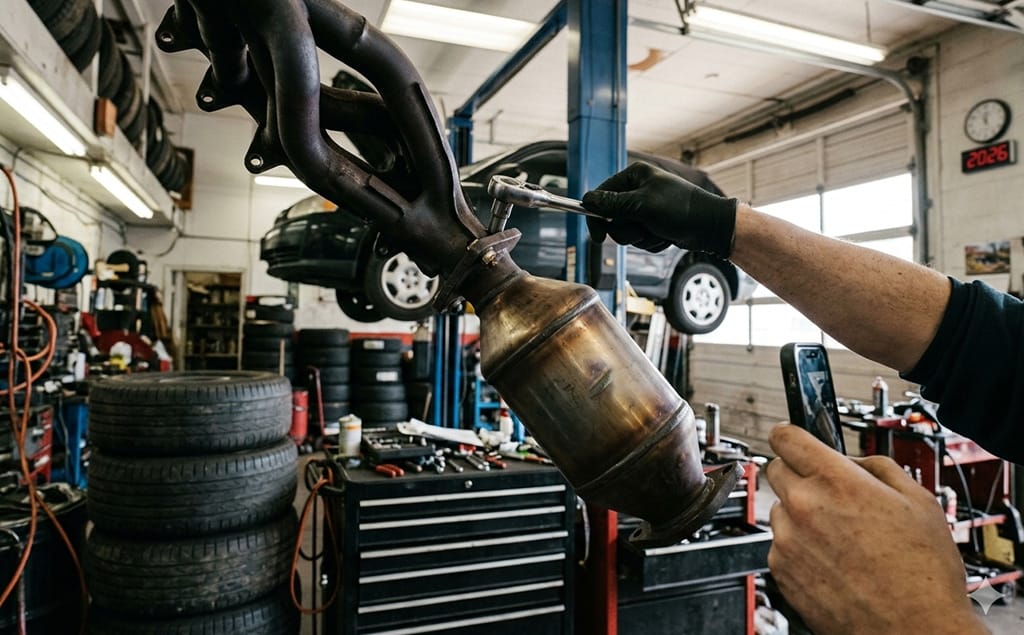
Nhiều xe hiện đại, chẳng hạn như Mazda 3 hoặc các dòng SUV V6 khác nhau, sử dụng các cụm “tích hợp vào ống dẫn”. Trong thiết kế này, nhà sản xuất hàn các bộ phận lại với nhau. bộ chuyển đổi xúc tác ba chiều trực tiếp vào ống xả.
- Yếu tố chi phí: Bạn không thể chỉ thay thế bộ lọc bên trong. Bạn phải mua toàn bộ cụm lọc nặng bằng gang hoặc thép không gỉ.
- Khoảng giá: Giá của chúng thường dao động từ 600 đến 3.000 đô la.
2. Bộ phận lắp đặt trực tiếp so với bộ phận đa năng
Nếu xe của bạn sử dụng "ống dẫn giữa" bộ chuyển đổi xúc tác ba chiềuBạn có hai lựa chọn chính:
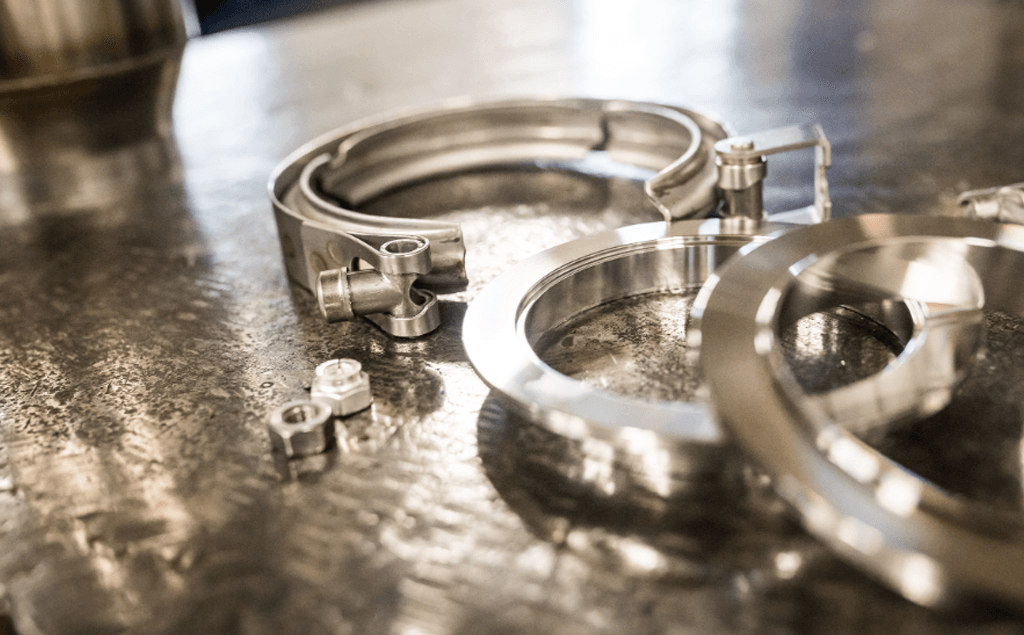
- Vừa khít trực tiếp: Các bộ phận này hoàn toàn khớp với hình dạng ban đầu của nhà máy. Chúng bao gồm các mặt bích và lỗ cắm cảm biến chuyên dụng. Bạn thường có thể tự lắp đặt chúng với các dụng cụ cơ bản.
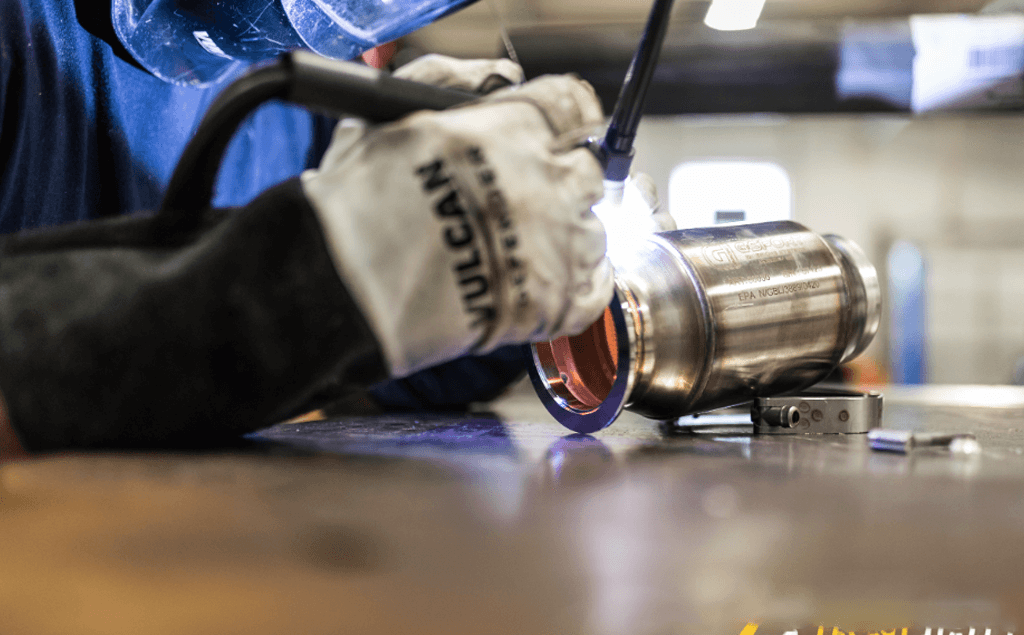
- Phổ quát: Đây là các loại ống pô thông dụng. Cần phải đến một cửa hàng sửa chữa ống pô chuyên nghiệp để cắt bỏ các ống cũ và hàn ống mới. bộ chuyển đổi xúc tác ba chiều đã được lắp đặt. Mặc dù linh kiện rẻ hơn, nhưng chi phí nhân công hàn chất lượng cao sẽ đẩy giá thành cuối cùng lên cao hơn.
Quy định khu vực: Giải thích về “Thuế California”
Vị trí địa lý quyết định chi phí sửa chữa của bạn nhiều hơn là thương hiệu xe. Hoa Kỳ duy trì hai loại khí thải chính: Liên bang (Cơ quan Bảo vệ Môi trường Hoa Kỳ (EPA)) và California (CARB).
Nếu bạn sống ở California, New York, Colorado hoặc Maine, bạn phải lắp đặt thiết bị tuân thủ tiêu chuẩn CARB. bộ chuyển đổi xúc tác ba chiềuCác thiết bị này yêu cầu lượng kim loại quý được "nạp" nhiều hơn đáng kể. Điều này đảm bảo chúng duy trì hiệu quả hoạt động trong hơn 100.000 dặm.
- Trung bình đơn vị liên bang: $400 – $600
- Đơn vị CARB trung bình: $1,000 – $1,600
| Mô hình xe | Emission Standard | Loại bộ phận | Tổng chi phí ước tính (năm 2026) |
|---|---|---|---|
| Toyota Camry SE 2020 | Liên bang (NC, TX) | Vừa khít trực tiếp | 1.255 đô la – 1.795 đô la |
| Chevrolet Equinox 2019 | Liên bang (FL, GA) | Vừa khít trực tiếp | 1.505 đô la – 1.840 đô la |
| Volkswagen Passat 2021 | CARB (CA, NY) | Bộ phận phân phối | 2.386 đô la – 2.529 đô la |
| Ford F-150 Raptor 2018 | Liên bang (AL, TN) | Bộ đôi mèo | 1.800 đô la – 3.474 đô la |
| Honda Civic 2015 | Phổ quát | Hàn vào | 450 đô la – 750 đô la |
Khắc phục sự cố: Bộ chuyển đổi của bạn có thực sự bị hỏng không?
Thợ máy thường chẩn đoán sai. bộ chuyển đổi xúc tác ba chiều Thất bại. Vì việc sửa chữa mang lại lợi nhuận cao, một số cửa hàng bỏ qua bước kiểm tra đúng cách. Trước tiên, hãy thực hiện các bước chẩn đoán sau:
1. Kiểm tra cảm biến oxy
Xe hơi hiện đại sử dụng hai cảm biến oxy cho mỗi lít/100km. bộ chuyển đổi xúc tác ba chiềuMột cảm biến được đặt trước bộ phận (phía thượng nguồn) và một cảm biến được đặt sau (phía hạ nguồn). Máy tính so sánh dữ liệu giữa hai cảm biến. Nếu cảm biến phía thượng nguồn gửi dữ liệu không chính xác, nó sẽ kích hoạt mã lỗi hiệu suất “P0420”. Việc thay thế một cảm biến giá 100 đô la thường giúp tiết kiệm được chi phí sửa chữa bộ chuyển đổi lên đến 2.000 đô la.
2. Kiểm tra rò rỉ khí thải
Ngay cả một lỗ rò nhỏ như kim châm trong ống dẫn cũng có thể hút không khí vào. Lượng oxy dư thừa này làm nhiễu cảm biến phía sau. Máy tính sau đó cho rằng... bộ chuyển đổi xúc tác ba chiều Đã hỏng. Luôn kiểm tra xem có vết muội than xung quanh gioăng trước khi mua phụ tùng mới.
3. Thử nghiệm áp suất ngược
Hãy yêu cầu kỹ thuật viên thực hiện kiểm tra áp suất ngược. Họ sẽ tháo cảm biến phía thượng nguồn và lắp đặt đồng hồ đo áp suất. Nếu áp suất vượt quá 1,5 PSI ở tốc độ 2.500 vòng/phút, thì... bộ chuyển đổi xúc tác ba chiều Nếu áp suất bình thường, thiết bị có thể chỉ bị "quá tải hóa chất". Một số phương pháp làm sạch chuyên dụng đôi khi có thể khôi phục lại hoạt động của các thiết bị này.
Thị trường phế liệu toàn cầu và phòng chống trộm cắp
Các bộ chuyển đổi xúc tác ba chiều Hiện nay, đây là bộ phận ô tô bị đánh cắp nhiều nhất trên toàn cầu. Điều này xuất phát từ "giá trị phế liệu" của các kim loại bên trong.
- Bạch kim: Rất quan trọng đối với nhiều ứng dụng công nghiệp khác nhau.
- Paladi: Cần thiết cho các thiết bị điện tử cao cấp.
- Rhodium: Đây là kim loại hiếm nhất trong ba loại. Giá thị trường của Rhodium trong lịch sử đã từng tăng vọt lên tới 20.000 đô la mỗi ounce.
Kẻ trộm có thể lấy đi một bộ chuyển đổi xúc tác ba chiều Chỉ trong vòng chưa đầy 60 giây với cưa chạy bằng pin. Để bảo vệ xe của bạn, chúng tôi khuyên bạn nên thực hiện các bước sau:
- Khắc số VIN: Khắc số nhận dạng xe (VIN) của bạn lên vỏ kim loại.
- Cài đặt tấm chắn: Mua một "lồng chắn mèo" hoặc một tấm chắn gầm dày để ngăn mèo tiếp cận.
- Đỗ xe hợp lý: Đỗ xe ở những khu vực có đủ ánh sáng hoặc sát tường để hạn chế gầm xe xâm nhập.

Phần kết luận
Thay thế một bộ chuyển đổi xúc tác ba chiều Đây là một sự kiện tài chính đáng kể. Tuy nhiên, nghiên cứu và sự kiên trì có thể giúp bạn giảm chi phí. Hãy bắt đầu bằng cách xác minh sự cố bằng thử nghiệm áp suất ngược. Xác nhận xem bạn cần bộ phận tuân thủ tiêu chuẩn CARB hay tiêu chuẩn liên bang. Nếu bạn lái xe đời cũ, giải pháp hàn nối đa năng sẽ mang lại giá trị tốt nhất. Đối với xe đời mới hơn, hãy sử dụng các bộ phận lắp đặt trực tiếp để duy trì hiệu suất động cơ. Luôn luôn mua phụ tùng từ các nhà cung cấp uy tín và tham khảo ý kiến thứ hai.