Giới thiệu
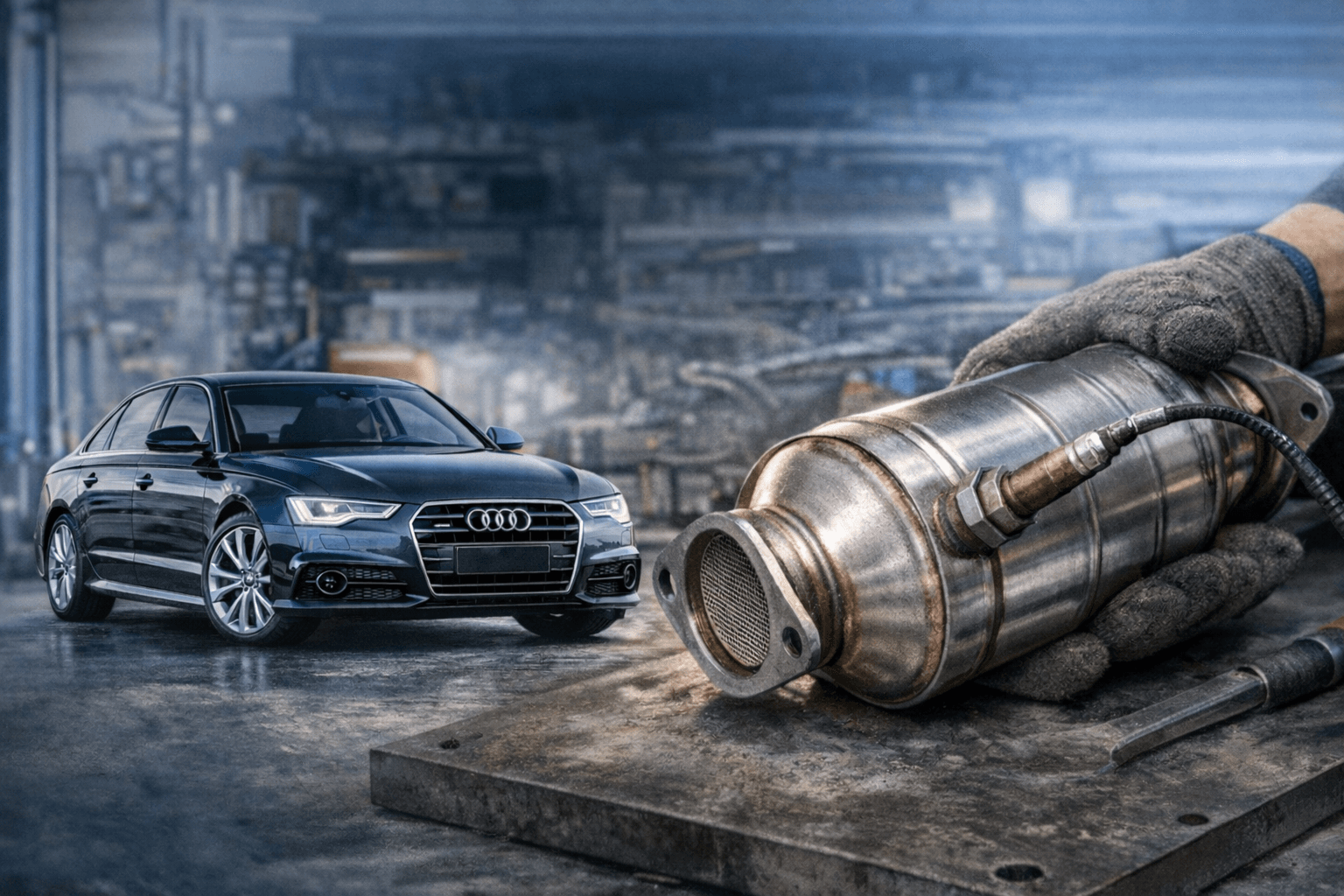
The Audi A6L 2.4 stands as a classic example of German executive engineering. This vehicle utilizes a refined V6 engine to deliver smooth power. However, maintaining its emission standards requires a functional bộ chuyển đổi xúc tác ba chiều. This component sits at the heart of the exhaust system. It performs a critical role in environmental protection. Owners often face a dilemma when the original unit fails. They must choose between expensive Original Equipment Manufacturer (OEM) parts and various aftermarket alternatives. This guide provides a scientific analysis of these options. We examine costs, material compositions, and technical fitment. Our goal is to help you make an informed decision for your Audi.
The Technical Role of the Three Way Catalytic Converter
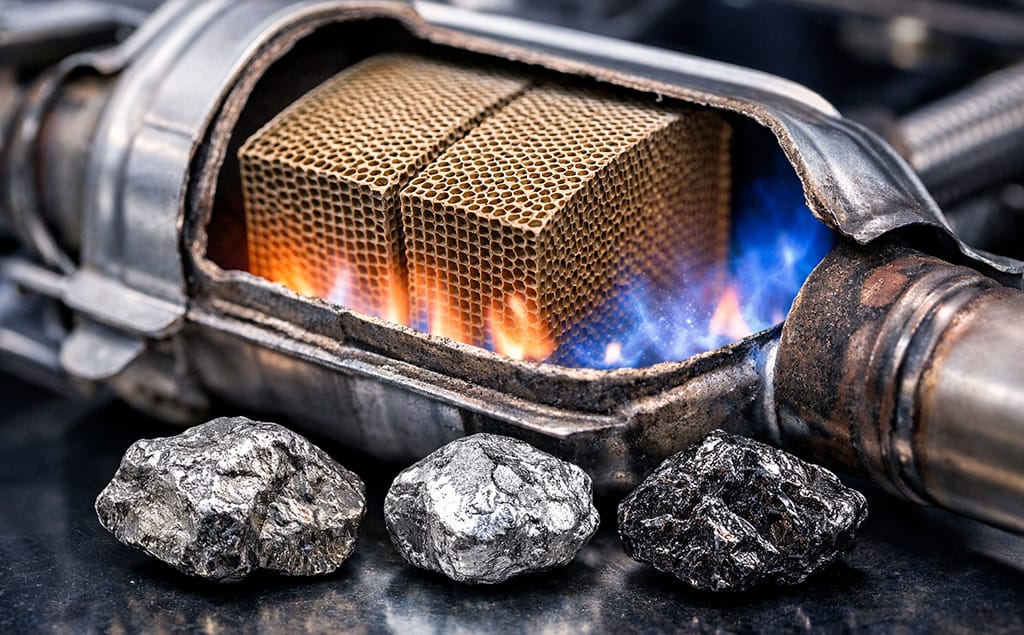
MỘT bộ chuyển đổi xúc tác ba chiều is not a simple filter. It is a complex chemical reactor. It handles three specific pollutants simultaneously. First, it reduces nitrogen oxides (NOx) into nitrogen and oxygen. Second, it oxidizes carbon monoxide (CO) into carbon dioxide. Third, it oxidizes unburnt hydrocarbons (HC) into water vapor. The Audi A6L 2.4 engine produces these gases in significant quantities. The converter uses a ceramic honeycomb structure to facilitate these reactions. This structure provides a massive surface area. Manufacturers coat this area with a “washcoat” of precious metals. Without this component, your Audi would fail every modern emission test. It would also emit a pungent, toxic odor.
Material Science: Why Precious Metals Matter
Hiệu quả của một bộ chuyển đổi xúc tác ba chiều depends on its internal chemistry. Three precious metals drive the process: Platinum (Pt), Palladium (Pd), and Rhodium (Rh). Platinum and Palladium act as oxidation catalysts. Rhodium serves as the primary reduction catalyst. Audi engineers specify a precise “loading” of these metals for the A6L 2.4. OEM converters contain a high concentration of these elements. This ensures the device remains active for over 100,000 miles.
Many budget aftermarket manufacturers reduce this metal loading to save costs. This reduction leads to premature failure. The engine control unit (ECU) detects this drop in efficiency. It then triggers the “Check Engine” light (CEL). You must understand that the price of a converter directly reflects its precious metal content.
OEM vs. Aftermarket: A Data Comparison
Choosing the right part requires a clear understanding of the trade-offs. We have compiled a comparison table to highlight the key differences between OEM units and high-quality aftermarket options.
| Comparison Feature | OEM (Audi Genuine) | High-Quality Aftermarket | Budget Aftermarket |
|---|---|---|---|
| Average Part Cost | $600 – $1,200+ | $250 – $600 | $80 – $200 |
| Precious Metal Loading | Maximum (Tier 1) | High (EPA Compliant) | Minimal |
| Fitment Accuracy | 100% Perfect | 95% – 98% (Direct-Fit) | Poor (Universal) |
| Service Life | 8 – 12 Years | 5 – 8 Years | 1 – 2 Years |
| Warranty Coverage | 2 Years / Unlimited | 1 – 5 Years (Limited) | 30 – 90 Days |
| Emission Compliance | EPA & CARB (All States) | EPA (Most States) | Often Non-Compliant |

The Audi A6L 2.4 Engine and Exhaust Backpressure
The 2.4-liter V6 engine in the Audi A6L is sensitive to exhaust flow. A bộ chuyển đổi xúc tác ba chiều creates a specific amount of backpressure. Audi designs the OEM converter to balance emission cleaning with engine breathing. If a replacement unit is too restrictive, engine performance drops. You will notice a decrease in horsepower. If the unit is too open, the sensors may trigger error codes. High-quality aftermarket brands use flow-bench testing. They ensure their products match the original specifications. This protects the engine’s internal components, such as the exhaust valves and piston rings.
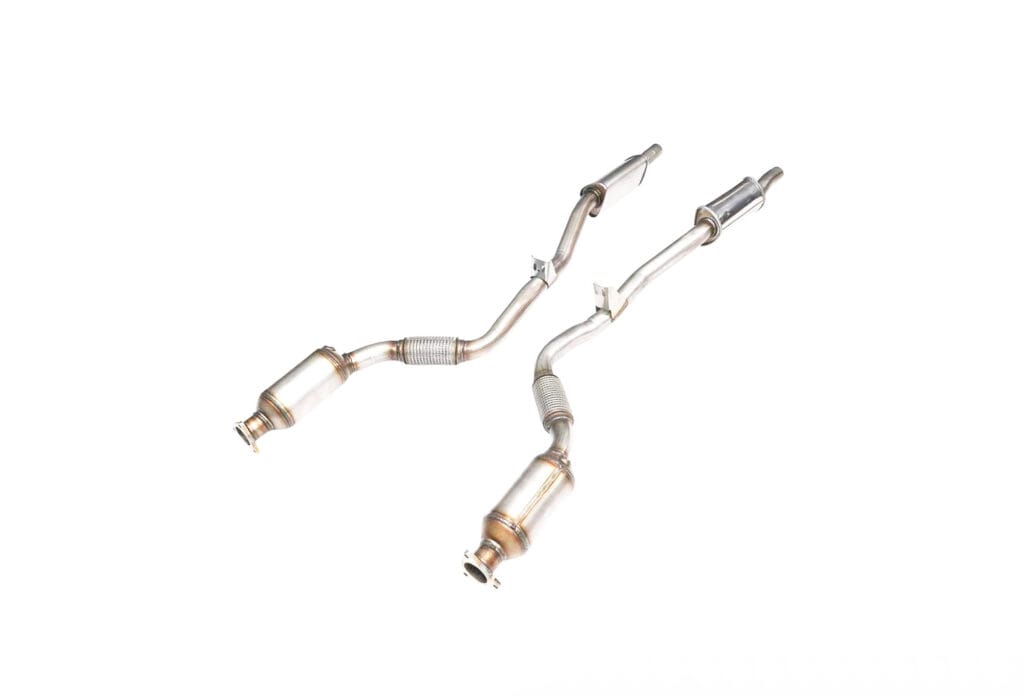
Diagnosing a Failing Catalyst in Your Audi
You should recognize the symptoms of a dying bộ chuyển đổi xúc tác ba chiều. The most common sign is a “rotten egg” smell. This indicates that the sulfur in the fuel is not being processed correctly. Another symptom is a glowing red exhaust pipe after a long drive. This suggests a severe clog. You might also notice a rattling sound. This happens when the internal ceramic brick shatters. The shards of ceramic can actually blow back into the engine during deceleration. This causes catastrophic engine failure. If your Audi A6L 2.4 feels sluggish or struggles to climb hills, check the exhaust system immediately.
The Hidden Costs of Installation
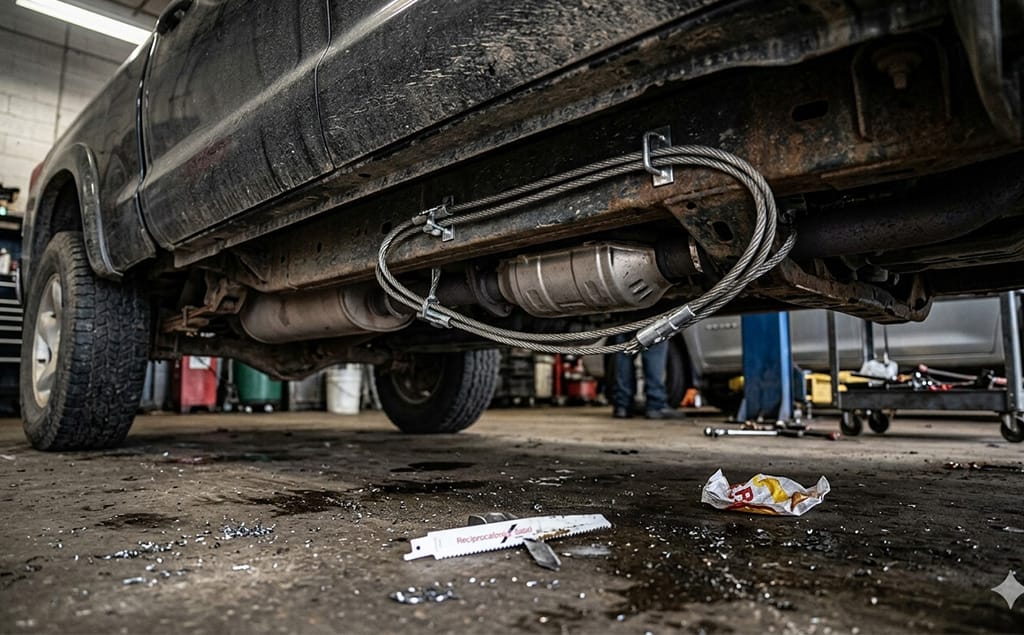
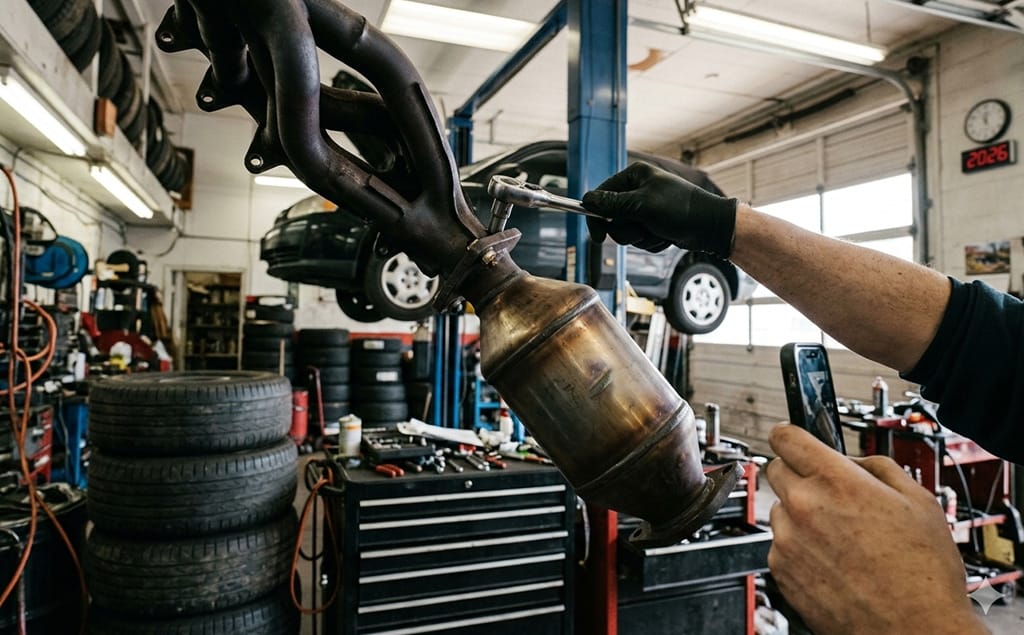
Thay thế một bộ chuyển đổi xúc tác ba chiều on an Audi A6L 2.4 is a labor-intensive task. The V6 engine configuration places the converters in a very tight space. They sit close to the cylinder heads. Mechanics often refer to this as a “cramped” installation. In many cases, the technician must unbolt the transmission mounts. They may even need to lower the engine subframe slightly. This complexity drives up labor costs. You should expect to pay for 3 to 5 hours of professional labor. This adds $300 to $600 to your total bill. We advise against DIY installation unless you have a professional lift and specialized Audi tools.
Strategic Maintenance for Exhaust Longevity
Bạn có thể kéo dài tuổi thọ của mình. bộ chuyển đổi xúc tác ba chiều. First, use high-quality fuel. Low-grade fuel contains impurities that “poison” the catalyst. Second, maintain your spark plugs and ignition coils. A misfiring engine sends raw fuel into the exhaust. This fuel burns inside the converter. The extreme heat melts the ceramic honeycomb. This is the leading cause of premature failure in Audi vehicles. Third, fix oil leaks promptly. If the engine burns oil, the ash coats the catalyst. This prevents the chemical reactions from occurring. Proper engine maintenance is the best way to protect your exhaust system.
Phần kết luận
Các bộ chuyển đổi xúc tác ba chiều is a vital organ of your Audi A6L 2.4. It ensures your car remains powerful, efficient, and legal. While OEM parts offer the best quality, high-quality aftermarket units provide a viable alternative. You should avoid budget universal parts at all costs. They lead to more problems and higher long-term expenses. Invest in a direct-fit unit that matches Audi’s technical requirements. Hire a specialist for the installation to ensure a leak-free seal. By choosing quality, you preserve the luxury experience of your Audi. You also contribute to a cleaner environment for everyone.