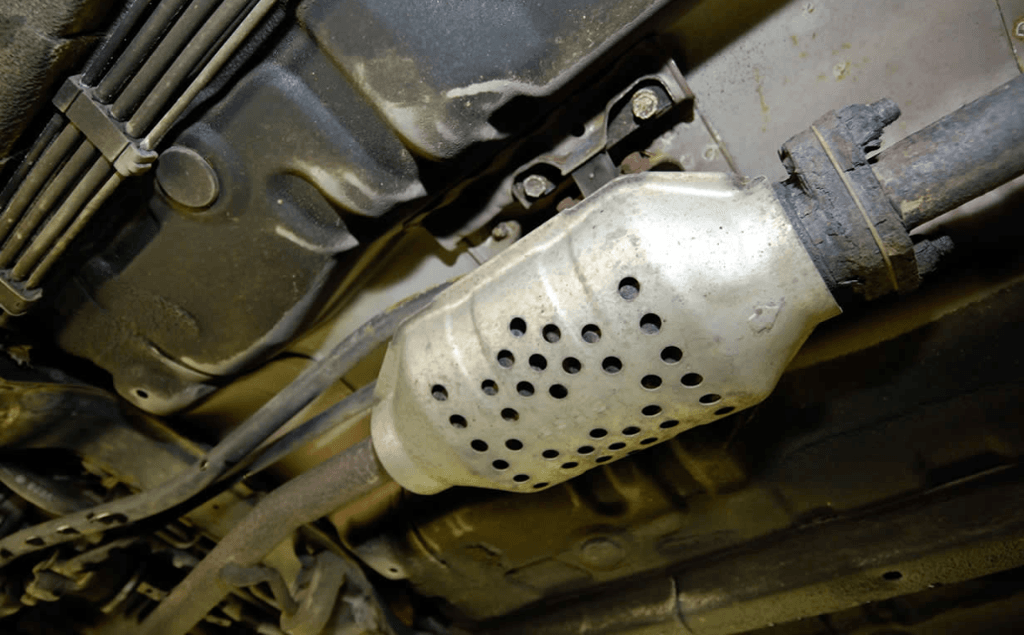
Catalytic converters are essential in reducing harmful vehicle emissions, converting toxic gases into less harmful substances like carbon dioxide and water. The efficiency of catalytic converters, however, heavily relies on proper engine operation. This is where the oxygen sensor plays a vital role. Working in tandem with the catalytic converter, it helps optimize fuel efficiency and ensures compliance with emission standards. In this article, we will explore the importance of oxygen sensors, how they function, and their impact on catalytic converter performance.
1. What is an Oxygen Sensor and How Does It Work?
An oxygen sensor is a critical component in a vehicle’s engine management system. Its main job is to monitor the oxygen content in the exhaust gases. Located in the exhaust pipe, the oxygen sensor sends real-time data to the engine control unit (ECU). The ECU uses this data to adjust the air-fuel ratio to ensure optimal combustion. If the air-fuel ratio deviates from the ideal stoichiometric value, the ECU fine-tunes the amount of fuel injected, promoting efficient combustion and reducing harmful emissions.
The oxygen sensor ensures that the engine runs at its most efficient state by balancing the air-fuel mixture. The more accurately the ECU controls the air-fuel ratio, the better the engine performs, and the less harmful emissions are produced.
2. How Oxygen Sensors Impact Engine Performance and Fuel Efficiency
The efficiency of an internal combustion engine heavily depends on the air-fuel ratio. An ideal air-fuel ratio is crucial for achieving optimal combustion efficiency. If the mixture is too rich (too much fuel), the engine wastes fuel and produces more carbon monoxide. Conversely, if it’s too lean (too little fuel), the engine may overheat and cause damage.
By accurately reading the oxygen levels in the exhaust, the oxygen sensor allows the ECU to make precise adjustments to the fuel mixture, promoting better combustion. This not only improves engine performance but also enhances fuel efficiency. A properly functioning oxygen sensor leads to lower fuel consumption, reducing running costs and lowering the vehicle’s overall carbon footprint.
3. The Role of Oxygen Sensors in Optimizing Catalytic Converter Operation
The catalytic converter relies on a precise air-fuel ratio to function at its highest efficiency. The precious metals inside the converter—such as platinum, palladium, and rhodium—are highly sensitive to air-fuel ratios and will only perform their best when the mixture is balanced. Oxygen sensors provide real-time feedback to the ECU, which ensures that the engine is running at the optimal air-fuel ratio.
When the oxygen sensor signals the ECU to adjust the fuel mixture, it enables the catalytic converter to operate efficiently, converting harmful carbon monoxide, hydrocarbons, and nitrogen oxides into safer substances such as carbon dioxide, water, and nitrogen. Without proper oxygen sensor data, the catalytic converter might not function properly, leading to emissions problems and even premature converter failure.
4. Oxygen Sensors and Emission Control: A Symbiotic Relationship
The oxygen sensor and catalytic converter work closely together to ensure vehicle emissions are minimized. The exhaust system in most modern vehicles is equipped with multiple oxygen sensors that monitor the exhaust gases before and after they pass through the catalytic converter.
Oxygen sensors placed before the converter measure the oxygen content in the exhaust gases leaving the engine. Sensors placed after the converter monitor the gases after they’ve been processed. The feedback from these sensors allows the ECU to adjust the air-fuel ratio in real time, ensuring the catalytic converter can efficiently reduce harmful emissions. Together, they help meet emission standards set by regulatory bodies like the Environmental Protection Agency (EPA), significantly lowering air pollution.
5. How Oxygen Sensors Help in Reducing Harmful Exhaust Emissions
The primary purpose of oxygen sensors is to help reduce harmful exhaust emissions. They achieve this by ensuring that the engine runs at peak efficiency, which in turn ensures that the catalytic converter can process exhaust gases as intended. When the air-fuel ratio is optimized, the engine produces fewer harmful pollutants like carbon monoxide and hydrocarbons.
Moreover, oxygen sensors help the catalytic converter reduce nitrogen oxides (NOx), which are significant contributors to smog and acid rain. By maintaining an ideal air-fuel mixture, oxygen sensors indirectly help lower NOx emissions, ensuring compliance with emission standards and contributing to improved air quality.
6. Types of Oxygen Sensors and Their Functionality
There are two main types of oxygen sensors used in modern vehicles:
- Zirconia Sensors: These are the most common type and operate by using zirconium oxide to measure the oxygen content in the exhaust gases. They generate a voltage based on the oxygen levels and send this signal to the ECU.
- Titania Sensors: These sensors use titanium dioxide as a sensing element and change their resistance based on the oxygen content in the exhaust. These sensors are more commonly used in some newer vehicles and hybrid models.
Both types of sensors play an essential role in monitoring the oxygen content of exhaust gases, ensuring proper combustion and optimal catalytic converter performance.
7. The Importance of Proper Oxygen Sensor Maintenance
Proper maintenance of oxygen sensors is essential for maintaining optimal vehicle performance and meeting emission standards. Over time, oxygen sensors can degrade, leading to inaccurate readings and poor engine performance. A faulty oxygen sensor can result in poor fuel economy, increased carbon emissions, and an overworked catalytic converter, which may eventually lead to converter failure.
Regular vehicle maintenance that includes checking the oxygen sensor’s functionality can prevent these issues. If you notice symptoms such as poor engine performance, increased fuel consumption, or a check engine light, it might be time to inspect or replace the oxygen sensor.
8. What Happens If Your Oxygen Sensor Fails?
A failing oxygen sensor can significantly affect vehicle performance and emissions. If the sensor cannot accurately measure the oxygen content in the exhaust gases, the ECU may fail to adjust the air-fuel ratio, leading to inefficient combustion. This can result in:
- Decreased fuel efficiency: The engine may burn more fuel than necessary.
- Increased exhaust emissions: The catalytic converter may struggle to process harmful gases, leading to higher levels of pollutants.
- Engine misfires: A malfunctioning oxygen sensor can disrupt engine operation, causing rough idling and reduced performance.
- Damage to the catalytic converter: Prolonged poor performance can damage the catalytic converter, leading to costly repairs.
9. The Link Between Oxygen Sensors and Catalytic Converter Failures
A malfunctioning oxygen sensor is often a precursor to catalytic converter failure. Since the oxygen sensor plays a critical role in optimizing the air-fuel ratio, its failure can lead to improper engine combustion. This results in the production of excess hydrocarbons, carbon monoxide, and nitrogen oxides, overwhelming the catalytic converter.
A damaged or inefficient catalytic converter is unable to process these harmful gases effectively, which can lead to increased emissions and potential damage to the converter. Therefore, ensuring the oxygen sensor is in optimal condition is crucial to extending the lifespan of the catalytic converter and maintaining vehicle performance.
10. How Oxygen Sensors Contribute to Meeting Environmental Regulations
The role of oxygen sensors in meeting environmental regulations cannot be overstated. Environmental protection agencies, such as the EPA, require automakers to meet strict emission standards to reduce pollutants like carbon monoxide, hydrocarbons, and NOx. Oxygen sensors are key in ensuring that vehicles meet these standards by maintaining optimal engine efficiency and reducing harmful exhaust emissions.
By helping the engine run efficiently and enabling the catalytic converter to reduce emissions, oxygen sensors contribute significantly to lowering air pollution and ensuring that vehicles adhere to the Clean Air Act and other environmental legislation.
Summary: Key Takeaways
- The oxygen sensor is essential for monitoring and adjusting the air-fuel ratio, ensuring efficient engine operation.
- Oxygen sensors optimize catalytic converter performance by providing data that allows for accurate fuel injection adjustments.
- Proper oxygen sensor function helps reduce harmful emissions, including carbon monoxide, hydrocarbons, and nitrogen oxides.
- Regular maintenance and timely replacement of faulty oxygen sensors are crucial for maintaining fuel efficiency and engine performance.
- Oxygen sensors, in conjunction with catalytic converters, play a critical role in meeting emission standards and reducing air pollution.
Understanding the relationship between oxygen sensors and catalytic converters is essential for maintaining a vehicle’s performance, improving fuel economy, and minimizing environmental impact.