Your car’s exhaust system is more complex than it might seem, and a crucial component in reducing harmful emissions is the catalytic converter. While some vehicles might have just one, you might be surprised to find that many modern cars, trucks, and SUVs are equipped with catalytic converters – sometimes even two or three or more. This article delves into the reasons behind this design choice, explaining the function of a catalytic converter, the impact of stringent emission standards, the different type of catalytic converter used, and why automakers often opt for multiple units. Understanding this can also shed light on why catalytic converter theft has become a significant issue and what steps you can take to prevent catalytic converter theft. This is a must-read for any car owner curious about their vehicle’s environmental impact and how to protect it.
1. What is the Function of a Catalytic Converter in Reducing Emissions?
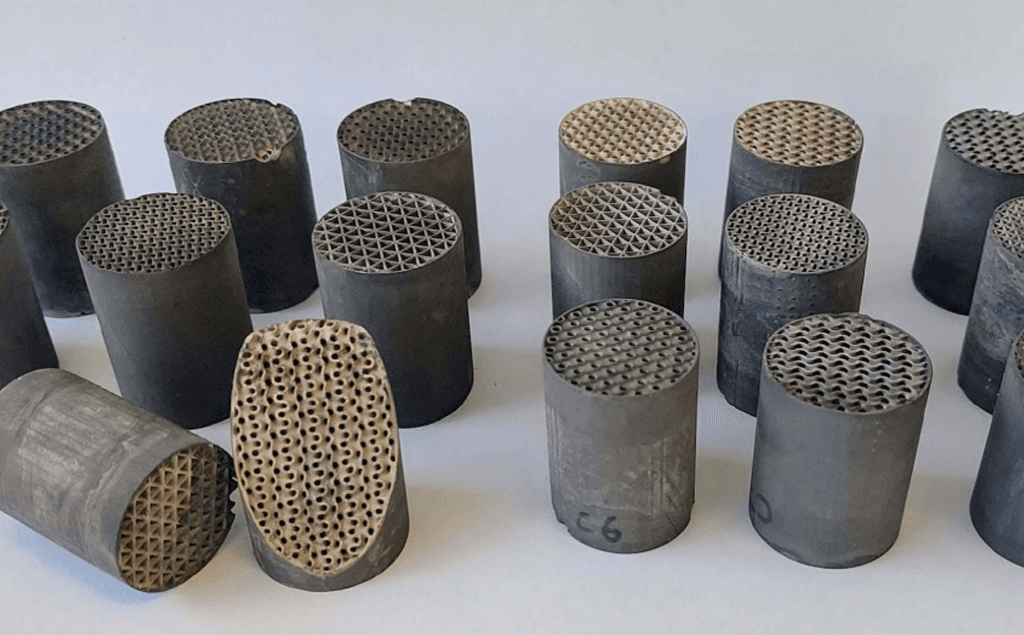
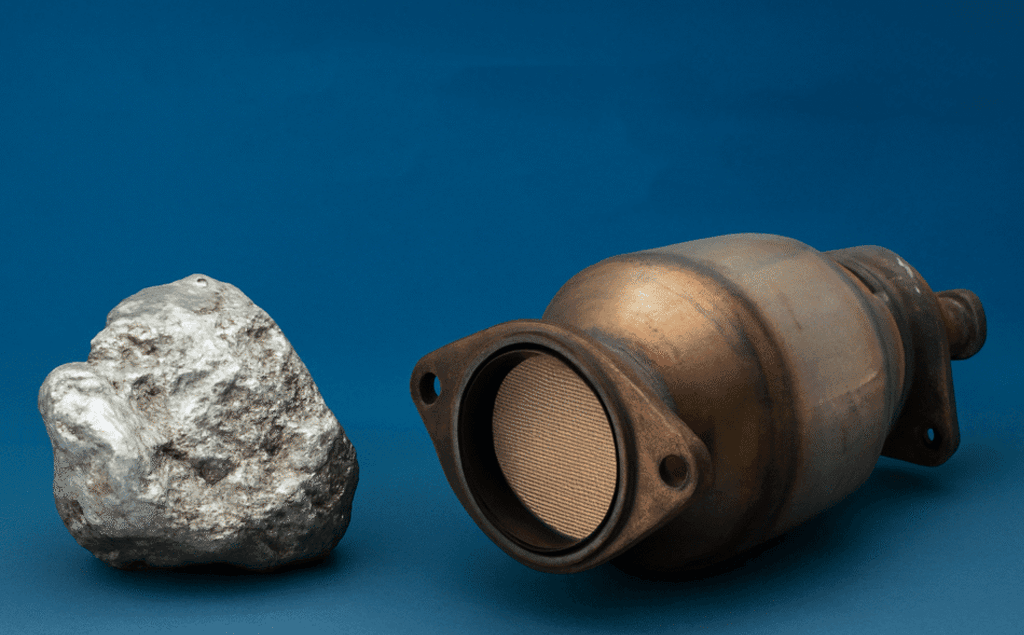
At its core, a catalytic converter is an essential component of your vehicle’s exhaust system designed to reduce the emission of harmful pollutants produced by internal combustion engines. Located along the exhaust pipe, it facilitates chemical reactions that transform toxic byproducts of combustion into less harmful substances. These harmful gases include carbon monoxide, hydrocarbon, and nitrogen oxide. Inside the catalytic converter, a catalyst, often made of precious metals like platinum, palladium, and rhodium, coats a ceramic honeycomb or beads. As hot exhaust gases pass over this catalyst, it speeds up the conversion process. Carbon monoxide is changed to carbon dioxide, hydrocarbons are oxidized into carbon dioxide and water, and nitrogen oxides are reduced to nitrogen and oxygen. Essentially, the catalytic converter plays a vital role in cleaning up the exhaust before it’s released into the atmosphere, contributing significantly to cleaner air and meeting emission regulations. The effectiveness of the catalytic converter depends on its operating temperature and the presence of these precious metals that act as the catalyst for the necessary chemical reactions.
The function of a catalytic converter is critical for both environmental protection and meeting legal requirements. Without it, the levels of pollutants released by vehicles would be significantly higher, contributing to air pollution and health problems. The introduction of catalytic converters marked a major step in making automotive transportation cleaner. A properly functioning catalytic converter ensures that your vehicle’s exhaust contains significantly lower levels of carbon monoxide, hydrocarbon, and nitrogen oxide. While it doesn’t eliminate emissions entirely (as carbon dioxide is still produced), it drastically reduces the most harmful components. The presence of precious metals inside the converter is key to its efficiency, as these metals facilitate the necessary reduction and oxidation reactions without being consumed in the process. This catalytic activity is why the component is named a catalytic converter.
2. How Have Emission Standards Driven the Need for Multiple Catalytic Converters?
The tightening of emission standards around the world has been a primary driver in the increased complexity of exhaust systems, including the use of multiple catalytic converters. Regulatory bodies like the Environmental Protection Agency (EPA) in the United States and similar organizations globally have progressively set stricter limits on the amount of pollutants that vehicles can release. These increasingly stringent emissions requirements have pushed automakers to innovate and find more effective ways to clean exhaust gases. A single catalytic converter might not always be sufficient to meet the increasingly lower thresholds for carbon monoxide, hydrocarbon, and nitrogen oxide, especially over the lifespan of the vehicle.
To achieve these stricter standards, engineers have explored various strategies, including the use of multiple catalytic converters. By employing more than one unit, manufacturers can increase the overall surface area of the catalyst available for the chemical reactions. This can lead to more efficient conversion of pollutants, especially during different engine operating conditions and over the long term as the catalyst ages. Furthermore, different type of catalytic converters can be used in sequence, each optimized for converting specific emissions. The evolution of emission standards has directly led to the more sophisticated exhaust systems we see today, often incorporating multiple catalytic converters to ensure compliance. The Clean Air Act in the US, for example, has been a significant piece of legislation driving the research to develop catalytic converters and improve their effectiveness.
3. What Are the Different Type of Catalytic Converters Used in Modern Vehicles? (Two-Way vs. Three-Way)
Modern vehicles primarily utilize two main type of catalytic converters: the two-way catalytic converter and the three-way catalytic converter. The two-way converter, primarily used in older vehicles, focuses on two main reactions: the oxidation of hydrocarbon and carbon monoxide into water vapor and carbon dioxide. It doesn’t address nitrogen oxide (NOx) emissions. The three-way catalytic converter, which is now standard in most gasoline-powered vehicles since the 1980s, tackles all three major pollutants: it oxidizes hydrocarbons and carbon monoxide, and it also reduces nitrogen oxides into nitrogen and oxygen.
The development of the three-way catalytic converter was a significant advancement in emission control. However, to optimize the conversion of all three pollutants simultaneously, the engine’s air-fuel mixture needs to be precisely controlled, which is where oxygen sensors come into play (discussed later). In some vehicle exhaust systems, you might find a combination of different type of catalytic converters or multiple three-way converters to further enhance emission reduction. For instance, a two-way converter might be used as a pre-catalyst to quickly address hydrocarbon and carbon monoxide during engine warm-up, followed by a three-way converter for more comprehensive treatment of all three pollutants at operating temperature. Understanding the difference between these type of catalytic converters is crucial to appreciating why multiple units might be necessary to meet stringent emission standards.

4. Why Do Some Vehicles Have a Main Catalytic Converter and Smaller “Pre-Cats” Near the Exhaust Manifold?
A common configuration in many vehicles involves a larger, primary catalytic converter located further downstream in the exhaust system, along with one or more smaller catalytic converters, often referred to as “pre-cats” or “warm-up cats,” situated closer to the exhaust manifold, right after the engine. The primary reason for this design is to improve emission control during the initial engine warm-up phase. When an engine starts cold, the primary catalytic converter takes time to reach its optimal operating temperature (typically around 400-700 degrees Celsius or 750-1300 degrees Fahrenheit). During this warm-up period, it is less efficient at converting pollutants.
The pre-cats, being closer to the hot exhaust gases exiting the engine, heat up much more quickly. This allows them to start reducing hydrocarbon and carbon monoxide emissions sooner after the engine is started, significantly lowering overall cold-start emissions, which can be a substantial portion of total vehicle emissions. Once the engine and the entire exhaust system reach operating temperature, the primary catalytic converter becomes fully effective and handles the bulk of the emission conversion. This dual-converter system ensures more efficient emission control across various engine operating temperatures, helping vehicles meet stringent emission standards. The pre-cats essentially provide an initial filtering of exhaust, while the main catalytic converter performs the more thorough cleanup.
5. Can the Design of the Exhaust System Influence the Number of Catalytic Converters?
Yes, the overall design of the exhaust system can significantly influence the number of catalytic converters used in a vehicle. Factors such as the engine configuration (e.g., V-engines, inline engines), the layout of the exhaust manifolds, and the overall length of the exhaust pipes can necessitate or allow for the placement of multiple catalytic converters. For instance, a V-engine might have two separate exhaust manifolds, each potentially leading to its own catalytic converter or set of converters before merging into a single exhaust pipe. This design can optimize the flow of exhaust gases and provide more locations for effective emission treatment.
Furthermore, the length and diameter of the exhaust piping can affect the temperature of the exhaust gases reaching the catalytic converter. By strategically placing converters at different points in the system, automakers can ensure that the catalysts operate within their optimal temperature range for efficient conversion. In some cases, space constraints within the undercarriage of the vehicle might also influence the size and number of catalytic converters used. Instead of one large converter, engineers might opt for two smaller ones to fit the available space while still providing the necessary catalyst volume for effective emission reduction. Therefore, the number of catalytic converters is often an integral part of the overall exhaust system design, aimed at maximizing emission control and vehicle performance within the given constraints.
6. Are There Performance Benefits to Using Multiple Catalytic Converters?
While the primary reason for using multiple catalytic converters is to improve emission control, there can be some indirect performance benefits in certain situations. A well-designed exhaust system with appropriately sized and placed converters can help optimize exhaust gas flow. If a single, overly restrictive catalytic converter were used to meet stringent emission standards, it could potentially create backpressure in the exhaust system, hindering engine performance. By using multiple, smaller converters, automakers can sometimes achieve the necessary level of emission reduction while minimizing backpressure.
However, it’s important to note that performance is usually not the primary driver for using multiple catalytic converters. The focus is overwhelmingly on meeting emission standards. Any performance benefits are often a secondary outcome of optimizing the exhaust system for efficient emission control. Modern catalytic converter technology has advanced significantly, allowing for highly efficient conversion with minimal restriction to exhaust flow. Therefore, while a balanced exhaust system design, potentially including multiple converters, can contribute to good vehicle performance, the core motivation remains emission compliance. Replacing OEM multiple converter systems with poorly designed aftermarket single units can negatively impact both emissions and performance.
7. Do Vehicles with Different Engine Types (e.g., V6 vs. Inline-4) Tend to Have a Different Number of Catalytic Converters?
Yes, vehicles with different engine types often have a different number and configuration of catalytic converters. Engine configuration plays a significant role in the design of the exhaust system. For example, a V6 engine typically has two separate cylinder banks, each with its own exhaust manifold. In such cases, it’s common to see each manifold connected to its own catalytic converter or set of converters before the exhaust streams merge. This results in at least two catalytic converters for a V6 engine.
On the other hand, an inline-4 engine has a single exhaust manifold, which may lead to a single or a series of catalytic converters in the exhaust pipe. However, even with inline engines, the need to meet specific emission standards might necessitate the use of pre-cats in addition to the main catalytic converter, resulting in multiple units. Larger and more powerful engines, regardless of their configuration, generally produce more exhaust gases and pollutants, which might also necessitate a greater number or larger size of catalytic converters to achieve the required level of emission reduction. Therefore, the number of catalytic converters is closely tied to the engine type and its emission characteristics.
8. What is the Role of the Oxygen Sensors in Relation to the Catalytic Converter System?
Oxygen sensors are crucial components that work in conjunction with the catalytic converter system to ensure optimal emission control. Typically, there are two main oxygen sensors: one located upstream (before) the catalytic converter and one downstream (after) the catalytic converter. The upstream oxygen sensor measures the amount of oxygen in the exhaust gases coming directly from the engine. This information is sent to the engine control unit (ECU), which uses it to adjust the air-fuel mixture to ensure it’s as close to the stoichiometric ratio (the ideal ratio for complete combustion) as possible. This precise control of the air-fuel mixture is essential for the three-way catalytic converter to efficiently convert carbon monoxide, hydrocarbons, and nitrogen oxides.
The downstream oxygen sensor monitors the oxygen levels in the exhaust gases after they have passed through the catalytic converter. Its primary role is to assess the efficiency of the catalytic converter. If the catalytic converter is functioning correctly, the oxygen levels downstream should be different from those upstream, indicating that the conversion process is taking place. If the downstream sensor detects similar oxygen levels to the upstream sensor, it could indicate that the catalytic converter is not working effectively, which can trigger the check engine light to alert the driver to a potential problem. The feedback loop created by the oxygen sensors and the ECU is vital for maintaining optimal emission control and the longevity of the catalytic converter.

9. How Does the Use of Aftermarket Catalytic Converters Differ from OEM (Direct-Fit) Systems with Multiple Units?
When a catalytic converter needs replacement, vehicle owners often face a choice between aftermarket and OEM (Original Equipment Manufacturer or direct-fit) options. In vehicles originally equipped with catalytic converters, particularly those with multiple units, OEM replacements are designed to precisely match the specifications and performance of the original converters. These direct-fit converters are engineered to work seamlessly with the vehicle’s exhaust system and meet the required emission standards. They often replicate the original configuration, including the number of converters if the vehicle was designed with multiple units.
Aftermarket catalytic converters, on the other hand, are designed to fit a wider range of vehicles. While some aftermarket options may be of high quality and meet emission regulations, others might be less efficient or not specifically designed for the vehicle’s original multi-converter setup. In some cases, an aftermarket replacement might involve replacing multiple OEM converters with a single aftermarket unit to save costs. However, this can sometimes lead to reduced efficiency in emission control, potential issues with oxygen sensor readings, and even trigger the check engine light. Furthermore, the quality and lifespan of precious metals used in aftermarket converters can vary significantly. For optimal performance and guaranteed emission compliance, especially in vehicles originally equipped with multiple catalytic converters, OEM or high-quality direct-fit replacements that mirror the original design are generally recommended. Choosing a low-quality aftermarket converter might also increase the risk of theft if it contains fewer valuable precious metals.
10. With the Rise of Converter Thefts, Does Having Multiple Units Increase the Risk of Theft?
Unfortunately, the increasing prevalence of catalytic converter theft is a significant concern for vehicle owners. The value of the precious metals inside the converter, particularly platinum, palladium, and rhodium, has driven this surge in crime. Vehicles with multiple catalytic converters can, in some cases, present a greater target for thieves. The more converters a vehicle has, the more valuable metals can be extracted from them collectively. This is particularly true for vehicles with readily accessible converters.

However, the primary factors determining the risk of theft are often the accessibility of the catalytic converter(s) and the perceived value of the metals inside the converter. Some vehicles have converters that are more exposed and easier to cut off than others. While having multiple converters might seem like a larger potential payout for thieves, a single, easily accessible converter with a high concentration of valuable precious metals can be just as vulnerable. To help prevent theft, various security measures can be taken, such as installing anti-theft devices, etching the VIN onto the converter, parking in well-lit and secure areas, and adjusting parking height to make access more difficult. Whether a vehicle has one or multiple catalytic converters, taking preventative measures is crucial in today’s environment.
Conclusion
Understanding why your car has three catalytic converters can help you appreciate the importance of emission control in your vehicle. Catalytic converters play a crucial role in reducing air pollution, ensuring your vehicle meets emission standards, and maintaining vehicle performance. However, they can also be a target for theft due to the valuable metals inside. By taking the right precautions, you can protect these essential components and ensure your car runs efficiently and cleanly.
Key Things to Remember:
- Multiple catalytic converters are often used to meet increasingly strict emission standards.
- Pre-cats help reduce emissions during the engine warm-up phase.
- Engine configuration and exhaust system design can influence the number of catalytic converters.
- While not the primary goal, a well-designed multi-converter system can sometimes minimize exhaust backpressure.
- Vehicles with different engine types often have varying numbers of catalytic converters.
- Oxygen sensors play a vital role in ensuring the efficiency of the catalytic converter system.
- OEM or direct-fit catalytic converter replacements are generally recommended, especially for vehicles originally equipped with multiple units.
- Vehicles with multiple catalytic converters might be perceived as a greater target for catalytic converter theft due to the potential for more valuable metals.
- Taking preventative measures is essential to protect your catalytic converter from thieves, regardless of whether your vehicle has one or multiple units.
- The primary function of the catalytic converter is to transform harmful exhaust gases into less harmful substances, contributing to cleaner air.