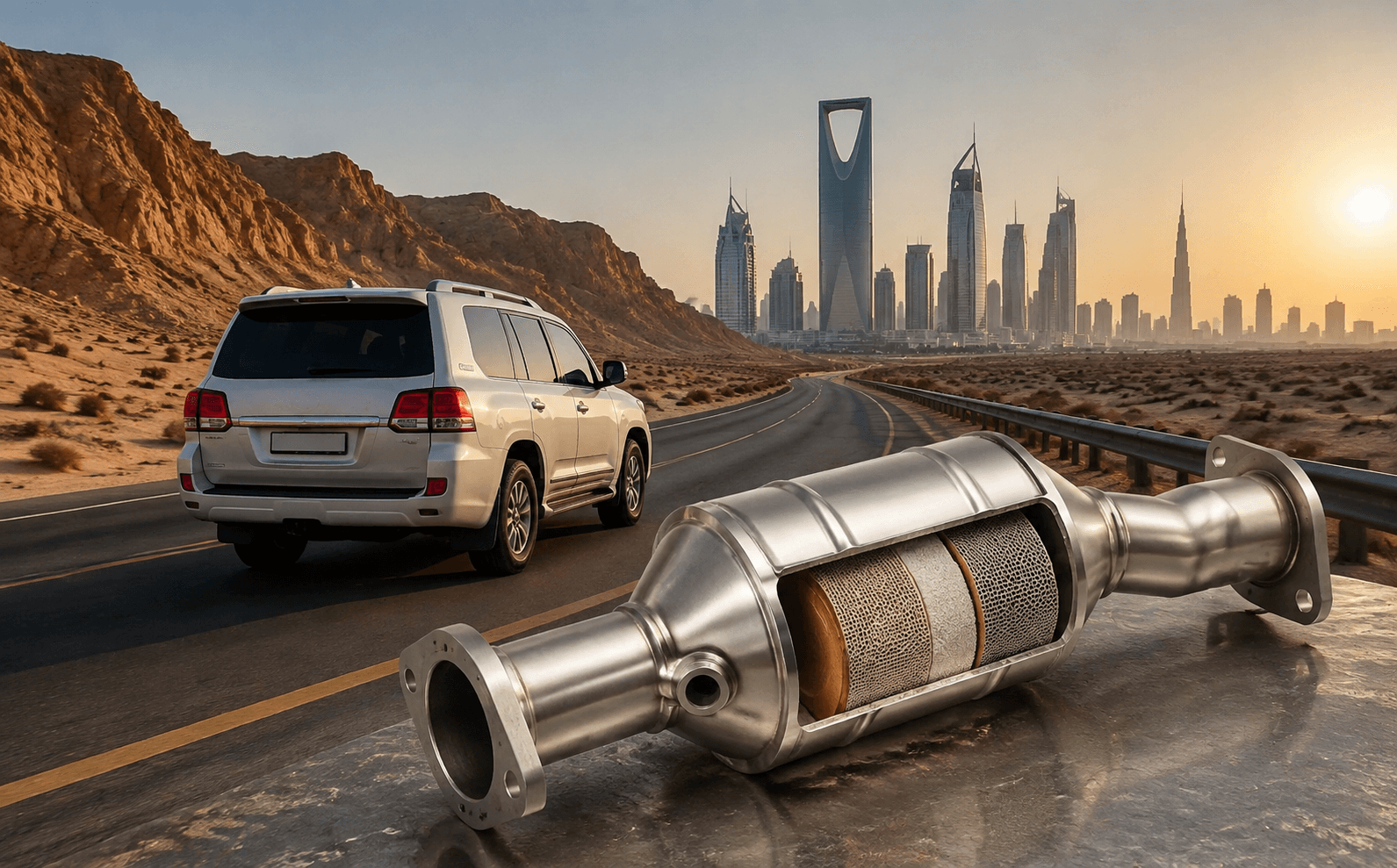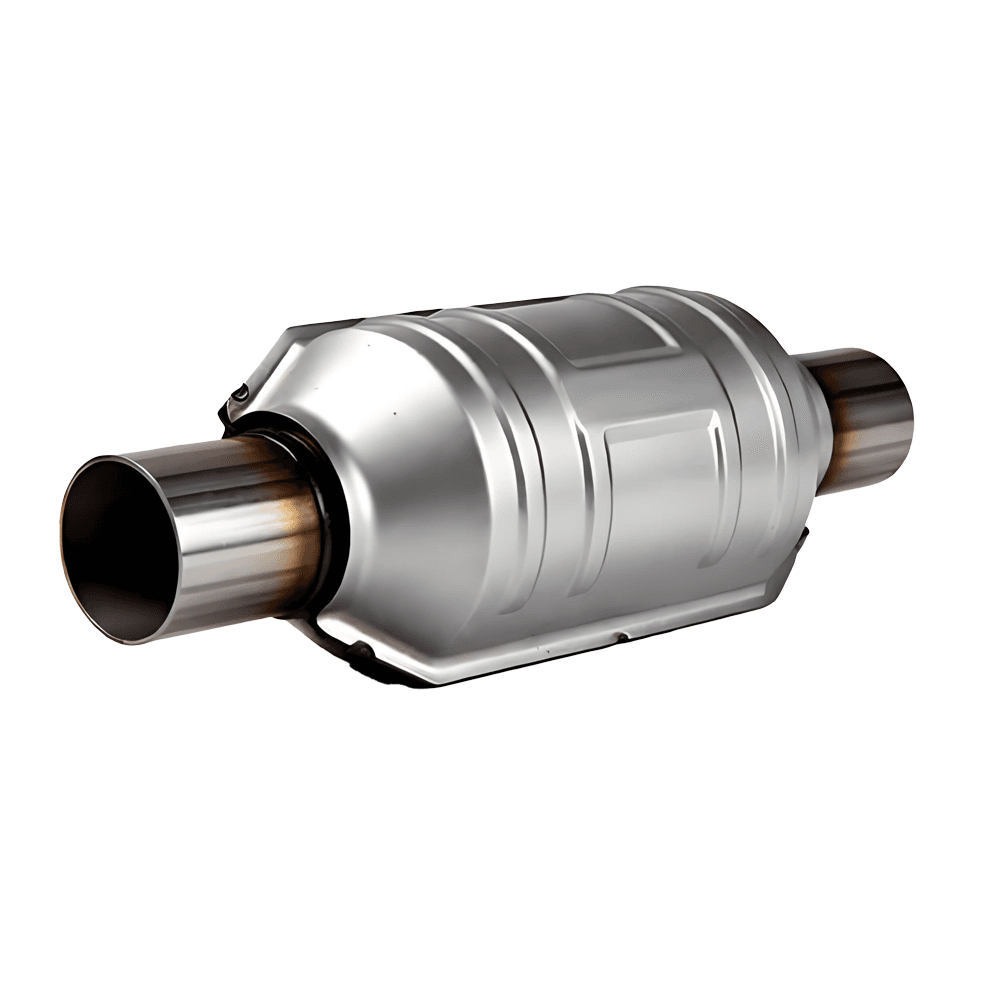
Modern vehicles rely on advanced emission control systems to reduce harmful pollutants in exhaust gases. Two of the most important technologies are the Selective Catalytic Reduction (SCR) converter and the ordinary catalytic converter, often referred to as the Three-Way Catalyst (TWC).
While both systems aim to reduce harmful emissions and comply with strict emission standards, they differ significantly in design, core materials, and working principles. This article explains these differences in detail and why each system is suited for specific types of engines.
What is an Ordinary Catalytic Converter (TWC)?
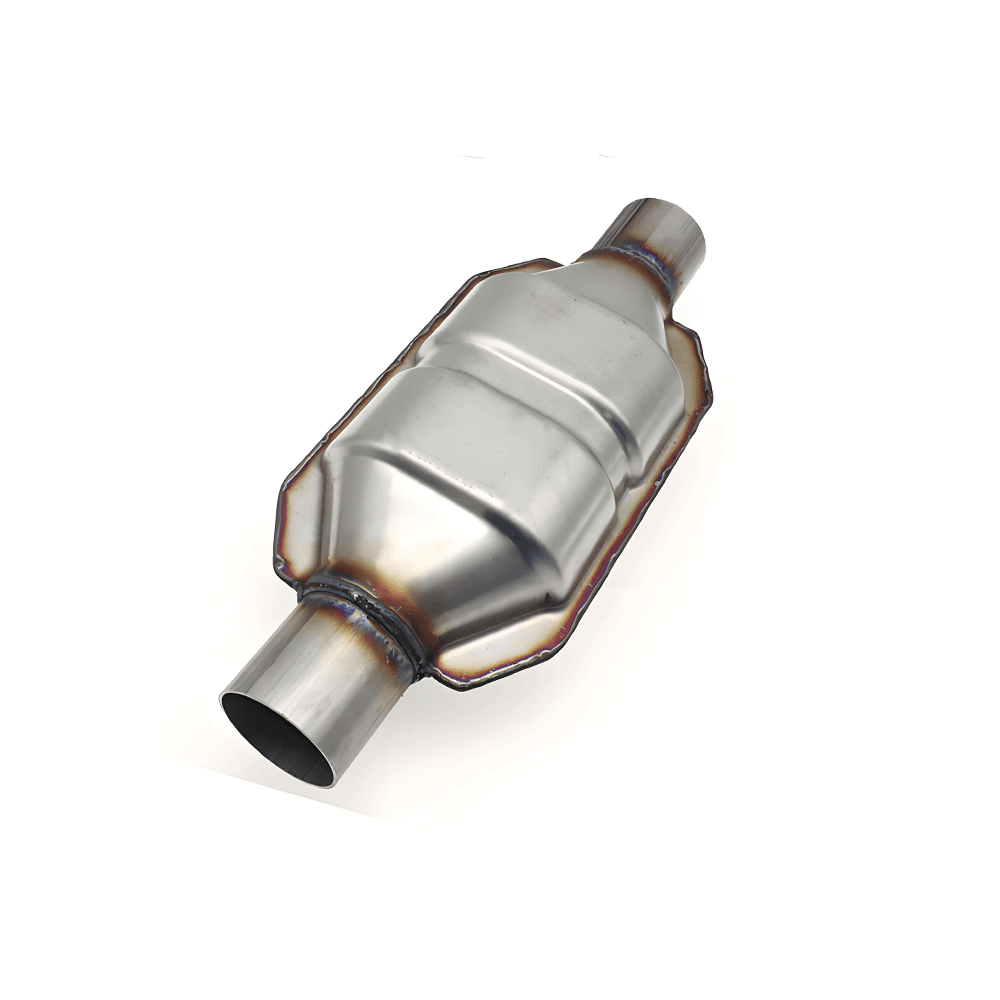
An ordinary catalytic converter—commonly the three-way catalytic converter—is a passive device that reduces three major pollutants from gasoline-powered internal combustion engines:
- Carbon monoxide (CO) → converted into carbon dioxide (CO₂)
- Hydrocarbons (HC) → oxidized into carbon dioxide and water (H₂O)
- Nitrogen oxides (NOx) → reduced into nitrogen (N₂) and oxygen (O₂)
How It Works
- Uses precious metals such as platinum, palladium, and rhodium as the catalyst.
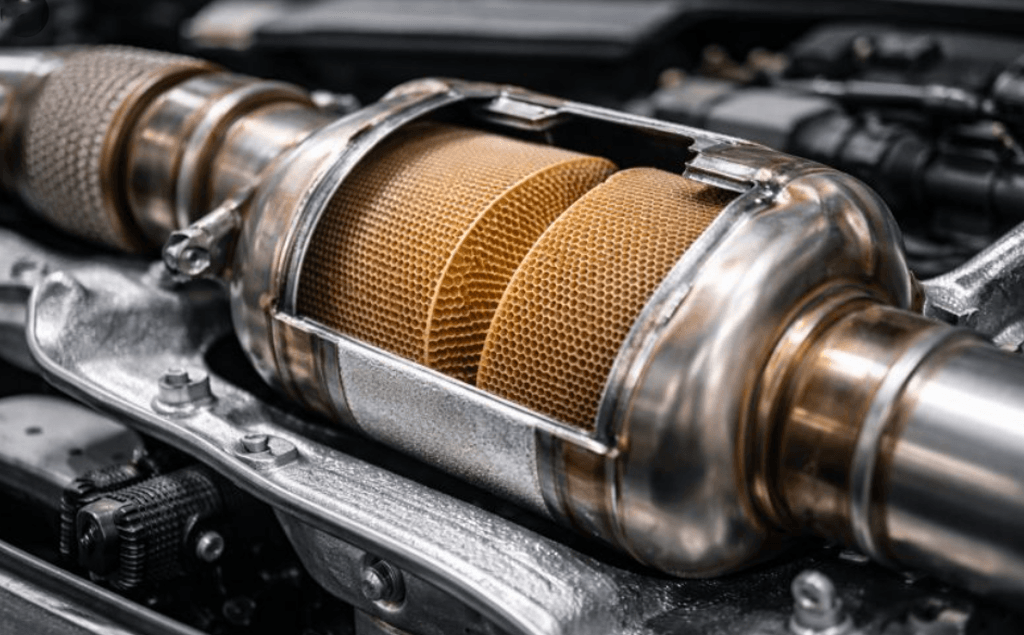
- Operates through oxidation and reduction reactions directly on the honeycomb substrate inside the core.
- Requires no external chemical injection—it relies entirely on the hot exhaust gases and the catalyst surface.
Applications
- Primarily used in gasoline vehicles.
- Ensures compliance with the Clean Air Act and global emissions requirements.
- Works well for engines where CO, HC, and NOx are all present in significant amounts.

What is an SCR (Selective Catalytic Reduction) Converter?
The SCR catalytic converter is an active system designed primarily to reduce nitrogen oxides (NOx), which are especially high in diesel exhaust gases.
How It Works
- Before gases enter the SCR core, a reductant such as Diesel Exhaust Fluid (DEF) or urea is injected into the exhaust stream.
- Inside the SCR catalyst, this reductant reacts with NOx to produce harmless nitrogen (N₂) and water vapor (H₂O).
- The process requires precise control of ammonia flow, exhaust temperature, and gas distribution to ensure efficiency.
Catalytic Core Materials
- Unlike the precious-metal-based TWC, SCR cores often use base metal oxides (vanadium, molybdenum, tungsten) or zeolites.
- Zeolite catalysts withstand higher temperatures and resist sulfur-related corrosion better than base metals.
- Titanium oxide and cerium are also used as supports to enhance stability.
Applications
- Essential in diesel vehicles and industrial engines.
- Capable of reducing NOx emissions by over 90%.
- Commonly paired with diesel particulate filters (DPFs) for full emission control.

Key Differences Between SCR and Ordinary Catalytic Converters
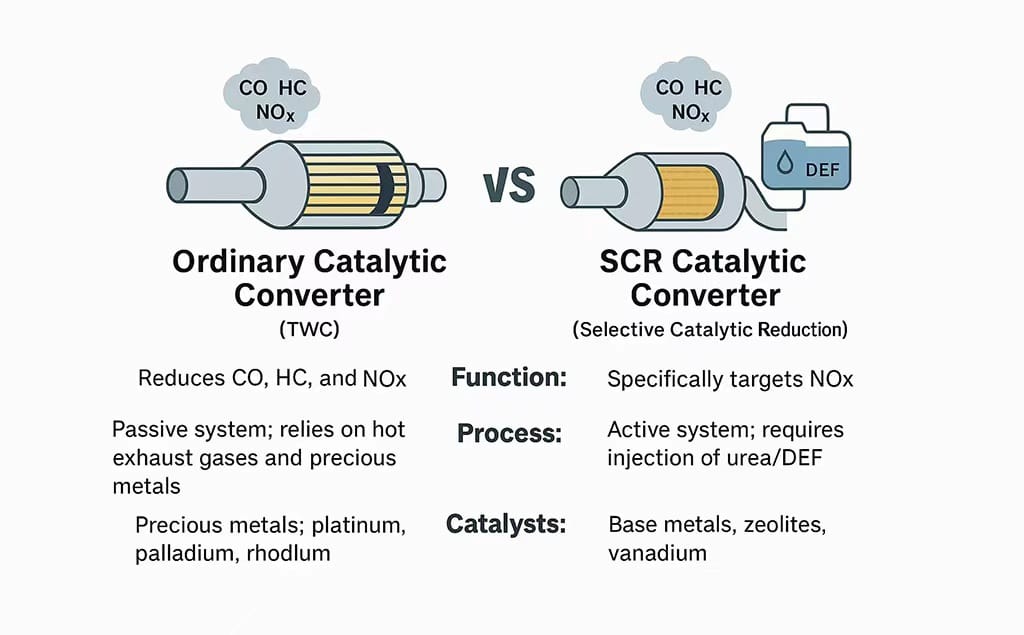
| Feature | Ordinary Catalytic Converter (TWC) | SCR Catalytic Converter |
|---|---|---|
| Function | Reduces CO, HC, and NOx simultaneously | Specifically targets NOx |
| Process | Passive system; relies on hot exhaust gases and precious metals | Active system; requires injection of urea/DEF |
| Catalysts Used | Precious metals: platinum, palladium, rhodium | Base metals, zeolites, vanadium, cerium, titanium oxide |
| Applications | Mainly gasoline engines | Primarily diesel engines |
| Efficiency | Good all-round reduction of pollutants | Extremely high efficiency for NOx (90%+) |
| Maintenance | Low, but sensitive to leaded fuel, misfires, or clogging | Higher—requires DEF refills, catalyst management, and tuning |
| Placement | Close to engine in the exhaust system | Further down the exhaust, after DEF injection point |
Challenges with Each System
Ordinary Catalytic Converter
- Can be damaged by engine misfires or contamination.
- Efficiency decreases over time due to clogging of the honeycomb structure.
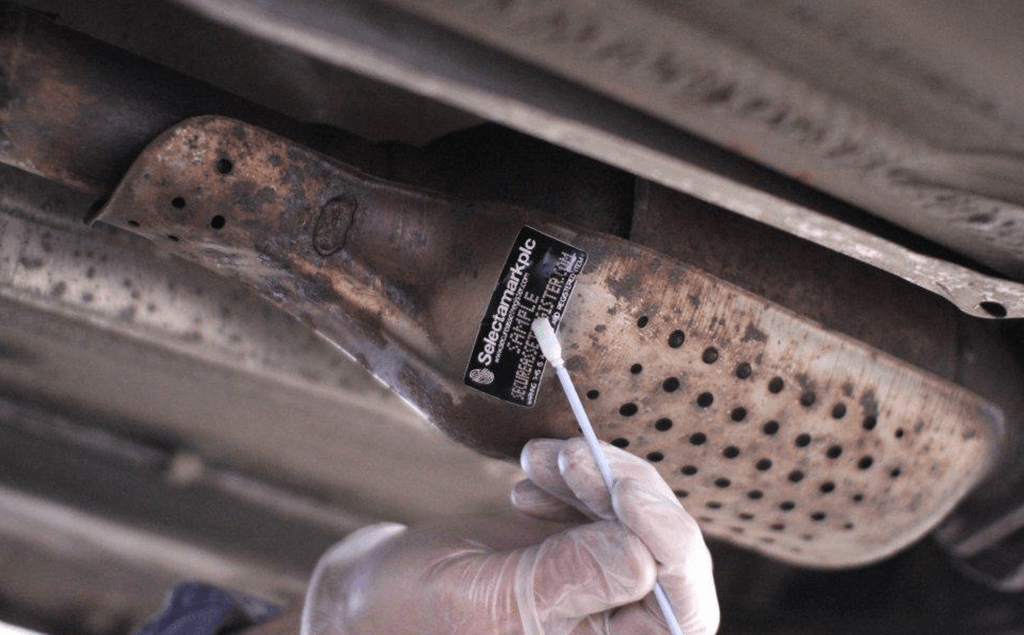
- Vulnerable to catalytic converter theft because of the valuable precious metals inside.
SCR Catalytic Converter
- Sensitive to poisons like sulfur, phosphorus, or heavy metals in the exhaust.
- Ammonia slip can occur if reductant injection is not properly tuned.
- Requires ongoing maintenance, DEF refilling, and sometimes catalyst regeneration.
- Base metal catalysts may lack durability at extreme temperatures compared to zeolite-based systems.
Why Automakers Use Both Systems
- Gasoline vehicles rely on three-way catalytic converters as the best catalytic converter for reducing a broad spectrum of pollutants.
- Diesel vehicles adopt SCR technology to meet stringent NOx emissions requirements, since ordinary converters cannot reduce diesel NOx effectively.
- In many modern diesel systems, SCR is combined with DPFs and sometimes an oxidation catalyst to create a complete multi-stage emission control solution.
Conclusion
The difference between SCR and ordinary catalytic converter core comes down to function, design, and application:
- The ordinary catalytic converter (TWC) is a passive system that uses precious metals to convert CO, HC, and NOx into less harmful substances.
- The SCR system is an active technology, specifically targeting NOx using a reductant like urea/DEF in combination with zeolite or vanadium-based catalysts.
Both systems are indispensable in modern automotive technology, ensuring vehicles comply with strict emission standards while protecting the environment from harmful exhaust gases.
Ready to get started? Explore 3 Way Catalyst now and take the first step toward cleaner driving and better engine performance!