مقدمة
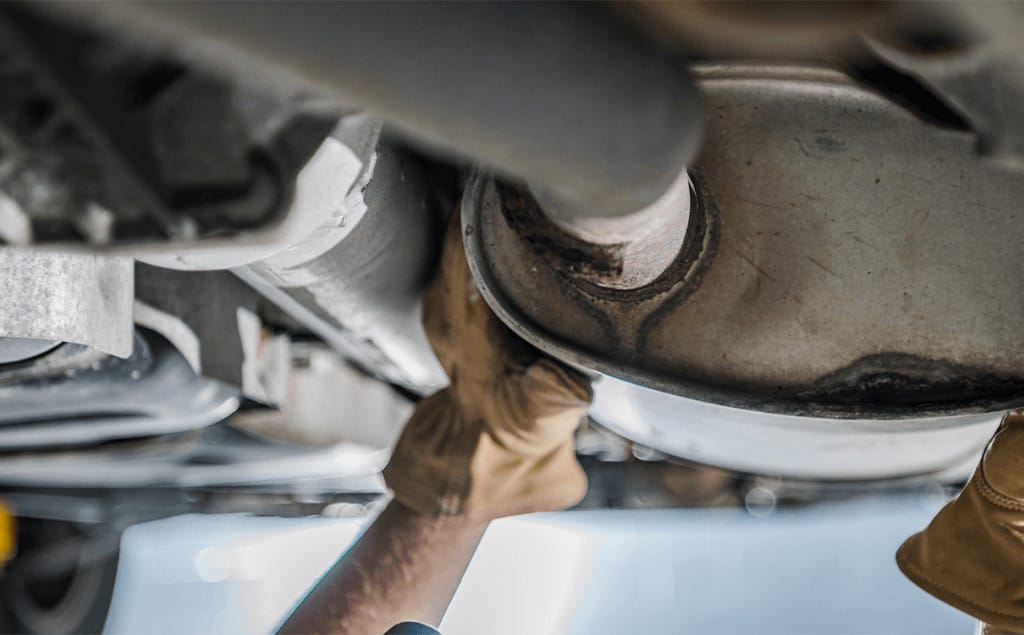
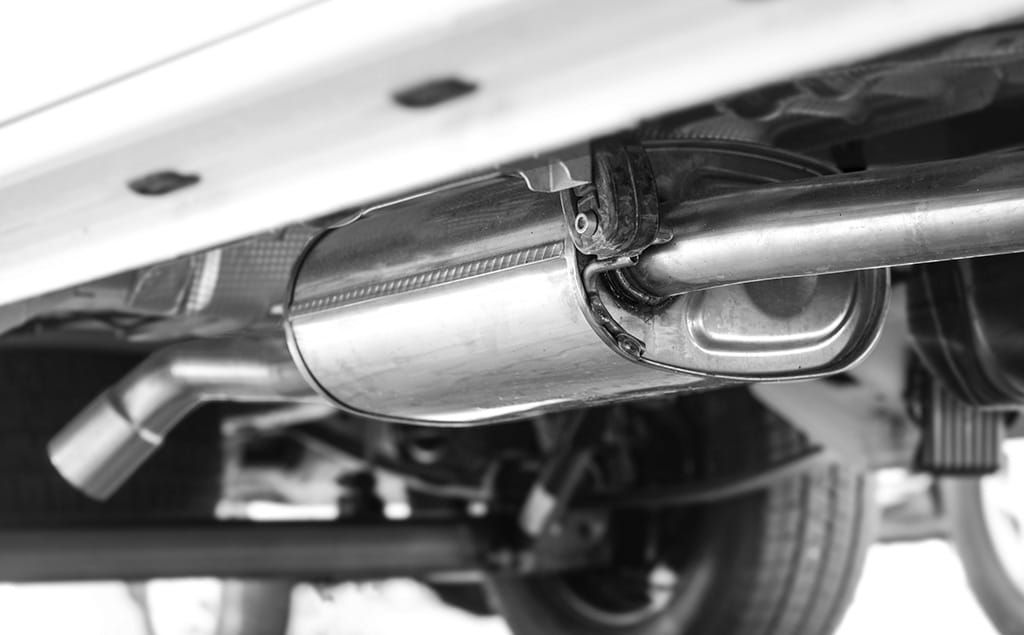
The automotive industry prioritizes environmental protection and engine efficiency. Toyota vehicles represent the pinnacle of reliability in this landscape. Every modern Toyota relies on a محول حفاز ثلاثي الاتجاهات to manage toxic emissions. This component performs a vital chemical transformation. It converts harmful engine byproducts into safer atmospheric gases. Owners often face a dilemma when this part fails. They must choose between expensive Genuine Toyota (OEM) parts and affordable aftermarket options. This article provides a technical analysis of the محول حفاز ثلاثي الاتجاهات. We examine performance data, material science, and economic value. Our guide helps you select the optimal replacement for your Toyota.
The Technical Foundation of the Three Way Catalytic Converter
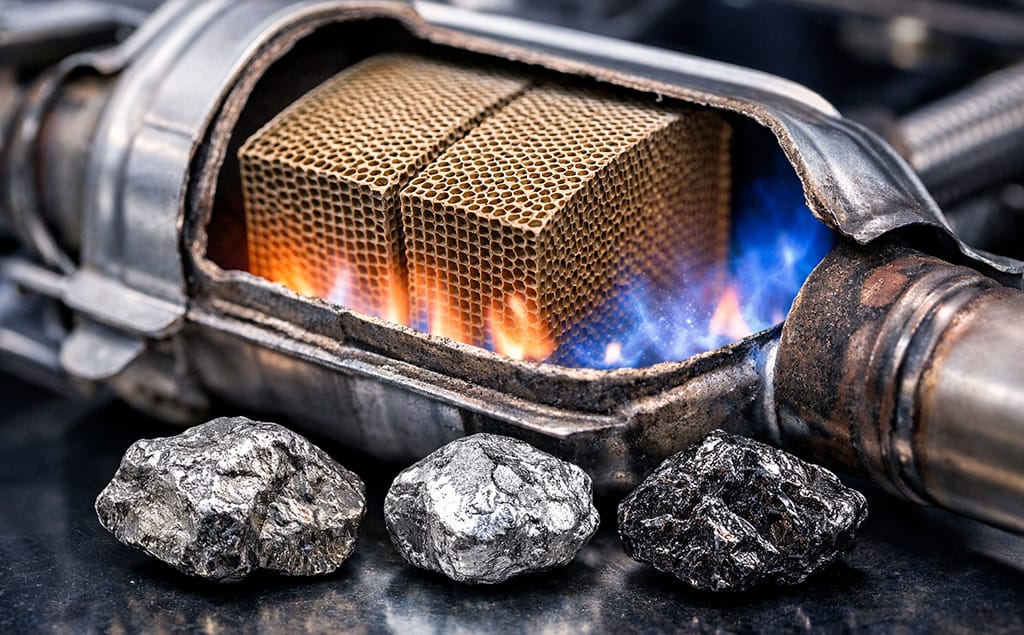
أ محول حفاز ثلاثي الاتجاهات targets three primary pollutants. These include carbon monoxide (CO), nitrogen oxides (NOx), and unburned hydrocarbons (HC). The device utilizes a sophisticated internal structure. Engineers design a ceramic honeycomb substrate. They coat this substrate with a “washcoat” of precious metals. These metals include platinum, palladium, and rhodium.
Platinum and palladium facilitate oxidation reactions. They turn CO and HC into carbon dioxide and water vapor. Rhodium manages the reduction reaction. It removes oxygen from NOx to produce pure nitrogen. Toyota engineers calibrate these converters for specific engine parameters. The precision of this calibration ensures the vehicle meets strict environmental laws.
The Role of Precious Metals in Catalyst Efficiency
Precious metal loading determines the efficiency of a محول حفاز ثلاثي الاتجاهات. Genuine Toyota parts contain high concentrations of these metals. This high loading allows the catalyst to react quickly. It handles cold starts effectively. It also manages sudden acceleration events.
Aftermarket manufacturers often reduce metal loading to lower costs. This reduction impacts performance. A converter with less rhodium cannot reduce NOx efficiently. A converter with less palladium fails to oxidize hydrocarbons during high-speed driving. This performance gap leads to “Check Engine” lights. It also results in failed emissions inspections.
OEM vs. Aftermarket: A Performance Data Analysis
Technical data reveals a significant disparity between OEM and aftermarket units. Experts at Integrity Auto conducted rigorous testing on Toyota vehicles. A Genuine Toyota محول حفاز ثلاثي الاتجاهات produces extremely low emissions. During snap acceleration tests, it emits only 50 to 60 parts per million (ppm) of hydrocarbons.
Aftermarket units show much higher readings. Brand-new aftermarket converters often generate 1700 to 2000 ppm of hydrocarbons. This represents a 30-fold increase in pollution. This gap determines whether a car passes or fails a DEQ test. The Toyota unit cleans the exhaust aggressively. The aftermarket unit barely meets the minimum threshold.

Technical Comparison Table: Catalyst Performance
| مقياس الأداء | Genuine Toyota (OEM) | High-Quality Aftermarket | Budget Universal Unit |
|---|---|---|---|
| HC Emissions (Snap Test) | 50–60 ppm | 200–400 ppm | 1700–2000 ppm |
| Precious Metal Loading | High (Optimized) | واسطة | Low (Minimal) |
| مادة الركيزة | سيراميك عالي الكثافة | سيراميك قياسي | Low-Grade Ceramic |
| Service Life Expectancy | 150,000+ Miles | 50,000–80,000 Miles | 15,000–25,000 Miles |
| Fitment Accuracy | 100% Bolt-on | 95% Direct-Fit | Requires Welding |
| Warranty Period | Manufacturer Backed | 5 Years / 50k Miles | 1 Year Limited |
Top Aftermarket Options for Toyota Vehicles
Several aftermarket brands offer reliable performance for Toyota owners. These brands provide a balance between initial cost and functional longevity.
MagnaFlow Direct-Fit Series
MagnaFlow builds its converters from high-grade stainless steel. This material resists rust and thermal fatigue. Performance enthusiasts prefer MagnaFlow for its high-flow design. These units include pre-installed sensor bungs. These bungs ensure the oxygen sensors sit at the correct depth. This precision prevents false “Check Engine” light triggers.
Walker Ultra EPA Direct-Fit
Walker mirrors the quality and fitment of original equipment. Reviewers on BobIsTheOilGuy praise the Walker Ultra series. Toyota Prius owners find these units particularly effective. The Prius engine cycles on and off frequently. This creates thermal shocks. Walker designs its محول حفاز ثلاثي الاتجاهات to withstand these cycles.
Evan Fischer Direct-Fit
Evan Fischer offers the best value for budget-conscious drivers. CarParts.com highlights their affordable manufacturing process. These units utilize a bolt-on design. This design simplifies the installation process for DIY mechanics. For older Toyota models like the RAV4 or Camry, Evan Fischer provides a cost-effective solution.
Compliance and Fitment Standards
Legal compliance is non-negotiable for a محول حفاز ثلاثي الاتجاهات. You must select a unit that matches your state’s laws.
- CARB-Compliant: These units meet California Air Resources Board standards. They are legal in all 50 states. The Walker CalCat series falls into this category.
- Federal EPA-Compliant: These are legal in 47 or 49 states. You cannot use them in California, Colorado, New York, or Maine.
Fitment types also impact the total cost of ownership.
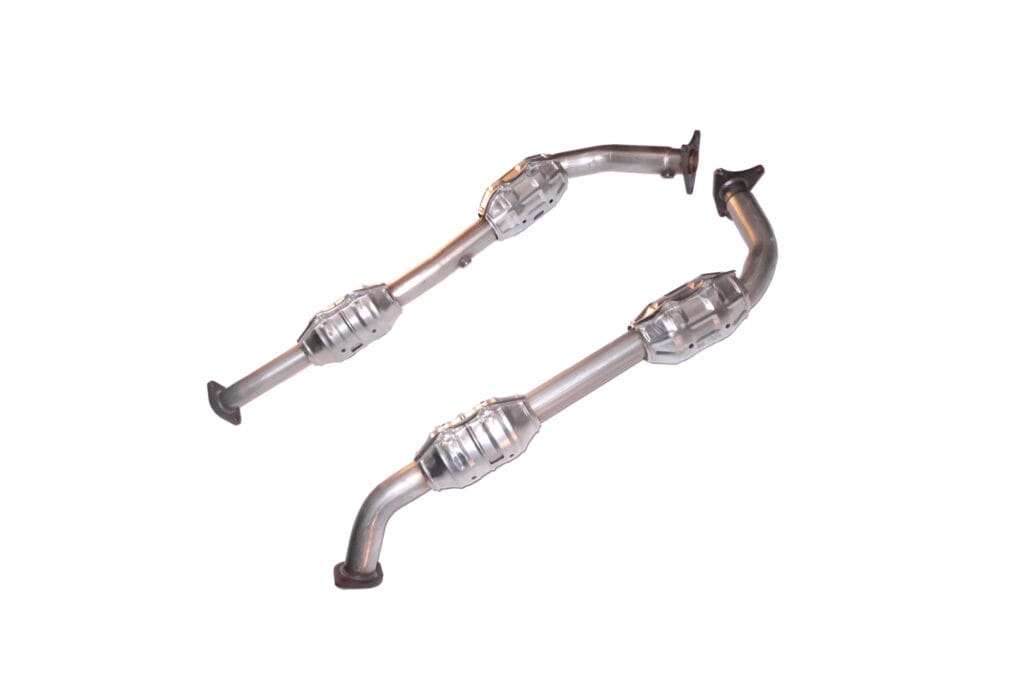
- الملاءمة المباشرة: These units match the original Toyota exhaust geometry. You can bolt them on without modifications. They preserve the original flanges.
- عالمي: These units are generic. A muffler shop must cut your original pipes. They weld the new unit in place. This process destroys the original exhaust structure.
Economic Analysis: The Cost Per Mile Model
The purchase price of a محول حفاز ثلاثي الاتجاهات is only one factor. You must consider the cost per mile. A Genuine Toyota part may cost $3,000. However, it lasts 150,000 miles. This results in a cost of 1.75 cents per mile.
A budget aftermarket unit might cost $750. If it fails after 15,000 miles, the cost is 5 cents per mile. This is nearly three times more expensive. Furthermore, universal units require pipe restoration if you return to OEM. This adds hundreds of dollars in labor costs.
Why Three Way Catalytic Converters Fail
Understanding failure causes helps you protect your new converter.
Excessive Oil Consumption
Engines that burn oil damage the catalyst. The oil leaves crusty deposits on the honeycomb. These deposits coat the precious metals. This makes the محول حفاز ثلاثي الاتجاهات inert. Eventually, the deposits plug the exhaust flow. This causes a massive loss of engine power.
Cylinder Misfires
A misfiring cylinder sends raw fuel into the exhaust. This fuel ignites inside the converter. The internal temperature rises to dangerous levels. This heat melts the ceramic substrate. The material disintegrates. Chunks of ceramic then block the muffler.
الأضرار المادية
The internal ceramic core is brittle. A hard impact to the housing can shatter the core. Road debris or deep potholes often cause this damage.
Diagnostic Troubleshooting for Toyota Owners
Modern Toyotas monitor the محول حفاز ثلاثي الاتجاهات constantly. The computer uses two oxygen sensors. One sensor sits before the converter. The other sits after it. The computer compares the oxygen levels.
If the oxygen levels are too similar, the computer triggers a code. The most common code is P0420. This code means “Catalyst System Efficiency Below Threshold.” You should check for exhaust leaks before replacing the converter. A small leak near the sensor can trigger a false code.
Maximizing Catalyst Longevity
You can extend the life of your محول حفاز ثلاثي الاتجاهات. Follow these maintenance steps:
- Replace Spark Plugs: Fresh plugs prevent misfires. Misfires kill converters.
- Fix Oil Leaks: Prevent oil from entering the combustion chamber.
- Use Quality Fuel: Low-quality fuel contains contaminants. These contaminants poison the catalyst.
- Address Sensors: Replace faulty oxygen sensors. Incorrect fuel mixtures damage the converter core.
خاتمة
Selecting the best محول حفاز ثلاثي الاتجاهات for your Toyota requires careful thought. Genuine Toyota parts offer the best cleaning power and longevity. They provide the lowest cost per mile over the car’s life. High-quality aftermarket brands like MagnaFlow and Walker offer good value for older vehicles. However, budget universal units often lead to repeated failures and higher costs. Prioritize direct-fit, compliant units to maintain your vehicle’s performance. A healthy converter keeps the air clean and your Toyota running smoothly.