مقدمة
تُعطي هندسة السيارات الحديثة الأولوية لخفض الانبعاثات. وتستخدم المركبات أنظمة معقدة لتحييد الغازات الضارة واحتجاز الجسيمات العالقة. محول حفاز ثلاثي الاتجاهات يُعدّ فلتر الجسيمات (GPF) حجر الزاوية في هذه التقنية، حيث يُعالج أكاسيد النيتروجين وأول أكسيد الكربون والهيدروكربونات. في الوقت نفسه، يعمل فلتر الجسيمات في البنزين (GPF) وفلتر الجسيمات في الديزل (DPF) على التقاط السخام الصلب. تعمل هذه المكونات معًا لضمان الامتثال للمعايير البيئية. مع ذلك، يتراكم السخام والرماد بمرور الوقت، مما يُعيق تدفق العادم ويُقلل من كفاءة المحرك. غالبًا ما يتساءل السائقون عن مدى تكرار صيانة هذه المكونات. لذا، من المهم فهم فترات التنظيف اللازمة لكل مكون. محول حفاز ثلاثي الاتجاهات يُعدّ نظام الترشيح الخاص به، بما في ذلك المرشحات المرتبطة به، أمراً بالغ الأهمية. يستكشف هذا الدليل العوامل المؤثرة على عمر النظام وأفضل طرق صيانته.
دور المحول الحفاز ثلاثي الاتجاهات في الانبعاثات
أ محول حفاز ثلاثي الاتجاهات يقوم الجهاز بثلاث مهام متزامنة: اختزال أكاسيد النيتروجين إلى نيتروجين وأكسجين عنصريين، وأكسدة أول أكسيد الكربون إلى ثاني أكسيد الكربون، وتحويل الهيدروكربونات غير المحترقة إلى ماء وثاني أكسيد الكربون. تتطلب هذه العملية درجات حرارة عالية. يستخدم الجهاز معادن ثمينة مثل البلاتين والبلاديوم والروديوم، والتي تعمل كعوامل محفزة للتفاعلات الكيميائية.
في سيارات البنزين الحديثة، غالباً ما يقوم المصنعون بدمج مرشح الجسيمات (GPF) مع... محول حفاز ثلاثي الاتجاهاتيتعامل هذا النظام المتكامل مع كل من الملوثات الغازية والجسيمات الصلبة. في حالة انسداد مرشح الجسيمات، محول حفاز ثلاثي الاتجاهات يواجه الفلتر إجهادًا حراريًا متزايدًا، مما قد يؤدي إلى تدهور طبقة المعدن الثمين. لذا، فإن الحفاظ على سلامة الفلتر يحميه بشكل مباشر. محول حفاز ثلاثي الاتجاهات.

أهم 5 عوامل تؤثر على فترات التنظيف
تتحدد سرعة حاجة نظام العادم لديك إلى الصيانة بعدة عوامل. يجب عليك مراقبة هذه العوامل لمنع التلف المبكر لنظام العادم. محول حفاز ثلاثي الاتجاهات.
1. بيئات القيادة في المناطق الحضرية مقابل بيئات القيادة على الطرق السريعة
تتضمن القيادة داخل المدينة توقفات وانطلاقات متكررة. وتمنع السرعات المنخفضة العادم من الوصول إلى درجات حرارة التشغيل المثلى، مما يؤدي إلى تراكم سريع للسخام في مرشح الجسيمات. في المقابل، تحافظ القيادة على الطرق السريعة على درجات حرارة عالية للعادم، مما يُسهّل عملية "التجديد التلقائي". خلال هذه العملية، تحرق الحرارة السخام المتراكم بشكل طبيعي. كما أن الطقس البارد يُعيق الكفاءة الحرارية.
2. حمولة المركبة ودورة التشغيل
تعمل الشاحنات والحافلات الثقيلة تحت ضغط عالٍ، حيث تستهلك كميات أكبر من الوقود وتنتج المزيد من الجسيمات. ونتيجة لذلك، تتطلب هذه المركبات تنظيفًا أكثر تكرارًا من سيارات الركاب الخفيفة. كما أن نقل الأحمال الثقيلة يزيد من عبء العمل على... محول حفاز ثلاثي الاتجاهات أيضًا.
3. جودة السوائل وصحة المحرك
يحتوي الديزل أو البنزين منخفض الجودة على مستويات عالية من الكبريت. الكبريت يُسمم محول حفاز ثلاثي الاتجاهات ويتسبب ذلك في انسداد المرشحات. استخدم دائمًا وقودًا عالي الجودة. بالإضافة إلى ذلك، استخدم زيوت محركات منخفضة المحتوى من الرماد الكبريتي والفوسفور والكبريت. الزيوت الرخيصة تُنتج رمادًا غير قابل للاحتراق لا يمكن إزالته بالتنظيف الدوري. تسربات الزيت أو سائل التبريد في الجزء العلوي من المحرك ستؤدي إلى تلفه بسرعة. محول حفاز ثلاثي الاتجاهات.
4. اتساق الصيانة
يؤدي الإهمال في صيانة المحرك إلى احتراق غير كامل، مما ينتج عنه كمية كبيرة من السخام. كما أن إهمال الصيانة الدورية يقلل من كفاءة نظام العادم، مما يجبر السيارة على الدخول في دورات "تجديد نشط" متكررة.
5. حجم وتصميم المكونات
تتميز المرشحات الأصغر حجماً بمساحة سطح أقل، لذا فهي تمتلئ أسرع من الوحدات الصناعية الأكبر حجماً. تصميم محول حفاز ثلاثي الاتجاهات وهذا الأمر مهم أيضاً. توفر الركائز ذات الكثافة الخلوية العالية ترشيحاً أفضل، لكنها أكثر عرضة للانسداد إذا كان خليط الوقود في المحرك غنياً بالوقود.
مقارنة فنية لمكونات الانبعاثات
يقارن الجدول التالي المكونات الرئيسية داخل نظام العادم.
| عنصر | الوظيفة الأساسية | الركيزة النموذجية | Maintenance Need |
|---|---|---|---|
| المحول الحفاز ثلاثي الاتجاهات | يُعادل أكاسيد النيتروجين وأول أكسيد الكربون والهيدروكربونات | الكوردييريت أو رقائق معدنية | التنظيف الكيميائي أو الاستبدال |
| مرشح جسيمات البنزين (GPF) | يحجز السخام الناتج عن محركات الحقن المباشر للبنزين | تدفق جداري من السيراميك | التنظيف الحراري أو المائي |
| مرشح جسيمات الديزل (DPF) | يحجز السخام والرماد الناتج عن الديزل | كربيد السيليكون أو الكوردييريت | حراري، مائي، أو فوق صوتي |
توصيات بشأن عدد مرات التنظيف
لا يوجد رقم سحري واحد للتنظيف. فكل مركبة تعمل في ظروف مختلفة. ومع ذلك، فإن اتباع هذه الإرشادات الخمسة سيساعدك في إدارة تنظيفك. محول حفاز ثلاثي الاتجاهات وصحة المرشح.
إجراء عمليات تفتيش دورية
افحص نظام معالجة العادم مع كل تغيير للزيت. ابحث عن علامات السخام عند أنبوب العادم. نظام صحي محول حفاز ثلاثي الاتجاهات ويجب أن يُبقي مُرشِّح الجسيمات (GPF) أنبوب العادم نظيفًا. يشير السخام المرئي إلى وجود تشققات في المُرشِّح أو تلف في المُحفِّز.
راجع إرشادات الشركة المصنعة
يُقدّم دليل المركبة خطًا أساسيًا. تتراوح هذه الفترات عادةً بين 100,000 و150,000 ميل. مع ذلك، تفترض هذه الأرقام ظروفًا مثالية. لذا، عدّل جدولك الزمني إذا كنت تُبقي المحرك في وضع الخمول لفترات طويلة أو تنقل أحمالًا ثقيلة.
المزامنة مع الصيانة الدورية
قم بتنظيف مرشح الجسيمات (GPF) أو مرشح جسيمات الديزل (DPF) أثناء خضوع الشاحنة لإصلاحات رئيسية أخرى. تقلل هذه الاستراتيجية من وقت التوقف عن العمل، وتضمن... محول حفاز ثلاثي الاتجاهات يبقى غير معاق بفعل الضغط العكسي.
الاستجابة لأضواء التحذير
تراقب أنظمة التشخيص الحديثة المدمجة (OBD) ضغط العادم. في حال ظهور ضوء تحذيري، يجب اتخاذ إجراء فوري. تجاهل هذه الأضواء يؤدي إلى دخول المحرك في وضع القيادة الآمنة أو انخفاض قدرته. القيادة لفترات طويلة مع فلتر مسدود قد تتسبب في انصهار المحول الحفاز ثلاثي الاتجاهات.
حلل عاداتك في القيادة
صمّم جدول التنظيف بما يتناسب مع احتياجاتك الخاصة. إذا كنت تعمل بشكل أساسي في حركة المرور داخل المدينة، قلّل فترات التنظيف. لا تقارن شاحنتك بشاحنة مخصصة للطرق السريعة لمسافات طويلة.
أوجه التآزر بين أنظمة المحولات الحفزية ثلاثية الاتجاهات وأنظمة مرشحات جسيمات البنزين
ال محول حفاز ثلاثي الاتجاهات وتعمل مرشحات الجسيمات كوحدة واحدة في العديد من السيارات الحديثة. وتعتمد هذه المرشحات على نظام تحكم مغلق عبر حساسات الأكسجين. في حال انسداد مرشح الجسيمات، ترتفع درجة حرارة غازات العادم بشكل حاد. وقد تتسبب هذه الحرارة في انصهار الركيزة الخزفية داخل المحول الحفاز ثلاثي الاتجاهات.
علاوة على ذلك، فإن الفشل محول حفاز ثلاثي الاتجاهات قد يؤدي ذلك إلى إطلاق شظايا صغيرة من السيراميك. تتطاير هذه الشظايا إلى مرشح الجسيمات، مما يتسبب في انسداد دائم. صيانة أحد المكونات تحمي المكونات الأخرى. تضمن كفاءة المحول الحفاز ثلاثي الاتجاهات عدم قيام كمبيوتر المحرك بزيادة كمية الوقود بشكل مفرط، مما قد يؤدي إلى زيادة السخام الذي يحجزه المرشح.
التنظيف الذاتي مقابل التنظيف الاحترافي: الحقائق التقنية
يلجأ العديد من أصحاب المنازل إلى حلول رخيصة للتنظيف. ومع ذلك، فإن طرق التنظيف المنزلية غالباً ما تنطوي على مخاطر كبيرة. محول حفاز ثلاثي الاتجاهات.
- إضافات الوقود: تُخفّض هذه المواد الكيميائية درجة حرارة اشتعال السخام، وتُساعد في عملية التجديد. مع ذلك، فهي لا تُزيل الرماد غير القابل للاحتراق. وقد يُؤدي الاستخدام المُفرط إلى ترك بقايا كيميائية على السطح. محول حفاز ثلاثي الاتجاهات.
- محاليل التنظيف السائلة: تقوم بعض المحلات برش رغوة في منافذ مستشعر الضغط. قد تُزيل هذه الطريقة السخام الخفيف، لكنها نادرًا ما تصل إلى قلب الوحدة المسدودة بشدة. كما أن الشطف غير السليم قد يُتلف طبقة الطلاء المعدنية الثمينة. محول حفاز ثلاثي الاتجاهات.
- غسيل بالضغط العالي: لا تستخدم أبدًا غسالة الضغط العالي على هذه المكونات. فالماء ذو الضغط العالي يُدمر بنية قرص العسل الهشة، كما أنه يزيل المعادن الحفازة. محول حفاز ثلاثي الاتجاهات يكلف استبدالها آلاف الدولارات.
تقنيات التنظيف الاحترافية
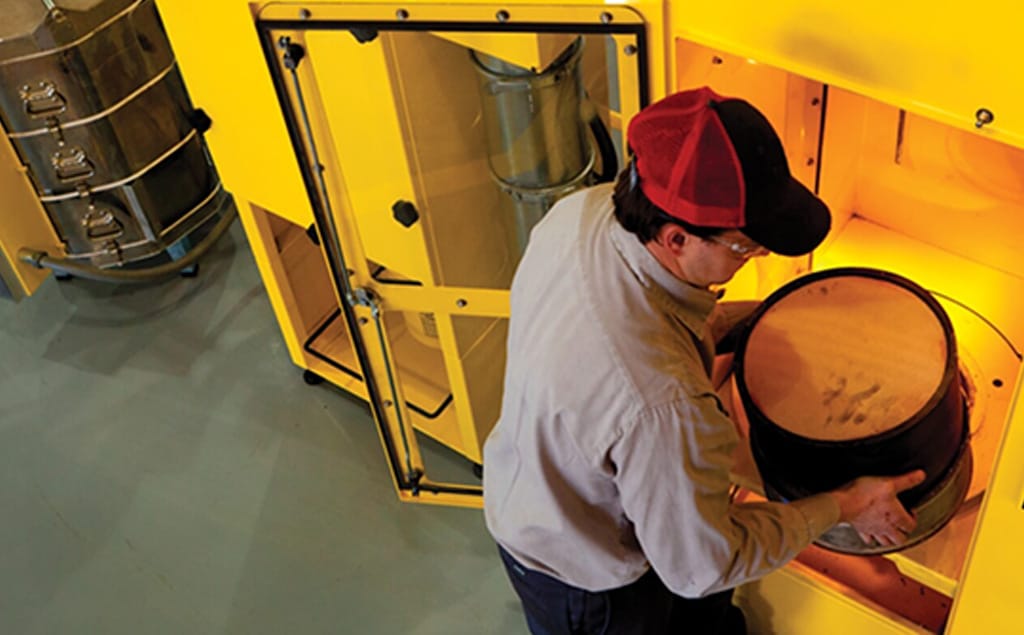
تستخدم المنشآت المهنية معدات متخصصة. تضمن هذه الأساليب طول عمر المعدات. محول حفاز ثلاثي الاتجاهات والفلتر.
أنظمة التنظيف المائي
تستخدم هذه الأنظمة الماء ومنظفات متخصصة. تعمل على غسل السخام والرماد من قنوات الترشيح. وتُستخدم مرحلة النقع المسبق لتليين الرواسب المتصلبة. تستغرق هذه العملية عادةً بضع ساعات. وهي فعالة للغاية للوحدات ذات الأشكال غير المنتظمة والوحدات المتكاملة. محول حفاز ثلاثي الاتجاهات المساكن.
تقنية "الخبز والنفخ الحراري"
هذه هي الطريقة الصناعية التقليدية. يضع الفنيون المرشح في فرن ذي درجة حرارة عالية، حيث تعمل الحرارة على أكسدة السخام وتحويله إلى رماد. بعد ذلك، تقوم معدات تعمل بالهواء المضغوط بنفخ الرماد للخارج. تستغرق هذه العملية عادةً 24 ساعة، وهي فعالة للغاية لمرشحات جسيمات الديزل الثقيلة.
التنظيف بالموجات فوق الصوتية
تستخدم هذه التقنية الموجات الصوتية في حمام سائل. تُولّد هذه الموجات فقاعات مجهرية تنفجر، مما يُزيل الرماد من مسام المرشح العميقة. وهي لطيفة على الركيزة، لكنها تتطلب معدات باهظة الثمن. تُعد هذه الطريقة مثالية للمناطق الحساسة. محول حفاز ثلاثي الاتجاهات الهياكل.
تأثير جودة الوقود على عمر المحفز
يؤثر تركيب الوقود بشكل مباشر على سلامة المحول الحفاز ثلاثي الاتجاهات. يُعرف الرصاص والفوسفور بأنهما "سموم للمحفز"، إذ يُغطيان المعادن الثمينة ويمنعان التفاعلات الكيميائية. حتى الكميات الصغيرة من هذه المواد تُسبب تلفًا دائمًا.
يؤثر الوقود عالي الكبريت أيضاً على تخزين الأكسجين داخل محول حفاز ثلاثي الاتجاهاتيؤدي هذا التداخل إلى زيادة الانبعاثات وفشل عمليات الفحص. باستخدام بنزين عالي الجودة من الفئة الثالثة، يمكنك إطالة عمر كل من مرشح جسيمات البنزين والمحول الحفاز ثلاثي الاتجاهات.
إرشادات عامة لفترات التنظيف
تمثل البيانات التالية متوسط فترات الخدمة لمختلف أنماط القيادة.
| ملف تعريف القيادة | الفترة الموصى بها للتنظيف | المؤشرات الرئيسية |
|---|---|---|
| النقل البري/المسافات الطويلة | 150,000 – 200,000 ميل | تجدد طبيعي مع زيادة المسافة المقطوعة |
| استخدامات متعددة | 100,000 – 150,000 ميل | جدول الصيانة القياسي |
| رحلة قصيرة داخل المدينة | 50,000 – 80,000 Miles | تجديد نشط متكرر، استهلاك منخفض للوقود |
| شديد/ثقيل التحمل | 6 – 12 شهرًا | ساعات خمول عالية، انقطاع التيار الكهربائي |
علامات تدل على أن نظامك يحتاج إلى خدمة احترافية
يجب عليك التعرف على أعراض عطل نظام العادم.
- أضواء التحذير في لوحة القيادة: يشير ضوء DPF/GPF أو ضوء فحص المحرك (CEL) إلى وجود مشكلة.
- انخفاض أداء المحرك: ستلاحظ انخفاضًا في الطاقة أثناء التسارع.
- زيادة استهلاك الوقود: يؤدي الضغط العكسي إلى إجبار المحرك على العمل بجهد أكبر، مما يؤدي إلى هدر الوقود.
- دورات تجديد متكررة: إذا حاولت السيارة إعادة التجديد كل بضعة أميال، فمن المحتمل أن يكون الفلتر مليئًا بالرماد.
- روائح نفاذة: غالباً ما تشير رائحة الاحتراق أو الحرارة إلى وجود صراع محول حفاز ثلاثي الاتجاهات.
خاتمة
الحفاظ على محول حفاز ثلاثي الاتجاهات يُعدّ فلتر الجسيمات ضروريًا لصحة المركبات الحديثة. فالسخام والرماد من نواتج الاحتراق الحتمية. ومع ذلك، فإن التنظيف الوقائي يمنع الاستبدال المكلف وتلف المحرك. تحتاج معظم المركبات إلى صيانة احترافية بين 100,000 و150,000 ميل. وتؤدي ظروف القيادة القاسية إلى تقصير هذه الفترة بشكل كبير. تجنب طرق التنظيف الذاتي الخطرة مثل الغسيل بالضغط العالي. بدلاً من ذلك، اختر التنظيف الاحترافي المائي أو الحراري لضمان سلامة فلتر الجسيمات. محول حفاز ثلاثي الاتجاهاتالصيانة الدورية توفر المال، وتحمي البيئة، وتحافظ على سيارتك على الطريق.