Uvod
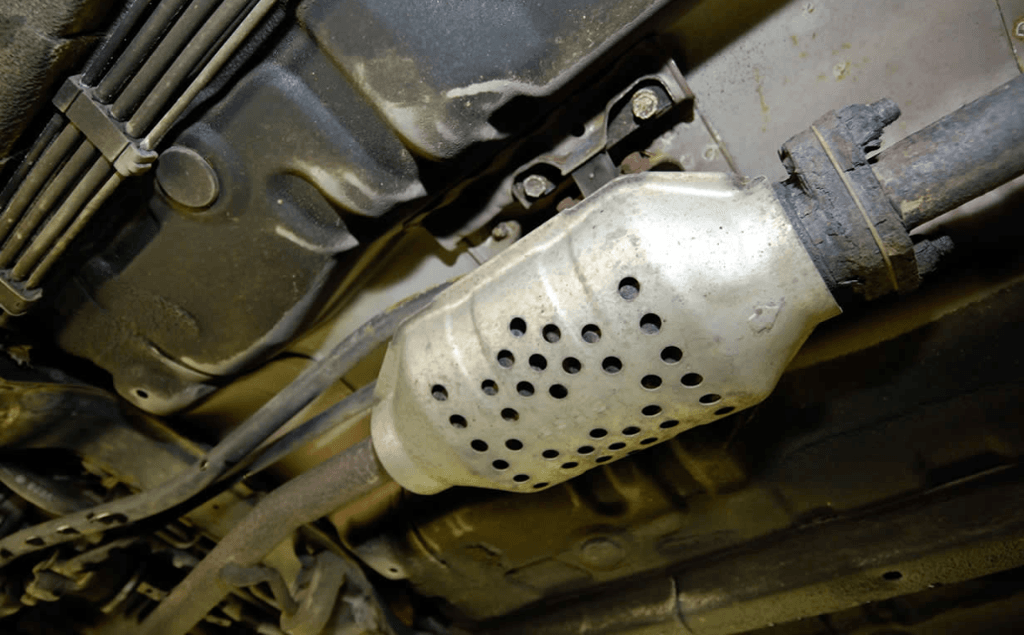
Automobilski inženjering se u velikoj mjeri oslanja na trostruki katalizator za smanjenje štetnih emisija vozila. Ova vitalna komponenta pretvara ugljični monoksid (CO), ugljikovodike (HC) i dušikove okside ($NO_x$) u bezopasne plinove poput ugljičnog dioksida ($CO_2$), vode ($H_2O$) i dušika ($N_2$). Međutim, optimizacija gustoće podloge zahtijeva strateški kompromis između snage motora i ekoloških zahtjeva. Tehničari i stručnjaci za podešavanje performansi procjenjuju ovu gustoću koristeći broj ćelija po kvadratnom inču (CPSI).
Izbor između supstrata visokog protoka od 200 CPSI i standardnog supstrata od 400 CPSI mijenja povratni pritisak izduvnih gasova, otpor prenosa mase i efikasnost katalizatora. Ovaj članak pruža analitičku komparaciju konfiguracija od 200 CPSI i 400 CPSI. Istražit ćemo mehaniku fluida, termičku dinamiku i hemijsku kinetiku koje upravljaju... trostruki katalizator performanse.
                  EXHAUST GAS FLOW DIRECTION
                              │
                              ▼
        ┌───────────────────────────────────────────┐
        │        Three-Way Catalytic Converter      │
        │                                           │
        │   [200 CPSI]              [400 CPSI]      │
        │  ┌───┐ ┌───┐             ┌─┐┌─┐┌─┐┌─┐     │
        │  │   │ │   │             │ ││ ││ ││ │     │
        │  └───┘ └───┘             └─┘└─┘└─┘└─┘     │
        │  Larger Channels        Smaller Channels  │
        │  Lower Resistance       Higher Resistance │
        │  Max Power Flow         Max Surface Area  │
        └───────────────────────────────────────────┘
                              │
                              ▼
                 CLEANER EMISSIONS / OUTPUT
Understanding Substrate Cell Density and Monolith Geometry
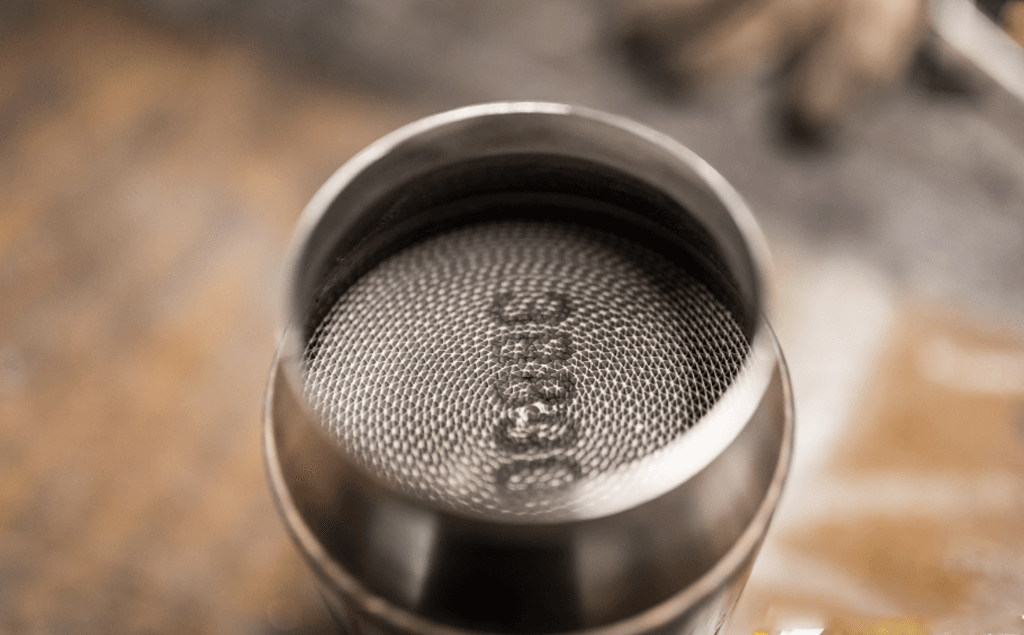
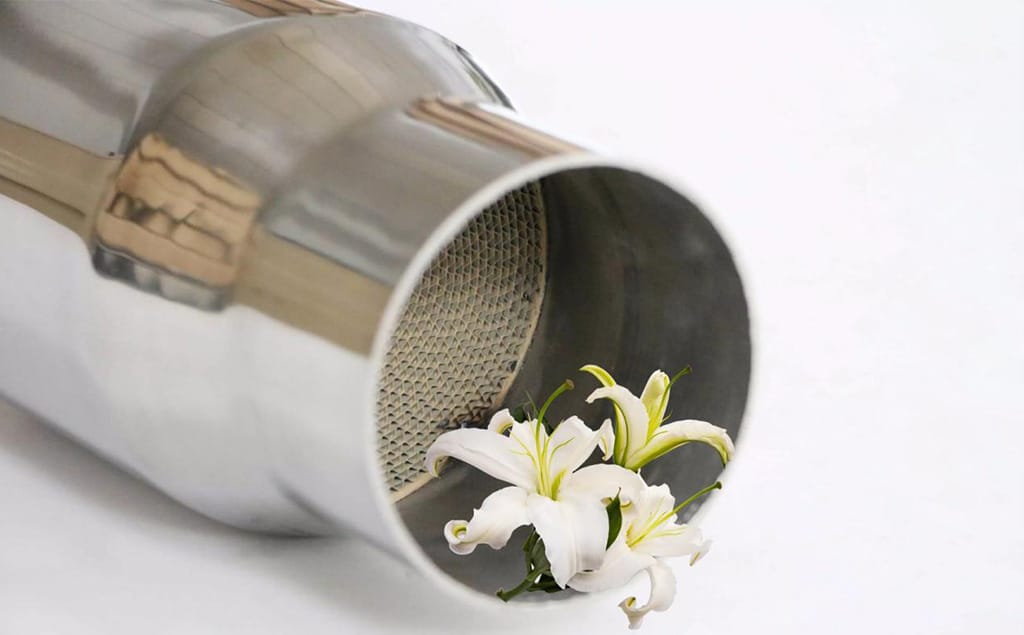
Dizajn današnjih katalitičkih konvertora oslanja se na saćastu matricu kako bi se maksimizirala unutrašnja površina. Proizvođači stvaraju ove kanale od keramičkih (obično kordierita) ili metalnih folija. Termin CPSI kvantificira broj ovih paralelnih kanala protoka po kvadratnom inču površine poprečnog presjeka.
Kada se gustina ćelija promijeni, fizičke dimenzije unutrašnjih kanala se dramatično mijenjaju. Supstrat od 200 CPSI ima veće pojedinačne otvore kanala sa manjim ukupnim brojem ćelija. Suprotno tome, supstrat od 400 CPSI udvostručuje broj ćelija unutar istog prostornog otiska, što smanjuje hidraulički prečnik svakog kanala.
Ovaj geometrijski pomak direktno utiče na geometrijsku površinu (GSA). Konfiguracija od 400 CPSI pruža znatno veću GSA po jedinici zapremine od jedinice od 200 CPSI. Ova dodatna površina daje izduvnim gasovima koji jure dovoljno prostora za interakciju sa aktivnim katalizatorima.
Međutim, ova veća površina dolazi s kompromisom. Manji kanali monolita od 400 CPSI ograničavaju protok plinova, što povećava povratni pritisak ispušnih plinova. Ispiranje motora se poboljšava, a povratni pritisak se smanjuje, zahvaljujući nesmetanim putevima koje nudi supstrat od 200 CPSI.
Internal Structure: Substrate Core vs. Washcoat Layer
Gola monolitna podloga nema hemijska svojstva potrebna za cijepanje štetnih molekula. Porozni 'washcoat' se nanosi na zidove kanala kako bi se optimizirala katalitička efikasnost. Debljina ovog sloja varira od $10\ \mu\text{m}$ do $100\ \mu\text{m}$.
Premaz se prvenstveno sastoji od gama-aluminijum oksida ($\gamma\text{-Al}_2\text{O}_3$), koji stvara visoku specifičnu površinu putem guste mreže mikroskopskih pora. Inženjeri dodaju mješovite okside cerijuma i cirkonija ($\text{CeO}_2\text{-ZrO}_2$) ovoj strukturi aluminijum oksida. Dvostruki kapacitet ovih oksida kao promotora skladištenja kiseonika i termalnih stabilizatora garantuje optimalne performanse sistema uprkos privremenim odstupanjima odnosa vazduha i goriva.
┌──────────────────────────────────────────────────┐ │ Protok izduvnih gasova u masi │ └─────────────────────────────────────────────────┘ │ │ (Vanjski prijenos mase) ▼ ░░░░░░░░░░░░░░░░░░░░░░░░░░░░░░░░░░░░░░░░░░░░ ◄── Površina premazana pranjem ▒▒▒▒▒▒▒▒▒▒▒▒▒▒▒▒▒▒▒▒▒▒▒▒▒▒▒▒▒▒▒▒▒▒▒▒▒▒▒▒▒▒ ◄── Difuzija pora (unutrašnja) █████████████████████████████████████████ ◄── Plemeniti metali (Reakcije) ■■■■■■■■■■■■■■■■■■■■■■■■■■■■■■■■■■■■■■■■■■■■ ◄── Čvrsti zid od podloge
Plemeniti metali (PCM) poput platine (Pt), paladija (Pd) i rodija (Rh) nalaze se duboko unutar ove porozne matrice premaza. Punjenje PCM-om određuje tačnu masu plemenitih metala nanesenih na uređaj. Platina i paladij ubrzavaju oksidaciju CO i HC, dok rodij cilja na smanjenje $NO_x$.
Budući da se ovi plemeniti metali nalaze unutar pora premaza, ispušni plinovi moraju migrirati kroz vanjske plinske filmove i unutarnje pore da bi reagirali.

Fluid Dynamics and Transport Resistance Phenomology
Za optimizaciju trostruki katalizator, inženjeri izoluju fizičke i hemijske faktore koji ograničavaju konverziju emisija. Tri različita granična transportna otpora upravljaju sistemom:
- Otpor vanjskog prijenosa mase: Fizička barijera koja ograničava transport reaktanata preko graničnog sloja od glavne struje plina do vanjske površine premaza.
- Otpor unutrašnjeg prijenosa mase: Otpor na koji nailaze molekule plina prilikom difuzije kroz mikropore premaza prema aktivnim mjestima plemenitog metala.
- Otpornost na hemijske reakcije: Kinetička ograničenja katalitičkih reakcija na površinama plemenitih metala, uključujući adsorpciju, molekularnu reorganizaciju i desorpciju.
Temperatura snažno utiče na to kako ovi otpori međusobno djeluju. Na nižim temperaturama, sistem funkcioniše u kinetičkom režimu gdje dominira otpor hemijskoj reakciji. Budući da se brzine hemijskih reakcija eksponencijalno povećavaju s temperaturom prema Arrheniusovom zakonu, otpor reakcije brzo opada kako se ispušni plinovi zagrijavaju.
Kada konvertor pređe temperaturu gašenja (gdje efikasnost konverzije prelazi $50\%), otpornost na hemijske reakcije postaje zanemarljiva. Na visokim radnim temperaturama, vanjski i unutrašnji faktori prenosa mase određuju ukupne stope konverzije.
High-Flow vs. Standard Performance Profiles
| Funkcionalni parametar | 200 CPSI specifikacija | Specifikacija 400 CPSI |
|---|---|---|
| Primarna aplikacija | Trke, Staza, Turbopunjeni, Visoka KS | Ulične performanse, Svakodnevna vožnja, OEM |
| Brzina protoka izduvnih gasova | Maksimalni protok | Moderate to High Flow Capabilities |
| Protivpritisak izduvnih gasova | Extremely Low | Umjereno |
| Geometrical Surface Area | Lower Surface Area | Higher Surface Area |
| Emissions Reduction | Marginal / Borderline Compliance | High Compliance Rating |
| On-Board Diagnostics (OBD2) | High Risk of Check Engine Light (CEL) | Low Risk of Check Engine Light (CEL) |
| Acoustic Attenuation | Loud, Aggressive Sound Profile | Quiet, Factory-Like Sound Profile |
| Typical Substrate Material | Metallic Foil Matrix | Ceramic Structure / High-Tier Metal |
Quantifying Physical and Chemical Resistance Profiles
Empirical research under real-world engine loads reveals how cell density shifts internal transport resistance. Testing a 200 CPSI trostruki katalizator against a 400 CPSI unit yields clear data regarding internal limitations.
First, chemical reaction resistance remains low for both configurations across normal operating temperatures. The precious metal catalyst acts fast enough that the chemical step does not delay emission conversion once the system is hot.
Second, internal mass transfer resistance consistently exceeds external mass transfer resistance. The washcoat layers in standard converters restrict access to active catalyst sites. A thick washcoat layer ($30\ \mu\text{m}$ or greater) limits contact between the target gases and the precious metals, shielding the catalyst from its full potential.
Third, cell density choices change mass transfer dynamics in predictable ways:
- The 200 CPSI Profile: Larger channel profiles create a thicker boundary gas film, raising external mass transfer resistance. However, because a 200 CPSI unit spreads its washcoat mass across less surface area, it reduces internal mass transfer and chemical reaction resistances per unit of contact area.
- The 400 CPSI Profile: Smaller channel profiles shrink the boundary layer, lowering external mass transfer resistance. The increased cell density distributes the exhaust across more channels, which accelerates bulk gas interaction with the washcoat face.
This data suggests an ideal layout for emissions control. If engineers pair a high cell density core (like 400 CPSI) with a thinner washcoat layer while maintaining precious metal loading, they can reduce external and internal mass transfer resistance simultaneously. This design mix maximizes pollution cleanup without requiring excess space.
Performance Dynamics of 200 CPSI Catalytic Converters
High-performance tuning operations favor the 200 CPSI trostruki katalizator because it removes exhaust restrictions. Forced-induction engines (turbos and superchargers) pump huge volumes of gas through the exhaust tract. Standard high-density filters generate severe backpressure in these applications.
[Engine Exhaust Port] ──► [Reduced Backpressure] ──► [Rapid Turbo Spool] ──► [Max HP]
The combustion chamber ends up choking on residual heat and exhaust when backpressure runs too high.This contamination dilutes the incoming fuel charge and increases the risk of engine knock. A 200 CPSI substrate features wide, open paths that lower backpressure and accelerate exhaust scavenging. This free-flowing design allows turbocharged vehicles to spool up faster and generate more peak horsepower.
Izdržljivost je još jedna velika prednost konfiguracije 200 CPSI. Proizvođači često konstruiraju ova jezgra visokog protoka koristeći tanke metalne folije umjesto krhkih keramičkih saća. Ove metalne podloge otpornije su na visoke temperature ispušnih plinova, mehaničke udare i vibracije na nivou tračnica mnogo bolje od standardnih komercijalnih jedinica.
Emissions Compliance and Longevity of 400 CPSI Catalytic Converters
400 CPSI trostruki katalizator služi kao idealna zamjena za svakodnevna cestovna vozila. Moderni automobili koriste osjetljive On-Board Diagnostics (OBD2) sisteme za praćenje usklađenosti s emisijama. Ovi upravljački moduli motora (ECM) prate katalitičku efikasnost upoređujući očitanja senzora kisika prije i poslije katalizatora.
Kada se gas brzo pokreće, jedinica od 200 CPSI jednostavno nema dovoljno površine da se nosi s naglim porastom izduvnih gasova. Kada sirovi zagađivači zaobiđu jezgro, zadnji senzor kiseonika signalizira pad performansi. Ova varijacija aktivira kod greške efikasnosti katalizatora, paleći lampicu Check Engine (CEL) na instrument tabli.
[Exhaust Stream] ──► [400 CPSI High Surface Area] ──► [Clean Chemistry] ──► [Satisfied OBD2 Sensor]
Konvertor od 400 CPSI obezbjeđuje površinu potrebnu za sprječavanje pojave kodova efikasnosti na modernim vozilima. Poboljšava performanse u poređenju sa restriktivnim fabričkim komponentama ($600\text{–}800\text{ cpsi}$), a istovremeno dovoljno dobro čisti ispušne gasove da zadovolji osjetljivi fabrički softver. Postiže idealnu ravnotežu za automobile koji se voze po cesti i moraju proći rutinske testove emisija.
Vehicle Production Era and Engine Management Factors
Sofisticiranost upravljanja motorom diktira kako vozilo reaguje na različite gustine ćelija. Stariji automobili ne zahtijevaju iste konfiguracije izduvnih sistema kao moderna vozila.
Vozila proizvedena 2016. godine i ranije koriste manje agresivne parametre za praćenje emisija. Ove starije platforme često tolerišu 200 ili 300 CPSI. trostruki katalizator bez paljenja lampice za provjeru motora. Mehaničari mogu modificirati ove ispušne sisteme uz minimalnu softversku intervenciju.
Vozila proizvedena 2017. godine i kasnije zahtijevaju precizno usklađivanje hardvera. Moderni računari motora kontinuirano provjeravaju efikasnost i odmah će prijaviti manje fluktuacije emisija.
Za ova novija vozila, visokokvalitetni 400 CPSI konvertori (kao što su komponente G-Sport GEN2) su neophodni. Ove specijalizirane komponente koriste vrhunske premaze i precizne punjenja plemenitih metala kako bi zadovoljile osjetljivi moderni softver, a istovremeno poboljšale protok ispušnih plinova.
Sourcing Quality Components and Manufacturing Standards
Međunarodno tržište automobilske rezervne opreme uključuje mnogo različitih proizvodnih standarda. Razlike u cijenama često proizlaze iz skrivenih varijacija u kvaliteti materijala.
Neki proizvođači smanjuju troškove proizvodnje smanjenjem količine plemenitih metala ili korištenjem premaza niske kvalitete. Ovi inferiorni proizvodi često brzo otkazuju, uzrokujući trenutne greške senzora. Mogu uštedjeti novac unaprijed, ali često zahtijevaju skupe zamjene.
┌──────────────────────────────────────────────────────────────────────┐ │ Vrhunski proces proizvodnje │ ├──────────────────────────────────────┬─────────────────────────────┤ │ Napredno lijepljenje premaza │ Kontrolisani plemeniti metali │ │ Otporno na termalni udar │ Platina, paladij, rodij │ └─────────────────────────────────────┴──────────────────────────────┘
Pouzdani globalni dobavljači fokusiraju se na kvalitet izrade, a ne samo na jurnjavu za niskim troškovima. Na primjer, GRWA se specijalizira za visokokvalitetne komponente ispušnih sistema na glavnim platformama za poslovanje između preduzeća. Kompanija proizvodi izdržljive opcije 200, 300 i 400 CPSI koristeći robusne proizvodne standarde.
Oni testiraju svaku liniju proizvoda kako bi osigurali strukturni integritet i konzistentne performanse protoka. Ovaj disciplinovani pristup proizvodnji pruža međunarodnim kupcima pouzdane komponente koje uravnotežuju protok i kontrolu emisija.
Summary Recommendation Guidelines
- Bilo da se radi o igrački za stazu, čudovištu s turbopunjačem ili potrazi za punom snagom i bučnim ispuhom - 200 CPSI je pravi izbor. Ovaj izbor zahtijeva strategiju vozila koja može prilagoditi profile visokih emisija i potencijalna podešavanja senzora.
- Odaberite konfiguraciju 400 CPSI: Ako vam je potreban pouzdan automobil za svakodnevnu upotrebu, morate se pridržavati lokalnih propisa o emisijama ili želite izbjeći paljenje lampica za provjeru motora, ova postavka nudi bolji protok od restriktivnog standardnog uređaja, a istovremeno održava odlične performanse čišćenja.
Zaključak
Odabir odgovarajuće gustoće ćelija za trostruki katalizator Zahtijeva uravnoteženo razumijevanje protoka fluida i hemijskog inženjerstva. Da bi se preživjeli zahtjevni trkački uslovi sa velikom snagom, koristi se opcija od 200 CPSI za otključavanje protoka plina bez žrtvovanja čvrstoće kućišta. Konfiguracija od 400 CPSI maksimizira površinu i smanjuje otpor prijenosu mase, osiguravajući pouzdanu kontrolu emisija za moderna cestovna vozila. Usklađivanje gustoće jezgre sa softverom vašeg vozila i zahtjevima za performansama sprječava kvarove senzora, a istovremeno optimizira efikasnost ispušnih plinova.