Uvod
Society of Automotive Engineers (SAE),The trosmjerni katalizator stands as one of the most critical components in a modern vehicle’s exhaust system. It serves a singular, vital purpose: converting toxic engine gases into less harmful substances. Most drivers ignore this part until a dashboard warning light appears. However, your daily driving habits directly dictate how long this expensive component lasts. A well-maintained unit can survive for the entire life of a car. Conversely, poor habits and neglected maintenance can destroy it in a fraction of that time. This article explores the scientific relationship between your behavior behind the wheel and the health of your trosmjerni katalizator.
What is a Three Way Catalytic Converter?
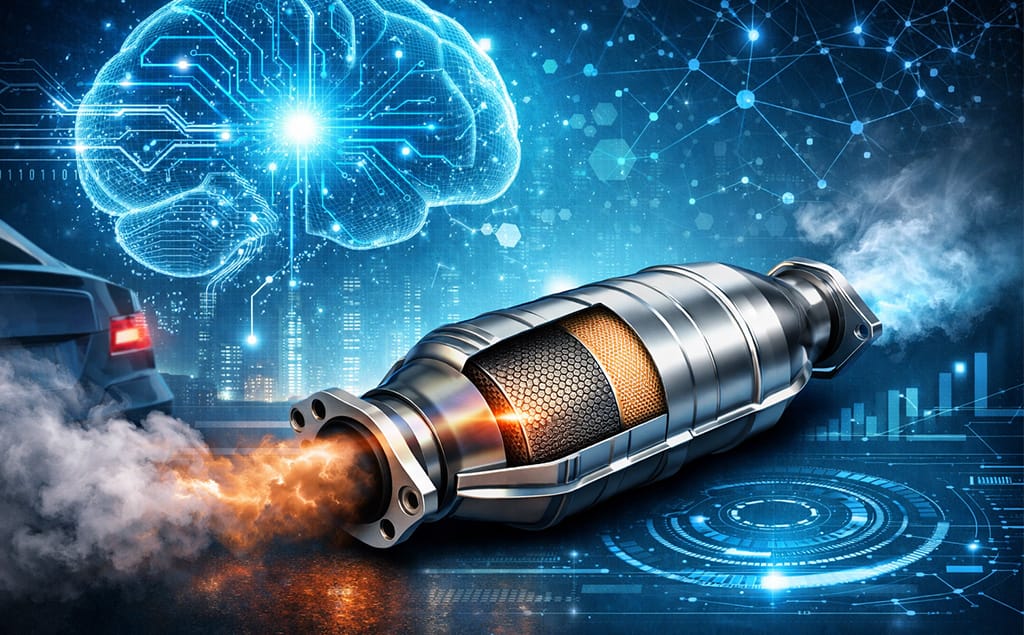
To understand lifespan, we must first understand the technology. A trosmjerni katalizator handles three specific tasks simultaneously. First, it reduces nitrogen oxides into elemental nitrogen and oxygen. Second, it oxidizes carbon monoxide into carbon dioxide. Third, it oxidizes unburned hydrocarbons into water vapor and carbon dioxide.
The device contains a ceramic honeycomb structure. Manufacturers coat this structure with precious metals like platinum, palladium, and rhodium. These metals act as catalysts. They trigger chemical reactions without being consumed themselves. However, these reactions require extreme heat. If the converter stays cold, it cannot function. This thermal requirement creates the primary link between driving habits and component failure.

The Critical Role of Operating Temperature
A trosmjerni katalizator requires a specific temperature range to work. Most units start functioning effectively at around 400°C (750°F). Engineers call this the “light-off” temperature. Once the unit reaches this heat, it becomes self-sustaining through exothermic reactions.
If you drive short distances, your engine never reaches its optimal operating temperature. Consequently, the exhaust gases remain too cool to activate the catalyst. This leads to a phenomenon known as “quenching.” In this state, the converter acts as a filter rather than a reactor. It traps soot and unburned fuel. Over time, these deposits harden into carbon buildup. This buildup restricts exhaust flow and eventually clogs the unit entirely.
How City Driving Accelerates Wear
City driving involves frequent stops, low speeds, and idling. This environment is hostile to a trosmjerni katalizator. Low-speed travel generates less heat in the exhaust manifold. Constant idling allows the converter to cool down below its light-off threshold.
When the converter operates below its ideal temperature, it cannot burn off accumulated residues. These residues form a “mask” over the precious metal coating. This masking prevents exhaust gases from touching the catalyst. The vehicle’s computer then detects a drop in efficiency. This usually triggers a P0420 or P0430 error code. Frequent city drivers should intentionally modify their habits to prevent this premature degradation.
The Benefits of Highway Driving
Highway driving provides the best environment for a trosmjerni katalizator. Sustained speeds between 60 and 70 mph generate consistent, high-intensity heat. This heat allows the converter to perform a “self-cleaning” process. It incinerates soot and carbon deposits that accumulated during city trips.
Regular highway runs can extend the lifespan of the unit significantly. Some converters on highway-driven vehicles last well over 300,000 kilometers. The high flow rate of exhaust gases also helps blow out loose particulates. If you primarily drive in the city, you should take your vehicle on a 30-minute highway trip at least once a week. This simple habit can save you thousands of dollars in repair costs.
Aggressive Driving and Thermal Stress
Aggressive driving habits also impact the trosmjerni katalizator. Rapid acceleration forces a rich fuel mixture into the engine. This means the engine receives more fuel than it can burn efficiently. The excess unburned fuel travels down the exhaust pipe.
When this raw fuel hits a hot catalytic converter, it ignites instantly. This creates a massive spike in internal temperature. While the converter needs heat, it cannot handle extreme thermal surges. Excessive heat can melt the ceramic honeycomb structure. Once the internal structure melts or collapses, the converter becomes a physical blockage. You will notice a significant loss of engine power and poor fuel economy.
Table 1: Catalytic Converter Lifespan by Driving Profile
| Profil vožnje | Primary Environment | Expected Lifespan (Miles) | Risk Level |
|---|---|---|---|
| Short Commuter | City Streets / Stop-and-Go | 50,000 – 80,000 | Visoko |
| Average Driver | Mixed City and Highway | 100,000 – 120,000 | Umjereno |
| Long-Distance | Consistent Highway Speeds | 150,000 – 200,000+ | Nisko |
| Performance/Aggressive | Hard Acceleration / Racing | 40,000 – 70,000 | Vrlo visoko |
The Impact of Engine Maintenance
The health of your engine determines the fate of your trosmjerni katalizator. The converter is a “downstream” component. It reacts to whatever the engine sends its way. If your engine misfires, it sends raw gasoline into the exhaust. As mentioned, this fuel melts the catalyst.
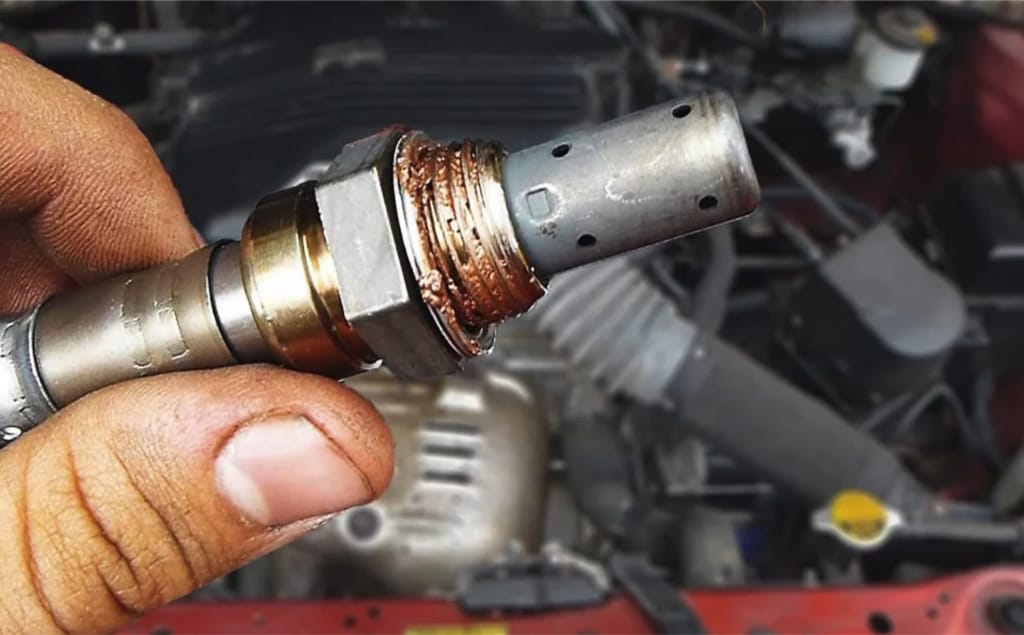
Worn spark plugs are the most common cause of misfires. You must replace spark plugs according to your manufacturer’s schedule. Neglecting this $100 maintenance task can lead to a $2,000 converter replacement. Additionally, leaking valve seals or piston rings can allow engine oil to enter the combustion chamber. Burning oil produces phosphorus and sulfur. These elements “poison” the catalyst by coating the precious metals with a permanent, non-reactive layer.
Excessive Idling and Overheating
Many drivers believe idling is harmless. In reality, extended idling can damage a trosmjerni katalizator. During idling, the engine operates at low efficiency. The airflow through the engine bay is minimal. This lack of airflow prevents the exhaust system from shedding excess heat.
In some cases, the converter can become so hot that it glows red. This is especially common if the engine has a slight fuel imbalance. If you find yourself waiting for long periods, turn off the engine. This protects the converter from unnecessary thermal stress and reduces environmental pollution.
Table 2: Common Symptoms vs. Root Causes of Failure
| Simptom | Potential Root Cause | Impact on Converter |
|---|---|---|
| Miris trulog jaja | Fuel System Malfunction | Sulfur Buildup / Poisoning |
| Rattling Noise | Physical Impact or Overheating | Broken Ceramic Honeycomb |
| Gubitak snage | Carbon Clogging | Exhaust Backpressure |
| Lampica za provjeru motora | Catalyst Inefficiency | Masked Precious Metals |
| Glowing Red Unit | Engine Misfire | Internal Melting |
Contaminants and Fuel Quality
Fuel quality plays a major role in the health of a trosmjerni katalizator. Low-quality gasoline often contains higher levels of sulfur. Sulfur competes with exhaust gases for space on the catalyst surface. This reduces the converter’s efficiency temporarily.
Furthermore, you must avoid certain fuel additives. Some older additives contain lead or silicon. These substances are “catalyst killers.” They form a permanent bond with the platinum and palladium. Once poisoned, the converter cannot be cleaned or recovered. Always use high-quality, Top Tier gasoline to ensure the longevity of your emissions system.
The Science of Catalyst Poisoning
Catalyst poisoning occurs when foreign substances coat the active sites of the trosmjerni katalizator. This is a chemical failure rather than a physical blockage. Silicon is a common poison. It often enters the engine through internal coolant leaks (head gasket failure). When the engine burns coolant, it releases silicates into the exhaust.
These silicates create a glass-like coating over the honeycomb. This coating is irreversible. Even if the converter looks clean on the outside, it is dead on the inside. You must address any “Check Engine” lights related to coolant or oil consumption immediately. Ignoring a small leak today will lead to a failed emissions test tomorrow.
Can You Clean a Three Way Catalytic Converter?
Many products claim to clean a trosmjerni katalizator. Do they actually work? The answer depends on the type of failure. If the converter has light carbon buildup from city driving, a specialized detergent might help. These chemicals lower the ignition temperature of soot, allowing it to burn off at lower speeds.
However, if the converter is physically melted, no cleaner can fix it. If the catalyst is chemically poisoned by lead or silicon, cleaners are useless. Most mechanics view cleaning as a temporary fix at best. If your converter is truly failing, replacement is usually the only permanent solution.

Environmental and Economic Consequences
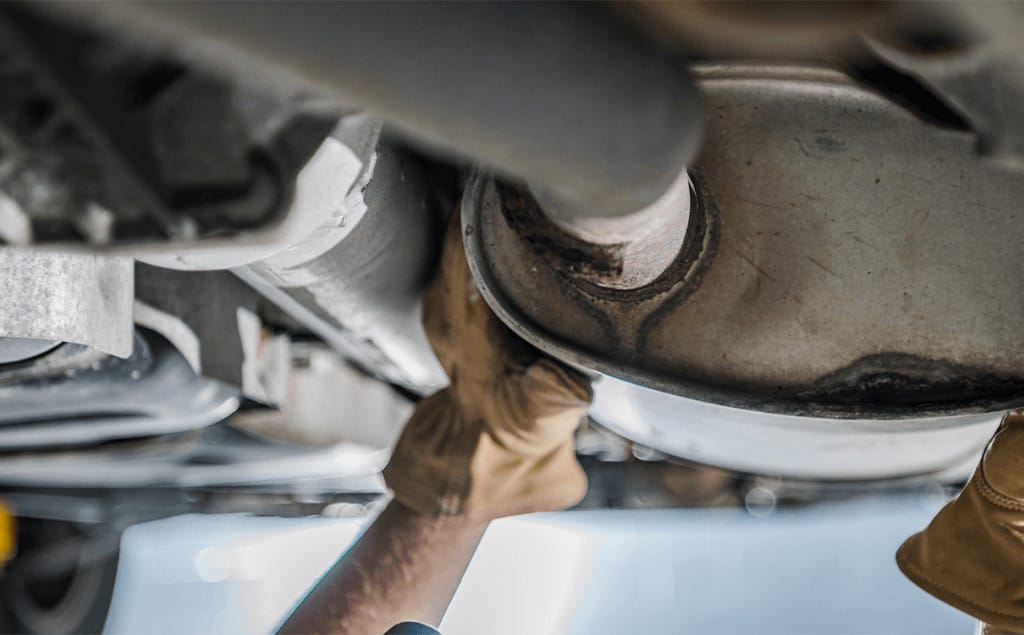
Zamjena trosmjerni katalizator is expensive. The high cost stems from the rare metals inside. Rhodium, for instance, is often more valuable than gold. This makes converters a prime target for thieves. Beyond the cost, a failing converter harms the environment.
A car with a dead converter releases significantly more pollutants. These include smog-forming nitrogen oxides and poisonous carbon monoxide. Maintaining your driving habits isn’t just about saving money. It is about responsible vehicle ownership and protecting air quality.
How to Prolong the Life of Your Converter
You can take active steps to protect your investment. First, drive your car on the highway regularly. Second, fix engine issues immediately. Do not ignore a misfire or a “Check Engine” light. Third, use the correct engine oil. Look for oils labeled “API SN” or higher, as they have lower phosphorus levels.
Finally, avoid driving through deep water. A hot catalytic converter can crack if it is suddenly submerged in cold water. This is known as thermal shock. The ceramic honeycomb is fragile and can shatter under these conditions.
Zaključak
Your driving habits serve as the primary factor in determining the lifespan of your trosmjerni katalizator. Frequent short trips and aggressive acceleration create a hostile environment for this sensitive component. Conversely, consistent highway driving and proactive engine maintenance ensure a long, functional life. Understand that the converter is a reactive device. It simply processes what the engine provides. By maintaining a healthy engine and avoiding excessive idling, you protect both your wallet and the planet. Treat your exhaust system with care, and it will serve you faithfully for hundreds of thousands of miles.