Introduction: The Invisible Sentinel of Your Exhaust System
Modern automotive engineering relies on the kolmitiekatalysaattori to bridge the gap between internal combustion and environmental safety. This component represents the most critical line of defense in a vehicle’s emission control strategy. Most drivers view it as a silent metal canister. However, it operates as a sophisticated chemical reactor. It endures extreme thermal cycles and corrosive gas flows every second.
Understanding the lifespan of this device requires more than a simple mileage estimate. You must examine the synergy between engine health, fuel quality, and precious metal stability. While a standard unit aims for a decade of service, its true longevity depends on your maintenance rigor. This article explores the technical variables that define how long your converter will effectively neutralize toxic pollutants.
The Atomic Mechanics: How the Three Way Catalytic Converter Functions
To predict lifespan, you must understand the “three ways” of its operation. The kolmitiekatalysaattori manages three specific chemical reactions simultaneously. First, it reduces nitrogen oxides (NOx) into nitrogen and oxygen. Second, it oxidizes carbon monoxide (CO) into carbon dioxide. Third, it oxidizes unburned hydrocarbons (HC) into water vapor and carbon dioxide.
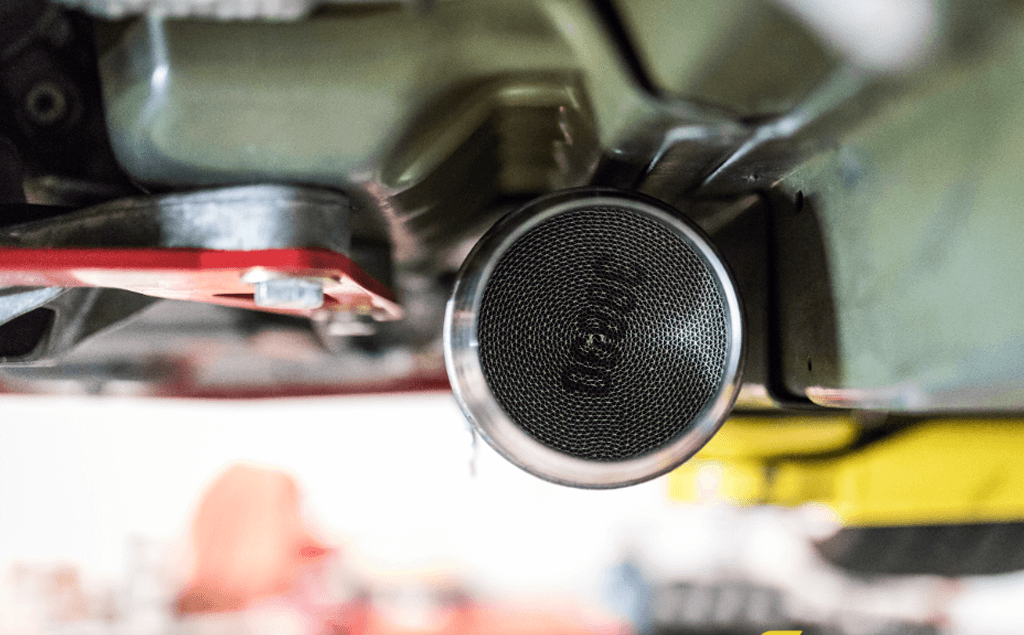
The device utilizes a keraaminen tai metallinen hunajakennoalusta. Manufacturers coat this structure with a “washcoat” of aluminum oxide. This washcoat hosts microscopic particles of precious metals. Platinum and palladium handle the oxidation tasks. Rhodium specializes in the reduction of nitrogen oxides. These metals do not wear out like mechanical gears. Instead, they facilitate reactions without being consumed. Under ideal conditions, the catalyst remains active indefinitely.
Lifespan Benchmarks: Miles, Years, and Real-World Endurance
Insinöörit suunnittelevat kolmitiekatalysaattori to match the service life of the vehicle. Under optimal conditions, you can expect 10 to 15 years of performance. In terms of distance, this translates to 100,000 to 150,000 miles (approximately 160,000 to 240,000 kilometers).
However, “optimal conditions” rarely exist in urban driving. Short trips prevent the device from reaching its light-off temperature. The converter requires a core temperature of at least 400°C (750°F) to trigger chemical efficiency. Frequent cold starts accelerate carbon accumulation. Conversely, highway driving promotes self-cleaning through sustained heat. Many well-maintained converters exceed 200,000 miles. You should only consider replacement when the diagnostic system detects a drop in conversion efficiency.
Table 1: Comparative Analysis of Conversion Efficiency vs. Core Temperature
| Temperature Range (°C) | Conversion Efficiency (%) | System Status |
|---|---|---|
| 0 – 200 | < 10% | Cold Start / Inactive |
| 200 – 350 | 10% – 50% | Warm-up / Light-off Phase |
| 400 – 600 | 90% – 99% | Optimal Operating Range |
| 800 – 1000 | > 95% | High Load / Potential Aging |
| > 1200 | System Failure | Substrate Melting / Sintering |
The Anatomy of Failure: What Kills the Catalyst?
External factors typically cause the premature death of a kolmitiekatalysaattori. The catalyst metals themselves are durable. However, the environment inside the exhaust pipe is brutal.
- Moottorin sytytyskatkokset: This is the primary killer. A misfiring spark plug sends raw fuel into the exhaust. This fuel ignites inside the converter. Temperatures spike instantly. The intense heat melts the ceramic honeycomb. This creates a physical blockage.
- Kemiallinen myrkytys: Leaking oil or coolant enters the combustion chamber. It then travels to the converter. Phosphorus from oil and silicone from coolant coat the jalometallit. This “masking” prevents the exhaust gases from touching the catalyst. The chemical reactions stop.
- Bad Fuel Mixtures: An engine running “rich” produces excessive soot. This soot chokes the honeycomb pores. An engine running “lean” increases NOx levels and temperatures. Both conditions strain the precious metal coating.
- Physical Impact: Road debris or deep potholes can strike the converter housing. The internal ceramic substrate is brittle. Impact shatters the honeycomb. Loose pieces then rattle and block the exhaust flow.
Substrate Materials: Cordierite vs. Metallic Matrix
The choice of internal structure significantly impacts durability. Most factory-installed kolmitiekatalysaattori units use a ceramic substrate called Cordierite. This material offers excellent thermal expansion properties. It resists cracking during rapid temperature changes. However, ceramic walls are relatively thick. This creates more backpressure.
High-performance aftermarket converters often utilize a metallic matrix. These structures use thin foils of stainless steel. The thin walls allow for more surface area in a smaller volume. Metallic converters heat up faster. They also resist physical shock better than ceramic. However, they cost significantly more. For standard passenger vehicles, the ceramic substrate provides a better balance of cost and 150,000-mile reliability.
The Role of Oxygen Sensors in Monitoring Lifespan
Your car monitors the kolmitiekatalysaattori using two oxygen sensors. The “upstream” sensor sits before the converter. It manages the engine’s air-fuel ratio. The “downstream” sensor sits after the converter. Its sole job is to check the converter’s health.
The downstream sensor monitors oxygen storage capacity. A healthy converter absorbs and releases oxygen during the chemical cycle. If the upstream and downstream sensors produce identical readings, the converter has failed. The Engine Control Unit (ECU) will then trigger the P0420 fault code. This diagnostic precision ensures you know exactly when the component stops protecting the environment.
Diagnostic Red Flags: Recognizing the Symptoms of Decay
Your car provides clear warnings before a total breakdown. You must pay attention to these technical signals:
- Sluggish AccelerationTukkeutunut kolmitiekatalysaattori creates backpressure. The engine cannot “breathe” out. This feels like a loss of 20% to 30% of your power.
- The Sulfur Odor: If you smell rotten eggs, the converter is failing. It indicates that the device is not processing hydrogen sulfide correctly.
- Excessive Heat Underfoot: A failing converter often glows red. You may feel unusual heat radiating through the floorboards.
- The Rattle Test: Tap the converter with a rubber mallet. A metallic rattling sound confirms that the internal substrate has shattered.
Table 2: Lifespan Impact Factors and Mitigation Strategies
| Impact Factor | Effect on Lifespan | Professional Mitigation Strategy |
|---|---|---|
| Misfiring Plugs | High (Thermal Shock) | Replace spark plugs every 50k miles. |
| Silicate Leaks | Medium (Poisoning) | Use only manufacturer-approved coolant. |
| Short Commutes | Low (Carbon Buoyancy) | Take a 30-minute highway drive weekly. |
| Poor Fuel Quality | Medium (Sulphur Clogging) | Use Tier-1 gasoline with additives. |
| Failed O2 Sensor | High (Inaccurate Mix) | Replace O2 sensors immediately if faulty. |
Cleaning vs. Replacement: Strategic Decision Making
You might consider chemical cleaning for a “clogged” unit. Some fuel additives can remove light carbon deposits. This works if the efficiency is only slightly below the threshold. However, cleaning cannot fix a melted substrate. It cannot restore precious metals lost to “sintering” (thermal aging).
Replacement remains the only permanent solution for physical damage. When you buy a replacement, ensure it carries the correct EPA or CARB certification. A high-quality aftermarket kolmitiekatalysaattori provides the same environmental protection as the original equipment. It also restores your engine’s fuel economy and power output.
Conclusion: Maximizing the Value of Your Catalyst
The kolmitiekatalysaattori is a remarkable feat of industrial chemistry. It turns a vehicle into a mobile laboratory that cleans the air. While it lacks moving parts, it remains sensitive to the health of the engine. You can expect a decade of service if you treat your engine with care. Address misfires immediately. Use quality lubricants. Monitor your oxygen sensors.
Ultimately, the converter does not die of old age. It dies from neglect. By maintaining a clean combustion process, you ensure that this expensive component lasts for the entire life of your vehicle. A healthy catalyst saves you money at the fuel pump and protects the atmosphere for everyone.