Johdanto
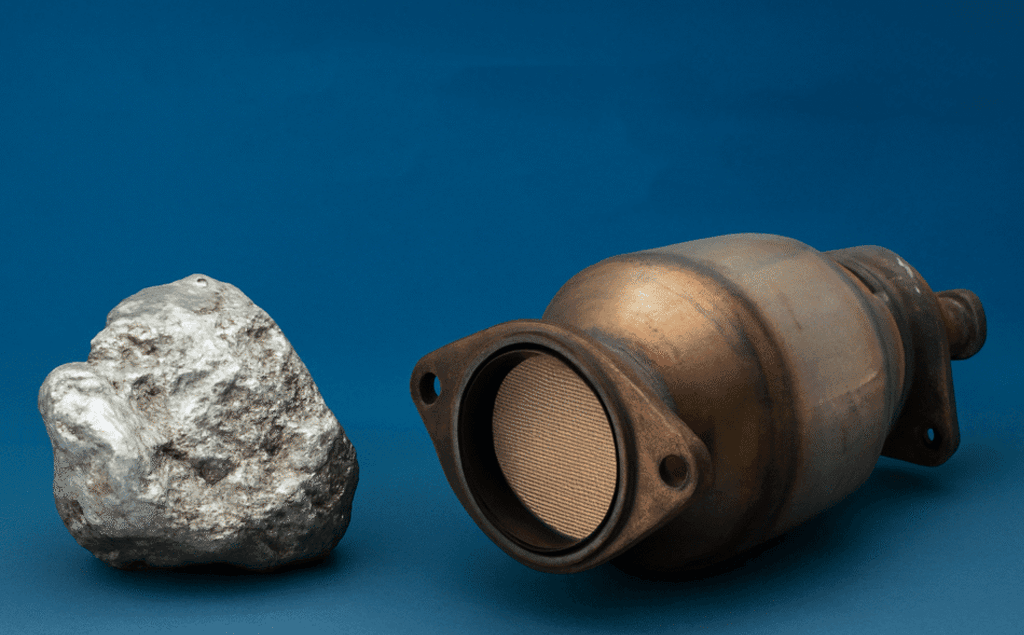
Even into kolmitiekatalysaattori scrap value in 2026, everyone in the industry—from recyclers and dismantlers to parts suppliers—still has their eyes glued to catalytic converter scrap values.The reason is simple. Inside every catalytic converter sits a small but powerful concentration of Platinaryhmän metallit (PGM). These include platinum, palladium, and rhodium. These metals directly decide the market value.
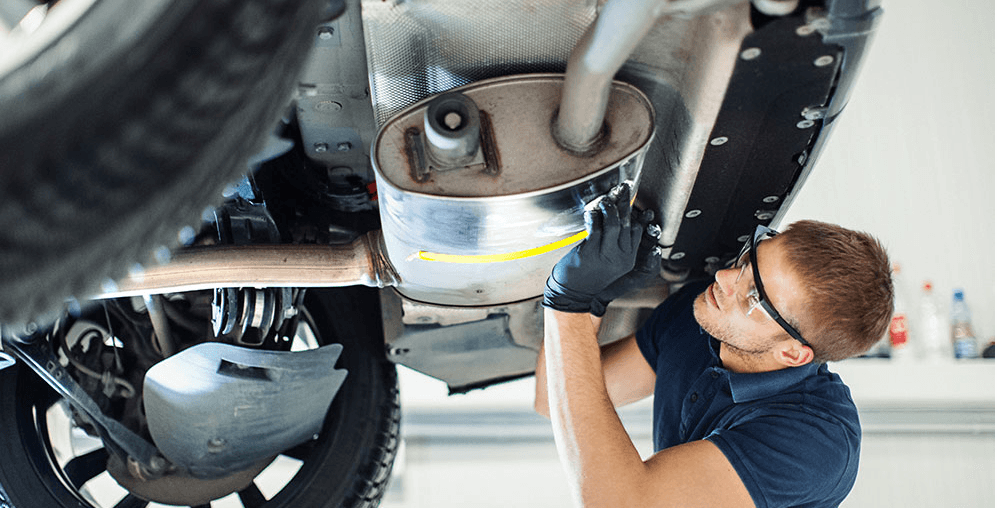
A kolmitiekatalysaattori does more than reduce emissions. It also represents a hidden metal reserve inside every internal combustion vehicle.As soon as a car is written off, this part becomes an instant jackpot for any auto recycler.
Heading into 2026, pricing will still be heavily driven by shifting commodity markets, the booming hybrid car trend, and how efficiently we can recycle.Today, we’re diving straight into what makes kolmitiekatalysaattori scrap value tick, the real reasons behind price changes, and what’s actually happening on the ground in the cat converter market.
Mikä on kolmitiekatalyyttinen muunnin?
A kolmitiekatalysaattori (TWC) controls three major pollutants at the same time:
- Hiilimonoksidi (CO)
- Hiilivedyt (HC)
- Typen oksidit (NOx)
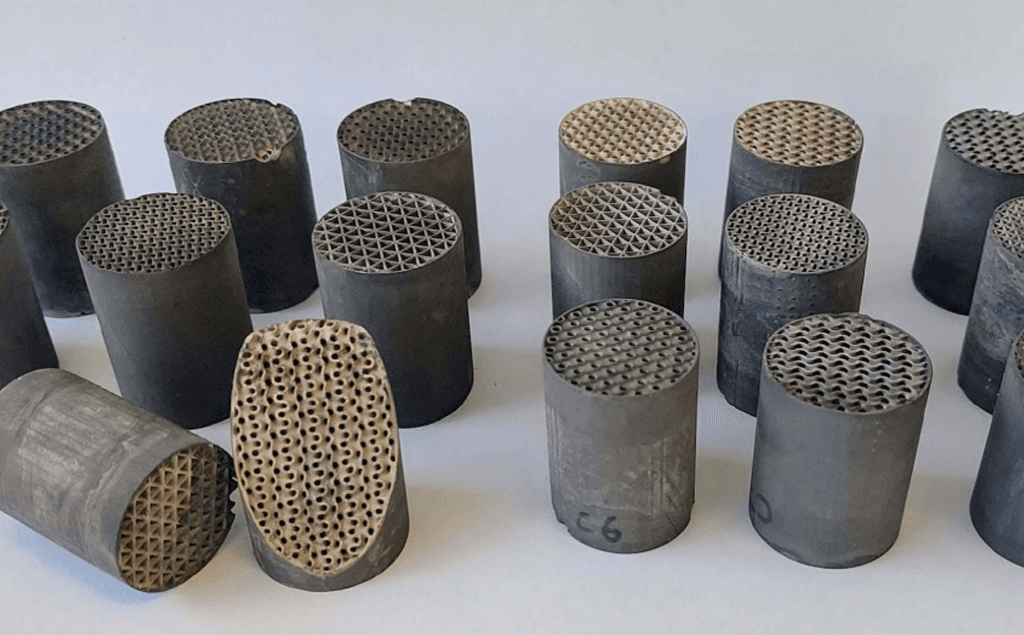
It performs these reactions simultaneously using a ceramic or metallic honeycomb coated with PGMs.
The structure looks simple from the outside. But inside, it uses precision-engineered washcoat layers and catalyst distribution systems. These layers determine conversion efficiency and also influence precious metal retention.
Most modern gasoline vehicles rely on this system. Without it, modern emission standards such as EPA Tier regulations would not be possible.
Why Scrap Value Exists in a Three Way Catalytic Converter
Three way catalytic converter scrap value does not come from steel. It comes from PGMs embedded in the substrate.
- Platina (Pt)
- Palladium (Pd)
- Rodium (Rh)
Learn more about the precious metals used in catalytic converters.These metals act as catalysts. They do not get consumed during reactions. Instead, they accelerate chemical transformation repeatedly.
Because of this, recyclers can recover and reuse them.
Even small quantities matter. A few grams of PGMs can create significant scrap value due to high global pricing.
2026 Scrap Value Overview
Three way catalytic converter scrap values in 2026 vary widely. The range depends on vehicle type, converter design, and metal loading.
General market range:
- Standard converters: $18 – $370
- Heavy-duty diesel units: 150–600 dollaria
- Hybrid high-yield units: $400 – $1,500+
- Aftermarket converters: $10 – $50
Hybrid and OEM units dominate the high end of the market because they contain higher rhodium content.
Table 1: Scrap Value by Converter Type
| Muuntimen tyyppi | Dominant Metal | Typical Scrap Value (2026) | Market Strength |
|---|---|---|---|
| OEM Gasoline TWC | Palladium | $80 – $250 | Keskikokoinen |
| Diesel / DPF Systems | Platina | 150–600 dollaria | Strong |
| Hybrid Vehicles (e.g., Prius) | Rhodium-heavy | $400 – $1,500+ | Very Strong |
| Aftermarket Units | Low PGM load | $10 – $50 | Weak |
Key Metals Inside a Three Way Catalytic Converter
The three way catalytic converter scrap value directly follows platinum, palladium, and rhodium price movement.scrap value depends on three core metals.
Platina
Platinum supports oxidation reactions. It stabilizes emissions control under high temperature conditions.
- 2026 price estimate: ~$1,000/oz
- Stable long-term demand
Palladium
Palladium dominates gasoline engines. It drives hydrocarbon conversion.
- 2026 price estimate: ~$900/oz
- Highly sensitive to supply chain shifts
Rodium
Rhodium handles NOx reduction. It creates the highest scrap value impact.
- 2026 price estimate: ~$5,000/oz
- Extremely volatile market
Even small changes in rhodium pricing can shift scrap converter value dramatically.
What Determines Three Way Catalytic Converter Scrap Value?
Several technical and market factors control pricing.
1. OEM vs Aftermarket Design
OEM converters always outperform aftermarket units.
OEM units:
- Higher PGM loading
- Precise catalyst distribution
- Higher scrap return
Aftermarket units:
- Lower metal content
- Cost-driven production
- Reduced recycling value
2. Vehicle Category
Vehicle type strongly affects metal content.
- Hybrids → highest rhodium retention
- SUVs/trucks → higher platinum load
- Compact cars → lower total PGMs
3. Serial Code Identification
Joka kolmitiekatalysaattori carries a stamped identifier. Recyclers use this code to estimate metal content before processing.
4. Global Commodity Prices
PGM prices fluctuate daily. Scrap value follows these movements directly.
2026 Metal Market Context
The scrap market depends heavily on global supply and demand.
Key benchmark prices:
- Platinum: ~$1,000/oz
- Palladium: ~$900/oz
- Rhodium: ~$4,000–$6,000/oz
Compared to the 2021 peak cycle, rhodium has stabilized but remains historically high. Palladium has corrected from extreme highs but still supports strong scrap pricing.
Kolmitiekatalyyttisen muuntimen historiallinen kehitys
The kolmitiekatalysaattori emerged from environmental regulation pressure.
Timeline:
- 1970: US Clean Air Act triggers development
- Late 1970s: First three-way systems introduced
- 1981: Mandatory adoption in US gasoline vehicles
- 1990s: European adoption expands
- 2000s onward: Diesel systems combine with DPF
Early systems only handled oxidation. Later systems integrated NOx reduction, forming the modern three-way design.
How the Three Way Catalytic Converter Changed Industry Demand
The automotive industry transformed PGM demand globally.
Today:
- Automotive sector consumes ~80% of palladium
- Automotive sector consumes ~50% of platinum
- Rhodium demand is almost fully automotive-driven
This makes the kolmitiekatalysaattori the largest industrial application of PGMs worldwide.
Where Scrap Catalytic Converters Come From
Scrap converters enter recycling streams through multiple channels:
- End-of-life vehicles
- Repair shop replacements
- Insurance write-offs
- Authorized treatment facilities (ATFs)
Legal recycling requires strict documentation. Many countries enforce scrap tracking laws to prevent theft and illegal resale.
How Recycling Works for a Three Way Catalytic Converter
Catalytic converter recycling follows a structured industrial process.
Step 1: Collection and Sorting
Converters get sorted by type and code.
Step 2: Decanning
Workers cut the steel shell and extract the ceramic core.
Step 3: Crushing
The ceramic honeycomb becomes fine powder.
Step 4: Chemical Assay
Labs test metal content using ICP or XRF analysis.
Step 5: Refining
Two main methods apply:
- Pyrometallurgy (high heat smelting)
- Hydrometallurgy (chemical leaching)
Step 6: Metal Recovery
Recovered platinum, palladium, and rhodium return to industrial supply chains.
Why Hybrid Vehicles Have Higher Scrap Value
Hybrid vehicles operate at lower exhaust temperatures. This protects the catalyst layer.
As a result:
- Less PGM degradation occurs
- More rhodium remains active
- Scrap yield increases significantly
This is why vehicles like hybrid sedans often outperform larger SUVs in scrap pricing.
Price Volatility in the Three Way Catalytic Converter Market
The scrap market shows high volatility due to:
- Mining supply disruptions
- Geopolitical tensions
- Recycling output changes
- EV adoption trends
Esimerkiksi:
- 2021 rhodium spike: extreme shortage
- 2022 palladium peak: supply shock from Russia
- 2023–2026: stabilization phase
This volatility creates both risk and opportunity for recyclers.
5-Year Price Trend (2021–2026)
The three way catalytic converter scrap market experienced sharp cycles:
- 2021: peak rhodium explosion
- 2022: palladium all-time high
- 2023: correction phase begins
- 2024–2026: stabilization
Despite corrections, values remain significantly higher than pre-2019 levels.
Future Outlook of Three Way Catalytic Converter Scrap Value
The long-term outlook depends on two opposing forces:
Decline Factors
- Electric vehicle adoption
- Reduced ICE vehicle production
Growth Factors
- Hydrogen fuel cell expansion (platinum demand)
- Chemical industry catalyst usage
- Long vehicle fleet replacement cycles (15–20 years)
The kolmitiekatalysaattori will remain relevant for decades due to slow fleet turnover.
Why Guessing Converter Value Is Risky
Converters look identical externally. But internal PGM content varies widely.
Two units may differ in value by 10x.
Professional evaluation requires:
- Serial code decoding
- Database matching
- Laboratory assay
Johtopäätös
Even in 2026, everyone in the auto and recycling world still has their eyes glued to catalytic converter scrap values. At the end of the day, the payout all comes down to precious metal content, what kind of vehicle it’s from, and where global commodity prices are sitting.
OEM and hybrid catalytic converters continue to lead the market. Aftermarket units remain low value. Rhodium continues to act as the strongest pricing driver.
Despite the rise of electric vehicles, the global fleet remains deeply anchored in the internal combustion engine. This ensures stable scrap demand for the kolmitiekatalysaattori in the medium term.
Keeping tabs on these trends is how recyclers, suppliers, and buyers can nail their pricing and dodge market risks.
This is why the three way catalytic converter scrap value remains highly volatile in global recycling markets.