Introduction
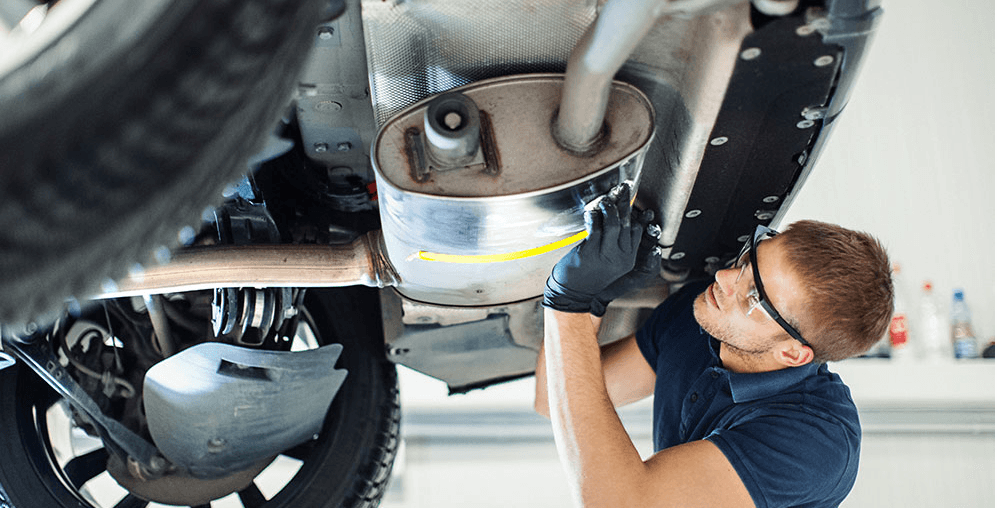
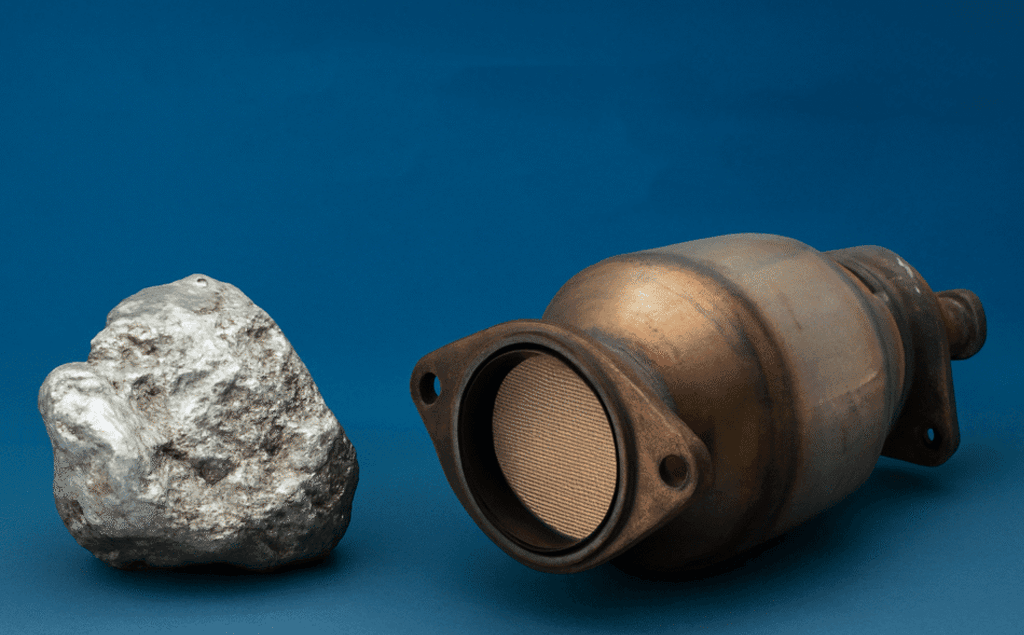
Le système d'échappement moderne repose en grande partie sur convertisseur catalytique à trois voies. Sitting right between the engine manifold and the muffler, it’s basically your car’s primary defense against exhaust pollution.Inside, its clever layout triggers rapid chemical reactions that scrub harmful fumes before they ever reach the tailpipe. A healthy converter ensures environmental compliance. It also maintains peak engine efficiency. However, extreme heat and chemical contaminants often threaten this part. Failure leads to significant performance drops. It can also cause permanent engine damage. This article provides a deep technical analysis of failure symptoms. We also examine the root causes of clogging. Understanding these signs helps drivers avoid expensive repairs.
La science du convertisseur catalytique à trois voies
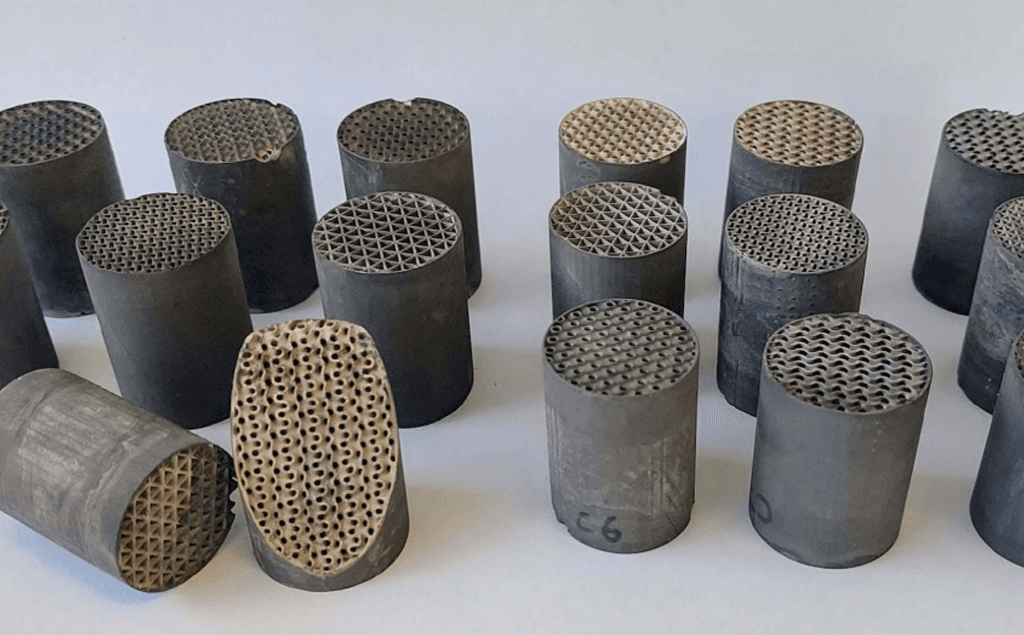
Engineers named this device a “convertisseur catalytique à trois voies” for a specific reason. It handles three distinct pollutants simultaneously. Most units utilize a ceramic or metallic substrate. Engineers treat this honeycomb grid with a specialized ‘washcoat’ packed with precious metals. These metals include platinum, palladium, and rhodium. Platinum and palladium act as oxidation catalysts. Rhodium serves as the primary reduction catalyst.
The device operates within a specific temperature window. It typically requires temperatures above 400 degrees Celsius. In this state, it initiates redox reactions. It reduces nitrogen oxides into pure nitrogen and oxygen. Simultaneously, it oxidizes carbon monoxide into carbon dioxide. It also scrubs remaining hydrocarbons, converting them straight into water vapor and carbon dioxide. This process requires a precise air-fuel ratio. Modern cars use oxygen sensors to monitor this balance. If the converter fails, the entire emissions loop breaks.
Internal Morphology and Material Composition
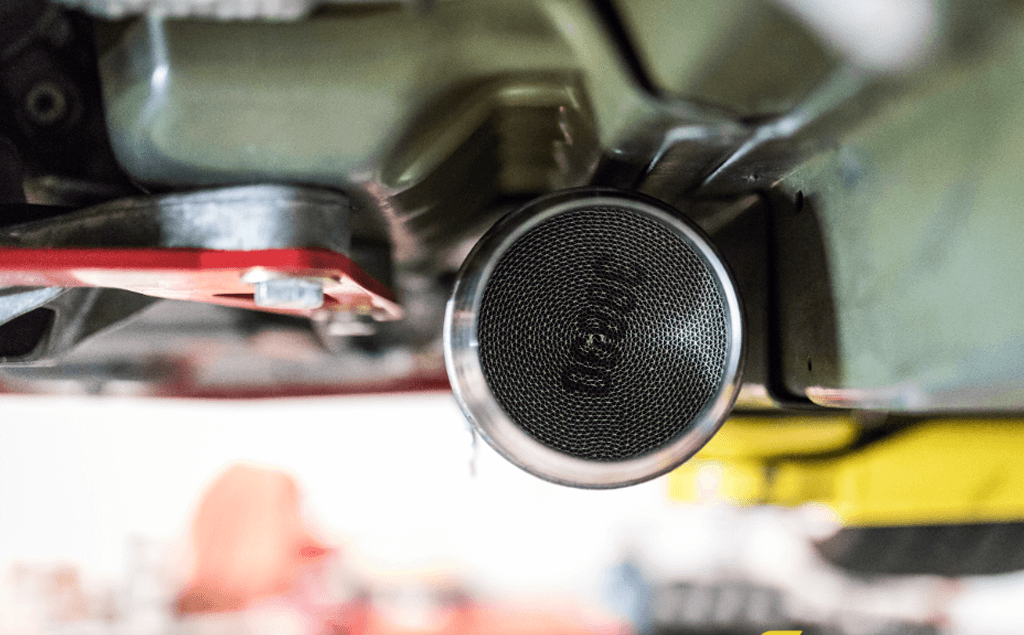
The internal structure determines the efficiency of the convertisseur catalytique à trois voies. Most automotive converters use cordierite ceramic. This material resists thermal shock. It contains thousands of micro-channels. These channels maximize the surface area for gas contact. Some high-performance vehicles use metallic substrates. These offer better flow characteristics. They also heat up faster during a cold start.
The washcoat adds surface roughness. This increase in surface area allows for more chemical interactions. However, this delicate structure remains vulnerable. Excessive heat can melt the ceramic walls. This process is “meltdown.” Alternatively, chemicals can coat the precious metals. This is “poisoning.” Both conditions render the device useless.
| Fonctionnalité | Substrat céramique (Cordiérite) | Substrat métallique (FeCrAl) |
|---|---|---|
| Conductivité thermique | Inférieur | Plus haut |
| Surface | Extrêmement élevé | Haut |
| Durabilité | High (Brittle) | Very High (Ductile) |
| Warm-up Time | Modéré | Rapide |
| Coût | Cost-effective | Prime |
5 Critical Symptoms of a Clogged Three Way Catalytic Converter
1. Severe Engine Power Loss
A clogged convertisseur catalytique à trois voies creates excessive backpressure. Exhaust gases must escape the engine cylinders efficiently. If the honeycomb structure blocks the flow, gases push back toward the engine. This restriction prevents the engine from “breathing.” The engine struggles to draw in fresh air. Consequently, the combustion cycle loses efficiency.
Drivers notice this most during acceleration. The vehicle feels heavy or sluggish. You press the pedal, but the RPM rises slowly. In severe cases, the car may not exceed a certain speed. This happens because the exhaust cannot exit fast enough to support high-power demands. Mechanics often use a pressure gauge to test this. They measure the PSI before the converter. Any reading above 1.5 PSI at idle indicates a blockage.
2. Persistent Check Engine Light (CEL)
The engine control module (ECM) monitors the convertisseur catalytique à trois voies constantly. It compares readings from the upstream and downstream oxygen sensors. The upstream sensor measures raw exhaust. The downstream sensor measures the treated gas. If those two readings start looking too close, the ECM flags an issue and throws a warning light on the dash.
Technicians use OBD-II scanners to retrieve error codes. The most common code is P0420. This code stands for “Catalyst System Efficiency Below Threshold.” It means the converter no longer treats gases effectively. Other codes include P0430 for the second bank of cylinders. These codes do not always mean the converter is physically broken. Sometimes, a faulty sensor sends the wrong data. However, a clog almost always triggers these alerts.
| Diagnostic Code | Definition | Cause potentielle de la racine |
|---|---|---|
| P0420 | Catalyst Efficiency Below Threshold (Bank 1) | Clogged or Poisoned Converter |
| P0430 | Catalyst Efficiency Below Threshold (Bank 2) | Substrate Failure |
| P0138 | Oxygen Sensor High Voltage | Rich Fuel Mixture |
| P0300 | Random or Multiple Cylinder Misfire | Ignition System Failure |
3. Noxious Exhaust Odors
A functional convertisseur catalytique à trois voies has no distinct smell. It neutralizes sulfur compounds found in fuel. When the unit fails, it loses this ability. Unburned fuel or partially treated gases enter the exhaust pipe. This produces a strong scent of rotten eggs. This smell comes from hydrogen sulfide.
This odor indicates a chemical imbalance. Either the converter is too cold or the substrate is damaged. A “rich” engine condition often causes this. Excess fuel enters the exhaust system. The converter tries to process this extra fuel. It generates intense heat in the process. This heat eventually destroys the internal metals. If you smell sulfur, inspect the exhaust immediately.
4. Drastic Decline in Fuel Economy
Efficiency is the hallmark of a healthy engine. A restricted convertisseur catalytique à trois voies ruins this. The engine must work harder to push exhaust through the clog. This requires more energy. To compensate, the ECM injects more fuel. You will notice fewer miles per gallon.
The engine enters a “limp mode” in some vehicles. This mode limits power to protect components. Even without limp mode, the mechanical drag is significant. Imagine running while breathing through a narrow straw. You expend more energy for less movement. This exact physical principle applies to your vehicle’s engine. Monitor your fuel logs closely. Sudden drops often point to exhaust restrictions.
5. Engine Overheating and Thermal Stress
Exhaust gases carry a significant amount of heat away from the engine. A blockage traps this heat inside the manifold. This heat transfers back into the cylinder head. It also affects the cooling system. The engine temperature gauge will climb into the red zone.
Extreme heat can warp the exhaust valves. It can also cause the head gasket to fail. A clogged convertisseur catalytique à trois voies sometimes glows red under the car. This occurs when unburned fuel ignites inside the unit. This creates a miniature furnace. The ceramic substrate melts at roughly 1,200 degrees Celsius. Internal fires easily reach this temperature. This destroys the part within minutes.
Technical Analysis: The Causes of Failure
Pourquoi un convertisseur catalytique à trois voies fail? Most units should last the life of the car. However, external factors often intervene.
A. Engine Misfires: This is the leading cause of death for converters. A bad spark plug leaves fuel unburned. This liquid fuel travels to the hot converter. It ignites on the catalyst surface. This causes an immediate meltdown of the honeycomb.
B. Oil and Coolant Leaks: Internal engine leaks are catastrophic. If the engine burns oil, phosphorus coats the catalyst. This is “chemical poisoning.” If coolant leaks into the combustion chamber, silicates block the pores. Both substances create a physical barrier. The exhaust cannot touch the noble metals. The chemical reaction stops completely.
C. Road Damage: The converter resides under the vehicle. Debris or rocks can strike the outer shell. Ceramic is brittle. A sharp impact shatters the internal monolith. The broken pieces then rattle and block the exit port.
Advanced Diagnostic Procedures
Professional technicians use several methods to confirm a clog. First, they perform a vacuum test. They connect a gauge to the intake manifold. They hold the engine at 2,500 RPM. If the vacuum drops steadily, a restriction exists in the exhaust.
Second, they use an infrared thermometer. They measure the temperature at the inlet and the outlet. A working convertisseur catalytique à trois voies is hotter at the outlet. The chemical reactions generate heat. If the inlet is hotter, the converter is dead. Finally, they may use a borescope. They remove the oxygen sensor. They insert a camera to view the honeycomb directly. This provides visual proof of a meltdown or clog.
Effective Solutions for Restoration
You have three primary options when facing a failure.
- Professional Replacement: This is the most reliable path. Mechanics remove the old unit. they install a high-quality replacement. Ensure the new unit meets EPA ou CARB normes.
- Chemical Cleaning: Some “cat-cleaner” additives work for light carbon buildup. You pour these into the gas tank. They raise the combustion temperature slightly. This helps burn off surface soot. However, these cannot fix a melted substrate.
- Sensor Replacement: Sometimes the converter is fine. A bad oxygen sensor simply reports false data. Technicians should always test sensors before condemning the converter.
Conclusion
Le convertisseur catalytique à trois voies remains an engineering marvel. It protects our air and keeps engines efficient. However, it is sensitive to engine health. Clogs rarely happen on their own—they’re usually triggered by upstream issues like engine misfires or leaks. If you notice a drop in power or a weird smell, get it checked right away. Ignoring these signs leads to engine failure. Keeping your ignition and fuel systems in top shape will make your catalytic converter last much longer. And if that check engine light pops up, don’t wait—fixing it early spares your wallet and cuts down on emissions.