Introduction
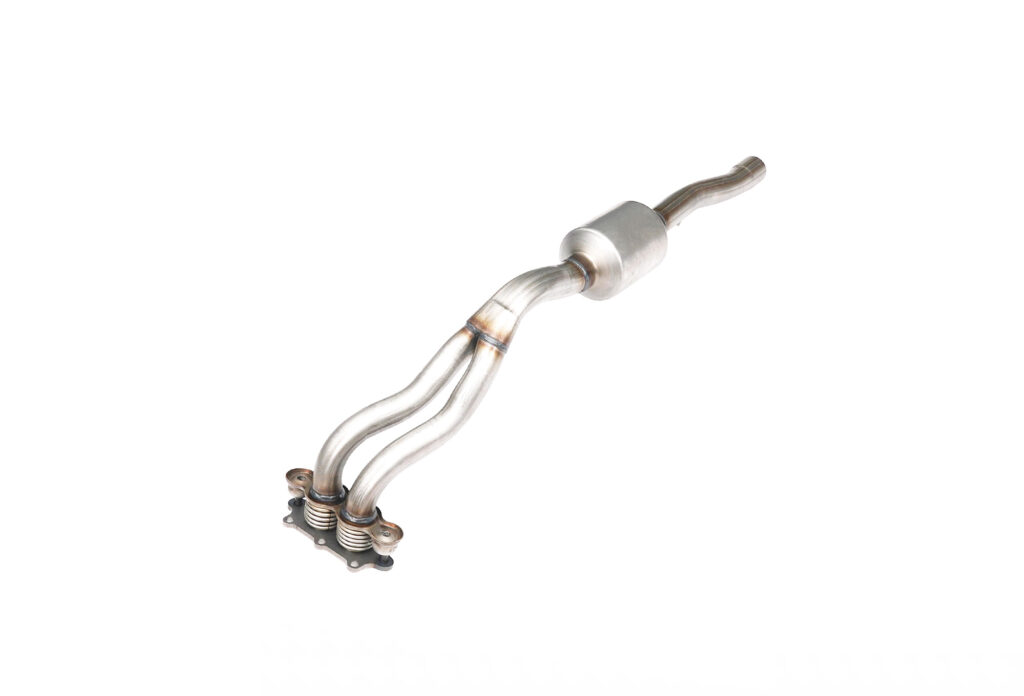
The three way catalytic converter stands as a critical guardian of your VW Golf’s exhaust system. This complex component manages the chemical transformation of hazardous engine byproducts into harmless gases. Automotive engineers design the three way catalytic converter to last for the lifetime of the vehicle. However, external factors and engine malfunctions often compromise its integrity. Owners must understand the specific maintenance requirements of this part to avoid expensive replacements. This comprehensive guide outlines the technical operations, preventive measures, and diagnostic steps necessary for optimal performance. By following these protocols, you ensure your vehicle remains environmentally compliant and mechanically sound.
The Chemical Mechanism of the Three Way Catalytic Converter
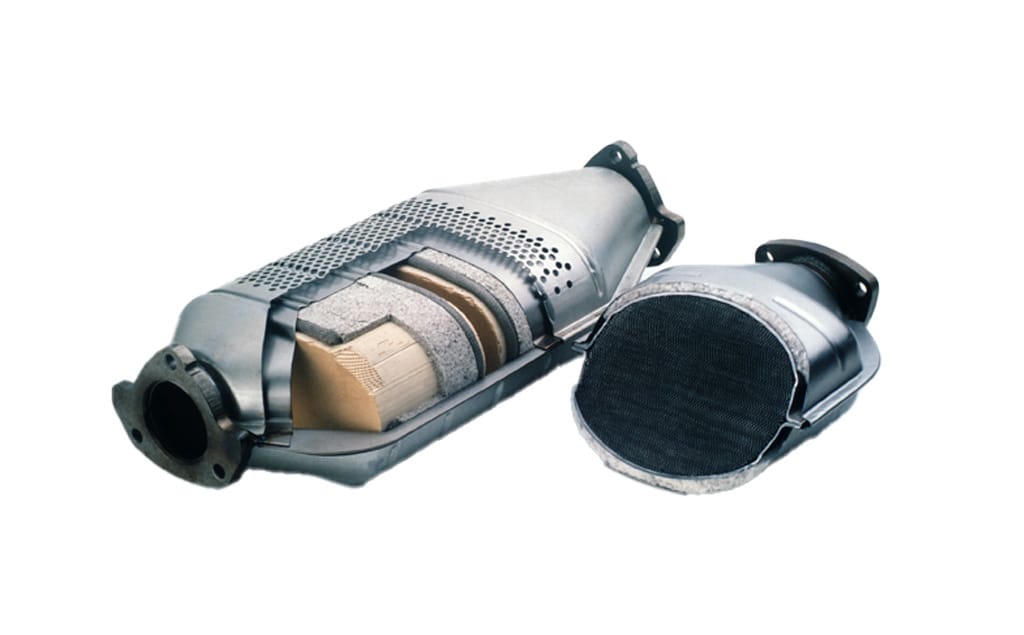
A three way catalytic converter operates through a series of simultaneous chemical reactions. It specifically targets carbon monoxide, hydrocarbons, and nitrogen oxides. The device utilizes a ceramic honeycomb structure to maximize the surface area for these reactions. Manufacturers coat this structure with precious metals such as platinum, palladium, and rhodium.
The first stage involves the reduction of nitrogen oxides into pure nitrogen and oxygen. This process strips the oxygen atoms away from the nitrogen molecules. The second stage focuses on oxidation. It adds oxygen to carbon monoxide to create carbon dioxide. Simultaneously, it turns unburnt hydrocarbons into water vapor and carbon dioxide. The three way catalytic converter requires a high operating temperature to initiate these reactions. Efficient engines maintain a precise balance to support this chemical environment.

Strategic Fuel and Oil Management
Fuel quality directly dictates the health of the three way catalytic converter. You must use high-quality unleaded petrol for every fill-up. Lead and other heavy metals act as poisons to the catalyst. These substances coat the precious metal layers and stop the chemical reactions entirely. Even a single tank of contaminated fuel can cause permanent damage to the three way catalytic converter.
Managing the fuel level also plays a vital role in maintenance. You should never allow the fuel tank to reach an empty state. A low fuel level causes the pump to draw in settled contaminants from the bottom of the tank. These particles clog the fuel injectors. Clogged injectors create an uneven air-fuel mixture, which leads to engine misfires. These misfires send raw fuel into the three way catalytic converter. The fuel ignites inside the device and melts the ceramic core.
Engine oil management requires similar precision. You must use the specific oil grade that Volkswagen recommends for the Golf. Avoid overfilling the engine oil during maintenance. Excess oil escapes through the PCV system and enters the combustion chamber. When the engine burns this oil, it produces phosphorus and zinc ash. This ash accumulates on the honeycomb of the three way catalytic converter. This buildup blocks the exhaust flow and reduces the efficiency of the catalyst.
Optimizing Driving Habits for Longevity
Your driving style significantly influences the thermal stress on the three way catalytic converter. The device functions best when it maintains a steady, high temperature. Short commutes often prevent the system from reaching its optimal operating heat. This leads to carbon soot accumulation.
You should avoid aggressive acceleration when the engine is cold. Rapid throttle changes force the ECU to dump excess fuel into the cylinders. This rich mixture overwhelms the three way catalytic converter. Furthermore, you must protect the unit from physical trauma. The internal ceramic substrate is extremely brittle. Sudden impacts from speed bumps or road debris can shatter the honeycomb. A shattered core creates a blockage in the exhaust pipe. This blockage increases back-pressure and can eventually stall the engine.
Comparison of System States and Performance Indicators
| Operational Metric | Functional Three Way Catalytic Converter | Degraded Three Way Catalytic Converter |
|---|---|---|
| Exhaust Gas Color | Transparent and clear | Blue or heavy white smoke |
| Tailpipe Odor | No distinct smell | Strong rotten egg scent |
| Acceleration Response | Immediate and linear | Sluggish or hesitant |
| Fuel Consumption | Consistent with factory specs | Noticeable 10-20% decrease |
| Dashboard Warnings | No emissions-related lights | Flashing Check Engine Light |
| Internal Sound | Silent operation | Metallic rattling or buzzing |
| Outlet Temperature | Higher than inlet temperature | Same or lower than inlet temp |
Engine Synchronization and Sensor Integrity
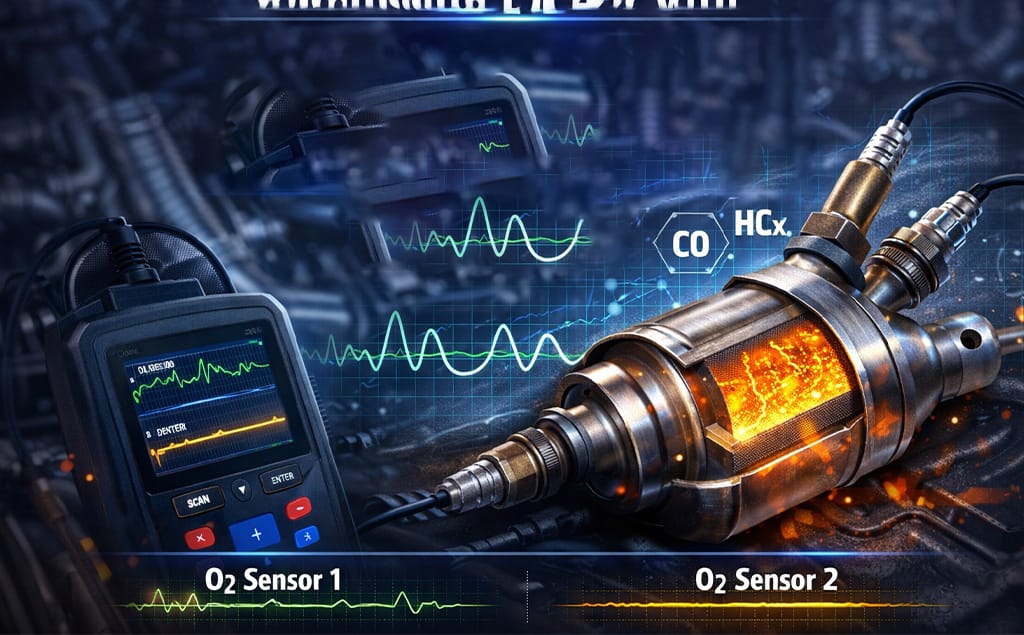
The engine control unit (ECU) manages the three way catalytic converter using data from oxygen sensors. Most VW Golf models utilize two sensors: one before the converter and one after it. The upstream sensor monitors the oxygen level in the raw exhaust. It tells the ECU to adjust the fuel injection timing. The downstream sensor monitors the efficiency of the three way catalytic converter.
If an oxygen sensor fails, the ECU loses its ability to regulate the air-fuel ratio. This often results in a “rich” condition where too much fuel enters the exhaust. You must replace faulty sensors immediately to protect the three way catalytic converter. Additionally, you should inspect the ignition system every 30,000 miles. Worn spark plugs cause incomplete combustion. This sends unburnt hydrocarbons into the three way catalytic converter, causing it to overheat and fail prematurely.
Critical Safety Protocols and Warnings
Volkswagen provides specific safety warnings regarding the exhaust purification system. You must never tow-start a VW Golf. This action pumps raw fuel into the exhaust system while the engine is cold. The fuel will eventually ignite and destroy the three way catalytic converter. Always use jump leads to start a vehicle with a dead battery.
If you experience engine misfiring or a sudden loss of power, reduce your speed immediately. Drive the vehicle to the nearest qualified workshop for inspection. Continuing to drive with a misfire will cause the three way catalytic converter to glow red from internal combustion. This creates a significant fire hazard for the vehicle. Under certain conditions, you might smell sulphur. This usually indicates high sulphur levels in your fuel choice rather than a mechanical failure. However, a persistent smell requires a professional diagnostic check.
Diagnostic Techniques for Technical Evaluation
Technicians use several methods to evaluate a three way catalytic converter. The first step involves scanning the OBD-II system for error codes. Codes like P0420 indicate that the catalyst efficiency is below the required threshold. A technician might also perform a vacuum test. A steady drop in manifold vacuum during acceleration suggests an exhaust restriction.
A more direct method involves a back-pressure test. The technician removes the front oxygen sensor and installs a pressure gauge. If the pressure exceeds 1.5 PSI at idle, the three way catalytic converter is likely clogged. Finally, a thermal imaging camera can reveal internal hotspots. A healthy three way catalytic converter shows a uniform temperature increase from the front to the back. Cold spots indicate blocked passages where no chemical reactions occur.
Environmental Impact and Legal Compliance
The three way catalytic converter is the most important component for environmental protection in your car. It reduces the contribution of your VW Golf to smog and acid rain. In many regions, a failing three way catalytic converter will result in a failed emissions test. This makes the vehicle illegal to operate on public roads. Maintaining this component protects the environment and saves you from heavy fines.
Modern three way catalytic converters use advanced materials to reduce cold-start emissions. These “close-coupled” converters sit nearer to the engine manifold. This placement allows them to heat up faster. You must ensure the heat shields around these components remain intact. Missing heat shields can lead to external damage or localized overheating of surrounding engine parts.
Conclusion
The longevity of your VW Golf’s three way catalytic converter depends on proactive maintenance and sensible driving. You must prioritize the use of clean fuel and high-quality engine oil. Do not ignore engine misfires or dashboard warning lights. These symptoms signal an underlying issue that will eventually destroy the catalyst. Regular inspections of the oxygen sensors and the ignition system provide the best defense against failure. While the three way catalytic converter is a sophisticated piece of technology, its health relies on basic mechanical care. Treat your exhaust system with attention, and your VW Golf will continue to run efficiently for years.