Engine misfires can be a frustrating and perplexing issue for car owners, often causing poor performance and significant engine damage if left unresolved. While there are many potential causes for engine misfires, one often-overlooked culprit is a faulty catalytic converter. A failing catalytic converter can disrupt engine performance, leading to issues like misfires, poor fuel efficiency, and increased emissions. In this article, we’ll explore the relationship between a convertitore catalitico and engine misfires, and what you need to know to address this problem effectively.
1. What is a Catalytic Converter and How Does It Work?
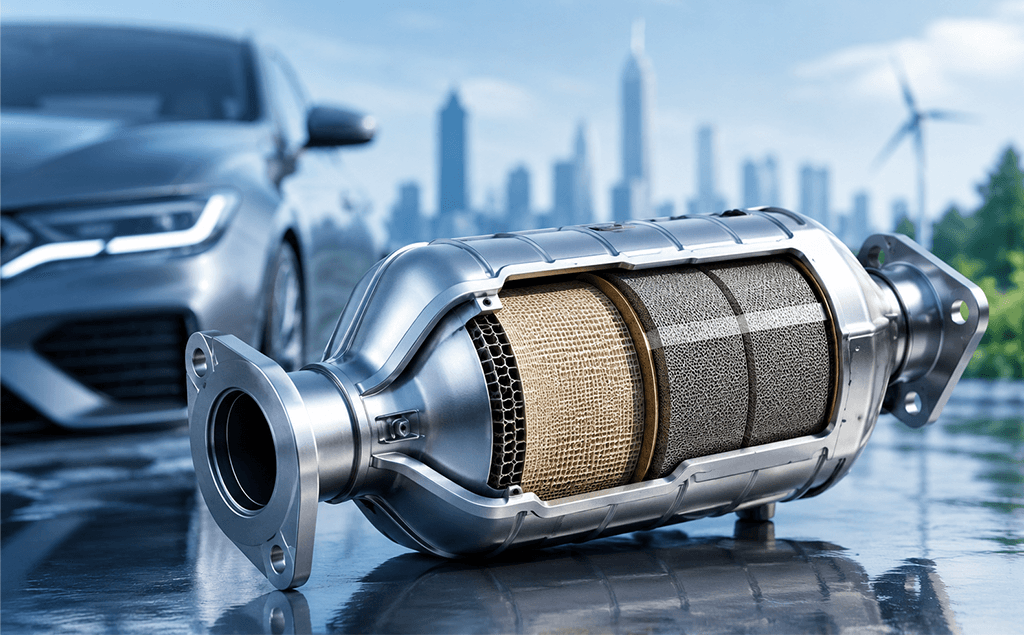
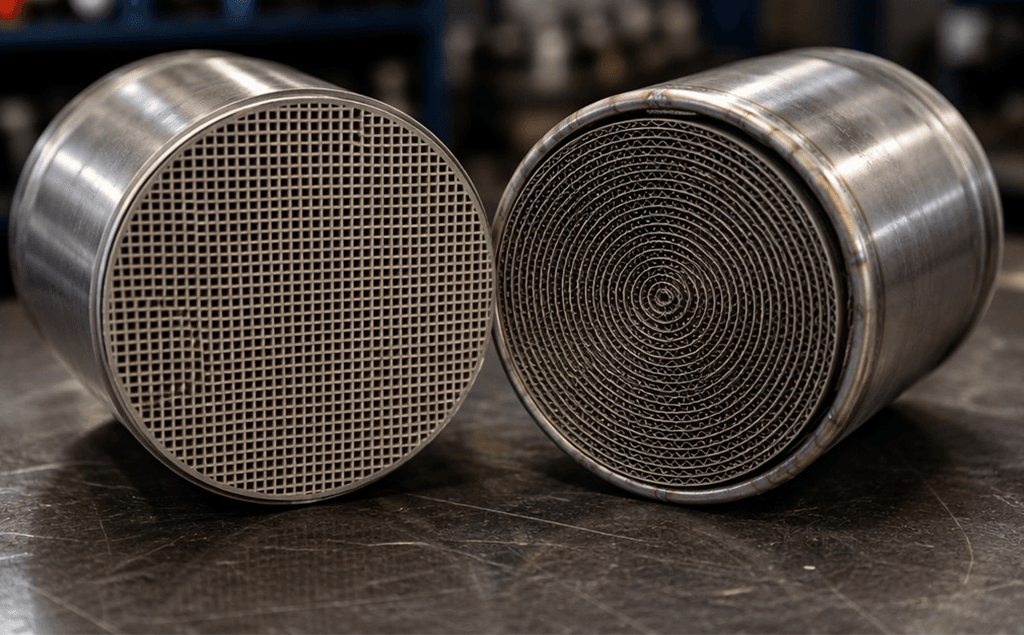
UN convertitore catalitico is a crucial component of your vehicle’s sistema di scarico. Its primary function is to reduce harmful emissions by converting toxic gases like monossido di carbonio, idrocarburi, E ossidi di azoto into less harmful substances, such as anidride carbonica E water vapor. The converter uses precious metals like platino, palladio, E rodio as catalysts to facilitate these chemical reactions.
The catalytic converter is designed to work under high temperatures, with the gases produced during combustion passing through it. If the converter is functioning properly, it helps ensure that your vehicle meets standard sulle emissioni and operates efficiently. However, when it malfunctions, it can cause a range of problems, including engine misfires.
Learn more, check out this article:

2. What Causes a Catalytic Converter to Fail?
A catalytic converter can fail for a variety of reasons, often resulting in poor engine performance and increased emissions. The most common causes of catalytic converter failure include:
- Clogging: Over time, the catalytic converter may become clogged with carbon deposits or other debris, preventing proper exhaust flow.
- Physical Damage: If the converter is hit by road debris or experiences extreme conditions, it may suffer physical damage.
- Contamination: Contaminants such as oil O anti-freeze entering the exhaust system can damage the converter’s internal components.
- Overheating: Excessive heat caused by engine problems or running too rich a fuel mixture can cause the converter to overheat, damaging the precious metals inside.
When the catalytic converter becomes damaged or clogged, it disrupts the flow of exhaust gases, which can lead to engine misfires and other performance issues.
3. How Does a Faulty Catalytic Converter Cause Engine Misfires?
UN clogged catalytic converter can significantly affect engine performance. When the converter is obstructed, exhaust gases cannot flow freely through the sistema di scarico, creating back pressure. This back pressure can prevent the engine from expelling exhaust gases effectively, causing the engine to misfire.
Additionally, a damaged or inefficient catalytic converter can lead to an imbalanced rapporto aria-carburante, causing incomplete combustion. As a result, the engine may struggle to maintain a steady rhythm, leading to misfires. Misfires occur when one or more cylinders fail to fire correctly, which not only affects prestazioni del motore but can also lead to further damage if not addressed promptly.
4. Symptoms of Engine Misfires Linked to a Faulty Catalytic Converter
If you’re experiencing engine misfires, there are several symptoms that may indicate a problem with the catalytic converter:
- Rough Idling: A misfiring engine often idles roughly or shakes while the vehicle is at a stop.
- Loss of Power: When the catalytic converter is clogged, it can cause a noticeable decrease in acceleration and overall engine power.
- Increased Fuel Consumption: If the engine is misfiring, it may consume more fuel than necessary due to inefficient combustion.
- Check Engine Light: A misfiring engine is often accompanied by a spia del motore, which may be triggered by a faulty sensore di ossigeno or other issues related to the catalytic converter.
- Poor Engine Performance: Engine misfires caused by a clogged or damaged catalytic converter can lead to poor acceleration, stalling, and hesitation during driving.
If you notice these symptoms, it’s essential to have your vehicle inspected by a professional to determine if the catalytic converter is the root cause.
5. How to Diagnose if the Catalytic Converter is Causing Engine Misfires
Diagnosing a faulty catalytic converter requires a combination of visual inspections and diagnostic tests. Here’s how to determine if the catalytic converter is causing engine misfires:
- Scan for Error Codes: The spia del motore often indicates a malfunction. Use a diagnostic code reader to check for trouble codes, especially those related to the sensori di ossigeno O sistema di scarico.
- Visual Inspection: A mechanic will visually inspect the catalytic converter for any physical damage, such as cracks or signs of overheating.
- Exhaust Back Pressure Test: A back pressure test can determine if the exhaust system is being blocked by a clogged converter.
- Temperature Test: A temperature test can be used to check the efficiency of the catalytic converter. A properly working converter will be significantly hotter on the outlet side than the inlet side.
If a clogged or damaged catalytic converter is identified, it will need to be repaired or replaced to restore engine performance and resolve the misfires.
6. Quali altri problemi potrebbero causare mancate accensioni del motore?
While a faulty catalytic converter is one possible cause of engine misfires, there are several other potential culprits, including:
- Ignition System Problems: Faulty spark plugs, ignition coils, or wires can cause engine misfires.
- Fuel System Issues: A clogged fuel injector or fuel filter can disrupt the fuel supply, leading to misfires.
- Air Intake Problems: A clogged air filter or malfunctioning mass air flow sensor (MAF) can prevent the engine from receiving enough air, causing misfires.
- Compression Problems: Worn-out valves or piston rings can lead to low engine compression, resulting in misfires.
It’s important to have a professional mechanic diagnose the issue accurately to avoid unnecessary repairs and ensure the proper functioning of your engine.
7. How to Prevent Catalytic Converter Failure and Engine Misfires
La prevenzione dei guasti del convertitore catalitico inizia con una corretta manutenzione del sistema di scarico and engine components:
- Ispezioni regolari: Have your vehicle’s sistema di scarico E convertitore catalitico ispezionati regolarmente per identificare potenziali problemi prima che causino problemi.
- Timely Repairs: Address any issues with the ignition, fuel, or air intake systems promptly to prevent excessive strain on the catalytic converter.
- Avoid Overheating: Ensure your engine is running at the correct temperature, as overheating can damage the catalytic converter.
- Use the Correct Fuel: Using the recommended fuel type for your vehicle can help prevent contaminants from entering the exhaust system and damaging the catalytic converter.
Taking these preventative measures can significantly reduce the likelihood of engine misfires and catalytic converter failure.
8. Should You Repair or Replace Your Catalytic Converter?
Se il convertitore catalitico causa mancate accensioni del motore, potrebbe essere necessario ripararlo o sostituirlo. Nella maggior parte dei casi, replacing the catalytic converter is the most effective solution. However, if the converter is only mildly clogged, cleaning it may restore its functionality.
When deciding whether to repair or replace your catalytic converter, consider the following factors:
- Extent of Damage: If the converter is physically damaged or severely clogged, replacement is usually necessary.
- Vehicle Age: Older vehicles with high mileage may benefit more from a replacement than a repair.
- Cost: OEM catalytic converters tend to be more expensive, but they are designed to fit your vehicle perfectly. Aftermarket converters are a more affordable option but may not offer the same efficiency.
Consult with a professional mechanic to determine the best course of action based on your specific situation.
Learn more, check out this article:

9. The Role of the Oxygen Sensor in Preventing Misfires
IL sensore di ossigeno plays a critical role in preventing engine misfires by ensuring the proper air-fuel ratio. A malfunctioning oxygen sensor can cause the air-fuel mixture to be too rich or too lean, leading to incomplete combustion and engine misfires. Regular maintenance of the oxygen sensor can help optimize engine performance and reduce the likelihood of catalytic converter damage, ensuring smooth operation.
Learn more, check out this article:

10. The Importance of Regular Maintenance in Preventing Engine Misfires
Regular vehicle maintenance is essential for preventing engine misfires and catalytic converter failure. Ensuring that your sistema di scarico, ignition system, fuel system, E air intake system are in good working condition will prevent strain on the catalytic converter. Regular oil changes, spark plug replacements, E fuel filter changes will help maintain optimal engine performance and reduce the chances of misfires.
Summary: Key Takeaways
- UN faulty catalytic converter can cause engine misfires by creating exhaust back pressure and disrupting the rapporto aria-carburante.
- Clogging, physical damage, E contaminazione are common causes of catalytic converter failure.
- Symptoms of engine misfires linked to a faulty catalytic converter include rough idling, loss of power, E increased fuel consumption.
- Proper diagnosis involves error codes, visual inspection, E back pressure tests.
- Preventive measures include regular maintenance, prompt repairs, and avoiding engine overheating.
- In many cases, replacing un convertitore catalitico danneggiato è più conveniente rispetto alla sua riparazione.
By staying on top of your vehicle’s maintenance and addressing issues early, you can prevent engine misfires and ensure your catalytic converter functions properly, keeping your car running smoothly and efficiently.