Introduzione
Finding the right three way catalytic converter manufacturer is not only about getting a competitive price. For anyone in the auto parts game—whether you run a repair shop or a distribution network—the bottom line is consistency. The real test is finding a manufacturer who won’t drop the ball on quality a year or two down the road.
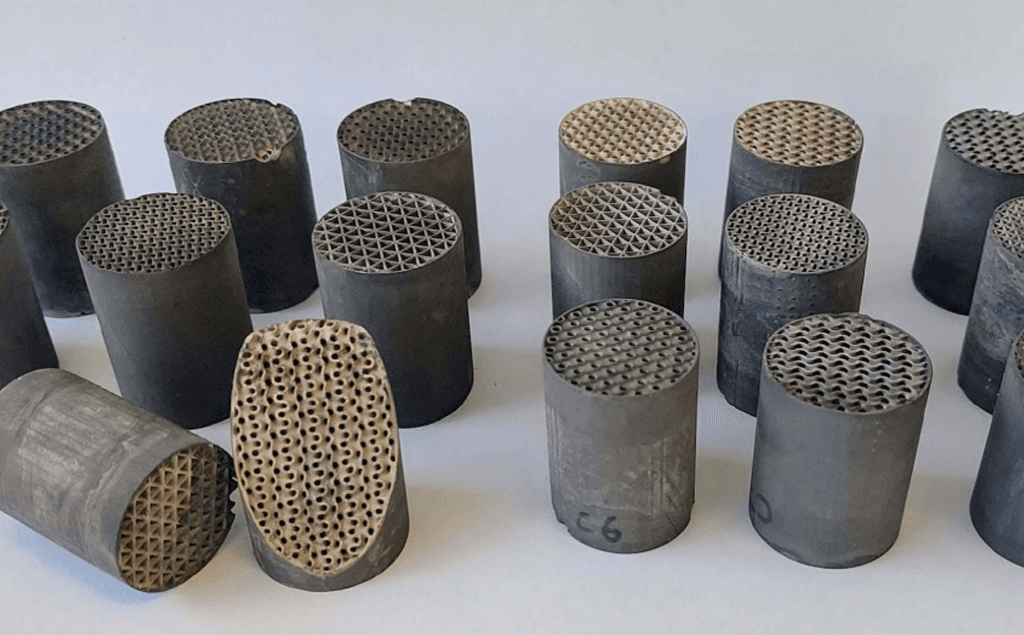
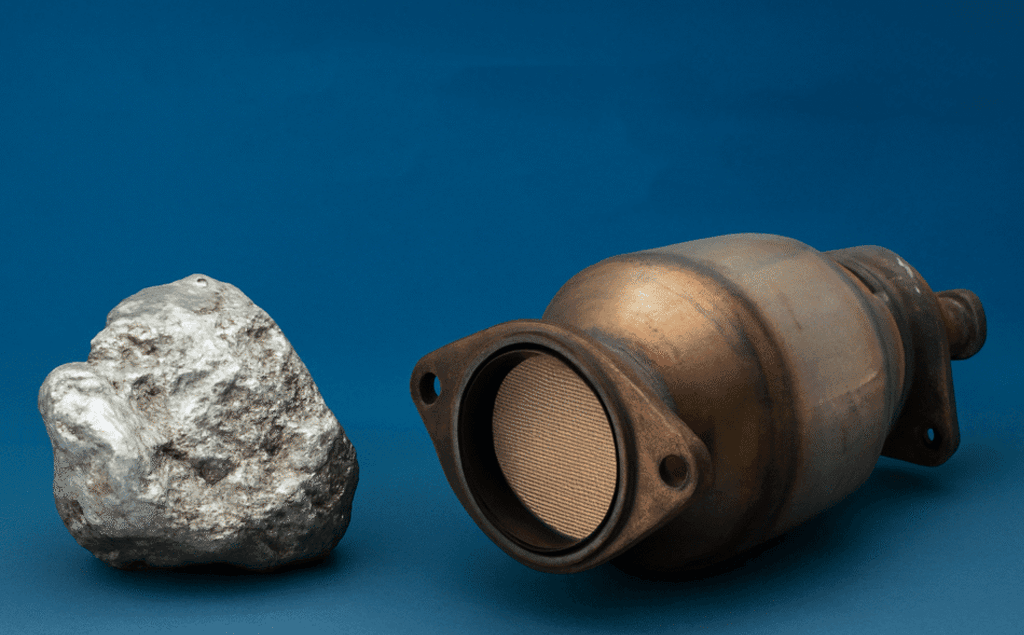
UN convertitore catalitico a tre vie might look like a simple exhaust shell on the surface, but its performance is entirely driven by its complex internal architecture. Emission efficiency and lifespan aren’t accidents—they depend entirely on four critical factors: the ceramic core, the catalyst coating, the precious metal content, and how precision-engineered the manufacturing process is.
Many purchasing mistakes happen because buyers compare products only by appearance or quotation.Two converters may have similar shapes and sizes, but their performance can be completely different. The savings from low-cost products are always short-lived. It’s only when the consequences catch up that the real price tag becomes clear—revealed through failed emission tests, glowing dashboard alerts, broken customer trust, and infinite repair hassles.
For this reason, selecting an experienced manufacturer requires a closer look at production capability, quality control, certification standards, and technical support. A reliable supplier should not only provide a product but also help customers choose the correct solution for different vehicle applications and markets.
Why a Reliable Three Way Catalytic Converter Manufacturer Matters
Un professionista three way catalytic converter manufacturer understands that internal components, catalyst technology, and production standards determine the real value of a converter.A properly designed converter helps reduce three major pollutants produced during combustion:
- Monossido di carbonio (CO)
- Idrocarburi (HC)
- Ossidi di azoto (NOx)
The converter achieves this through a catalyst coating containing platinum, palladium, and rhodium. These precious metals work as catalysts to kickstart the reaction. They literal split apart the toxic stuff in the exhaust and turn it into clean, green air. However, the final performance depends on much more than the amount of precious metal used. The design of the ceramic substrate, exhaust flow characteristics, thermal resistance, and overall manufacturing accuracy all affect the converter’s efficiency.
For example, a manufacturer with limited production experience may reduce costs by using lower-grade materials or insufficient catalyst loading. The converter may pass initial checks, but its efficiency can decline faster under real driving conditions.
For automotive businesses, this creates additional challenges:
- More warranty claims
- Higher return rates
- Installation complaints
- Damage to customer trust
An experienced manufacturer understands these risks and builds quality control into every production stage. We don’t just check for reliability at the very end. It’s baked into every single stage of our production, from the raw materials we buy to the final QC check. That’s why picking the right supplier isn’t just about procurement—it’s about protecting your hard-earned reputation and keeping your clients coming back for years.
Key Factors to Evaluate a Three Way Catalytic Converter Manufacturer
When comparing different manufacturers, price should not be the only factor. A reliable three way catalytic converter manufacturer should provide strong production capability, strict quality control, and technical support throughout the supply process.
1. Conformità alle emissioni
Emission regulations differ between regions, and a converter that works in one market may not be approved in another.
In the United States, the main standards are:
- EPA compliant
- CARBOIDRATI compliant
Most states follow federal EPA requirements, while states such as California, Colorado, and New York require stricter CARB-approved products.
| Market | Required Standard |
|---|---|
| California | CARB Compliant |
| Colorado | CARB Compliant |
| New York | CARB Compliant |
| Most U.S. States | EPA Compliant |
| Europa | Standard sulle emissioni Euro |
A trustworthy three way catalytic converter manufacturer should clearly explain which standards each product meets and provide supporting documents for different markets.
For international buyers, this point is especially important because different countries often have their own emission regulations. A supplier with export experience can help customers avoid choosing unsuitable products.
2. Precious Metal Technology
The catalyst coating is the core of every convertitore catalitico a tre vie.
Platinum, palladium, and rhodium each play different roles:
| Materiale | Funzione principale |
|---|---|
| Platino | Converts carbon monoxide and hydrocarbons |
| Palladio | Improves oxidation efficiency |
| Rodio | Reduces nitrogen oxide emissions |
The balance between these materials affects conversion performance.
A professional manufacturer does not simply increase or decrease precious metal content randomly. Instead, engineers consider factors such as engine type, exhaust temperature, emission requirements, and application conditions.
This technical approach helps achieve better performance while controlling production costs.
3. Manufacturing Capability and Quality Control
A reliable three way catalytic converter manufacturer should have complete control over the production process, from raw material inspection to final product testing.
Important manufacturing steps include:
- Stainless steel shell production
- Ceramic substrate inspection
- Catalyst coating
- Precision welding
- Leakage testing
- Final quality inspection
The outer appearance of a converter cannot reveal all quality differences. Internal manufacturing processes determine whether the product can handle high temperatures, vibration, and long-term operation.
Factories with mature production systems usually maintain more consistent quality between different batches. This consistency is especially valuable for wholesalers and distributors who need stable supply.
4. Certifications and Technical Support
Certifications provide useful information about a manufacturer’s quality management system.
Common certifications include:
- ISO 9001
- IATF 16949
- ISO 14001
These certifications show that the company follows structured procedures for production and quality management.
However, experienced buyers should also evaluate the supplier’s practical capabilities:
- Can they provide accurate application information?
- Can they support OEM or ODM projects?
- Can they solve technical questions quickly?
- Can they provide stable delivery schedules?
A good three way catalytic converter manufacturer acts as a technical partner, not just a product seller. They should help customers solve application problems and provide suitable solutions for different vehicle markets.
Future Trends in Three Way Catalytic Converter Manufacturing
A new era of automotive technology is here. The convergence of stringent global emission mandates and sophisticated powertrain advancements has ignited an industry-wide pursuit for next-generation catalytic validation.
Modern three way catalytic converter manufacturers are investing in lightweight materials, improved catalyst formulations, and automated production systems. These innovations help reduce emissions while maintaining engine performance.
Several trends are shaping the future of the industry:
- Higher precious metal utilization efficiency
- Improved ceramic substrate durability
- Better thermal resistance
- More accurate robotic manufacturing
- Advanced emission simulation testing
- Digital quality monitoring
- Sustainable recycling of platinum group metals (PGMs)
Meanwhile, global regulators are showing no signs of slowing down, constantly rolling out even stricter emission mandates.True market leaders future-proof their operations through rigorous testing and aggressive product development, ensuring they are always ready for whatever tomorrow’s market demands.
Whether you’re a distributor or a vehicle owner, partnering with a seasoned factory guarantees your inventory stays fully compliant—even as emission laws keep changing.
Conclusione
Choosing a reliable three way catalytic converter manufacturer requires careful evaluation of product quality, emission compliance, manufacturing capability, and technical support.
The lowest price may appear attractive at first, but long-term value depends on product consistency and reliability. When deep technical expertise meets rigorous quality control, the benefits extend beyond eliminating warranty headaches—it actively secures lasting customer loyalty for buyers.”
For distributors, repair shops, and automotive businesses, selecting the right three way catalytic converter manufacturer is an important step toward creating a stable and successful supply chain.