Catalytic converter theft is no longer just a roadside nuisance—it’s a global security issue that targets catalytic units loaded with valuable metals like platinum, palladium, and rhodium. As a parts buyer or fleet manager, you need more than price quotes—you need trust: serial‑marked units, theft‑resistant packaging, and supplier QC steps. This article helps you understand the risk, identifies preventative industry features, and outlines what to demand from your supplier to protect your inventory and fleet from this persistent threat.
Why These Parts Are Targeted
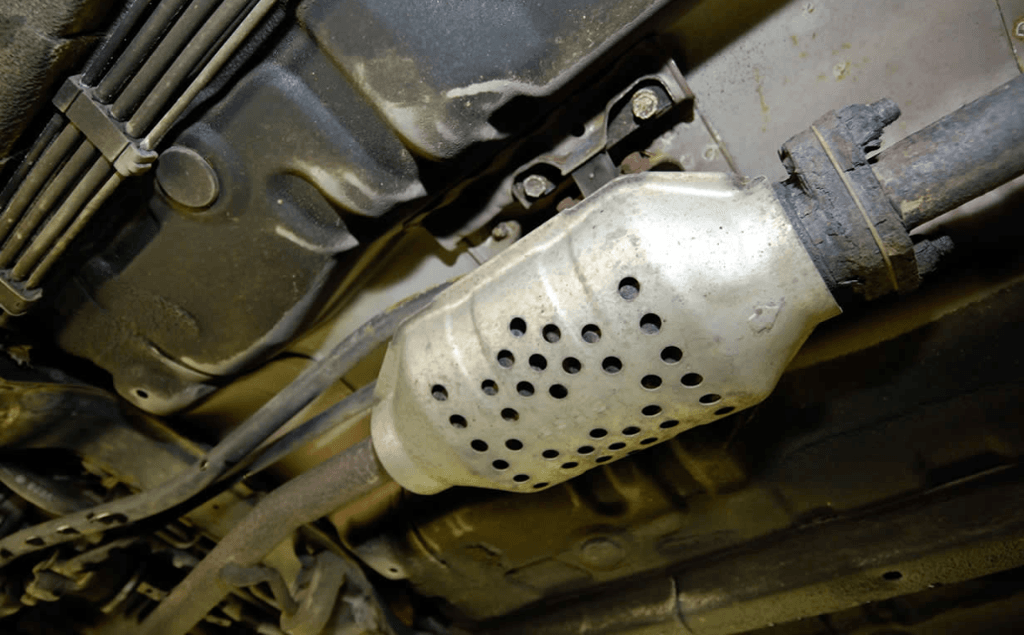
The catalytic converter is an essential component of a vehicle’s exhaust system, designed to reduce toxic emissions. However, beneath its mundane exterior lies a highly valuable core. The dramatic increase in catalytic converter thefts is a direct result of the high scrap value of the precious metals used in the catalyst. Thieves see these automotive parts as a quick source of cash, creating a rampant problem for both individual car owners and businesses with large vehicle fleets. This criminal activity has led to significant financial losses and operational disruptions for companies across various industries.
The problem is not just a localized trend; it’s a widespread issue affecting cities and suburbs from Tampa Bay to the Bay Area. The rising prices of platinum, palladium, and rhodium on the global commodities market have made catalytic converters a prime target. While the function of a catalytic converter is to transform harmful exhaust gases into less harmful substances, its value to a thief is purely based on the recyclable metal content. Understanding this core motivation is the first step in developing an effective prevention strategy.
1.Value of Platinum, Palladium & Rhodium Inside
The primary reason catalytic converters are targeted is the valuable precious metals they contain. A vehicle’s exhaust system relies on these metals—specifically platinum, palladium, and rhodium—to act as a catalyst for the chemical reactions that transform harmful pollutants into less harmful gases. The price of these metals has skyrocketed in recent years, making them more valuable per ounce than gold. A single catalytic converter can contain several grams of these metals, and a thief can quickly sell the parts to scrap yards or unscrupulous recyclers.
The concentration and type of these valuable metals can vary significantly by vehicle, which influences the value of a stolen catalytic converter on the black market. This makes certain models more attractive to thieves. The simple fact that a thief can remove the converter in minutes using a battery-powered saw and walk away with hundreds, sometimes even thousands, of dollars’ worth of material is a powerful incentive for this type of criminal activity.
2.Vehicle Types Most at Risk (SUVs, Hybrids)
While any car with a catalytic converter can be a target, certain vehicle types are disproportionately at risk. SUVs and trucks are frequently hit because their high ground clearance provides thieves with easy access to the exhaust system without the need for a jack. This speed and convenience make them an easy mark. The larger size of their converters can also mean a higher concentration of precious metals.
Hybrid vehicles are another prime target. Because their gasoline engines run less frequently and at lower temperatures, the catalytic converters in hybrids typically contain a higher concentration of palladium and rhodium to ensure they function properly when the engine does engage. This makes them exceptionally valuable to thieves. This unfortunate combination of accessibility and high value puts fleet managers of hybrid and light-duty truck fleets at a particularly high risk for catalytic converter theft.
3.Theft Trends & Applicable Laws (e.g. Antitheft Acts)
The increasing trend of catalytic converter theft has not gone unnoticed by law enforcement and legislators. Many regions are seeing a surge in theft reports, leading to new legal measures aimed at deterring this crime. For example, some jurisdictions have enacted specific catalytic converter antitheft acts that require scrap metal dealers to keep detailed records of sellers, including vehicle identification numbers (VINs) and a valid ID. These laws are designed to disrupt the supply chain for stolen parts and make it more difficult for thieves to profit from their crimes.
This criminal trend, often fueled by organized theft rings, highlights the need for businesses to go beyond basic security measures. While laws are being passed, they are not a silver bullet. The fluid nature of these crimes, with thieves moving across state and even national borders, means that proactive protection is the most effective defense. Being aware of local theft trends and the legal landscape is crucial for developing a comprehensive protection plan.
How To Protect Your Inventory & Fleet
Protecting your business assets from catalytic converter theft requires a multi-layered approach that combines physical security with advanced technology. As a fleet manager or business owner, your goal is to make your vehicles as unattractive to thieves as possible. The longer it takes to steal a catalytic converter, the higher the risk for the thief, and the more likely they are to move on to an easier target. Proactive measures can save your business from costly downtime and expensive repairs.
These preventative measures should be applied not only to your active fleet but also to any vehicle inventory you hold. A secure site and a good parking strategy can significantly reduce risk, while physical devices and technology can provide a strong second line of defense. By making small but effective changes, you can send a clear message to thieves that your vehicles are not easy targets.
1.Secure Parking & Site Layout Strategies
One of the most effective and lowest-cost methods of theft prevention is to change your parking habits and site layout. For a business with a fleet, this means ensuring all vehicles are parked in a secured, well-lit area. If possible, park vehicles with a low ground clearance, like sedans, next to SUVs or trucks to make access to the high-clearance vehicles’ exhaust systems more difficult. Installing surveillance cameras with motion-activated lighting can also deter potential thieves.
When parking multiple vehicles, a staggered parking arrangement can be highly effective. Parking with the exhaust side of the car facing a wall or another vehicle can make it incredibly difficult for a thief to get under the vehicle to saw off the converter. For an automotive business, securing the inventory within a locked, fenced-in area with limited entry points and security patrols is a critical first step in safeguarding against these crimes.
2.Use of Shields, Locks, Etched IDs / VIN Marking
Physical deterrents are a highly effective way to prevent 触媒コンバーター theft. A catalytic converter shield is a cage-like device made of durable steel that encases the converter, making it difficult and time-consuming to remove. Locks and clamps can also be used to secure the converter to the vehicle’s frame. While these devices won’t stop a determined thief with enough time, they add significant minutes to the process, which is often enough to deter a quick smash-and-grab.
Another powerful preventative tool is etching a vehicle’s VIN onto the catalytic converter. This makes the stolen part traceable and much more difficult for a scrap yard to accept. Many law enforcement agencies and businesses are promoting this practice as a way to link stolen parts back to a specific vehicle, which helps with prosecution. Etched IDs and VIN marking are a low-cost, high-impact solution that can significantly reduce the risk of theft and aid in the recovery of stolen property.
3.Alarm Systems & Traceable Packaging
In addition to physical deterrents, technology plays a vital role in catalytic converter theft prevention. Specialized alarm systems can be installed that detect vibrations or changes in the vehicle’s angle, triggering a loud alarm if someone attempts to remove the converter. Some advanced systems can even send an alert to your phone. For businesses, this kind of real-time notification can be invaluable for monitoring a large fleet.
Beyond the vehicle itself, businesses should also consider the supply chain for new parts. As a buyer, demanding units that come with traceable packaging and serial numbers is a smart practice. This allows for clear tracking of the part from the manufacturer to the point of installation, adding a layer of security and accountability. This type of security measure is often integrated into the OEM or high-quality aftermarket solutions.
B2B Buyer Actions & Communication Points
For a B2B parts buyer or fleet manager, addressing catalytic converter theft isn’t just about protecting your current vehicles; it’s also about building a secure supply chain and demanding specific features from your suppliers. This proactive approach ensures that every new part you purchase is equipped with the latest anti-theft technology and that your supplier is a trusted partner in risk mitigation. A strong relationship built on clear communication and defined expectations can make a significant difference.
It is no longer enough to simply buy a replacement catalytic converter. The risk of theft requires a change in purchasing habits and a demand for higher standards. By asking the right questions and requiring specific features in your quotes, you can influence the industry to provide better, more secure products.
1.What U Should Ask From Supplier
When sourcing new catalytic converters for your inventory or fleet, the questions you ask your supplier should go beyond price and availability. You should inquire about any anti-theft features that come standard with their units. Ask if their products include a built-in serial number or a unique ID that can be traced. Inquire about the traceability of the packaging. Understanding the supplier’s quality control steps is also important. For example, ask if they use any specialized security marking or if they are compliant with recent antitheft acts and regulations.
These questions help you determine if a supplier is a genuine partner in solving this industry-wide problem or simply providing a generic part. A transparent and proactive supplier should be able to provide clear answers and documentation to these questions. This communication point is vital for building a trustworthy and secure supply chain.
2.Anti-Theft Feature Specs in Quote Sheets
To formalize your requirements and ensure you receive the right product, you should include specific anti-theft feature specifications directly in your quote sheets and purchase orders. For example, you can require that all catalytic converters provided must be marked with a unique, heat-resistant serial number or a laser-etched VIN. You can also specify that the units must be compatible with common anti-theft shields or locks, or that the packaging must contain a verifiable barcode or QR code for tracking.
By making these requirements part of your formal purchasing process, you ensure that your suppliers meet a higher standard of security and that you are consistently acquiring parts that are more difficult to steal and sell on the black market. This not only protects your assets but also contributes to the overall reduction of catalytic converter theft.
3.Ongoing Customer Education Materials
A good supplier doesn’t just sell you a product; they provide you with the tools and knowledge to use it effectively and safely. As a buyer, you should ask your supplier what kind of ongoing customer education materials they provide. Do they offer guides on how to properly install anti-theft devices? Do they have information on the latest theft trends or applicable laws in your region? A supplier who invests in educating their clients is a partner you can trust.
These educational materials can be invaluable for your business. You can use them to train your own staff on how to properly secure vehicles and spot suspicious activity. This ongoing education helps create a culture of security within your organization and empowers your team to be a part of the solution, rather than just a victim of the problem.
Summary of Key Actions:
Understand the Threat: Recognize that the value of platinum, palladium, and rhodium drives theft, and that SUVs and hybrids are most at risk.
Secure Your Assets: Implement secure parking strategies and install physical deterrents like shields, locks, and VIN etching.
Demand More from Suppliers: Ask for anti-theft features and traceable marking in all quotes.
Specify in Contracts: Include anti-theft specifications in your purchase orders to formalize your security requirements.
Stay Informed: Utilize customer education materials from your suppliers to stay ahead of theft trends and prevention methods.