はじめに:目に見えない高価値コンポーネント
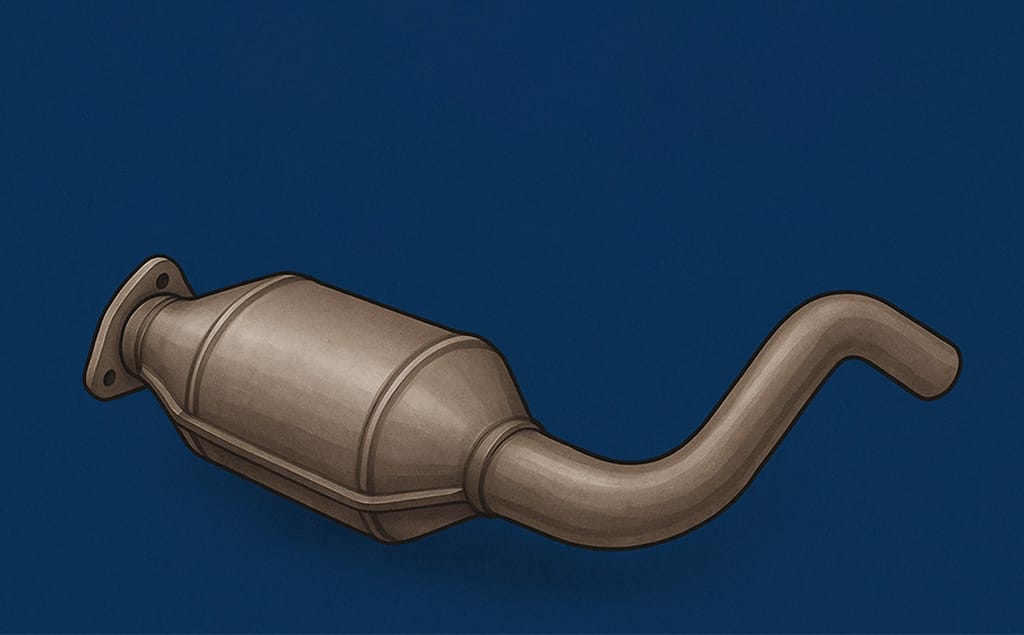
現代の自動車の排気システムは、ダッシュボードの警告灯が点滅するまで、ほとんどのドライバーにとって謎のままです。このシステムの中心には、 三元触媒コンバーターこの部品は、内燃機関の中でも最も技術的に高度な部分の一つです。移動式の化学実験室として機能し、複雑な反応を通して有害なエンジン副生成物を呼吸可能な空気へと変換します。
しかし、この部品が故障すると、車の所有者は莫大な経済的決断を迫られます。 三元触媒コンバーター 地域ごとの法律、金属市場、機械設計など、様々な要素を理解し、適切に対応する必要があります。このガイドでは、お客様が支払う金額の内訳を詳しく解説します。次回の修理費用によくある「整備士のマージン」を回避するために必要なデータを提供します。
内部構造:三元触媒コンバーターの仕組み
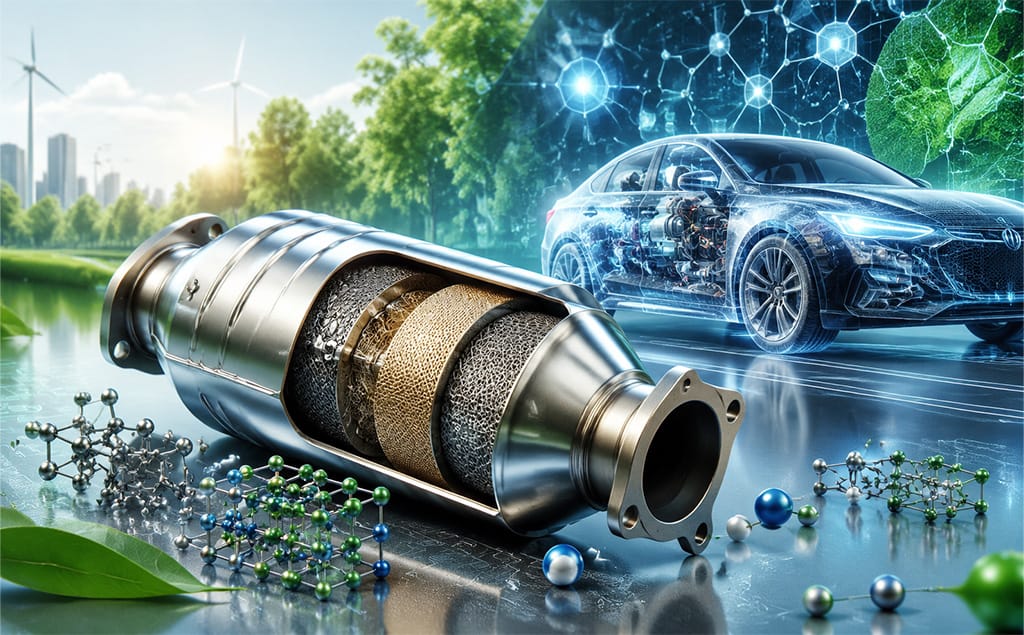
あ 三元触媒コンバーター 同時に3つの重要な化学的働きをします。まず、「還元」を利用して窒素酸化物(NOx)から酸素を取り除きます。このプロセスにより、無害な窒素ガスが残ります。次に、「酸化」を利用して一酸化炭素(CO)を二酸化炭素(CO₂)に変換します。最後に、未燃焼炭化水素(HC)を酸化して水蒸気にします。
高温でこれらの反応を実現するために、メーカーはセラミックハニカム構造を使用します。この「基材」に貴金属のウォッシュコートを施します。これらの金属(プラチナ、パラジウム、ロジウム)は触媒として機能します。反応自体では摩耗しませんが、エンジンオイル、冷却水、または有鉛燃料によって「被毒」される可能性があります。これらの金属の表面積が劣化すると、 三元触媒コンバーター 効率が低下する。

コスト差を理解する:なぜ一部の製品は3,000ドルもするのか
The price of a 三元触媒コンバーター デザインと貴金属の密度によって異なります。
1. マニホールド一体型アセンブリ
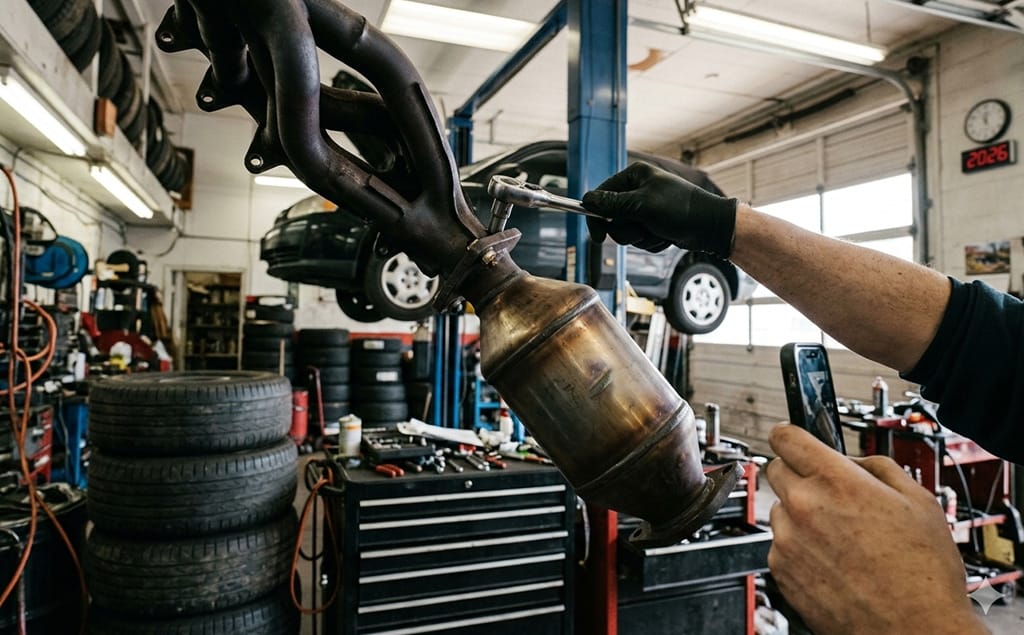
マツダ3や様々なV6 SUVなど、多くの現代の車両は「マニホールド一体型」ユニットを使用しています。この設計では、メーカーは 三元触媒コンバーター 排気マニホールドに直接接続する。
- コスト要因: 内部フィルターだけを交換することはできません。鋳鉄製またはステンレス鋼製の大型アセンブリ全体を購入する必要があります。
- 価格帯: 価格帯は600ドルから3,000ドルまでと幅広い。
2. 直接取り付け型ユニットと汎用ユニットの比較
あなたの車が「ミッドパイプ」を使用している場合 三元触媒コンバーター主な選択肢は2つあります。
- ダイレクトフィット: これらのユニットは、純正品の形状と完全に一致しています。専用のフランジとセンサー取り付け部が付属しています。基本的な工具があれば、多くの場合ご自身で取り付け可能です。
- ユニバーサル: これらは汎用のサイレンサーです。専門のマフラーショップで古いパイプを切断し、新しいパイプを溶接する必要があります。 三元触媒コンバーター 所定の位置に取り付ける。部品自体は安価だが、高品質な溶接作業によって最終的な費用は高くなる。
地域規制:「カリフォルニア税」について解説
車のブランドよりも、地理的要因の方が修理費用を左右します。米国では主に2つの排出ガス規制区分が設けられています。連邦(EPA)とカリフォルニア(炭水化物).
カリフォルニア州、ニューヨーク州、コロラド州、またはメイン州にお住まいの方は、CARB準拠の 三元触媒コンバーターこれらのユニットは、より高濃度の貴金属を必要とします。これにより、10万マイル以上走行しても効率を維持できます。
- 連邦単位平均: $400 – $600
- CARB単位平均: $1,000 – $1,600
| 車両モデル | 排出基準 | 部品タイプ | 推定総費用(2026年) |
|---|---|---|---|
| 2020年式トヨタ カムリ SE | 連邦政府(ノースカロライナ州、テキサス州) | ダイレクトフィット | 1,255ドル~1,795ドル |
| 2019年型シボレー・エクイノックス | 連邦政府(フロリダ州、ジョージア州) | ダイレクトフィット | 1,505ドル~1,840ドル |
| 2021年型フォルクスワーゲン パサート | カリフォルニア州大気資源局(カリフォルニア州、ニューヨーク州) | マニホールドユニット | 2,386ドル~2,529ドル |
| 2018年型フォードF-150ラプター | 連邦政府(アラバマ州、テネシー州) | デュアルキャットセット | 1,800ドル~3,474ドル |
| 2015年型ホンダ・シビック | ユニバーサル | 溶接式 | 450ドル~750ドル |
トラブルシューティング:コンバーターは本当に故障しているのでしょうか?
整備士はしばしば誤診する 三元触媒コンバーター 故障。修理で高利益が得られるため、適切な検査を省略する修理工場もあります。まずは以下の診断手順に従ってください。
1. 酸素センサーを確認する
現代の自動車は酸素センサーを2つ使用しています 三元触媒コンバーターセンサーは、ユニットの前(上流側)と後(下流側)にそれぞれ設置されます。コンピューターは、この2つのセンサーのデータを比較します。上流側のセンサーが不正なデータを送信すると、「P0420」効率コードがトリガーされます。100ドルのセンサーを交換するだけで、2,000ドルかかるコンバーターの修理費用を節約できる場合がよくあります。
2. 排気漏れの点検
マニホールドのごく小さなピンホール漏れでも新鮮な空気を吸い込む可能性があります。この余分な酸素が下流側のセンサーを混乱させます。するとコンピューターは 三元触媒コンバーター 不具合が発生しました。新しい部品を購入する前に、必ずガスケット周辺に煤の跡がないか確認してください。
3. 背圧テスト
技術者に背圧テストを実施してもらいます。上流側のセンサーを取り外し、圧力計を取り付けます。2,500 RPM で圧力が 1.5 PSI を超えると、 三元触媒コンバーター 物理的に詰まっている可能性があります。圧力が正常な場合は、ユニットが「化学的に劣化している」だけかもしれません。特殊な洗浄処理によって、これらのユニットが回復することもあります。
世界のスクラップ市場と盗難防止
その 三元触媒コンバーター 現在、世界で最も盗難されている自動車部品は、内部に使用されている金属の「スクラップ価値」の高さである。
- 白金: 様々な産業用途において極めて重要である。
- パラジウム: ハイエンド電子機器には不可欠です。
- ロジウム: 3つの中で最も希少な金属。ロジウムの市場価格は、過去に1オンスあたり2万ドルまで高騰したことがある。
泥棒は 三元触媒コンバーター バッテリー式ののこぎりを使えば、60秒以内に切断できます。車両を保護するために、以下の手順をお勧めします。
- VINを刻印する: 金属製のケースに車両識別番号を刻印してください。
- シールドをインストールしてください。 侵入を防ぐために、「猫用ケージ」または厚手の滑り止め板を購入してください。
- 戦略的に駐車する: 明るい場所、または壁の近くに駐車して、車体下部への侵入を制限してください。

結論
交換 三元触媒コンバーター これは大きな経済的負担となります。しかし、調査と粘り強さがあれば、コストを削減できます。まずは背圧テストで故障箇所を確認してください。CARB準拠のユニットが必要なのか、それとも連邦規格のユニットが必要なのかを確認しましょう。古い車両の場合は、汎用溶接式ユニットが最もコストパフォーマンスに優れています。新しい車両の場合は、エンジン性能を維持するために、専用設計のユニットを使用することをお勧めします。常に信頼できる部品を選び、セカンドオピニオンを求めましょう。