導入
車両の排出ガスシステムは、現代の自動車工学において重要な役割を果たしています。ホンダCR-Vは、環境負荷を最小限に抑えるために先進技術を採用しています。この役割を担うのは、ディーゼル微粒子フィルター(DPF)と排気ガス浄化装置(ECU)という2つの主要コンポーネントです。 三元触媒コンバーターDPFは固体のすす粒子を捕らえますが、 三元触媒コンバーター 化学酸化還元反応によってガス状汚染物質を処理します。これらのシステムのメンテナンスは、エンジンの寿命と規制遵守を確保します。このガイドでは、DPF交換の複雑な詳細、DPFとの機能的相乗効果について説明します。 三元触媒コンバーター、最適なメンテナンスに必要な技術的な手順について説明します。
排出制御システムの科学
内燃機関はいくつかの有害な副産物を排出します。ディーゼルエンジンは特に粒子状物質と窒素酸化物を生成します。エンジニアは、これらの物質が排気管から排出される前に中和するように排気システムを設計します。
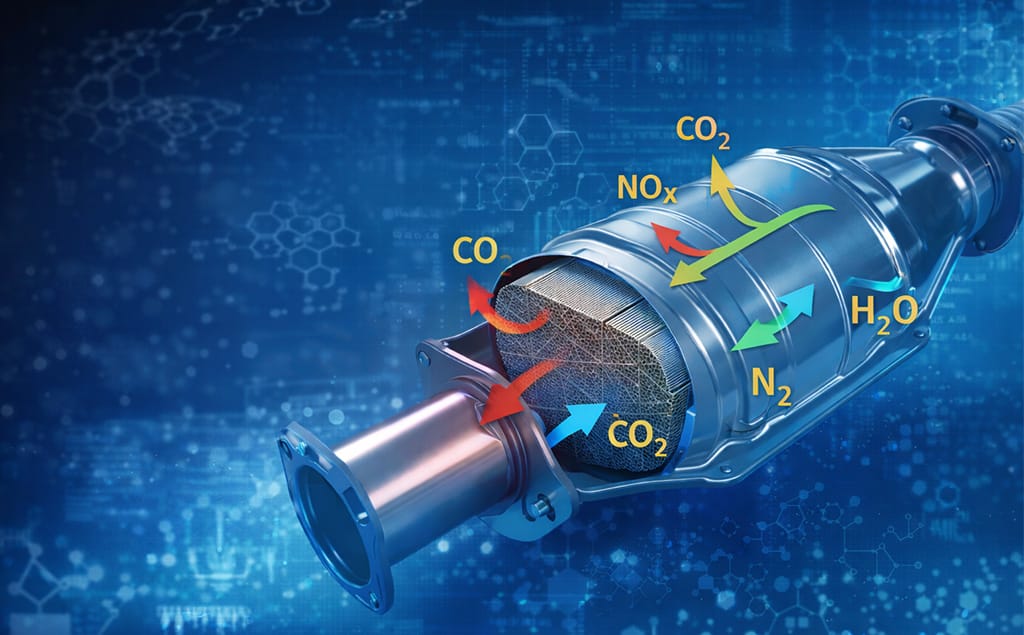
あ 三元触媒コンバーター 通常はガソリンエンジンに使用されます。しかし、酸化還元の原理は様々なプラットフォームに当てはまります。 三元触媒コンバーター プラチナ、パラジウム、ロジウムなどの貴金属が含まれています。これらの金属は触媒として作用し、一酸化炭素を二酸化炭素に変換するのを促進します。また、窒素酸化物を無害な窒素と酸素に変換します。
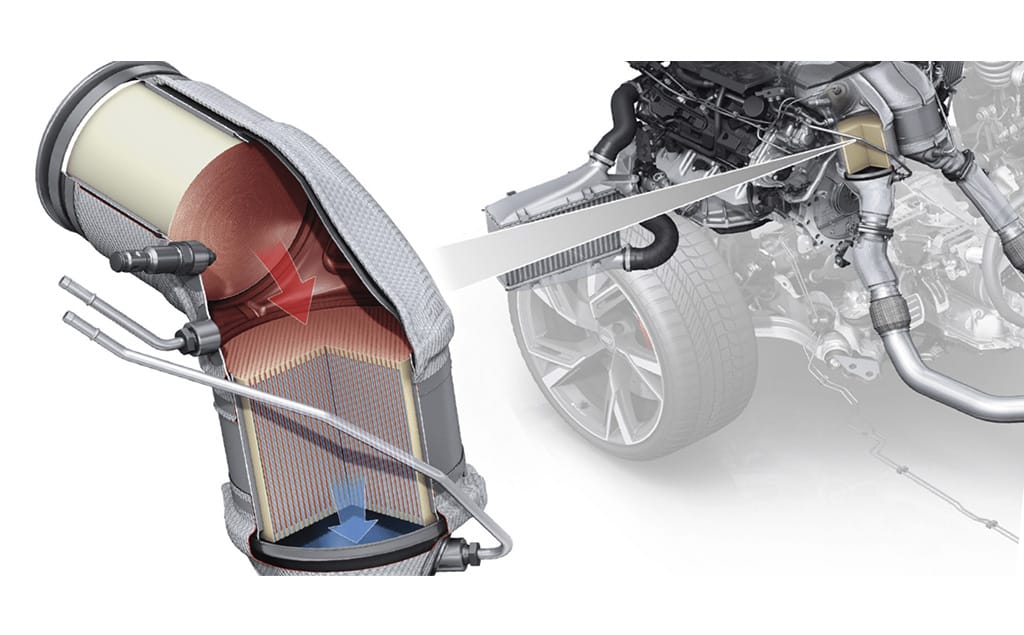
ホンダCR-Vのディーゼルモデルでは、DPFは酸化触媒と連携して機能します。DPFは物理的なふるいとして機能し、微細な煤を捕集します。時間の経過とともに、この煤は蓄積されます。車両は煤を灰にするために「再生」を行う必要があります。このプロセスが失敗すると、フィルターが目詰まりを起こします。フィルターが詰まると背圧が上昇します。この背圧はターボチャージャーに負担をかけ、燃費を低下させます。DPFとターボチャージャーの関係を理解する 三元触媒コンバーター 所有者がパフォーマンスの低下を効果的に診断するのに役立ちます。

排出成分の比較
| 特徴 | 三元触媒コンバータ | ディーゼル微粒子フィルター(DPF) |
|---|---|---|
| 主な機能 | ガス状汚染物質(CO、HC、NOx)を変換します | 固体粒子状物質(すす)を捕捉する |
| アクティブマテリアル | プラチナ、パラジウム、ロジウム | コーディエライトまたは炭化ケイ素 |
| メンテナンス | 毒物を入れない限り、通常はメンテナンスフリー | 定期的な再生サイクルが必要 |
| よくある失敗 | 溶解または化学的な「中毒」 | 物理的な詰まりまたは「すすの蓄積」 |
| 車両タイプ | 主にガソリン(ペトロール) | 主にディーゼル |
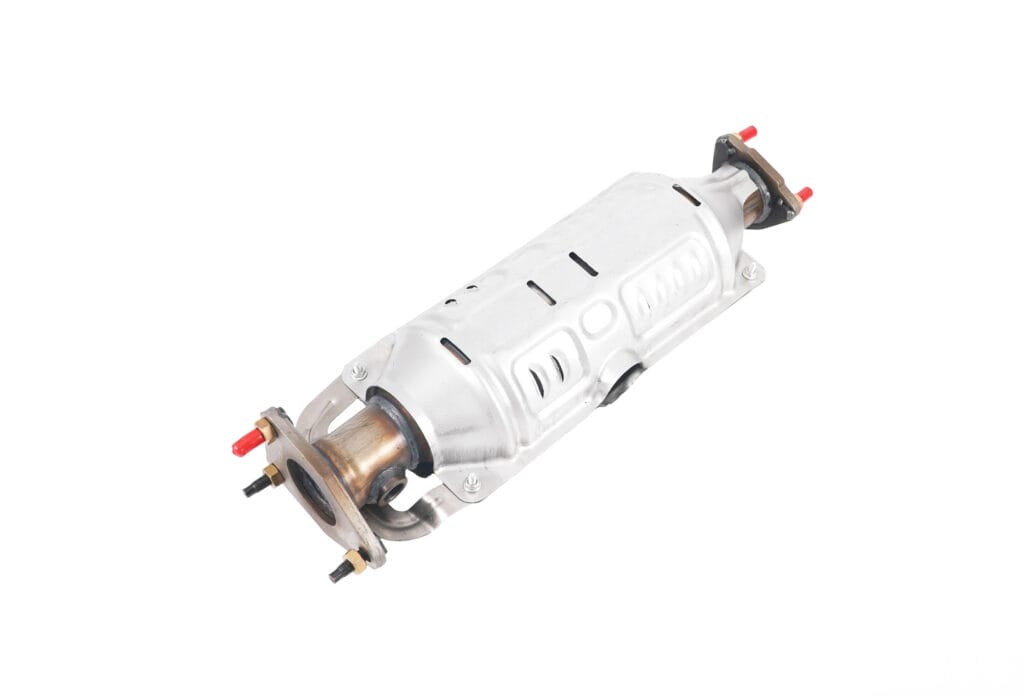
失敗の根本原因の特定
DPFや 三元触媒コンバーター 徹底的な調査なしに、フィルターの目詰まりは症状に過ぎず、根本的な原因ではない場合が多いです。フィルターがなぜ機能しなかったのかを特定し、新しい部品でも同じ問題が発生しないようにする必要があります。
吸気とブーストの漏れ
エンジンは正確な空燃比を必要とします。インタークーラーや吸気管に漏れがあると、このバランスが崩れます。するとエンジンは「濃い」状態になります。濃い混合気は過剰な煤を発生させます。この煤はすぐにDPFを圧倒してしまいます。たとえ高品質のDPFであっても、 三元触媒コンバーター cannot process extreme levels of unburnt fuel without sustaining damage.
Sensor Inaccuracies
The Honda CR-V relies on multiple sensors. The differential pressure sensor measures the pressure drop across the DPF. If this sensor sends false data, the ECU will not initiate regeneration. Similarly, oxygen sensors monitor the efficiency of the 三元触媒コンバーター. You must verify these sensors using a diagnostic tool like the Honda HDS.
Injector Health
Faulty fuel injectors can “dribble” fuel into the cylinder. This leads to incomplete combustion. The resulting thick smoke coats the internal structure of the 三元触媒コンバーター 1つのnd the DPF. This coating prevents the catalytic metals from contacting the exhaust gases.
Pre-Replacement Technical Protocols
Preparation determines the success of the installation. You must follow specific technical steps before you unbolt the old hardware.
Software Calibration
Modern Honda vehicles require the latest ECU firmware. Software updates often improve the logic for DPF regeneration. The manufacturer frequently tweaks the temperature thresholds and timing. Ensure your vehicle runs the most recent software version to protect your new investment.
Lubrication Requirements
Diesel engines with DPF systems require specific engine oil. You must use ACEA C2 or C3 compliant oil. These “Low SAPS” oils contain low levels of Sulfated Ash, Phosphorus, and Sulfur. Standard oils produce ash that the DPF cannot burn off. This ash permanently blocks the filter. While a three way catalytic converter is more resilient, high phosphorus levels can still “poison” its catalytic surface.
Physical Component Inspection
Inspect the mounting brackets and heat shields. Vibration can crack the ceramic substrate inside a 三元触媒コンバーター. Ensure all exhaust gaskets are new. Reusing old gaskets leads to leaks. Leaks introduce oxygen into the exhaust stream. This oxygen confuses the sensors and triggers fault codes.
三元触媒コンバータのエンジニアリング
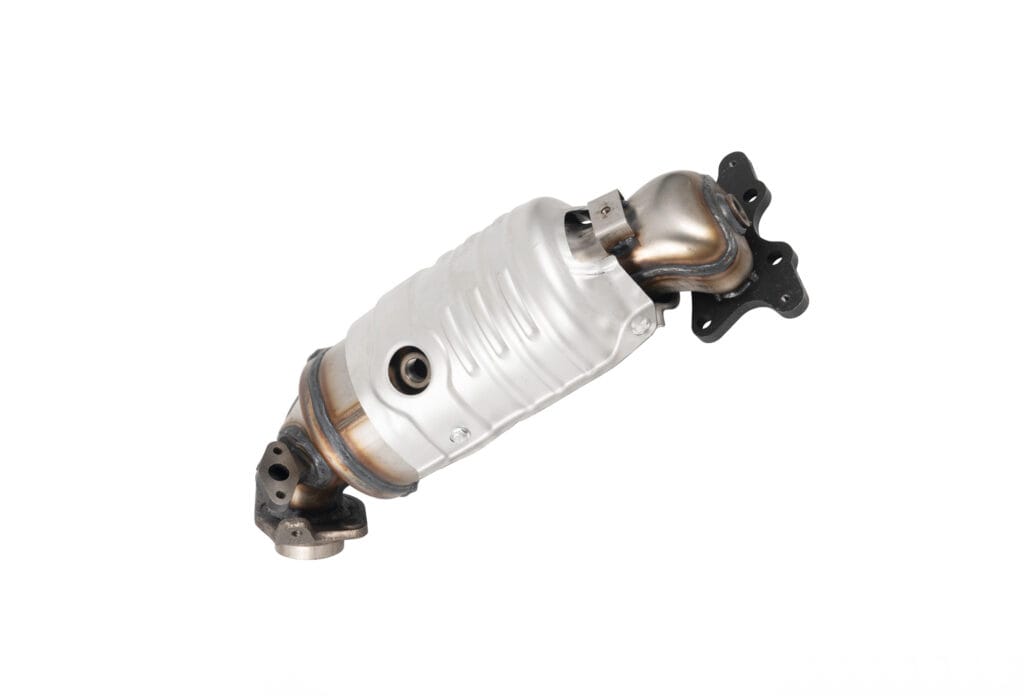
その 三元触媒コンバーター represents a pinnacle of automotive chemistry. It performs three simultaneous tasks. First, it reduces nitrogen oxides into elemental nitrogen and oxygen. Second, it oxidizes carbon monoxide into carbon dioxide. Third, it oxidizes unburnt hydrocarbons into water and carbon dioxide.
The internal structure features a ceramic honeycomb. Manufacturers coat this honeycomb with a “washcoat.” The washcoat carries the precious metals. The 三元触媒コンバーター requires a specific temperature range to function. This range usually starts at 250 degrees Celsius. In diesel systems, the oxidation catalyst (often paired with the DPF) helps reach these temperatures by reacting with small amounts of injected fuel.
Step-by-Step Replacement Procedure
Replacing the DPF on a Honda CR-V is a labor-intensive process. It requires specialized tools and mechanical precision.
- Vehicle Stabilization: Secure the vehicle on a professional lift.
- Sensor Removal: Carefully disconnect the temperature sensors and pressure lines. Use penetrating oil on rusted threads. These sensors are fragile.
- Exhaust Disconnection: Unbolt the DPF from the turbocharger outlet or the downpipe. On some CR-V models, the DPF and the 三元触媒コンバーター reside in the same housing.
- Installation: Position the new unit. Align the flanges perfectly.
- Torque Specifications: Tighten all mounting bolts to approximately 42 Nm. Refer to your specific service manual for exact values. Over-tightening can snap studs. Under-tightening causes leaks.
- Sensor Re-installation: Apply a small amount of anti-seize to the sensor threads. Avoid getting anti-seize on the sensor tip.
Post-Installation and ECU Initialization
The hardware installation is only half the job. The vehicle’s computer still thinks the old, clogged filter is present.
Resetting the Adaptation Values
Use the Honda HDS (Honda Diagnostic System) or a high-level “car scanner pro.” You must tell the ECU that you installed a new DPF. This reset clears the “soot load” memory. If you skip this step, the engine may remain in “limp mode.”
Forced Regeneration Cycle
Perform a controlled forced regeneration. This process initializes the filter. The ECU will increase the idle speed and retard the injection timing. This raises the exhaust temperature significantly. The system then verifies that the pressure drop across the new filter matches factory specifications.
Sensor Adaptation
Adapt the new differential pressure sensor to the ECU. The computer must learn the “zero point” of the new sensor. This ensures accurate monitoring during future drives.
Why Professional Expertise is Vital
The complexity of the Honda CR-V emission system makes DIY replacement risky. Small errors lead to expensive consequences.
Risks of Incorrect Programming
If you do not reset the ECU correctly, the car might attempt to clean a filter that is already clean. Or, it might fail to protect the new filter from high-pressure spikes. Incorrect programming can lead to thermal runaway. This can melt the internal substrate of the 三元触媒コンバーター.
Specialized Tooling
Standard OBD-II readers cannot perform forced regenerations. You need dealer-level software. Furthermore, professional shops use thermal imaging to check for hotspots. They also use smoke machines to find tiny intake leaks.
Environmental and Legal Compliance
Tampering with a DPF or a 三元触媒コンバーター is illegal in many jurisdictions. Professionals ensure that the replacement parts meet OEM standards. This keeps your vehicle legal for road use and emissions testing.
Advanced Troubleshooting: Analyzing Exhaust Backpressure
Excessive backpressure ruins engine performance. If the DPF or the 三元触媒コンバーター blocks the flow, the turbocharger cannot spin freely. This leads to “turbo lag” and eventual bearing failure. Mechanics use a pressure gauge to measure the “inches of water” or “PSI” before and after the filter.
A healthy 三元触媒コンバーター should show minimal resistance. A DPF will show a slight pressure increase, which varies based on the soot load. If the pressure exceeds 1.5 PSI at idle, the filter requires immediate attention.
Emission System Maintenance Data
| Maintenance Task | Frequency | Impact on Three Way Catalytic Converter |
|---|---|---|
| オイル交換(ACEA C2/C3) | 10,000マイルごと | 金属中毒を防ぐ |
| ソフトウェアアップデートチェック | 年次点検中 | 燃焼効率を最適化 |
| 燃料システムの洗浄 | 2万マイルごと | すすや炭化水素の蓄積を軽減 |
| 高速道路での運転(30分以上) | 週刊 | パッシブDPF再生を可能にする |
| センサーキャリブレーションチェック | 5万マイルごと | 正確な空燃比を確保 |
運転習慣とその影響
運転スタイルはDPFの寿命に直接影響し、 三元触媒コンバーター短距離の市街地走行は最大の敵です。短距離走行では、排気ガスは「着火温度」に達しません。 三元触媒コンバーター 不活性なままです。DPF内には受動燃焼の機会がなく、煤が蓄積されます。
Honda CR-Vのメンテナンスには、定期的に高速道路を走行する必要があります。時速50マイル(約80km/h)以上の速度で20分以上走行することを目標にしてください。これにより、システムを清潔に保つのに十分な熱が発生します。また、 三元触媒コンバーター 最高の効率で動作します。
結論
ホンダCR-VのDPFと 三元触媒コンバーター クリーンでパワフルなエンジンには、これらの部品が不可欠です。これらの部品の交換には、単なる機械的なスキル以上のものが求められます。故障の原因を診断し、適切な部品を使用し、正確なソフトウェアキャリブレーションを実施する必要があります。専門の技術者は、エンジンを永久的な損傷から守るために必要なツールと知識を提供します。厳格なメンテナンスプロトコルに従い、高品質の部品を使用することで、車両の効率を長年にわたって維持することができます。煤のレベルとセンサーの状態を定期的に監視することで、システム全体の故障に伴う高額なコストを回避できます。