導入
Modern automotive engineering faces a massive challenge. Engines must produce power while minimizing environmental damage. Governments worldwide enforce strict 排出基準. Manufacturers respond by installing advanced after-treatment systems. The two most common devices are the 三元触媒コンバーター and the Diesel Particulate Filter. Both components reside in the exhaust path. However, they perform very different technical roles. The 三元触媒コンバーター handles gaseous toxins in gasoline engines. The DPF captures solid soot particles in diesel engines. This article provides a comprehensive technical analysis of these systems. We will examine their chemical processes, structural designs, and maintenance requirements. Understanding these differences helps vehicle owners maintain engine health and ensure legal compliance.
The Core Purpose of the Three Way Catalytic Converter
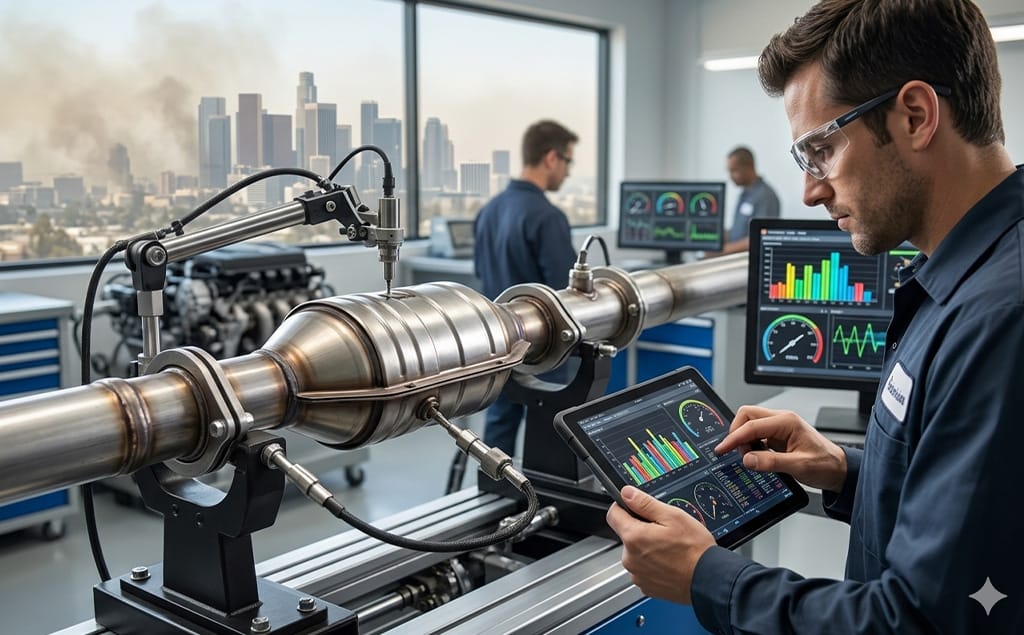
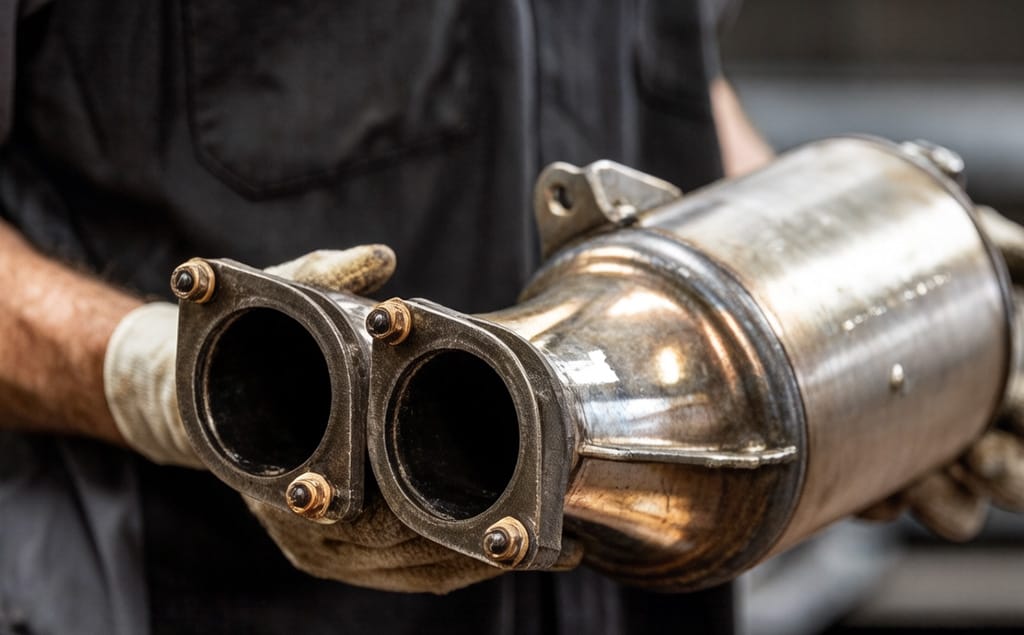
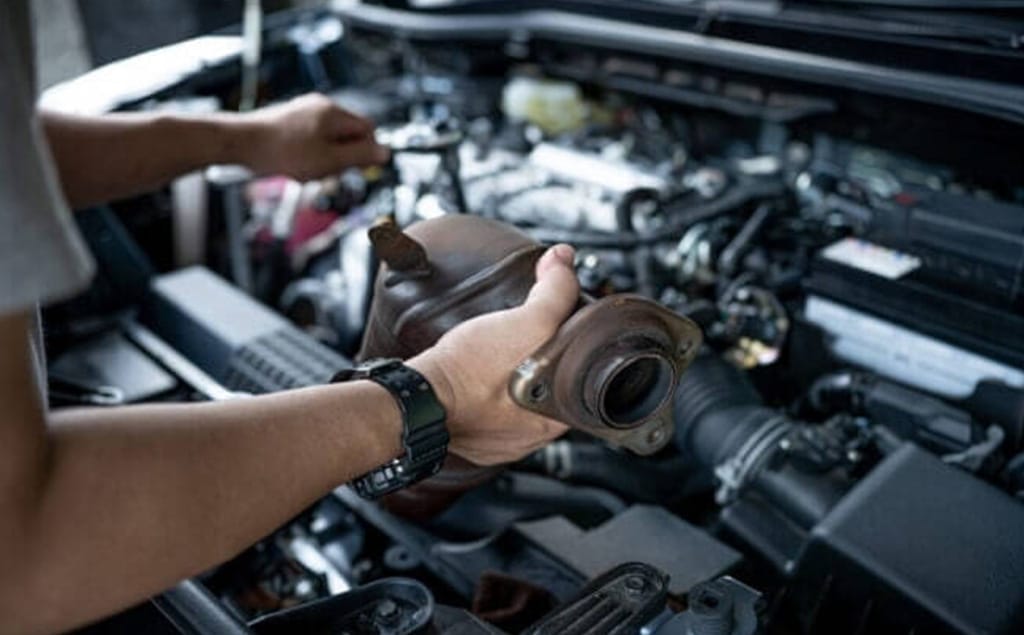
その 三元触媒コンバーター acts as a chemical reactor. It sits between the engine and the muffler. Its primary job involves converting toxic gases into harmless substances. The “three way” name refers to the three specific pollutants it targets. These are Nitrogen Oxides (NOx), Carbon Monoxide (CO), and Unburnt Hydrocarbons (HC).
その 三元触媒コンバーター utilizes a flow-through design. Exhaust gas enters the converter and passes through thousands of micro-channels. These channels feature a ceramic honeycomb structure. Engineers coat this structure with a washcoat. This washcoat contains precious metals. Platinum and Palladium handle the oxidation of CO and HC. Rhodium manages the reduction of NOx.
その 三元触媒コンバーター performs two simultaneous chemical reactions. In the reduction reaction, the catalyst strips oxygen away from Nitrogen Oxides. This creates pure Nitrogen gas and Oxygen. In the oxidation reaction, the catalyst adds oxygen to Carbon Monoxide and Hydrocarbons. This produces Carbon Dioxide and water vapor. These reactions happen almost instantly. However, the 三元触媒コンバーター requires a high operating temperature. Most units start working effectively at 400°C.

The Mechanics of the Diesel Particulate Filter (DPF)
Diesel engines operate differently than gasoline engines. Diesel fuel contains longer carbon chains. The combustion process often leaves behind solid carbon residue. We call this residue soot or particulate matter. A 三元触媒コンバーター cannot stop these solid particles. Therefore, diesel vehicles require a DPF.
The DPF uses a wall-flow filtration design. Unlike the flow-through 三元触媒コンバーター, the DPF channels have blocked ends. One channel is open at the entrance but closed at the exit. The next channel is closed at the entrance but open at the exit. This geometry forces the exhaust gas through the porous walls of the ceramic substrate.
The gas molecules pass through the microscopic pores. However, the soot particles are too large. They remain trapped inside the filter channels. Over time, these particles accumulate. This accumulation forms a “soot cake.” This cake actually improves filtration efficiency initially. But eventually, it restricts exhaust flow. This creates backpressure. High backpressure reduces engine power and increases fuel consumption.
Substrate Material Science in Exhaust Systems
Engineers select materials based on thermal stress and chemical stability. Most 三元触媒コンバーター units use Cordierite. This is a synthetic ceramic material. It offers a low thermal expansion coefficient. This means the honeycomb structure does not crack under extreme heat changes.
DPF systems often use Silicon Carbide (SiC). This material handles much higher temperatures than Cordierite. This is vital because DPF regeneration creates intense heat. During regeneration, the soot burns off at temperatures exceeding 600°C. SiC has a higher melting point and better thermal conductivity. This helps distribute heat evenly and prevents “hot spots” that could melt the filter.
Comparison Table: Technical Specifications
The following table highlights the operational differences between the 三元触媒コンバーター and the DPF.
| Technical Feature | 三元触媒コンバーター(TWC) | ディーゼル微粒子フィルター(DPF) |
|---|---|---|
| Primary Pollutant | Gaseous (NOx, CO, HC) | Solid (Soot, Particulate Matter) |
| 内部設計 | Flow-Through Honeycomb | Wall-Flow Monolith |
| Reaction Type | Chemical Oxidation and Reduction | Physical Trapping and Combustion |
| 基板材料 | Cordierite or Metallic Foil | Silicon Carbide or Aluminum Titanate |
| Maintenance Logic | Continuous Operation (Passive) | Periodic Regeneration (Active/Passive) |
| Typical Engine | ガソリン | Diesel / Heavy Duty |
| Major Failure | Chemical Poisoning / Melting | Clogging / Ash Accumulation |
The Regeneration Process: DPF vs TWC
あ 三元触媒コンバーター does not need a cleaning cycle. It functions continuously as long as the engine maintains the correct air-fuel ratio. It relies on a “stoichiometric” mixture. This means the engine burns 14.7 parts of air for every 1 part of fuel. If the mixture is correct, the 三元触媒コンバーター stays clean.
The DPF is different. It is a storage device. It eventually fills up with soot. To clear the soot, the system performs “regeneration.” There are two main types of regeneration.
Passive regeneration happens during long highway drives. The exhaust gas temperature rises naturally to around 350°C. At this temperature, the nitrogen dioxide in the exhaust helps burn off the soot slowly. The driver never notices this process.
アクティブ再生は、車両が煤の蓄積量が多いことを検知すると実行されます。市街地走行のみの場合、排気ガスはパッシブクリーニングに必要な温度に達しません。そこでエンジン制御ユニット(ECU)が制御を引き継ぎ、排気行程中にシリンダー内に燃料を追加噴射します。この燃料は排気系に流れ込み、点火します。これによりDPFの温度が600℃以上に上昇します。この熱によって煤が燃焼し、微量の灰になります。
Failure Modes: What Destroys These Components?
どちらのシステムも交換には高額な費用がかかります。故障モードを理解することで、高額な修理を防ぐことができます。
その 三元触媒コンバーター 主に 中毒特定の化学物質は貴金属と永久に結合します。リンと硫黄は最大の敵です。これらの化学物質は、エンジンオイルや低品質の燃料によく含まれています。一度汚染されると、 三元触媒コンバーター 化学反応を起こせません。役に立たないセラミックの塊と化します。物理的な損傷も発生します。エンジンが失火すると、未燃焼の燃料が高温のコンバーターに入り込み、内部で爆発してハニカム構造を溶かします。
DPFの故障は目詰まりが原因です。主な原因は短距離走行です。エンジンが作動温度に達しなければ、再生は行われません。煤が蓄積し、フィルターが完全に詰まってしまいます。そうなると、アクティブ再生でさえも失敗する可能性があります。もう一つの問題は灰の蓄積です。再生は煤を燃焼させますが、灰は燃焼させられません。灰はエンジンオイルに含まれる金属添加剤に由来します。10万マイル走行すると、この灰がDPFの細孔を埋めてしまいます。灰を除去できるのは、専門的な空気圧洗浄だけです。
Diagnostic Codes and Symptoms
現代の車では、これらのシステムを監視するためにオンボード診断 (OBD-II) が使用されています。
失敗 三元触媒コンバーター 通常、P0420というコードがトリガーされます。このコードは「触媒システム効率が閾値以下」を意味します。ECUはコンバーター前後の酸素センサーを監視しています。測定値があまりにも似ている場合は、コンバーターが故障しています。「腐った卵」のような臭いがするかもしれません。これは硫化水素ガスです。コンバーターが硫黄を適切に処理していないことを示しています。
DPFが故障すると、P242F(灰の蓄積)やP2463(煤の蓄積)などのコードが発令されます。ダッシュボードにDPF警告灯が点灯します。車は「リンプモード」に入る場合があります。このモードでは、ターボチャージャーの損傷を防ぐため、エンジン回転数が低回転に制限されます。また、燃費も大幅に低下します。これは、ECUが再生サイクルを開始しようとし続けるために発生します。
Impact of Engine Oil on After-treatment Health
エンジンオイルの選択は車の寿命を決定します 三元触媒コンバーター およびDPF。従来のオイルには、硫酸灰、リン、硫黄(SAPS)が高濃度に含まれています。
で 三元触媒コンバーターリンが触媒を覆います。これは「ケミカルマスキング」と呼ばれ、プラチナを排気ガスから隠します。少量のオイル消費でも、触媒をダメにする可能性があります。 三元触媒コンバーター 時間とともに。
DPF(ディーゼルエンジンフィルター)では、オイルに含まれる金属添加剤が永久灰になります。この灰は燃焼させることができず、フィルター内に永久に残ります。そのため、DPF搭載のディーゼル車は低SAPSオイルを使用する必要があります。これらのオイルには特殊な化学マーカーが含まれており、フィルターを損傷することなくエンジン部品を保護します。オイルボトルに記載されているACEA Cグレードの定格を必ずご確認ください。C1とC4オイルはSAPSレベルが最も低いオイルです。C3は多くの欧州車で一般的に使用されている中SAPSオイルです。
The Role of Oxygen Sensors and Temperature Sensors
どちらのシステムも、さまざまなセンサーからのデータに依存しています。 三元触媒コンバーター 2つの酸素センサーを使用します。上流センサーはエンジンに燃料調整方法を指示します。下流センサーは、 三元触媒コンバーター 動作しています。下流のセンサーが酸素レベルの変動を示している場合、コンバーターは故障しています。
DPFは圧力センサーを使用しています。これらのセンサーはフィルター前後の「圧力降下」を測定します。1本のチューブは入口の圧力を測定し、もう1本のチューブは出口の圧力を測定します。圧力差が大きい場合は、フィルターが煤で満たされていることを意味します。DPFは温度センサーも使用しています。これらのセンサーは、アクティブ再生中にフィルターが過熱しないようにします。温度が800℃を超えると、フィルターが溶解する可能性があります。
List of Common Causes for Exhaust Failure
- 間違ったエンジンオイルの使用(高SAPS)。
- 短距離走行を頻繁に行う(熱のこもりを防ぐ)。
- 燃料インジェクターの漏れ(過熱の原因)。
- 摩耗したスパークプラグ(失火や TWC の溶解につながります)。
- EGR バルブの故障 (すすの生成が増加)。
- ターボチャージャーのシールの漏れ(オイルが排気口に排出される)。
- 硫黄含有量の多い低品質の燃料を使用する。
Environmental and Legal Importance
その 三元触媒コンバーター DPFはオプションではありません。ほとんどの国ではこれらの装置を法律で義務付けています。これらを取り外すと重大な違反となります。 三元触媒コンバーター 有毒ガスの発生量は10~50倍に増加します。DPFを装備していないディーゼルエンジンは微細な煤を排出します。この煤は人体の血流に入り込み、呼吸器疾患を引き起こします。
毎年の車両検査では、整備士がこれらのシステムを点検します。ディーゼル車の場合は煙測定器、ガソリン車の場合はガス分析装置を使用します。 三元触媒コンバーター 部品が欠落または破損している場合、車は検査に不合格となります。修理するまでは合法的に運転することはできません。さらに、これらの部品を削除すると、車の再販価値が損なわれます。
Future Trends: GPF and Beyond
技術は進化を続けています。多くの新型ガソリン車には、ガソリン微粒子フィルター(GPF)が搭載されています。これは、実質的にはガソリンエンジン用のDPFです。ガソリンエンジンの高圧直噴システムでは、少量の煤(すす)が発生します。GPFは三元触媒コンバータと連携して、これらの粒子を捕捉します。
ハイブリッド車には新たな課題も存在します。エンジンは頻繁にオン・オフするため、排気系の温度が下がります。そこで、エンジニアたちは加熱式触媒を開発しました。これは電気を使って触媒を予熱するものです。 三元触媒コンバーターこれにより、エンジンが短時間運転しているときでも触媒が確実に機能します。
結論
その 三元触媒コンバーター DPFは私たちの空気の質を守る存在です。 三元触媒コンバーター ディーゼルエンジンは化学反応を利用してガスを中和します。DPFは機械的な濾過によって煤を捕捉します。どちらのシステムも、正常に機能するには特定の運転条件が必要です。被毒や灰の蓄積を防ぐには、適切な低SAPSエンジンオイルを使用する必要があります。また、エンジンの機械的状態を良好に保つことも重要です。高速道路での定期的な運転は、DPFの再生を促進し、クリーンな状態を維持します。これらの部品をメンテナンスすることで、環境を保護し、高額な修理費を回避できます。ダッシュボードの警告灯は常に信頼できます。排気システムにメンテナンスが必要な最初の兆候です。