Кіріспе
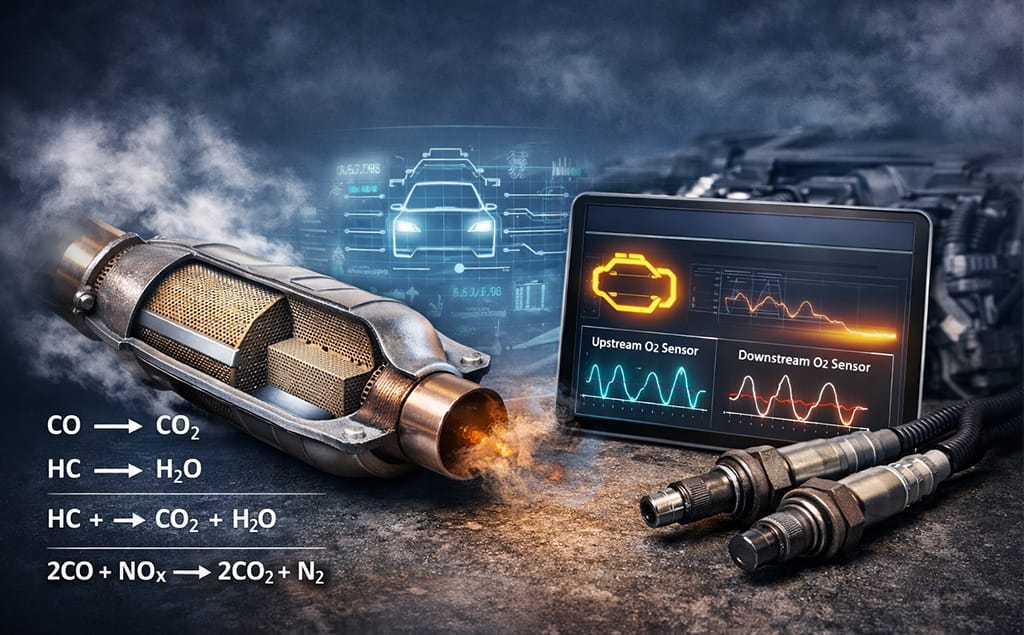
The үш жақты каталитикалық түрлендіргіш plays a critical role in modern emission control systems. It converts hydrocarbons (HC), carbon monoxide (CO), and nitrogen oxides (NOx) into less harmful gases. Automakers design it to operate under precise air fuel ratios and high temperatures. When it works correctly, it significantly reduces harmful exhaust emissions.
Қашан а үш жақты каталитикалық түрлендіргіш begins to lose efficiency, vehicle owners must decide whether to clean it or replace it. Many drivers focus only on short term cost. However, true cost effectiveness depends on accurate diagnosis, structural condition, regulatory requirements, and long term durability. This article explains the technical differences between cleaning and replacing a үш жақты каталитикалық түрлендіргіш. It also evaluates economic impact and long term performance outcomes.
How a Three Way Catalytic Converter Functions
А үш жақты каталитикалық түрлендіргіш operates in a closed loop fuel control system. The engine control unit constantly adjusts the air fuel mixture around stoichiometric conditions. This balance allows three simultaneous chemical reactions:
Oxidation of hydrocarbons into carbon dioxide and water Oxidation of carbon monoxide into carbon dioxide Reduction of nitrogen oxides into nitrogen and oxygen
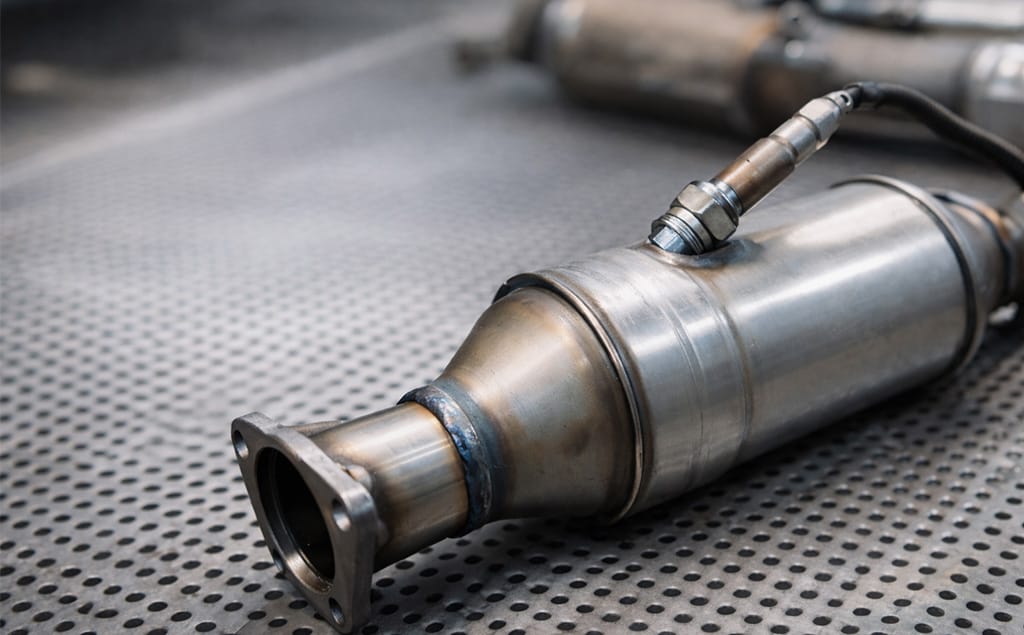
The converter contains a ceramic or metallic honeycomb substrate. A washcoat layer holds precious metals such as platinum, palladium, and rhodium. High exhaust temperature activates these catalysts. Proper combustion and stable fuel trims protect the catalyst surface.
However, engine faults can damage the үш жақты каталитикалық түрлендіргіш. Misfires send raw fuel into the exhaust. Rich mixtures increase hydrocarbon loading. Oil burning leaves ash deposits. Coolant leaks introduce silicone contamination. Over time, these conditions reduce efficiency and trigger diagnostic trouble codes.

Direct Cost Comparison
Cleaning appears inexpensive at first glance. Replacement often requires higher investment. The following table compares common cost ranges.
| Әдіс | Estimated Cost | Әдеттегі қолданылуы |
|---|---|---|
| DIY Additive | $20 to $30 | Preventive care or mild carbon buildup |
| Professional Cleaning | $100 to $300 | Moderate soot without internal damage |
| Universal Replacement | $200 to $500 | Older vehicles where welding is allowed |
| Direct Fit Replacement | $900 to $2500 or more | Modern vehicles or strict emission states |
Cleaning costs less in the short term. Replacement provides structural renewal and long term reliability.

When Cleaning Is Cost Effective
Mild Surface Fouling
Short distance driving often prevents the converter from reaching full operating temperature. This condition promotes soot accumulation. If the honeycomb structure remains intact, cleaning may restore flow and reaction efficiency.
A fuel tank additive can remove light hydrocarbon and oil based deposits. After adding the cleaner, the driver should maintain steady highway speed for 15 to 30 minutes. Sustained heat helps oxidize residue.
Early Stage Efficiency Codes
If the vehicle displays a P0420 efficiency code without severe performance symptoms, cleaning may help. Indicators that favor cleaning include stable engine power, no rattling sounds, and normal fuel trims.
Preventive Maintenance Strategy
Some vehicle owners use fuel system cleaners every 3000 to 5000 miles. This interval often matches oil service schedules. Cleaner combustion reduces stress on the үш жақты каталитикалық түрлендіргіш. Preventive maintenance may extend service life.
When Replacement Provides Better Long Term Value
Structural Damage
If you hear internal rattling, the substrate may have cracked. If misfires caused overheating, the ceramic core may have melted. No chemical solution can repair melted or broken honeycomb material. Replacement becomes necessary.
Excessive Backpressure
High exhaust restriction reduces engine performance. Technicians measure backpressure through the upstream oxygen sensor port.
| Engine Speed | Normal Range | Restriction Indicator |
|---|---|---|
| Idle | Below 1 to 1.25 psi | Above 1.5 psi |
| 2500 RPM | Below 3 psi | Above 3 psi |
High backpressure typically indicates collapsed substrate rather than surface soot. Cleaning rarely resolves this condition.
Катализатормен улану
Coolant contamination introduces silicone compounds. Oil consumption creates metallic ash deposits. These contaminants coat the precious metal surfaces. Heat cannot reverse this chemical poisoning. Once the reaction sites deactivate, efficiency permanently declines.
Regulatory Compliance Requirements
In regions with strict emission standards, a marginal үш жақты каталитикалық түрлендіргіш may fail inspection even after cleaning. Drivers in high compliance states often must install certified replacement units to pass emission testing.
Diagnostic Steps Before Making a Decision
Never purchase parts before identifying the root cause. Many upstream faults mimic catalytic converter failure.
Check the following:
Monitor misfire counters Evaluate short term and long term fuel trims Compare upstream and downstream oxygen sensor signals Inspect for exhaust leaks Confirm no oil or coolant contamination
A faulty oxygen sensor may trigger a false efficiency code. An exhaust leak before the converter can alter oxygen readings. Proper diagnosis prevents unnecessary expense.
Do Catalytic Converter Cleaners Work
Catalytic converter cleaners work within limits. They remove soft carbon deposits and improve combustion quality. They do not restore damaged precious metals. They cannot repair melted or fractured substrate.
After treatment, verify performance using scan data. A healthy үш жақты каталитикалық түрлендіргіш produces a downstream oxygen sensor signal that switches more slowly and remains more stable than the upstream sensor. Similar switching patterns indicate poor conversion efficiency.
Safe Usage Guidelines
Most cleaners contain solvent blends. When used according to instructions, they remain safe for oxygen sensors and catalytic substrates.
Add cleaner to a quarter to half tank of fuel. Drive steadily at highway speeds for at least 15 to 30 minutes. Avoid over concentration. Follow manufacturer recommendations carefully.
Cleaning Duration and Monitoring
Most products activate during a single driving cycle. However, the engine control unit may require several trips to reset readiness monitors. If the check engine light remains off after multiple drive cycles, cleaning likely improved performance. If the code returns quickly, replacement becomes the practical solution.
Risks of Removing the Converter for Cleaning
Some vehicle owners remove the үш жақты каталитикалық түрлендіргіш for manual washing. This approach carries risk. High pressure water can crack the honeycomb. Harsh chemicals can damage the washcoat. Improper handling may violate emission regulations. Low pressure rinsing may remove loose soot but cannot restore chemical activity.
Long Term Economic Perspective
Short term savings from cleaning may appear attractive. However, repeated failed attempts increase overall expense. Labor charges accumulate. Diagnostic time adds cost.
A new үш жақты каталитикалық түрлендіргіш restores full structural integrity and emission efficiency. It reduces backpressure. It stabilizes fuel trims. It ensures compliance with emission standards. When structural damage exists, replacement offers better long term value.
Environmental and Performance Impact
Дұрыс жұмыс істейтін үш жақты каталитикалық түрлендіргіш significantly reduces harmful exhaust gases. It protects air quality and public health. It also supports optimal engine performance. Excessive restriction increases fuel consumption and reduces power output.
Therefore, the decision between cleaning and replacement affects both economics and environmental responsibility.
Қорытынды
Тазалау үш жақты каталитикалық түрлендіргіш offers cost effective results when fouling remains mild and the substrate remains intact. It works best as early intervention or preventive maintenance. It cannot repair structural damage, catalyst poisoning, or severe restriction.
Replacement provides higher initial cost but delivers structural renewal and long term reliability. Accurate diagnosis determines the correct path. Always address upstream engine faults before investing in cleaning or replacement. When damage is physical or chemical, replacing the three way catalytic converter becomes the most rational and economically sound decision.