Giới thiệu
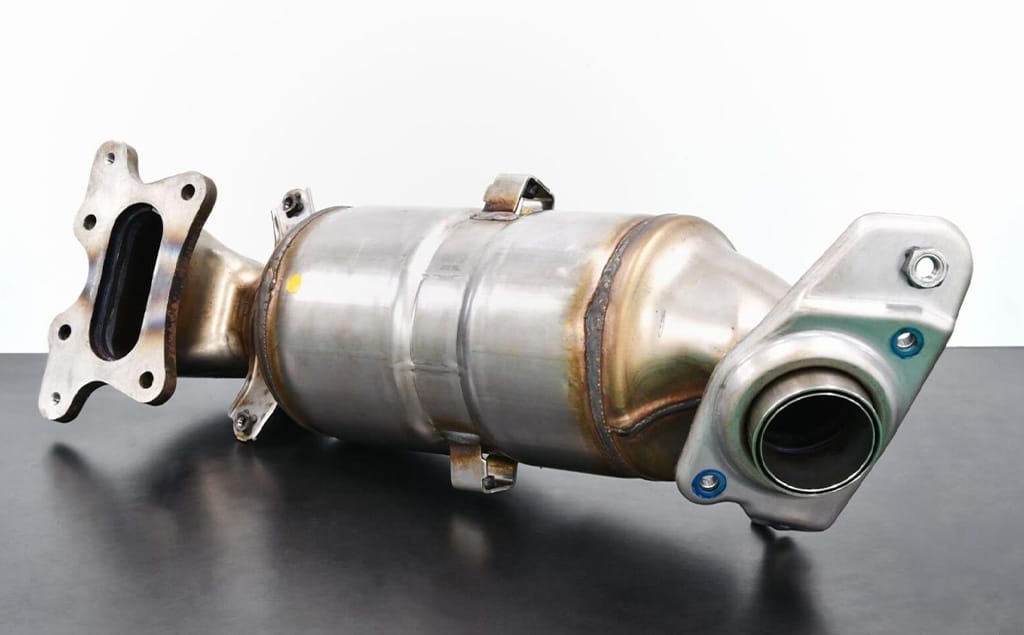
Các bộ chuyển đổi xúc tác ba chiều plays a critical role in modern emission control systems. It converts hydrocarbons (HC), carbon monoxide (CO), and nitrogen oxides (NOx) into less harmful gases. Automakers design it to operate under precise air fuel ratios and high temperatures. When it works correctly, it significantly reduces harmful exhaust emissions.
Khi một bộ chuyển đổi xúc tác ba chiều begins to lose efficiency, vehicle owners must decide whether to clean it or replace it. Many drivers focus only on short term cost. However, true cost effectiveness depends on accurate diagnosis, structural condition, regulatory requirements, and long term durability. This article explains the technical differences between cleaning and replacing a bộ chuyển đổi xúc tác ba chiều. It also evaluates economic impact and long term performance outcomes.
How a Three Way Catalytic Converter Functions
MỘT bộ chuyển đổi xúc tác ba chiều operates in a closed loop fuel control system. The engine control unit constantly adjusts the air fuel mixture around stoichiometric conditions. This balance allows three simultaneous chemical reactions:
Oxidation of hydrocarbons into carbon dioxide and water Oxidation of carbon monoxide into carbon dioxide Reduction of nitrogen oxides into nitrogen and oxygen
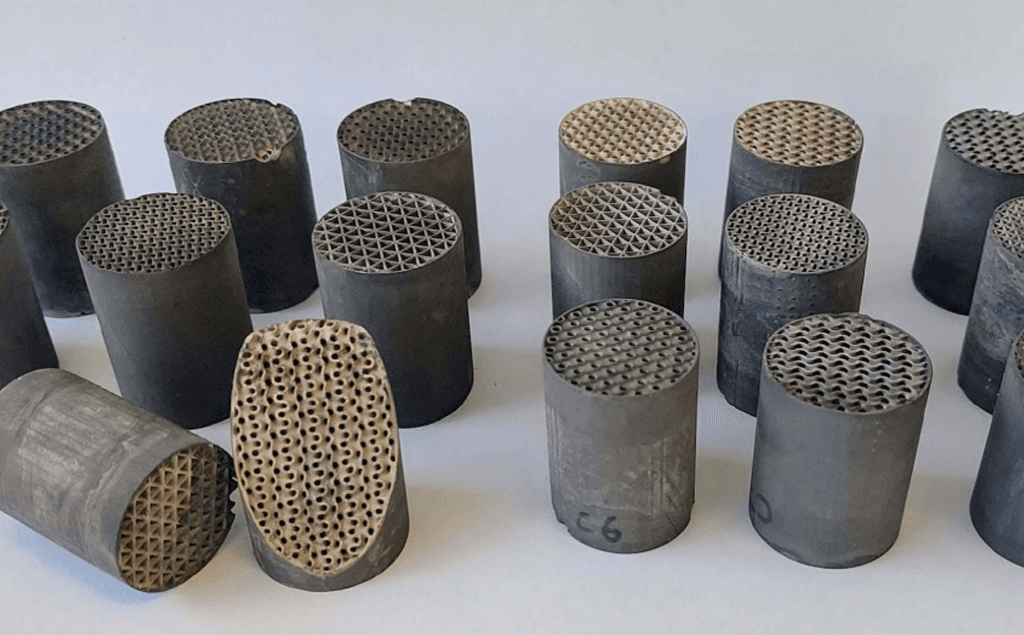
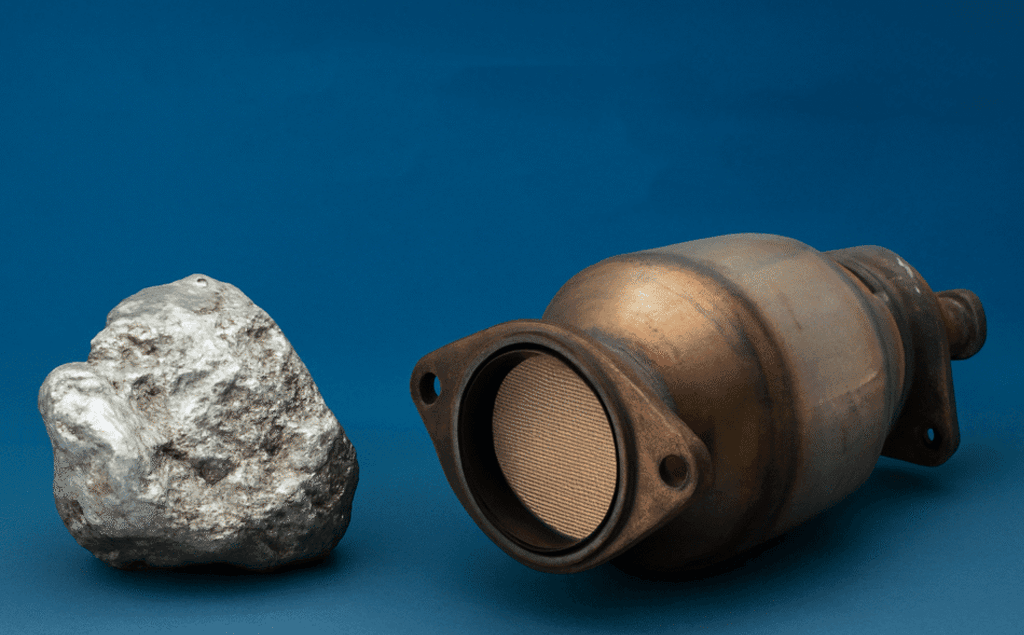
The converter contains a ceramic or metallic honeycomb substrate. A washcoat layer holds precious metals such as platinum, palladium, and rhodium. High exhaust temperature activates these catalysts. Proper combustion and stable fuel trims protect the catalyst surface.
However, engine faults can damage the bộ chuyển đổi xúc tác ba chiều. Misfires send raw fuel into the exhaust. Rich mixtures increase hydrocarbon loading. Oil burning leaves ash deposits. Coolant leaks introduce silicone contamination. Over time, these conditions reduce efficiency and trigger diagnostic trouble codes.

Direct Cost Comparison
Cleaning appears inexpensive at first glance. Replacement often requires higher investment. The following table compares common cost ranges.
| Phương pháp | Estimated Cost | Ứng dụng điển hình |
|---|---|---|
| DIY Additive | $20 to $30 | Preventive care or mild carbon buildup |
| Professional Cleaning | $100 to $300 | Moderate soot without internal damage |
| Universal Replacement | $200 to $500 | Older vehicles where welding is allowed |
| Direct Fit Replacement | $900 to $2500 or more | Modern vehicles or strict emission states |
Cleaning costs less in the short term. Replacement provides structural renewal and long term reliability.

When Cleaning Is Cost Effective
Mild Surface Fouling
Short distance driving often prevents the converter from reaching full operating temperature. This condition promotes soot accumulation. If the honeycomb structure remains intact, cleaning may restore flow and reaction efficiency.
A fuel tank additive can remove light hydrocarbon and oil based deposits. After adding the cleaner, the driver should maintain steady highway speed for 15 to 30 minutes. Sustained heat helps oxidize residue.
Early Stage Efficiency Codes
If the vehicle displays a P0420 efficiency code without severe performance symptoms, cleaning may help. Indicators that favor cleaning include stable engine power, no rattling sounds, and normal fuel trims.
Preventive Maintenance Strategy
Some vehicle owners use fuel system cleaners every 3000 to 5000 miles. This interval often matches oil service schedules. Cleaner combustion reduces stress on the bộ chuyển đổi xúc tác ba chiều. Preventive maintenance may extend service life.
When Replacement Provides Better Long Term Value
Structural Damage
If you hear internal rattling, the substrate may have cracked. If misfires caused overheating, the ceramic core may have melted. No chemical solution can repair melted or broken honeycomb material. Replacement becomes necessary.
Excessive Backpressure
High exhaust restriction reduces engine performance. Technicians measure backpressure through the upstream oxygen sensor port.
| Engine Speed | Normal Range | Restriction Indicator |
|---|---|---|
| Idle | Below 1 to 1.25 psi | Above 1.5 psi |
| 2500 RPM | Below 3 psi | Above 3 psi |
High backpressure typically indicates collapsed substrate rather than surface soot. Cleaning rarely resolves this condition.
Catalyst Poisoning
Coolant contamination introduces silicone compounds. Oil consumption creates metallic ash deposits. These contaminants coat the precious metal surfaces. Heat cannot reverse this chemical poisoning. Once the reaction sites deactivate, efficiency permanently declines.
Regulatory Compliance Requirements
In regions with strict emission standards, a marginal bộ chuyển đổi xúc tác ba chiều may fail inspection even after cleaning. Drivers in high compliance states often must install certified replacement units to pass emission testing.
Diagnostic Steps Before Making a Decision
Never purchase parts before identifying the root cause. Many upstream faults mimic catalytic converter failure.
Check the following:
Monitor misfire counters Evaluate short term and long term fuel trims Compare upstream and downstream oxygen sensor signals Inspect for exhaust leaks Confirm no oil or coolant contamination
A faulty oxygen sensor may trigger a false efficiency code. An exhaust leak before the converter can alter oxygen readings. Proper diagnosis prevents unnecessary expense.
Do Catalytic Converter Cleaners Work
Catalytic converter cleaners work within limits. They remove soft carbon deposits and improve combustion quality. They do not restore damaged precious metals. They cannot repair melted or fractured substrate.
After treatment, verify performance using scan data. A healthy bộ chuyển đổi xúc tác ba chiều produces a downstream oxygen sensor signal that switches more slowly and remains more stable than the upstream sensor. Similar switching patterns indicate poor conversion efficiency.
Safe Usage Guidelines
Hầu hết các chất tẩy rửa đều chứa hỗn hợp dung môi. Khi sử dụng theo hướng dẫn, chúng vẫn an toàn cho cảm biến oxy và chất nền xúc tác.
Đổ dung dịch vệ sinh vào bình xăng khi còn khoảng 1/4 đến 1/2 bình. Lái xe ổn định ở tốc độ cao trên đường cao tốc trong ít nhất 15 đến 30 phút. Tránh tập trung quá mức. Tuân thủ cẩn thận các khuyến cáo của nhà sản xuất.
Cleaning Duration and Monitoring
Hầu hết các sản phẩm được kích hoạt trong một chu kỳ lái xe duy nhất. Tuy nhiên, bộ điều khiển động cơ có thể cần một vài lần vận hành để thiết lập lại các bộ giám sát trạng thái sẵn sàng. Nếu đèn báo lỗi động cơ vẫn tắt sau nhiều chu kỳ lái xe, việc vệ sinh có thể đã cải thiện hiệu suất. Nếu mã lỗi xuất hiện trở lại nhanh chóng, việc thay thế sẽ là giải pháp thiết thực.
Risks of Removing the Converter for Cleaning
Một số chủ xe tháo bỏ bộ chuyển đổi xúc tác ba chiều Đối với việc rửa bằng tay, phương pháp này tiềm ẩn rủi ro. Nước áp suất cao có thể làm nứt cấu trúc tổ ong. Hóa chất mạnh có thể làm hỏng lớp phủ chống ăn mòn. Xử lý không đúng cách có thể vi phạm quy định về khí thải. Rửa bằng nước áp suất thấp có thể loại bỏ muội than bám trên bề mặt nhưng không thể khôi phục hoạt tính hóa học.
Long Term Economic Perspective
Việc tiết kiệm chi phí ngắn hạn từ việc vệ sinh có vẻ hấp dẫn. Tuy nhiên, những lần vệ sinh không thành công liên tiếp sẽ làm tăng tổng chi phí. Chi phí nhân công tích lũy dần. Thời gian chẩn đoán cũng làm tăng thêm chi phí.
Một cái mới bộ chuyển đổi xúc tác ba chiều Khôi phục hoàn toàn tính toàn vẹn cấu trúc và hiệu quả khí thải. Giảm áp suất ngược. Ổn định lượng nhiên liệu. Đảm bảo tuân thủ các tiêu chuẩn khí thải. Khi có hư hỏng cấu trúc, việc thay thế mang lại giá trị lâu dài tốt hơn.
Environmental and Performance Impact
A properly functioning bộ chuyển đổi xúc tác ba chiều Giảm đáng kể lượng khí thải độc hại. Bảo vệ chất lượng không khí và sức khỏe cộng đồng. Đồng thời hỗ trợ hiệu suất động cơ tối ưu. Việc hạn chế quá mức sẽ làm tăng mức tiêu thụ nhiên liệu và giảm công suất.
Do đó, quyết định giữa việc làm sạch và thay thế ảnh hưởng đến cả khía cạnh kinh tế và trách nhiệm môi trường.
Phần kết luận
Dọn dẹp bộ chuyển đổi xúc tác ba chiều Phương pháp này mang lại kết quả tiết kiệm chi phí khi hiện tượng bám bẩn còn nhẹ và chất nền vẫn còn nguyên vẹn. Nó hoạt động tốt nhất khi được sử dụng như biện pháp can thiệp sớm hoặc bảo trì phòng ngừa. Phương pháp này không thể sửa chữa hư hỏng cấu trúc, nhiễm độc chất xúc tác hoặc tắc nghẽn nghiêm trọng.
Việc thay thế có chi phí ban đầu cao hơn nhưng mang lại sự đổi mới về cấu trúc và độ tin cậy lâu dài. Chẩn đoán chính xác sẽ xác định hướng giải quyết đúng đắn. Luôn luôn khắc phục các lỗi động cơ ở phía trước trước khi đầu tư vào việc làm sạch hoặc thay thế. Khi hư hỏng là do tác động vật lý hoặc hóa học, việc thay thế bộ chuyển đổi xúc tác ba chiều trở thành quyết định hợp lý và tiết kiệm nhất.