소개
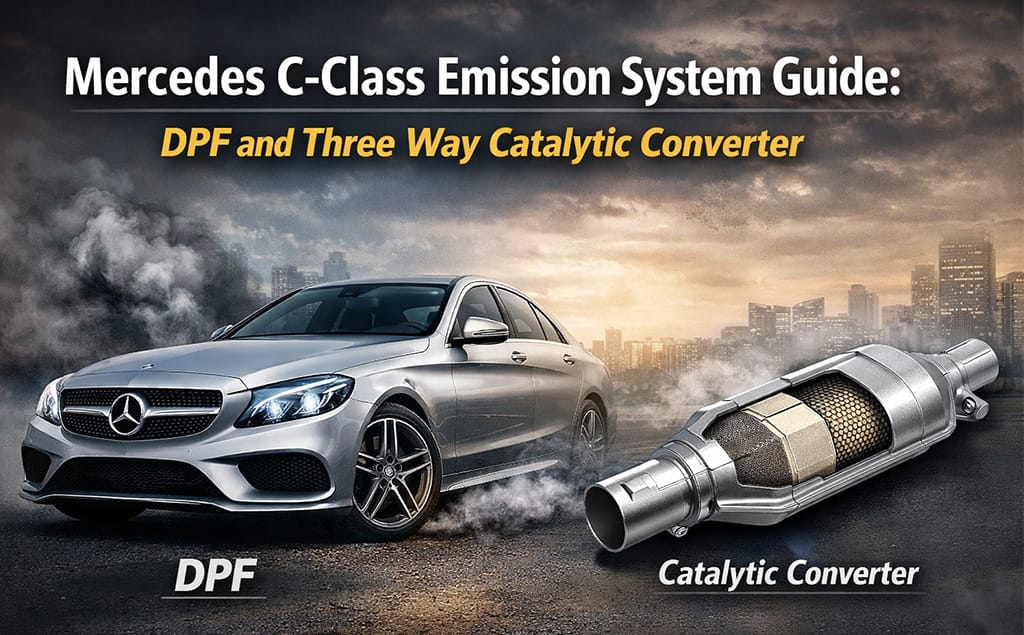
Modern automotive engineering focuses heavily on reducing harmful emissions. The Mercedes C-Class represents a peak of German luxury and performance. However, these vehicles require sophisticated exhaust aftertreatment systems to meet global standards. Diesel models utilize a Diesel Particulate Filter (DPF) to capture soot. Gasoline models rely on a 3원 촉매 변환기 to neutralize toxic gases. Both components are essential for engine health and environmental protection. This guide provides a scientific analysis of these systems. We examine how they function and why they fail. We also offer strategies to maintain your vehicle’s performance. Understanding these technologies helps you avoid expensive repairs and keeps your Mercedes running efficiently.
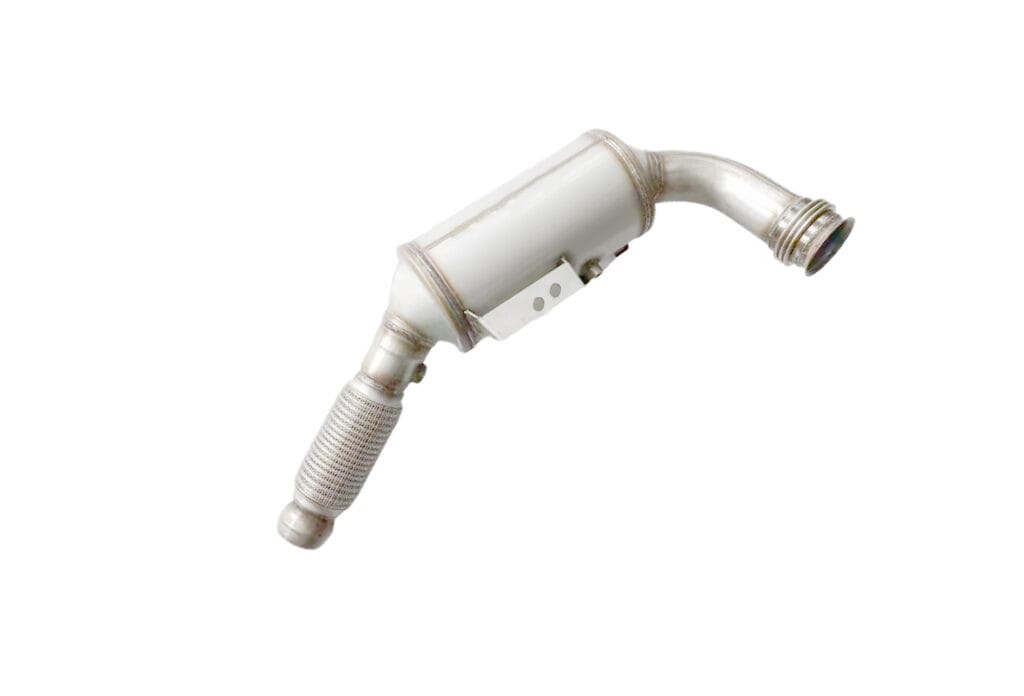
삼원 촉매 변환기의 공학
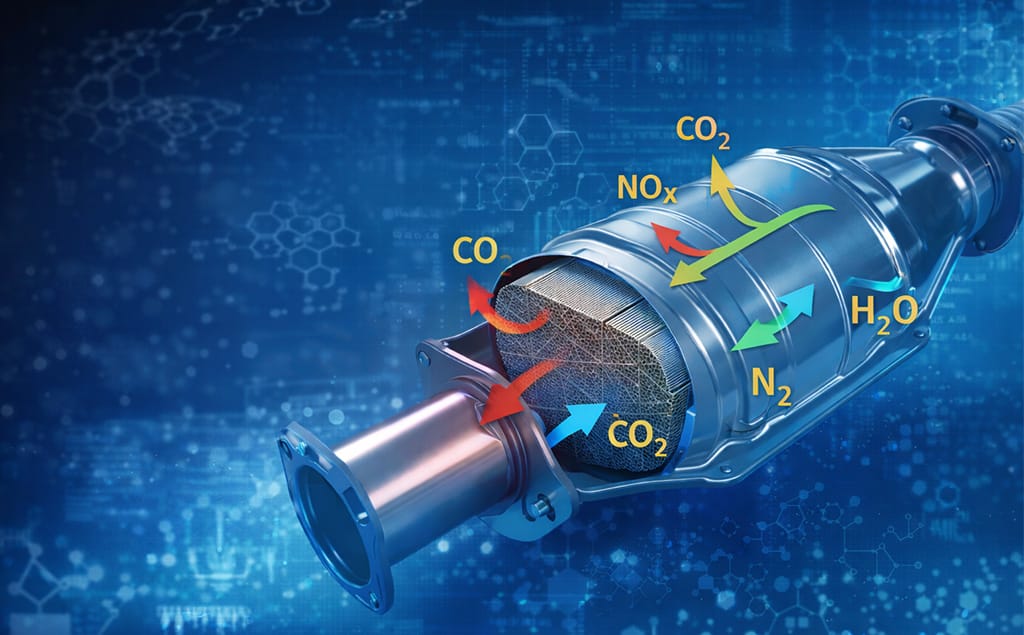
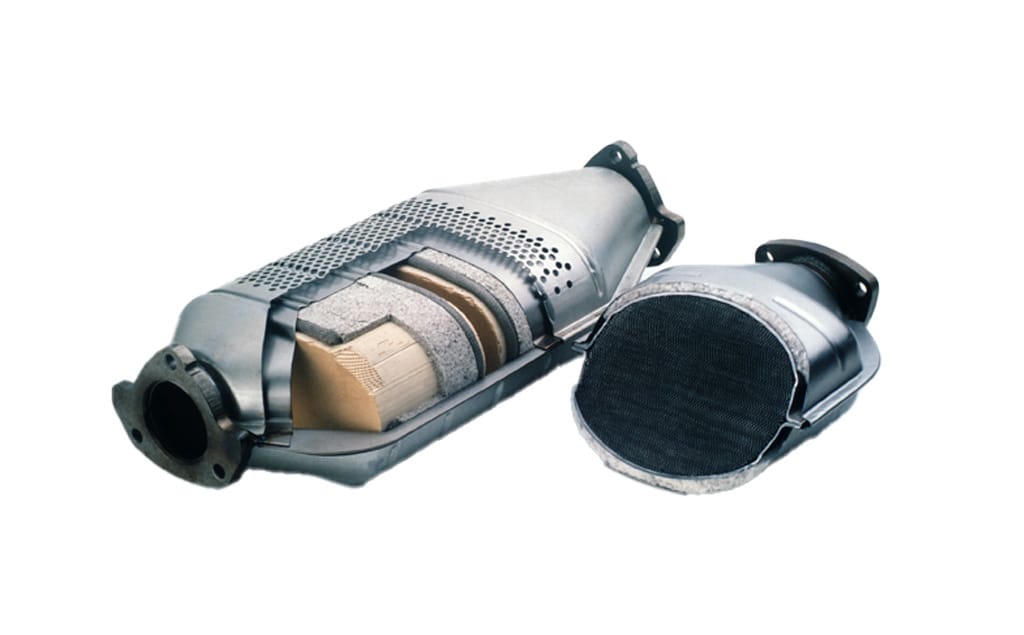
그만큼 3원 촉매 변환기 serves as the primary emission control device for gasoline engines. It performs three vital chemical tasks simultaneously. Engineers design these units with a ceramic or metallic honeycomb structure. This structure provides a massive surface area for chemical reactions.
A thin layer of precious metals covers this internal substrate. These metals usually include platinum, palladium, and rhodium. Platinum and palladium act as oxidation catalysts. They convert carbon monoxide and unburnt hydrocarbons into carbon dioxide and water vapor. Rhodium acts as a reduction catalyst. It breaks down nitrogen oxides into harmless nitrogen and oxygen.
그만큼 3원 촉매 변환기 only operates effectively when the engine reaches a specific temperature. This is known as the light-off temperature. In a Mercedes C-Class, the engine management system carefully monitors this process. It uses oxygen sensors to maintain a precise air-fuel ratio. This balance ensures the 3원 촉매 변환기 can process all three pollutants at once. If the catalyst fails, the vehicle will fail emissions tests and lose power.

Understanding the Diesel Particulate Filter Mechanism
Diesel engines produce particulate matter or soot during combustion. The Diesel Particulate Filter (DPF) physically traps these solid particles. Unlike a 3원 촉매 변환기, which mainly processes gases, the DPF acts as a physical barrier. It features a wall-flow monolith design. Exhaust gases pass through porous walls, while the soot remains trapped inside the channels.
The DPF can capture over 95% of harmful soot. However, the filter has a finite capacity. It eventually fills with carbon deposits. A full DPF creates high backpressure in the exhaust system. This backpressure reduces engine efficiency and can damage the turbocharger. To prevent this, the Mercedes C-Class performs a cleaning process called regeneration. Regeneration burns off the trapped soot and converts it into a tiny amount of ash.
The Science of Catalyst Substrates and Washcoats
효율성 3원 촉매 변환기 depends on its substrate and washcoat. The substrate is the physical skeleton of the converter. Most Mercedes vehicles use a ceramic cordierite substrate. This material handles high thermal shocks without cracking.
The washcoat is a mixture of aluminum oxide and other materials. It creates a rough surface on the substrate. This roughness increases the active surface area significantly. A larger surface area allows more exhaust molecules to contact the precious metals. This maximizes the conversion rate of pollutants. High-quality 3원 촉매 변환기 units use advanced washcoat technology to ensure longevity. Cheap aftermarket versions often have thin washcoats. These units fail quickly because they lack enough precious metal to sustain the chemical reactions.
Active vs. Passive Regeneration Processes
The Mercedes C-Class uses two methods to clean the DPF. Passive regeneration occurs during high-speed driving. When you drive on a motorway, the exhaust naturally reaches high temperatures. These temperatures are sufficient to oxidize the soot. The process happens automatically without ECU intervention.
Active regeneration occurs when the car detects a high soot load but lacks the heat for passive cleaning. The Engine Control Unit (ECU) adjusts the fuel injection timing. It injects a small amount of fuel during the exhaust stroke. This fuel burns in the 3원 촉매 변환기 or the DPF inlet. This process raises temperatures to 600 degrees Celsius. The heat incinerates the soot. Active regeneration usually takes 10 to 15 minutes. Interruption of this cycle is the leading cause of DPF failure in urban environments.
Technical Comparison of Exhaust Components
| Component Feature | 3원 촉매 변환기 | 디젤 미립자 필터(DPF) |
|---|---|---|
| 주요 기능 | Chemical Gas Conversion | Physical Particle Filtration |
| 활성 물질 | 백금, 팔라듐, 로듐 | Cordierite, Silicon Carbide |
| Waste Product | Carbon Dioxide, Nitrogen, Water | Ash (Non-combustible) |
| 청소 방법 | Self-cleaning through heat | Active and Passive Regeneration |
| 일반적인 실패 | Contamination or Melting | Soot Blockage or Ash Accumulation |
| 연료 유형 | 휘발유/가솔린 | Diesel / ULSD |
Common Problems and Warning Signs
Exhaust components are durable but not invincible. Several factors can lead to the failure of a 3원 촉매 변환기 or a DPF.
- Short Distance Driving Many Mercedes owners use their cars for short city trips. The engine never reaches its optimal operating temperature. Consequently, the 3원 촉매 변환기 cannot start its chemical reactions. The DPF also fails to initiate regeneration. This leads to rapid soot accumulation and eventual blockage.
- Lubricant Contamination Engine oil significantly impacts exhaust health. Mercedes requires low-ash engine oils (MB 229.31/51/52). Standard oils contain high levels of phosphorus and sulfur. These elements “poison” the 3원 촉매 변환기. They coat the precious metals and stop the chemical reactions. In DPFs, these additives create ash that regeneration cannot remove.
- Fuel System Faults Leaking fuel injectors or a faulty glow plug system can cause issues. Excess fuel enters the exhaust and burns inside the 3원 촉매 변환기. This can cause the ceramic substrate to melt. A melted substrate blocks the exhaust flow entirely. Similarly, poor fuel quality increases soot production, overwhelming the DPF.
The Impact of Backpressure on Engine Performance
Backpressure refers to the resistance against the flow of exhaust gases. A clean 3원 촉매 변환기 or DPF allows gases to flow freely. As a filter blocks, backpressure increases. This forces the engine to work harder during the exhaust stroke.
High backpressure reduces the volumetric efficiency of the engine. It prevents fresh air from entering the combustion chamber effectively. You will notice a significant drop in horsepower. The turbocharger also suffers. The heat and pressure can cause the turbo seals to fail. Monitoring backpressure through diagnostic tools is a key part of Mercedes maintenance. It tells the technician exactly how much life remains in the 3원 촉매 변환기 or DPF.
Diagnostic Indicators and Dashboard Alerts
Your Mercedes C-Class monitors its exhaust system constantly. It uses several sensors to detect problems.
Oxygen Sensors: These sensors monitor the efficiency of the 3원 촉매 변환기. If the converter fails to clean the gases, the Check Engine Light (CEL) activates. You may see error codes like P0420.
Differential Pressure Sensors: These sensors measure the pressure before and after the DPF. A high pressure difference triggers a DPF warning light. An amber light suggests you should drive at high speeds to assist regeneration. A red light indicates a severe blockage.
Exhaust Temperature Sensors: These ensure the system reaches the correct heat for regeneration. They also protect the 3원 촉매 변환기 from overheating. If these sensors fail, the ECU may disable regeneration entirely to protect the engine.
Preventative Maintenance Strategies
You can extend the life of your 3원 촉매 변환기 and DPF through smart habits.
Adopt Better Driving Routines: Include a 30-minute motorway journey at least once every two weeks. Maintain a steady speed above 40 mph. This provides the ideal conditions for the system to clean itself.
Use Approved Fluids: Only use Mercedes-Benz approved engine oils. These low-SAPS (Sulfated Ash, Phosphorus, and Sulfur) oils are mandatory. Also, use high-quality Ultra-Low Sulfur Diesel (ULSD). Quality fuel produces less soot during combustion.
Address Engine Lights Immediately: Never ignore a dashboard warning. A minor sensor fault can quickly lead to a total DPF or 3원 촉매 변환기 failure. Early diagnosis is much cheaper than component replacement.
Professional Recovery and Cleaning Methods
Sometimes, driving cannot fix a blocked system. Professionals use specialized tools for recovery.
Forced Regeneration: A technician uses a scan tool to start a stationary regeneration. The ECU manages the engine speed to create high heat. This is a common fix for moderately blocked DPFs.
Chemical Cleaning: Specialists inject cleaning agents directly into the DPF or 3원 촉매 변환기 housing. These chemicals break down the soot and ash bonds. The technician then flushes the system.
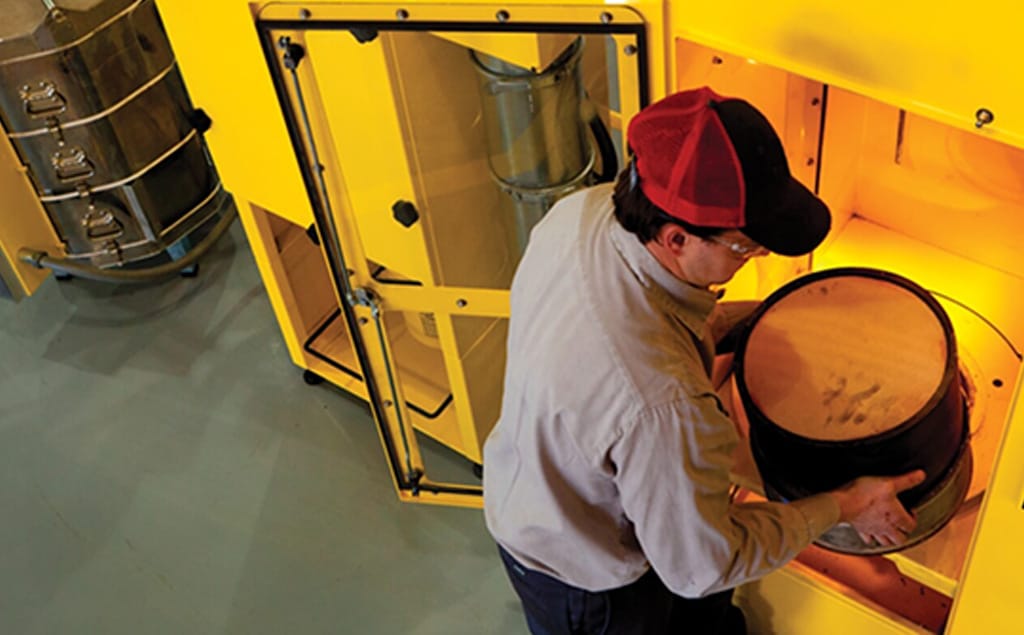
Ultrasonic Cleaning: This is the most effective method for high-ash filters. The technician removes the DPF and places it in an ultrasonic bath. High-frequency sound waves remove even the most stubborn deposits. This process can restore a 3원 촉매 변환기 or DPF to nearly new condition.
결론
The exhaust system of a Mercedes C-Class is a marvel of chemistry and physics. The 3원 촉매 변환기 and DPF play crucial roles in maintaining performance and protecting the environment. Owners must respect the maintenance requirements of these components. Use the correct oils and fuels. Allow the vehicle to complete its regeneration cycles. By understanding the science behind these systems, you ensure your Mercedes remains a high-performance machine. Regular maintenance prevents the high costs associated with replacement. A healthy exhaust system results in a cleaner, faster, and more efficient vehicle.a