pengenalan
Tightening peraturan pelepasan. Volatile precious metal prices. Through it all, penukar pemangkin tiga hala recycling remains a cornerstone of the auto industry.EVs are winning the hype in SE Asia, but gas and hybrids still win the roads. Inevitably, millions of these units will age out and funnel directly into the recycling pipeline.
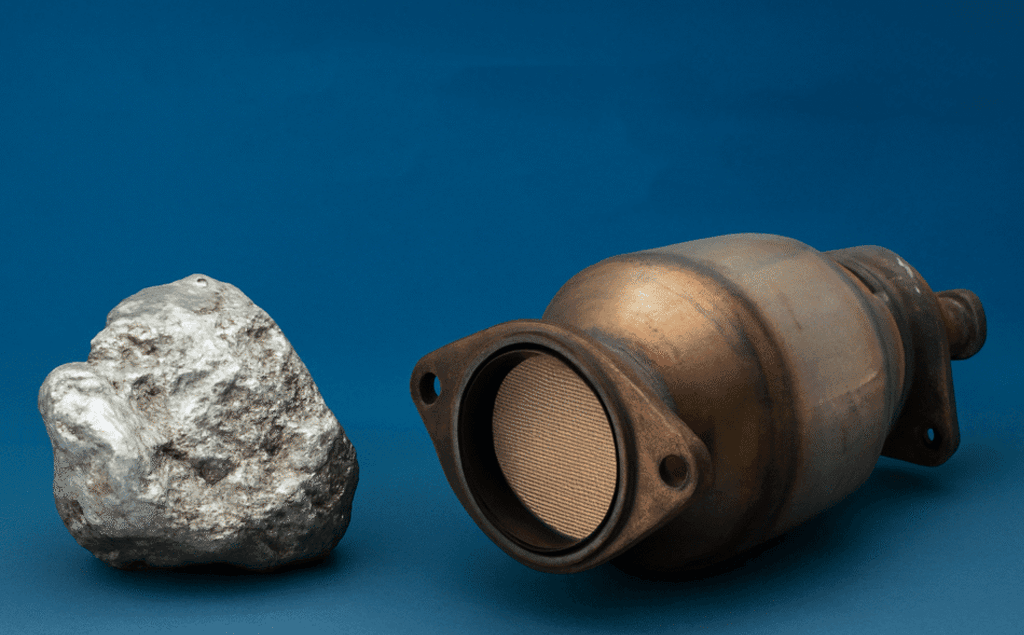
What most people miss is that spent converters are sitting on a goldmine of platinum, palladium, and rhodium.Mining these metals is a money pit. That’s why the real investment is shifting toward recycling.Recycling does more than save waste—it routinely beats fresh mining as a sustainable route for sourcing precious metals.
Here is a breakdown of how catalytic converter recycling works,what three way catalytic converter actually drives the value of your scrap, and where the market is headed as EVs take over.
Why Catalytic Converter Recycling Still Matters
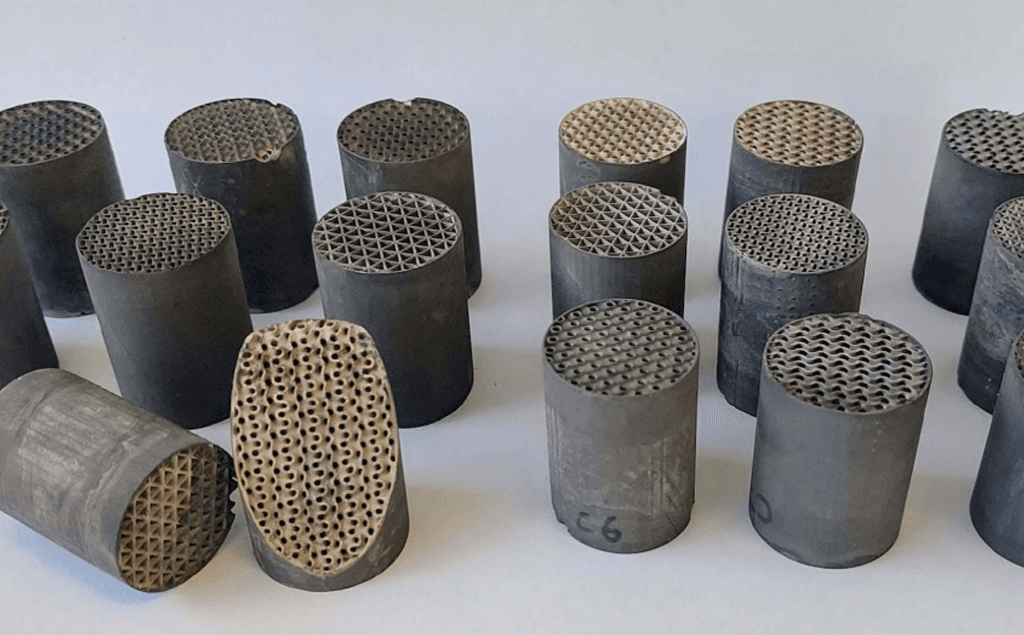
Most people see a penukar pemangkin tiga hala as just another exhaust component. Recyclers see something different. What is inside a three way catalytic converter?The real work happens on that ceramic or metal substrate inside, which is packed with precious metals to clean up the exhaust.
That’s where the magic happens: these metals clean up the exhaust by stripping the harm out of CO, hydrocarbons, and nitrogen oxides right inside the converter.
Recovering these materials offers several benefits:
- Reduces demand for newly mined precious metals
- Supports environmental sustainability
- Keeps valuable resources in circulation
- Creates additional value from end-of-life vehicles
- Supplies raw materials for future manufacturing
The reality is that logam kumpulan platinum remain in high demand across several industries. The auto industry still gobbles up most of the world’s supply, but electronics, chemical processing, and the new hydrogen boom are all competing for the exact same metals.
For that reason alone, penukar pemangkin tiga hala recycling is unlikely to disappear anytime soon.
How the Catalytic Converter Recycling Process Works
On paper, the recycling process looks straightforward. In reality, every step affects the final value of the material being recovered.
Collection
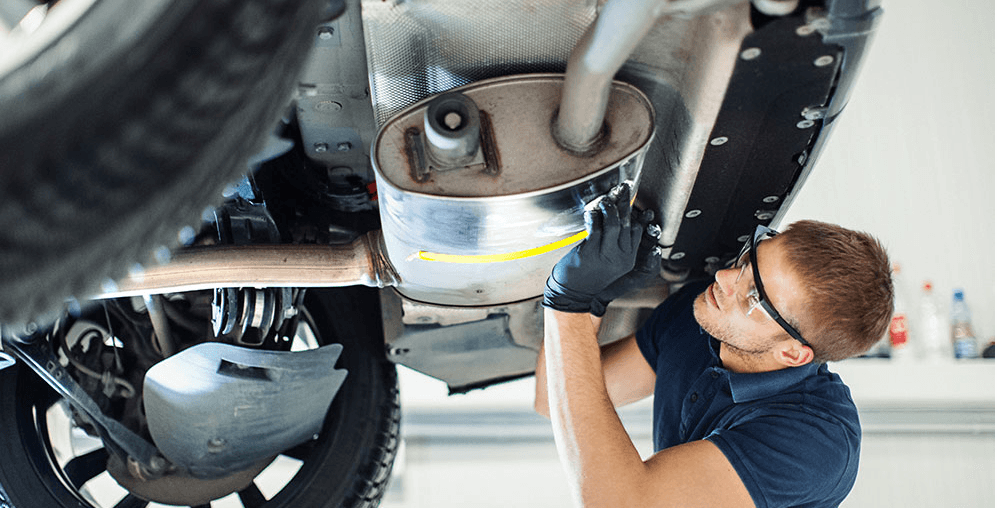
Recyclers establish their raw supply at the source, acquiring scrap units directly from repair bays, dismantlers, fleet operations, and junkyards. Scale is everything. Some setups handle a mere handful of converters at a time—major recyclers process thousands every single month.
Decanning
After collection, workers remove the outer steel shell. This stage is commonly known as decanning.
Once the shell is opened, the ceramic honeycomb or metallic substrate becomes accessible. This internal material contains the precious metals recyclers are looking for.
Material Processing
The substrate is crushed into a fine powder.
This step helps create a more uniform material. Since precious metals are not always distributed evenly, recyclers need a consistent sample before testing begins.
Sampling and Analysis
From a recycler’s perspective, this is the most important stage of the process.
Many sellers assume weight determines value. In reality, precious metal content matters far more.
Professional laboratories use analytical methods such as XRF and ICP testing to determine the concentration of platinum, palladium, and rhodium within the material.
The results form the basis of the final valuation.
Refining
After testing, the material moves to a refinery where precious metals are extracted and purified.
The recovered metals then return to global supply chains and may eventually be used in a new penukar pemangkin tiga hala or another industrial product.
What Determines Catalytic Converter Scrap Value?
One of the biggest misconceptions in the market is that all catalytic converters have roughly the same value.
That is rarely true.
Several factors influence penukar pemangkin tiga hala scrap prices.
| Faktor | Impact on Value |
|---|---|
| Platinum, Palladium & Rhodium Content | Sangat Tinggi |
| Vehicle Make and Model | tinggi |
| Current Precious Metal Prices | tinggi |
| Converter Condition | Sederhana |
| Volume Being Sold | Sederhana |
Pemuatan Logam Berharga
The amount of platinum, palladium, and rhodium inside the converter remains the biggest pricing factor.
Two converters may look identical from the outside but contain completely different metal loadings.
Jenis Kenderaan
Converters from different manufacturers often use different catalyst formulations.
A converter from a luxury vehicle may contain considerably more precious metal than one from a smaller economy car.
Hybrid vehicles can also carry surprisingly strong values due to stricter emissions requirements.
Market Conditions
Scrap prices move with precious metal markets.
When palladium or rhodium prices rise, catalytic converter values often increase as well. When metal prices fall, converter prices usually follow.
This is one reason why scrap values can change frequently throughout the year.
Physical Condition
Complete converters generally attract stronger offers than damaged units.
Although recyclers can still process damaged material, additional handling may be required.
Common Misunderstandings About Used Catalytic Converter Prices
Over the years, several myths have become common within the recycling industry.
The first is that heavier converters are always worth more.
Weight alone tells very little about the amount of precious metal inside. A smaller converter with higher rhodium content may easily outperform a heavier unit in terms of value.
Another misconception is that appearance indicates price.
What many sellers don’t realize is that the outer shell reveals almost nothing about the catalyst coating inside. Professional testing remains the only reliable way to determine actual value.
There is also a belief that all converters fall within a similar price range.
In practice, values can vary significantly. Depending on metal content and market conditions, some units may be worth less than $50 while others can exceed $1,000.
That is why model identification and laboratory analysis have become standard practice across the industry.
How EV Adoption Is Changing the Industry
Electric vehicles continue to attract investment across Singapore, Malaysia, Thailand, and many other markets.
Since EVs do not use catalytic converters, some people assume the recycling industry will gradually disappear.
The reality is more complicated.
Internal combustion vehicles still dominate most roads today. Even with steady EV growth, millions of gasoline-powered vehicles will remain in service for many years.
Those vehicles will eventually generate a large supply of catalytic converter scrap.
Hybrid vehicles create another interesting situation. Unlike fully electric vehicles, hybrids still rely on a penukar pemangkin to meet emissions requirements. In some cases, hybrid converters contain higher levels of precious metals than conventional vehicles.
As a result, recyclers continue to see strong demand for hybrid catalyst material.
While EV adoption will influence future supply, the transition is expected to be gradual rather than sudden.
How to Maximize Catalytic Converter Value
Whether you are a workshop owner, dismantler, or scrap dealer, a few simple steps can help improve returns.
First, identify the converter correctly whenever possible. Part numbers and vehicle information help recyclers estimate value more accurately.
Second, work with established recycling companies that offer transparent testing procedures.
Third, avoid relying solely on visual inspections. Proper analysis provides a much clearer picture of actual metal content.
Finally, pay attention to precious metal markets. Depending on market conditions, timing can have a noticeable impact on the final payout.
Vetted suppliers prioritize lasting strategic alliances with recyclers over immediate, one-off gains.Over time, transparency and consistency often deliver better results.
Kesimpulan
Catalytic converter recycling remains an essential part of the automotive recycling industry. Every penukar pemangkin tiga hala contains valuable platinum group metals that can be recovered and reused instead of being lost as waste.
The process involves collection, decanning, material preparation, testing, and refining. While the steps may appear simple, accurate sampling and analysis play a major role in determining value.
The EV transition is well underway, but the road is long—gas and hybrid vehicles will remain a dominant source of recycling feedstock well into the future. Concurrently, appetite for platinum, palladium, and rhodium remains robust across a diverse range of industrial sectors.
To win in a volatile market, suppliers must start with the basics: understanding the recycling pipeline. Get that right, and maximizing scrap value becomes seamless.