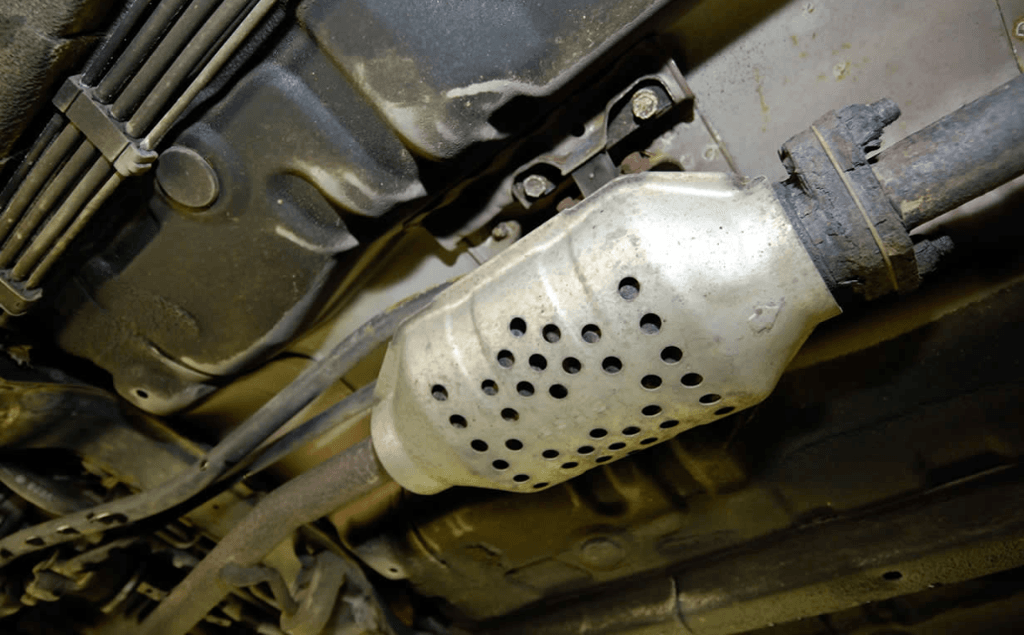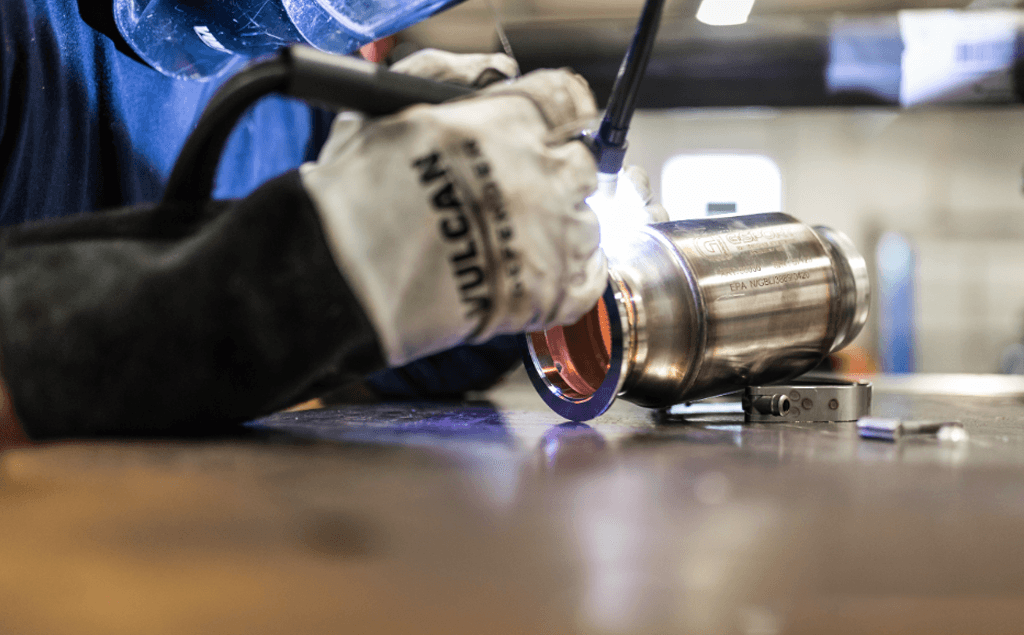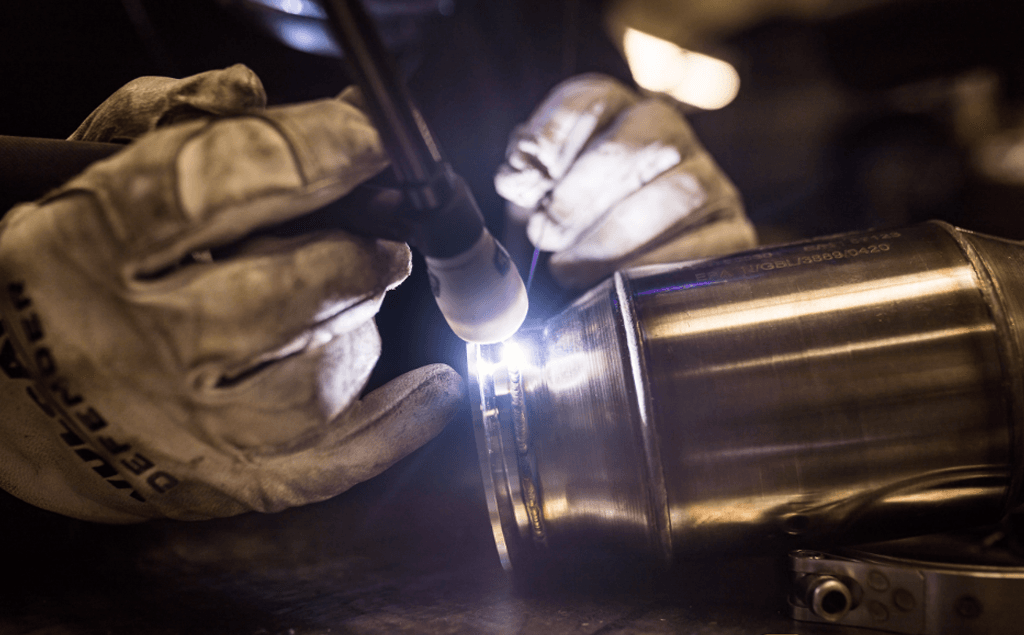
Internal combustion engines rely on fuel combustion. The dark side of this process is the immediate release of toxic exhaust. Modern vehicles rely heavily on the katalizator trójdrożny to mitigate this environmental threat. While many people view a spent katalizator trójdrożny as mere scrap automotive waste, its true worth lies deep within its internal structure.
The steel outer shell encloses a highly valuable core. This core contains precious platinum group metals (PGMs), specifically platinum, palladium, and rhodium. These rare elements are critical chemical catalysts. Their job is clear: neutralize toxic vehicle emissions before they ever escape into the open air. Collecting spent units represents only the initial step of a much larger economic cycle. Collection is just baseline logistics. The true financial and industrial payoff only triggers inside a professional precious metals refinery. This is the exact milestone where real value materializes. Through elite metallurgy, scientific chemistry, and ironclad lab analysis, end-of-life vehicle scrap evolves into pure, liquid-ready market assets.
Understanding how refineries operate, why their specialized workflows matter, and how they calculate accurate financial payouts empowers industrial recyclers to make profitable choices. This comprehensive guide details the inner workings of katalizator trójdrożny recycling and explains how modern technology extracts maximum value from automotive exhaust components.
Defining the Precious Metals Refinery
Precious metal refineries are specialized industrial plants. Their sole mission is to take complex scrap and systematically extract, separate, and refine its most valuable elements. In the context of three way catalytic converter recycling, these facilities focus their technical infrastructure on extracting precious group metals from ceramic or metallic honeycombs.
These internal structures carry a variety of base metals, iron oxides, and carbon contaminants that require systematic removal. Refineries differ fundamentally from local scrap yards or regional collection hubs. While a standard scrap yard buys materials based on broad visual estimates, a true refinery utilizes chemical and physical extraction processes to determine and isolate the exact elemental composition of the delivered cargo.
Scrap Processors vs. Refineries vs. Toll-Refiners
The recycling supply chain relies on three distinct types of business entities. Each entity performs a specific function, carries a unique cost structure, and handles the material differently.
Scrap Processors
Scrap processors manage the bulk collection, sorting, logistics, and initial physical preparation of spent exhaust parts. Their primary industrial task centers on “decanning.” Decanning involves using mechanical hydraulic shears to cut open the steel outer shell of the three way catalytic converter. This process frees the internal ceramic monolith or metallic honeycomb block from its casing. Processors do not chemically refine the material themselves. Instead, they consolidate the loose ceramic substrate into large commercial batches.
Precious Metals Refineries
Think of a precious metals refinery as the ultimate heavy-duty laboratory. Its entire layout is tailored to rescue, sort, and polish high-value elements out of the most challenging scrap materials. Refineries possess the advanced technology required to melt ceramics or dissolve metals in concentrated acids. They purchase the prepared substrate or process it through specialized financial agreements, turning raw scrap into pure elemental sponge, powder, or metal ingots.
Toll-Refiners
A toll-refiner operates on a service-fee model rather than an outright purchase model. Instead of buying the three way catalytic converter scrap from the recycler, the toll-refiner processes the ceramic substrate on behalf of the customer for a set processing fee (or “toll”).
After stripping out the pure platinum, palladium, and rhodium, the choice is entirely yours. You can either take physical delivery of your high-purity metals or have the refinery trade them on the open market exactly when you tell them to. Toll-refiners determine material value by utilizing industry-standard X-ray Fluorescence (XRF) and Inductively Coupled Plasma (ICP) technologies. This business model operates on three core principles. It demands complete transparency. It relies on flawless laboratory assays. And it delivers direct payouts based on the exact weight of your recovered metal.
The Lifecycle of Recycled Catalytic Converters
Once a recycler collects a shipment of katalizator trójdrożny units, the material moves through a highly organized preparation workflow to ensure precise valuation.
First, operators feed the converters into automated decanning machines. These machines strip away the steel shielding and insulation blankets, isolating the fragile ceramic monolith.
Next, industrial hammer mills and ball mills crush the ceramic substrate into an extremely fine, flour-like powder. The refinery then moves this powder into a blending chamber for thorough homogenization. Homogenization mixes the entire batch evenly to ensure that a small laboratory sample accurately represents the exact metal concentration of the multi-ton shipment.
Without this critical step, uneven metal distribution within the ceramic would skew laboratory results. A single unblended sample can easily underrepresent high-grade material or inflate the worth of a low-grade batch. This analytical blind spot triggers unfair financial risks for both buyers and sellers. After achieving perfect uniformity, automated systems extract small, precise samples for laboratory testing while packaging the remaining bulk powder for secure refining.
How the Precious Metals Refining Process Works
The actual refining stage requires intense thermal energy and complex chemical reactions to completely isolate PGMs from base materials. Refineries choose between two primary operational methodologies depending on their scale, equipment, and material types.
Pyrometallurgical Refining (Smelting)
This pyrometallurgical approach relies on ultra-high temperatures inside an electric arc furnace or blast furnace. Workers start by blending the homogenized converter powder. They add specific chemical fluxes into the mix. Then, they introduce a collector metal like copper or iron to trap the PGMs. The furnace heats the mixture beyond $1200^\circ\text{C}$.
At this temperature, the ceramic components melt to form a lightweight slag, while the heavy precious metals bond with the collector metal and sink to the bottom of the furnace. Workers tap the furnace to separate the molten layers, effectively isolating the precious metals from the valueless ceramic waste.
Hydrometallurgical Refining (Chemical Dissolution)
Ten hydrometallurgical method avoids high-temperature melting. Instead, it relies on strong liquid acids to selectively dissolve the target elements. Technicians submerge the fine katalizator trójdrożny powder in an acidic solution, often containing an aqua regia mixture (a combination of hydrochloric acid and nitric acid).
The acid selectively dissolves the platinum, palladium, and rhodium into a liquid solution while leaving behind insoluble ceramic materials. Chemical filtration techniques then separate the metal-rich liquid from the solid waste particles.
How Refineries Isolate Platinum, Palladium, and Rhodium
Every individual PGM exhibits distinct chemical properties and reacts differently during the separation process. Because these elements possess unique electron configurations, they require specific chemical reagents to precipitate out of a mixed solution.
| Metal szlachetny | Chemical Behavior in Refining | Primary Industrial Forms | Key Vehicle Application |
|---|---|---|---|
| Platyna | Moderately reactive; precipitates efficiently using ammonium chloride. | Sponge, powder, ingots | Diesel emissions control |
| Paladium | Highly reactive in acids; dissolves quickly and precipitates via ammonia tracking. | Industrial powder, grain | Gasoline emissions control |
| Rod | Extremely unreactive; resists standard acids and requires multi-stage treatment. | Fine powder, chemical compounds | Nitrogen oxide ($NO_x$) reduction |
Selective chemistry allows laboratory technicians to isolate each individual element sequentially. First, they target palladium by adjusting the acidity and adding specific chemical compounds to force the palladium out of the liquid solution as a solid salt.
Next, they treat the remaining liquid to isolate the platinum. Rhodium exhibits extreme chemical resistance and requires complex, multi-stage chemical processing to extract completely.
Once isolated, technicians heat the chemical salts to drive off the non-metal components. This leaves behind pure elemental metals. While the general public often associates gold bars with traditional jewelry making, refineries produce PGM products in the form of fine gray powders, porous sponges, or industrial chemical compounds destined immediately for advanced manufacturing sectors.
Technical Analysis: XRF and ICP Assay Methods
Refineries calculate the precise financial value of katalizator trójdrożny shipments by conducting rigorous scientific assays. They never rely on guesswork; instead, they utilize two primary analytical instruments to verify elemental concentrations down to parts per million (ppm).
X-Ray Fluorescence (XRF)
An XRF spectrometer shoots a high-energy X-ray beam directly into the homogenized ceramic powder sample. This beam excites the atoms within the sample, causing them to emit secondary, fluorescent X-rays.
Because every element emits a unique energy signature, the XRF sensor quickly identifies the presence of platinum, palladium, and rhodium. This non-destructive method provides rapid elemental screening within a matter of minutes, offering an excellent baseline evaluation for incoming shipments.
Inductively Coupled Plasma (ICP) Mass Spectrometry
For final financial settlements, refineries rely on ICP analysis due to its extreme quantitative precision. Technicians first dissolve a small, measured sample of the three way catalytic converter powder in hot acid. They then inject this liquid into the ICP instrument, where an argon gas torch heats the solution to approximately $10,000^\circ\text{C}$.
This extreme heat converts the sample into an ionized plasma gas. The instrument then measures the unique light wavelengths emitted by the ions or separates them by their atomic mass. ICP analysis delivers highly accurate, indisputable data regarding the exact concentration of palladium, platinum, and rhodium within the batch.
Refineries evaluate these precise laboratory figures against current global commodities market tickers, such as the London Platinum and Palladium Market (LPPM), to calculate the absolute raw material value. Final financial payouts subtract the refinery’s processing fees, metal recovery margins, and baseline treatment costs. Honest, reputable refineries protect their industry standing by providing clients with clear, repeatable assay data rather than vague percentage estimates.
Environmental and Economic Impacts of PGM Recovery
Precious metal refining serves as a foundational pillar of global industrial sustainability by significantly reducing human reliance on primary mining operations. Extracting raw platinum, palladium, and rhodium from natural underground ores requires massive amounts of energy, intensive open-pit blasting, and harsh chemical concentration processes.
Recovering these exact same metals from a spent katalizator trójdrożny consumes between 90% to 95% less energy than primary mining. This sharp reduction in energy use directly lowers global carbon emissions and prevents thousands of tons of rock waste from damaging natural ecosystems.
Furthermore, these recovered metals extend far beyond automotive emissions control systems. The global electronics industry requires palladium for multi-layer ceramic capacitors, dental clinics use platinum alloys for dental crowns, and chemical plants utilize rhodium mesh as an industrial catalyst.
While fashion jewelers categorize gold purity through the traditional karat system, the refining sector focuses entirely on chemical composition and strict industrial performance. Urban mining keeps valuable materials in active circulation, stabilizes global supply chains, and advances a true circular economy where industries reuse existing waste instead of discarding it into landfills.
Selecting the Ideal Precious Metals Refining Partner
Choosing a refining partner represents a critical business decision that directly impacts a recycling company’s long-term profitability. Recyclers must look beyond marketing claims and actively evaluate potential partners using strict transparency criteria.
- Verified Assay Protocols: Ensure the refinery grants you full access to detailed XRF and ICP laboratory reports, allowing you to review the exact elemental data for your batch.
- Proven Recovery Metrics: Inquire about the refinery’s documented metal recovery percentages to confirm their processing equipment captures maximum PGM content without excessive processing loss.
- Clear Settlement Documentation: Avoid companies that group charges into vague categories. The right partner provides itemized lines detailing crushing fees, sampling costs, and specific metal margins.
- Versatile Material Processing: Choose an organization that possesses the technical capabilities to process both high-grade foreign ceramic monoliths and low-grade domestic metallic foils with equal precision.
A trustworthy refinery acts as a long-term business asset. They provide market insights, strict operational accountability, and consistent financial returns, turning complex automotive scrap into a reliable, predictable revenue stream.
Wniosek
Precious metal refining represents the most vital link within the katalizator trójdrożny recycling lifecycle. Through mechanical decanning, thorough powder homogenization, advanced XRF and ICP laboratory assays, and selective chemical separation, modern refineries successfully transform complex automotive waste into pure, high-value commodities.
For commercial recyclers, a deep understanding of how refineries extract and value these metals creates a distinct competitive advantage. Technical education drives smarter business choices, encourages transparent corporate partnerships, and protects your business from inaccurate payouts. As global industries intensify their focus on resource conservation and environmental efficiency, the recovery of platinum, palladium, and rhodium will continue to grow as a highly profitable and essential segment of the global circular economy.