Catalytic converters are essential components in modern vehicles, responsible for reducing harmful emissions and ensuring compliance with environmental regulations. One of the most critical aspects of their function is the use of precious metals like platinum, palladium, and rhodium, which facilitate the chemical reactions necessary for emissions control. In this blog post, we’ll dive into the role of these metals in catalytic converters, explore why they’re so crucial, and examine the environmental and economic impacts they have. Understanding their importance is not only vital for vehicle owners but also for anyone interested in the future of automotive emissions and environmental protection.
1. What Are Catalytic Converters and Why Are They Important?
A catalytic converter is a crucial component of a vehicle’s exhaust system, designed to reduce the amount of harmful emissions that are released into the atmosphere. The device works by facilitating chemical reactions that transform toxic gases such as carbon monoxide, hydrocarbons, and nitrogen oxides into less harmful substances like carbon dioxide and water vapor. Without a catalytic converter, the harmful pollutants emitted by internal combustion engines would be much higher, contributing to air pollution and climate change.
The importance of catalytic converters cannot be overstated, especially in light of stricter emission standards set by environmental agencies like the U.S. Environmental Protection Agency (EPA). By reducing harmful emissions, catalytic converters play a vital role in protecting air quality and mitigating the effects of global warming.
2. What Role Do Precious Metals Play in Catalytic Converters?
The core function of a catalytic converter is to facilitate the conversion of toxic gases into less harmful substances. Precious metals like platinum, palladium, and rhodium are essential for this process because they act as catalysts in the chemical reactions within the converter. Catalysts speed up the reaction without being consumed in the process, allowing the catalytic converter to process exhaust gases efficiently and continuously.
These metals are chosen for their ability to withstand the extreme conditions inside the converter, where high temperatures and chemical reactions occur. Their ability to remain stable and effective over time is key to maintaining the performance of a catalytic converter.
3. How Do Platinum, Palladium, and Rhodium Work in Catalytic Converters?
Platinum, palladium, and rhodium work together to enable the conversion of harmful exhaust gases into less toxic substances.
- Platinum is primarily used in the oxidation reactions within the catalytic converter. It helps to convert carbon monoxide into carbon dioxide and hydrocarbons into water vapor. Platinum is highly effective at speeding up these reactions, even under the extreme conditions inside the converter.
- Palladium is also involved in oxidation reactions, particularly with hydrocarbons and carbon monoxide. It assists in breaking down these harmful substances and converting them into less harmful gases.
- Rhodium is unique in that it plays a key role in the reduction of nitrogen oxides (NOx). Nitrogen oxides are a major pollutant, contributing to smog and acid rain. Rhodium helps convert these harmful gases into nitrogen and oxygen, which are much less harmful to the environment.
Together, these precious metals ensure that the catalytic converter can effectively reduce harmful emissions from the exhaust system, enabling vehicles to meet emission standards and improve air quality.
4. What Chemical Reactions Are Catalyzed by These Metals?
The primary role of the precious metals in a catalytic converter is to catalyze three key chemical reactions:
- Oxidation of Carbon Monoxide (CO): Carbon monoxide, a deadly gas, is oxidized into carbon dioxide (CO₂) by platinum and palladium. This reaction reduces the amount of carbon monoxide released into the atmosphere.
- Oxidation of Hydrocarbons (HC): Hydrocarbons, which are unburned fuel particles, are oxidized into carbon dioxide (CO₂) and water vapor (H₂O). Platinum and palladium play crucial roles in this reaction, ensuring that hydrocarbons don’t escape into the atmosphere.
- Reduction of Nitrogen Oxides (NOx): Nitrogen oxides, which contribute to smog and respiratory problems, are reduced to nitrogen (N₂) and oxygen (O₂) by rhodium. This is one of the most critical reactions for improving air quality and reducing the harmful effects of vehicle emissions.
These reactions are essential for ensuring that a vehicle’s exhaust gases meet environmental standards and contribute to cleaner air.
5. How Do These Precious Metals Help Reduce Harmful Emissions?
The key benefit of platinum, palladium, and rhodium is their ability to reduce the harmful emissions produced by vehicles. By converting harmful gases like carbon monoxide, hydrocarbons, and nitrogen oxides into less harmful substances, these metals enable vehicles to meet emission standards set by regulatory bodies. Without these metals, vehicles would produce much higher levels of pollutants, contributing to air pollution and global warming.
By facilitating the reduction of these emissions, catalytic converters play a crucial role in minimizing the environmental impact of internal combustion engines. They help reduce carbon dioxide, nitrogen oxide, and hydrocarbon emissions, all of which contribute to environmental and health problems.
6. Why Are Rhodium, Palladium, and Platinum So Effective?
These metals are highly effective due to their unique chemical properties.
- Platinum is a great catalyst for oxidation reactions because it can withstand high temperatures and is highly stable. Its ability to promote the conversion of carbon monoxide and hydrocarbons into carbon dioxide and water vapor is essential for reducing harmful emissions.
- Palladium is particularly effective in promoting the oxidation of hydrocarbons and carbon monoxide. Its effectiveness in these reactions makes it an indispensable part of the catalytic converter.
- Rhodium stands out because it is the most efficient metal for the reduction of nitrogen oxides. It can catalyze the conversion of NOx into harmless nitrogen and oxygen, making it invaluable for reducing the most harmful pollutants produced by vehicles.
The combination of these metals allows the catalytic converter to handle a wide range of pollutants, making them more effective than other metals or materials.
7. The Scarcity and Value of Platinum, Palladium, and Rhodium
Platinum, palladium, and rhodium are rare and valuable metals. Rhodium is particularly rare, which is why it is the most expensive of the three. The scarcity of these metals contributes to the high cost of catalytic converters. As environmental regulations become more stringent and the demand for emissions control increases, the value of these precious metals continues to rise.
Their scarcity also makes catalytic converter theft a growing issue. Thieves target the metals inside these converters, which can be sold for high prices. This has led to increased security measures and efforts to prevent theft.
8. How High Temperatures Affect Catalytic Converter Performance
Catalytic converters operate at extremely high temperatures, often exceeding 1,000°F (537°C). Precious metals like platinum, palladium, and rhodium are selected for their ability to withstand these temperatures without losing their catalytic properties. They ensure that the converter continues to work efficiently even under the heat and pressure generated by the engine’s exhaust gases.
The ability to function under these conditions is crucial because internal combustion engines generate heat that would break down less durable materials. The high heat also ensures that the reactions that take place in the catalytic converter happen quickly and efficiently.
9. The Impact of Catalytic Converters on Vehicle Performance and Fuel Efficiency
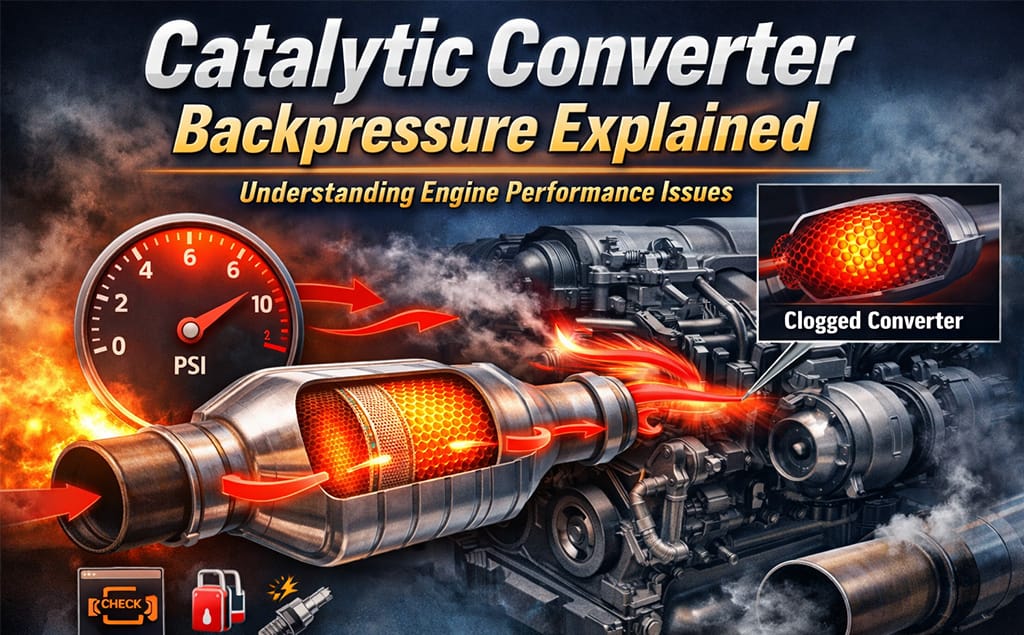
A well-functioning catalytic converter can improve a vehicle’s fuel efficiency and engine performance by ensuring that the exhaust system is working optimally. By reducing the amount of harmful pollutants in the exhaust gases, catalytic converters help the engine run more smoothly. A clogged or malfunctioning catalytic converter, on the other hand, can cause back pressure, reducing engine power and fuel efficiency.
Proper maintenance of the catalytic converter can lead to better vehicle performance, as it ensures the efficient conversion of exhaust gases. When the converter is clogged or damaged, it can lead to poor acceleration, misfires, and decreased fuel economy.
10. Future of Catalytic Converters and the Role of Precious Metals
As we move toward stricter environmental regulations and cleaner technologies, the role of catalytic converters and precious metals will continue to evolve. Advances in automotive technologies and the development of more efficient converters will likely reduce the reliance on precious metals in the future. However, for the time being, platinum, palladium, and rhodium remain crucial for ensuring that vehicles meet emission standards and reduce their environmental impact.
New developments, such as electric vehicles and hydrogen fuel cells, may reduce the need for catalytic converters in the long term. However, until then, these precious metals will remain at the core of the emissions control systems in most vehicles.
Conclusion: Key Takeaways
- Platinum, palladium, and rhodium are essential for the efficient operation of catalytic converters.
- These metals catalyze the conversion of harmful gases like carbon monoxide, hydrocarbons, and nitrogen oxides into safer substances.
- The scarcity and value of these precious metals contribute to the high cost of catalytic converters and have made them a target for theft.
- Catalytic converters play a key role in meeting emission standards and improving air quality.
- The development of cleaner technologies may reduce the need for catalytic converters in the future, but for now, these metals remain vital for reducing vehicle emissions.
By understanding the critical role these metals play, we can better appreciate the importance of maintaining catalytic converters for both vehicle performance and environmental health.