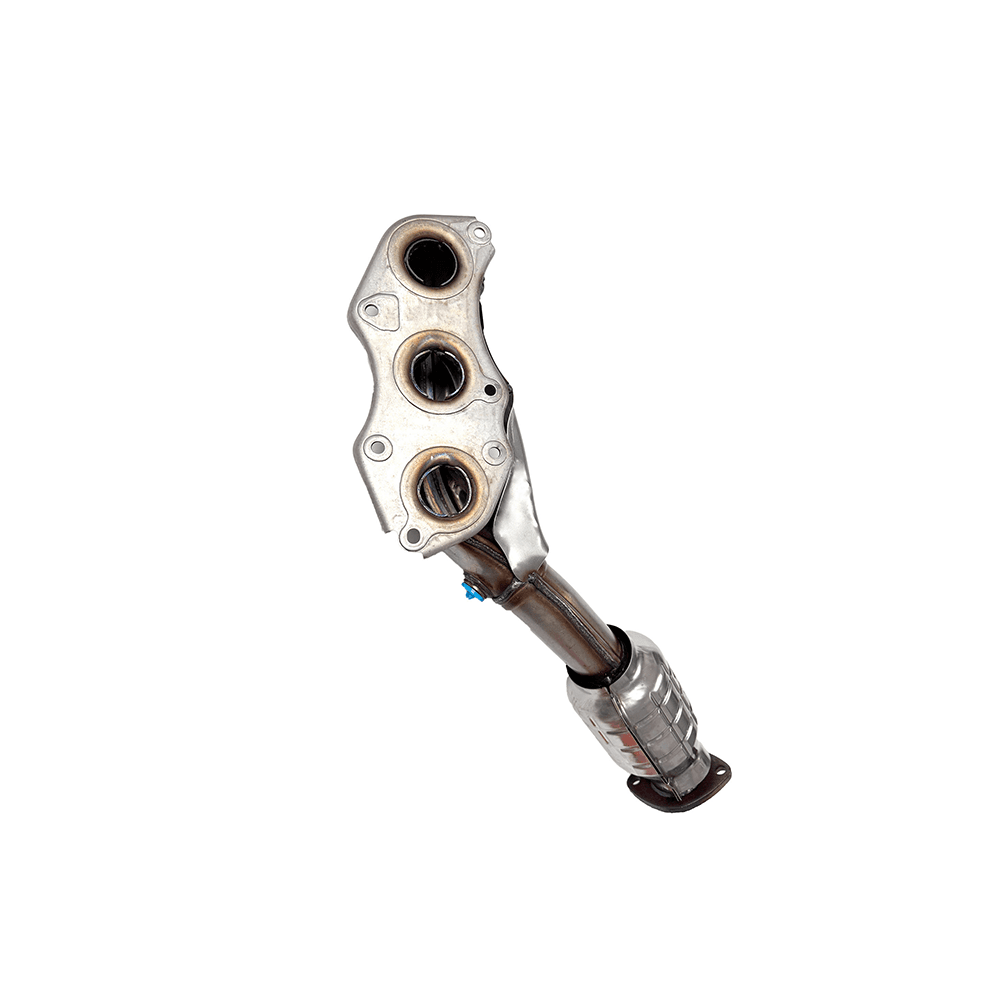


Request a Quote
Send us your product requirements and we’ll reply within 24 hours.
Automotive Catalytic Converters for OEM, Aftermarket and Global B2B Applications
3WayCatalyst supplies automotive catalytic converters for gasoline and other emission-control applications, including three-way, universal, direct-fit and manifold catalytic converters. We support OEM, ODM, replacement and aftermarket projects with application-specific designs, substrate options and catalyst configurations.
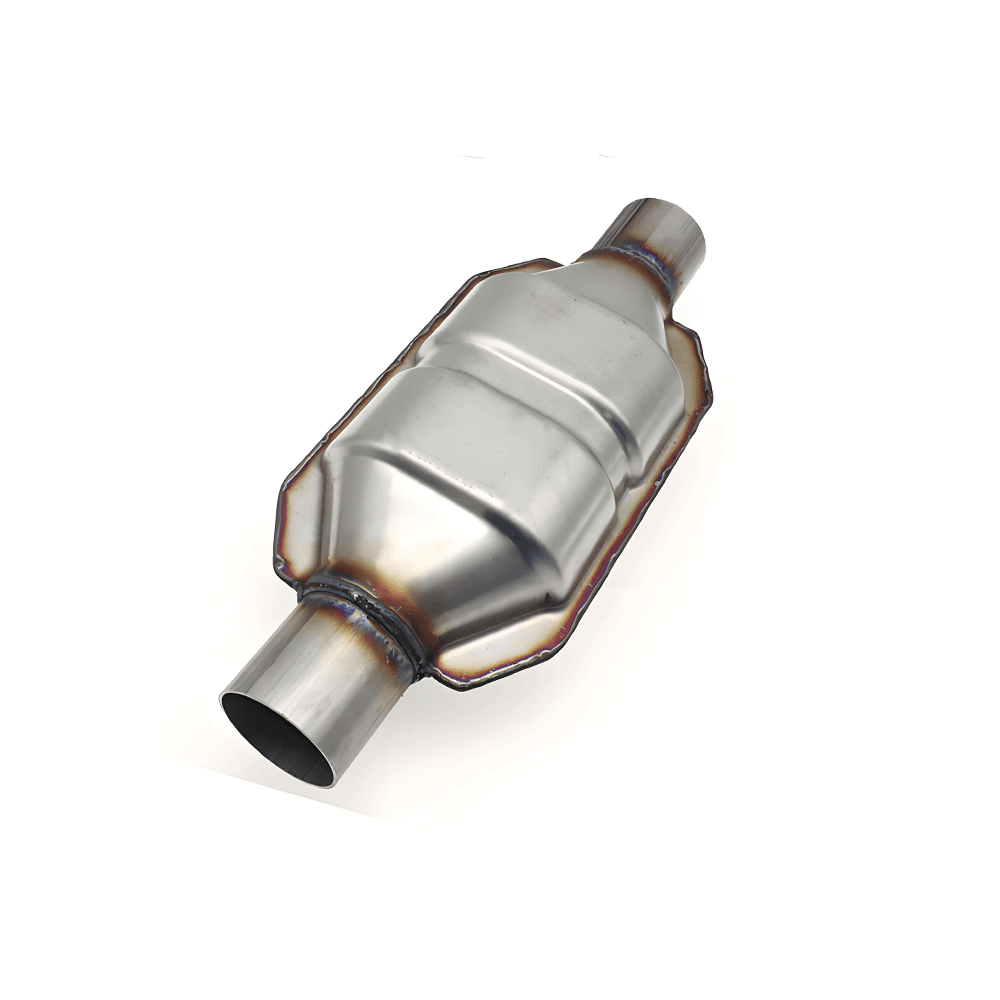

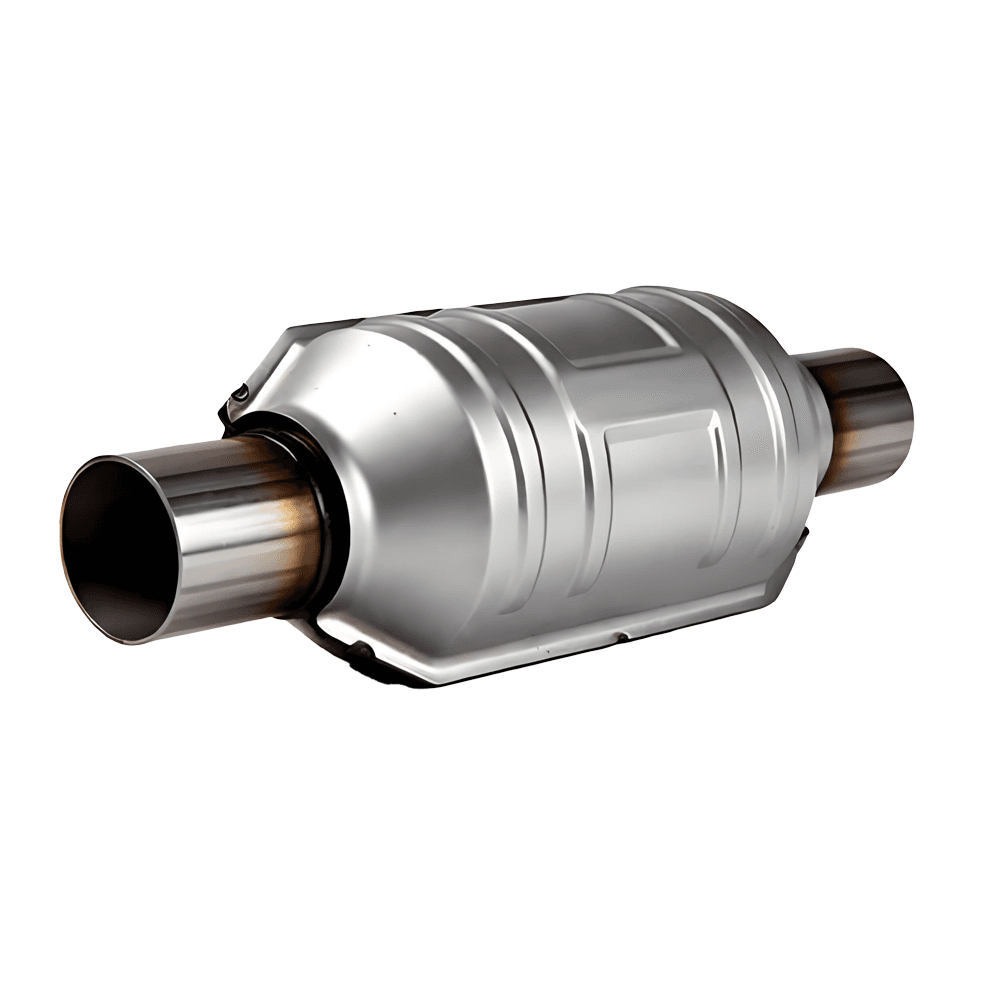
Catalytic converters engineered for performance, emissions compliance, and long-term durability across all engine types.
A catalytic converter is an emission control device installed in a vehicle’s exhaust system. It contains a catalyst-coated substrate that promotes chemical reactions to reduce harmful pollutants in exhaust gas before they are released into the atmosphere.
For gasoline engines, a three-way catalytic converter is commonly used to control carbon monoxide (CO), hydrocarbons (HC), and nitrogen oxides (NOx). The catalyst typically contains precious metals such as platinum (Pt), palladium (Pd), and rhodium (Rh).
The design of a catalytic converter depends on the engine type, fuel, emission standard, exhaust temperature, available installation space and required emission performance. Common configurations include three-way, universal, direct-fit and manifold catalytic converters.
Lorem ipsum dolor sit amet, consectetur adipiscing elit. Ut elit tellus, luctus nec ullamcorper mattis, pulvinar dapibus leo.A catalytic converter works by passing exhaust gases through a catalyst-coated substrate. The substrate provides a large surface area for chemical reactions while allowing exhaust gas to flow through its honeycomb channels.
ใน gasoline three-way catalytic converter, the catalyst promotes oxidation and reduction reactions. Carbon monoxide and hydrocarbons can be oxidized, while nitrogen oxides can be reduced. The resulting gases are primarily carbon dioxide, nitrogen and water vapor, depending on the engine operating conditions and catalyst system.
Catalytic converter performance depends on several factors, including catalyst formulation, precious metal loading, substrate material, cell density, exhaust temperature, gas flow, engine calibration and long-term thermal durability.
For this reason, selecting a catalytic converter should consider the complete vehicle and exhaust application rather than converter size alone.
A typical automotive catalytic converter consists of several key components:
พื้นผิว: A ceramic or metallic honeycomb structure that provides a large surface area for the catalyst.
เสื้อโค้ท: A porous coating applied to the substrate to help distribute and support the catalyst materials.
Precious Metal Catalyst: Platinum, palladium and rhodium are commonly used in gasoline three-way catalyst systems.
Metal Shell: A stainless steel housing that protects the internal catalyst assembly and connects it to the vehicle exhaust system.
Insulation and Mounting Components: Materials used to protect the catalyst from excessive heat and secure it within the housing.
| ส่วนประกอบ | ฟังก์ชั่นหลัก |
|---|---|
| พื้นผิวเซรามิก | Provides a high surface area for catalytic reactions |
| พื้นผิวโลหะ | Provides an alternative substrate structure for specific applications |
| วอชโค้ท | Supports catalyst materials and increases active surface area |
| แพลตตินัม (Pt) | Supports oxidation reactions |
| แพลเลเดียม (Pd) | Supports oxidation reactions |
| โรเดียม (Rh) | Primarily supports NOx reduction in three-way catalyst systems |
| Stainless Steel Shell | Protects the catalyst assembly and connects to the exhaust system |
The appropriate catalytic converter depends on the vehicle application, engine configuration, emission requirements and installation method.
ตัวเร่งปฏิกิริยาสามทาง: Commonly used on gasoline vehicles to control CO, HC and NOx emissions.
ตัวเร่งปฏิกิริยาสากล: Suitable for replacement, repair and custom exhaust applications where a flexible installation configuration is required.
Direct-Fit Catalytic Converter: Designed for a specific vehicle application with matching dimensions, connections and mounting points.
ตัวเร่งปฏิกิริยาท่อร่วม: Integrates the catalytic converter with the exhaust manifold and is positioned close to the engine.
Choosing the correct catalytic converter requires more than matching the overall size. Buyers should verify the vehicle application, engine code, fuel type, emission standard, OE number and exhaust configuration.
For vehicle-specific replacement, the OE number, vehicle model, engine code and connection dimensions are important reference points. For universal applications, buyers should also confirm the inlet and outlet diameter, overall length, substrate specification and available installation space.
For OEM and ODM projects, additional information such as drawings, samples, target emission standards, catalyst requirements and annual volume can help engineers determine the appropriate configuration.
Lorem ipsum dolor sit amet, consectetur adipiscing elit. Ut elit tellus, luctus nec ullamcorper mattis, pulvinar dapibus leo.
| พารามิเตอร์ | Information to Provide |
|---|---|
| Vehicle Make | Toyota, Hyundai, Honda, Kia, etc. |
| รุ่นรถ | Exact model |
| Model Year | Production year |
| เครื่องยนต์ | Engine displacement and engine code |
| ประเภทเชื้อเพลิง | Gasoline or other application |
| มาตรฐานการปล่อยมลพิษ | Euro, EPA, CARB or other applicable standard |
| OE Number | Original equipment reference number |
| ประเภทตัวแปลง | TWC, Universal, Direct-Fit or Manifold |
| Substrate | Ceramic or metallic |
| CPSI | Required cell density |
| Inlet / Outlet | Diameter and connection type |
| ขนาด | Length, width, height or diameter |
| Quantity | Sample, trial order or production volume |
Catalytic converter manufacturing involves multiple stages to ensure consistent dimensions, catalyst performance and product durability.
Ceramic or metallic substrates are selected according to the application, required cell density, exhaust flow and packaging requirements.
A catalyst washcoat is applied to the substrate to provide a suitable surface for the active catalyst materials.
The catalyst formulation and precious metal loading are selected according to the engine type, fuel, emission standard and application requirements.
The coated substrate is positioned inside the converter housing with suitable insulation and retention materials.
The stainless steel shell is formed according to the required dimensions and welded to create a secure exhaust assembly.
Finished catalytic converters are inspected for dimensions, welding quality, appearance and other application-specific quality requirements before shipment.
3WayCatalyst provides catalytic converter solutions for automotive aftermarket, replacement, OEM and ODM applications.
Our product development approach combines application engineering, substrate selection, catalyst configuration and exhaust system design to support different vehicle and emission requirements.
We evaluate vehicle specifications, engine information, OE references and installation requirements to develop suitable catalytic converter configurations.
Available options can include different converter types, substrate structures, dimensions, inlet and outlet configurations, mounting designs and O2 sensor port locations.
Customers can provide OE numbers, drawings, samples, vehicle information or technical specifications for product evaluation and customized development.
Production inspection covers key factors such as dimensions, welding, appearance, substrate installation and finished product consistency according to the applicable product requirements.
We support automotive parts distributors, importers, wholesalers, repair businesses and other B2B customers with product sourcing and customized catalytic converter solutions.
3WayCatalyst is a China-based manufacturer and supplier of automotive catalytic converters and emission control products.
Our catalytic converter range includes three-way catalytic converters, universal catalytic converters, direct-fit catalytic converters and manifold catalytic converters for different vehicle and exhaust applications.
We work with international B2B customers looking for replacement products, aftermarket supply, OEM development and ODM manufacturing. Customers can contact us with OE numbers, vehicle applications, drawings, samples or required specifications for product evaluation.
In addition to catalytic converters, our emission control product range includes ดีพีเอฟ, กบข., DOC, SCR and catalyst substrate solutions.
A catalytic converter reduces harmful pollutants in vehicle exhaust by using catalyst-coated substrates to promote chemical reactions. Depending on the application, it can help control carbon monoxide (CO), hydrocarbons (HC), and nitrogen oxides (NOx).
Common automotive catalytic converter types include three-way catalytic converters, universal catalytic converters, direct-fit catalytic converters and manifold catalytic converters. The appropriate type depends on the vehicle, engine, emission requirements and installation configuration.
A three-way catalytic converter is primarily used on gasoline engines to control carbon monoxide, hydrocarbons and nitrogen oxides. Its catalyst system supports both oxidation and reduction reactions under suitable engine operating conditions.
A universal catalytic converter is designed for flexible installation and may require cutting, welding or other exhaust modifications. A direct-fit catalytic converter is designed for a specific vehicle application with matching connections, dimensions and mounting points.
A typical catalytic converter uses a ceramic or metallic substrate, catalyst washcoat, precious metal catalyst and stainless steel housing. Platinum, palladium and rhodium are commonly used in gasoline three-way catalyst systems.
Verify the vehicle make, model, production year, engine code, fuel type, emission standard, OE number and exhaust configuration. For universal applications, also confirm the substrate specification, inlet and outlet dimensions, overall size and installation requirements.
Yes. OE numbers can be used as an important reference for product identification and development. Customers can provide OE numbers together with vehicle information, drawings or samples so the application can be evaluated before production.
Yes. OEM and ODM support can include product dimensions, substrate selection, catalyst configuration, shell design, inlet and outlet configuration, O2 sensor port position, mounting design and packaging requirements.
For a quotation, provide the vehicle make, model, year, engine code, OE number, required quantity and target market when available. Drawings, samples, photos or technical specifications can also help us evaluate customized requirements.
Yes. Our catalytic converter range supports aftermarket, replacement, repair, OEM and ODM applications. Available configurations include three-way, universal, direct-fit and manifold catalytic converters.
Looking for a catalytic converter for a specific vehicle or aftermarket application?
Send us the vehicle make, model, year, engine code, OE number, required quantity or technical specifications. For customized projects, drawings and samples can also be provided for evaluation.
Our team can review your requirements and recommend a suitable catalytic converter configuration for your application.
แบ่งปันความต้องการด้านการผลิตของคุณ
ระบุข้อมูลจำเพาะพื้นฐาน (การใช้งาน ปริมาตร มาตรฐานการปล่อยมลพิษ) และรับภายใน 24 ชั่วโมงทำการ:

Send us your product requirements and we’ll reply within 24 hours.
Tell us your requirements and our team will help you find the right solution.
✓ Custom sizes and configurations
✓ Ceramic or metallic substrate options
✓ Fast quotation for bulk orders
We usually respond within 24 hours.