การแนะนำ
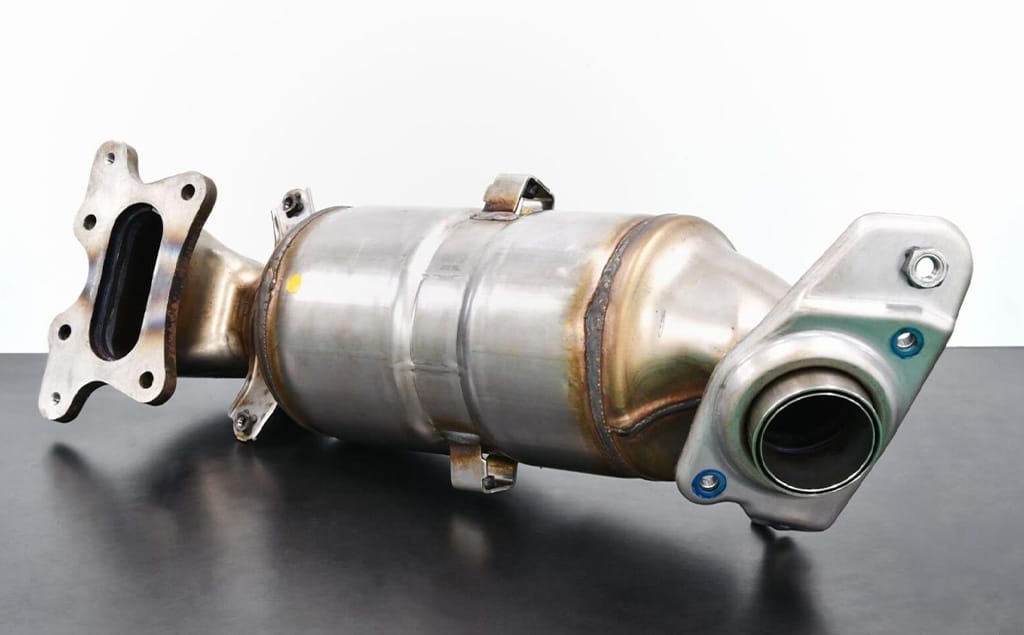
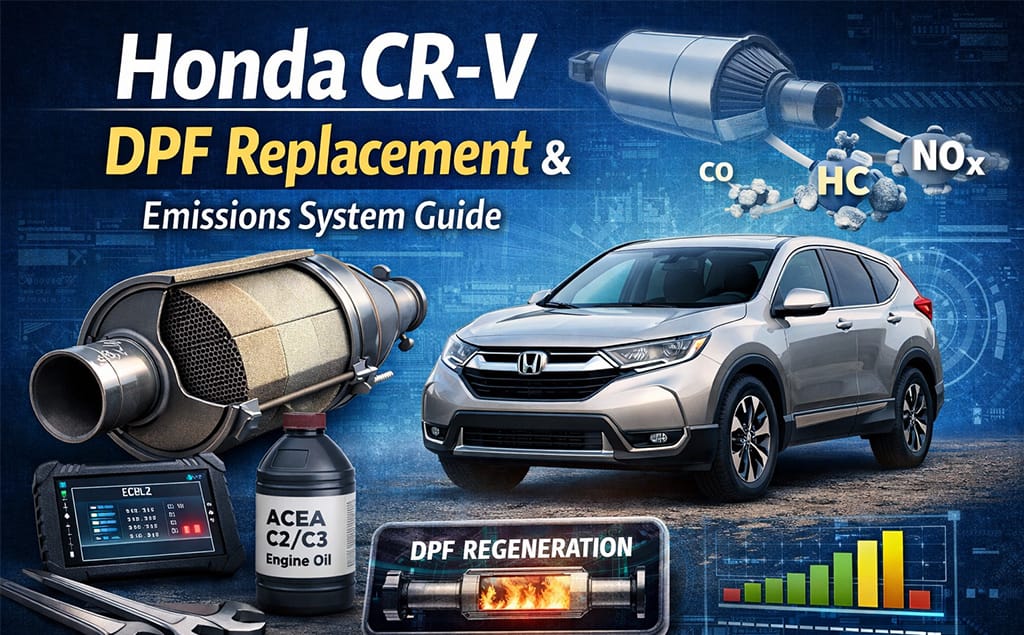
ระบบควบคุมการปล่อยมลพิษของยานยนต์มีบทบาทสำคัญอย่างยิ่งในวิศวกรรมยานยนต์สมัยใหม่ ฮอนด้า ซีอาร์-วี ใช้เทคโนโลยีขั้นสูงเพื่อลดผลกระทบต่อสิ่งแวดล้อมให้เหลือน้อยที่สุด โดยมีส่วนประกอบหลักสองส่วนที่ทำหน้าที่นี้ ได้แก่ ตัวกรองอนุภาคดีเซล (DPF) และ... ตัวเร่งปฏิกิริยาสามทางในขณะที่ DPF ดักจับอนุภาคเขม่าที่เป็นของแข็ง แต่... ตัวเร่งปฏิกิริยาสามทาง ระบบนี้จัดการมลพิษทางอากาศในรูปก๊าซผ่านปฏิกิริยาเคมีรีดอกซ์ การบำรุงรักษาระบบเหล่านี้ช่วยให้เครื่องยนต์มีอายุการใช้งานยาวนานและเป็นไปตามข้อกำหนด คู่มือนี้จะสำรวจรายละเอียดที่ซับซ้อนของการเปลี่ยน DPF และการทำงานร่วมกันกับระบบอื่นๆ ตัวเร่งปฏิกิริยาสามทางและขั้นตอนทางเทคนิคที่จำเป็นสำหรับการบำรุงรักษาอย่างเหมาะสม
วิทยาศาสตร์ของระบบควบคุมการปล่อยมลพิษ
เครื่องยนต์สันดาปภายในก่อให้เกิดผลพลอยได้ที่เป็นอันตรายหลายอย่าง โดยเฉพาะเครื่องยนต์ดีเซลจะสร้างอนุภาคฝุ่นละอองและไนโตรเจนออกไซด์ วิศวกรจึงออกแบบระบบไอเสียเพื่อลดประสิทธิภาพของสารเหล่านี้ก่อนที่จะออกจากท่อไอเสีย
เอ ตัวเร่งปฏิกิริยาสามทาง โดยทั่วไปแล้วจะใช้กับเครื่องยนต์เบนซิน อย่างไรก็ตาม หลักการของปฏิกิริยาออกซิเดชันและรีดักชันสามารถนำไปใช้ได้กับแพลตฟอร์มต่างๆ ตัวเร่งปฏิกิริยาสามทาง ประกอบด้วยโลหะมีค่า เช่น แพลทินัม พัลลาเดียม และโรเดียม โลหะเหล่านี้ทำหน้าที่เป็นตัวเร่งปฏิกิริยา ช่วยในการเปลี่ยนคาร์บอนมอนอกไซด์ให้เป็นคาร์บอนไดออกไซด์ และยังเปลี่ยนไนโตรเจนออกไซด์ให้เป็นไนโตรเจนและออกซิเจนที่ไม่เป็นอันตรายอีกด้วย
ในรถยนต์ฮอนด้า CR-V รุ่นดีเซล ตัวกรองอนุภาคดีเซล (DPF) ทำงานร่วมกับตัวเร่งปฏิกิริยาออกซิเดชัน DPF ทำหน้าที่เหมือนตะแกรงทางกายภาพ ดักจับเขม่าขนาดเล็ก เมื่อเวลาผ่านไป เขม่าเหล่านี้จะสะสมมากขึ้น รถจึงต้องทำการ "ฟื้นฟู" เพื่อเผาไหม้เขม่าให้กลายเป็นเถ้า หากกระบวนการนี้ล้มเหลว ตัวกรองจะอุดตัน ตัวกรองที่อุดตันจะเพิ่มแรงดันย้อนกลับ แรงดันย้อนกลับนี้จะทำให้เทอร์โบชาร์จเจอร์ทำงานหนักขึ้นและลดประสิทธิภาพการประหยัดน้ำมัน การทำความเข้าใจความสัมพันธ์ระหว่าง DPF และ... ตัวเร่งปฏิกิริยาสามทาง ช่วยให้เจ้าของวินิจฉัยปัญหาประสิทธิภาพการทำงานที่ลดลงได้อย่างมีประสิทธิภาพ

การเปรียบเทียบองค์ประกอบการปล่อยมลพิษ
| คุณสมบัติ | ตัวเร่งปฏิกิริยาสามทาง | ตัวกรองอนุภาคดีเซล (DPF) |
|---|---|---|
| ฟังก์ชันหลัก | แปลงสารมลพิษทางอากาศในรูปก๊าซ (CO, HC, NOx) | ดักจับอนุภาคของแข็ง (เขม่า) |
| วัสดุออกฤทธิ์ | แพลตตินัม, แพลเลเดียม, โรเดียม | คอร์เดียไรต์หรือซิลิคอนคาร์ไบด์ |
| การซ่อมบำรุง | โดยทั่วไปไม่ต้องบำรุงรักษา เว้นแต่จะถูกสารพิษปนเปื้อน | ต้องมีการฟื้นฟูสภาพอย่างสม่ำเสมอ |
| ความล้มเหลวทั่วไป | การหลอมละลายหรือการ "เป็นพิษ" ทางเคมี | การอุดตันทางกายภาพหรือ "การสะสมของเขม่า" |
| ประเภทยานพาหนะ | ส่วนใหญ่เป็นน้ำมันเบนซิน (น้ำมันเบนซิน) | ส่วนใหญ่เป็นเครื่องยนต์ดีเซล |
การระบุสาเหตุที่แท้จริงของความล้มเหลว
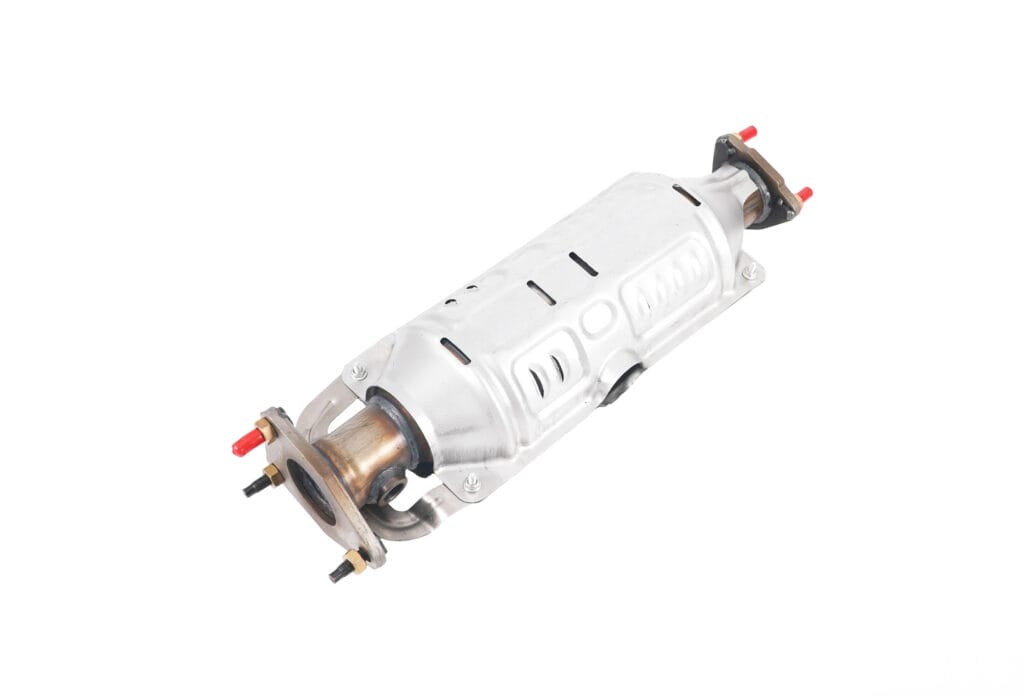
คุณห้ามเปลี่ยน DPF หรือชิ้นส่วนอื่นๆ เด็ดขาด ตัวเร่งปฏิกิริยาสามทาง หากไม่มีการตรวจสอบอย่างละเอียด การอุดตันมักเป็นเพียงอาการ ไม่ใช่สาเหตุหลัก คุณต้องระบุสาเหตุที่ตัวกรองล้มเหลวเพื่อป้องกันไม่ให้ชิ้นส่วนใหม่ประสบชะตากรรมเดียวกัน
การรั่วไหลของอากาศเข้าและแรงดันบูสต์
เครื่องยนต์ต้องการอัตราส่วนอากาศต่อเชื้อเพลิงที่แม่นยำ การรั่วไหลในอินเตอร์คูลเลอร์หรือท่อไอดีจะทำให้สมดุลนี้เสียไป ส่งผลให้เครื่องยนต์ทำงาน "ด้วยส่วนผสมที่เข้มข้นเกินไป" ส่วนผสมที่เข้มข้นเกินไปจะทำให้เกิดเขม่ามากเกินไป เขม่าเหล่านี้จะไปอุดตันตัวกรองอนุภาคดีเซล (DPF) อย่างรวดเร็ว แม้แต่ตัวกรองคุณภาพสูงก็ตาม ตัวเร่งปฏิกิริยาสามทาง cannot process extreme levels of unburnt fuel without sustaining damage.
Sensor Inaccuracies
The Honda CR-V relies on multiple sensors. The differential pressure sensor measures the pressure drop across the DPF. If this sensor sends false data, the ECU will not initiate regeneration. Similarly, oxygen sensors monitor the efficiency of the ตัวเร่งปฏิกิริยาสามทาง. You must verify these sensors using a diagnostic tool like the Honda HDS.
Injector Health
Faulty fuel injectors can “dribble” fuel into the cylinder. This leads to incomplete combustion. The resulting thick smoke coats the internal structure of the ตัวเร่งปฏิกิริยาสามทาง กnd the DPF. This coating prevents the catalytic metals from contacting the exhaust gases.
Pre-Replacement Technical Protocols
Preparation determines the success of the installation. You must follow specific technical steps before you unbolt the old hardware.
Software Calibration
Modern Honda vehicles require the latest ECU firmware. Software updates often improve the logic for DPF regeneration. The manufacturer frequently tweaks the temperature thresholds and timing. Ensure your vehicle runs the most recent software version to protect your new investment.
Lubrication Requirements
Diesel engines with DPF systems require specific engine oil. You must use ACEA C2 or C3 compliant oil. These “Low SAPS” oils contain low levels of Sulfated Ash, Phosphorus, and Sulfur. Standard oils produce ash that the DPF cannot burn off. This ash permanently blocks the filter. While a three way catalytic converteร is more resilient, high phosphorus levels can still “poison” its catalytic surface.
Physical Component Inspection
Inspect the mounting brackets and heat shields. Vibration can crack the ceramic substrate inside a ตัวเร่งปฏิกิริยาสามทาง. Ensure all exhaust gaskets are new. Reusing old gaskets leads to leaks. Leaks introduce oxygen into the exhaust stream. This oxygen confuses the sensors and triggers fault codes.
วิศวกรรมของตัวแปลงไอเสียแบบสามทาง
การ ตัวเร่งปฏิกิริยาสามทาง represents a pinnacle of automotive chemistry. It performs three simultaneous tasks. First, it reduces nitrogen oxides into elemental nitrogen and oxygen. Second, it oxidizes carbon monoxide into carbon dioxide. Third, it oxidizes unburnt hydrocarbons into water and carbon dioxide.
The internal structure features a ceramic honeycomb. Manufacturers coat this honeycomb with a “washcoat.” The washcoat carries the precious metals. The ตัวเร่งปฏิกิริยาสามทาง requires a specific temperature range to function. This range usually starts at 250 degrees Celsius. In diesel systems, the oxidation catalyst (often paired with the DPF) helps reach these temperatures by reacting with small amounts of injected fuel.
Step-by-Step Replacement Procedure
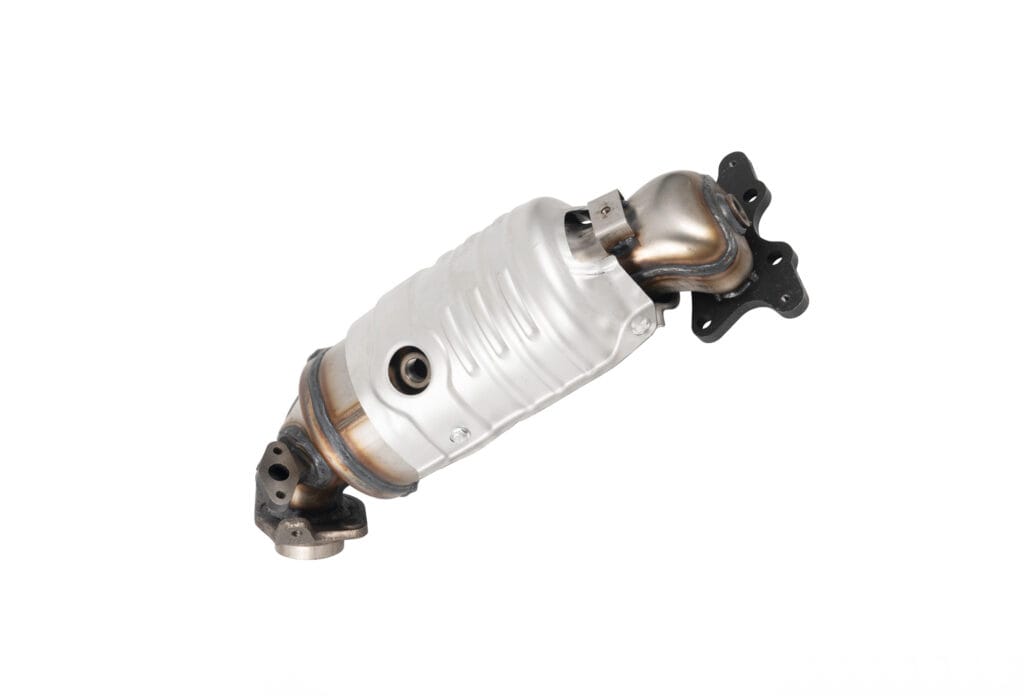
Replacing the DPF on a Honda CR-V is a labor-intensive process. It requires specialized tools and mechanical precision.
- Vehicle Stabilization: Secure the vehicle on a professional lift.
- Sensor Removal: Carefully disconnect the temperature sensors and pressure lines. Use penetrating oil on rusted threads. These sensors are fragile.
- Exhaust Disconnection: Unbolt the DPF from the turbocharger outlet or the downpipe. On some CR-V models, the DPF and the ตัวเร่งปฏิกิริยาสามทาง reside in the same housing.
- Installation: Position the new unit. Align the flanges perfectly.
- Torque Specifications: Tighten all mounting bolts to approximately 42 Nm. Refer to your specific service manual for exact values. Over-tightening can snap studs. Under-tightening causes leaks.
- Sensor Re-installation: Apply a small amount of anti-seize to the sensor threads. Avoid getting anti-seize on the sensor tip.
Post-Installation and ECU Initialization
The hardware installation is only half the job. The vehicle’s computer still thinks the old, clogged filter is present.
Resetting the Adaptation Values
Use the Honda HDS (Honda Diagnostic System) or a high-level “car scanner pro.” You must tell the ECU that you installed a new DPF. This reset clears the “soot load” memory. If you skip this step, the engine may remain in “limp mode.”
Forced Regeneration Cycle
Perform a controlled forced regeneration. This process initializes the filter. The ECU will increase the idle speed and retard the injection timing. This raises the exhaust temperature significantly. The system then verifies that the pressure drop across the new filter matches factory specifications.
Sensor Adaptation
Adapt the new differential pressure sensor to the ECU. The computer must learn the “zero point” of the new sensor. This ensures accurate monitoring during future drives.
Why Professional Expertise is Vital
The complexity of the Honda CR-V emission system makes DIY replacement risky. Small errors lead to expensive consequences.
Risks of Incorrect Programming
If you do not reset the ECU correctly, the car might attempt to clean a filter that is already clean. Or, it might fail to protect the new filter from high-pressure spikes. Incorrect programming can lead to thermal runaway. This can melt the internal substrate of the ตัวเร่งปฏิกิริยาสามทาง.
Specialized Tooling
Standard OBD-II readers cannot perform forced regenerations. You need dealer-level software. Furthermore, professional shops use thermal imaging to check for hotspots. They also use smoke machines to find tiny intake leaks.
Environmental and Legal Compliance
Tampering with a DPF or a ตัวเร่งปฏิกิริยาสามทาง is illegal in many jurisdictions. Professionals ensure that the replacement parts meet OEM standards. This keeps your vehicle legal for road use and emissions testing.
Advanced Troubleshooting: Analyzing Exhaust Backpressure
Excessive backpressure ruins engine performance. If the DPF or the ตัวเร่งปฏิกิริยาสามทาง blocks the flow, the turbocharger cannot spin freely. This leads to “turbo lag” and eventual bearing failure. Mechanics use a pressure gauge to measure the “inches of water” or “PSI” before and after the filter.
A healthy ตัวเร่งปฏิกิริยาสามทาง should show minimal resistance. A DPF will show a slight pressure increase, which varies based on the soot load. If the pressure exceeds 1.5 PSI at idle, the filter requires immediate attention.
Emission System Maintenance Data
| Maintenance Task | Frequency | Impact on Three Way Catalytic Converter |
|---|---|---|
| เปลี่ยนถ่ายน้ำมันเครื่อง (ACEA C2/C3) | ทุกๆ 10,000 ไมล์ | ป้องกัน “พิษ” จากโลหะ |
| ตรวจสอบการอัปเดตซอฟต์แวร์ | ระหว่างการตรวจสอบประจำปี | ช่วยเพิ่มประสิทธิภาพการเผาไหม้ให้เหมาะสมที่สุด |
| การทำความสะอาดระบบเชื้อเพลิง | ทุกๆ 20,000 ไมล์ | ช่วยลดการสะสมของเขม่าและสารไฮโดรคาร์บอน |
| การขับรถบนทางหลวง (30 นาทีขึ้นไป) | รายสัปดาห์ | ช่วยให้สามารถสร้าง DPF ใหม่ได้แบบพาสซีฟ |
| การตรวจสอบการสอบเทียบเซ็นเซอร์ | ทุกๆ 50,000 ไมล์ | ช่วยให้มั่นใจได้ว่าอัตราส่วนอากาศต่อเชื้อเพลิงมีความแม่นยำ |
พฤติกรรมการขับขี่และผลกระทบที่เกิดขึ้น
ลักษณะการขับขี่ของคุณส่งผลโดยตรงต่ออายุการใช้งานของ DPF และ ตัวเร่งปฏิกิริยาสามทางการเดินทางในเมืองระยะสั้นเป็นศัตรูตัวฉกาจที่สุด ในการเดินทางระยะสั้น ไอเสียจะไม่ถึงอุณหภูมิ "สตาร์ทเครื่อง" เลย ตัวเร่งปฏิกิริยาสามทาง ยังคงไม่ทำงาน เขม่าสะสมอยู่ใน DPF โดยไม่มีโอกาสที่จะเผาไหม้เองได้
เพื่อรักษาสภาพรถ Honda CR-V ของคุณ คุณต้องขับบนทางหลวงเป็นประจำ ตั้งเป้าไว้ที่อย่างน้อย 20 นาที ด้วยความเร็วคงที่มากกว่า 50 ไมล์ต่อชั่วโมง การทำเช่นนี้จะสร้างความร้อนเพียงพอที่จะรักษาระบบให้สะอาด นอกจากนี้ยังช่วยให้มั่นใจได้ว่า... ตัวเร่งปฏิกิริยาสามทาง ดำเนินงานได้อย่างมีประสิทธิภาพสูงสุด
บทสรุป
ระบบกรองอนุภาคดีเซล (DPF) ของ Honda CR-V และ ตัวเร่งปฏิกิริยาสามทาง ชิ้นส่วนเหล่านี้มีความสำคัญอย่างยิ่งต่อเครื่องยนต์ที่สะอาดและทรงพลัง การเปลี่ยนชิ้นส่วนเหล่านี้ต้องอาศัยมากกว่าแค่ทักษะทางช่าง คุณต้องวินิจฉัยสาเหตุของความเสียหาย ใช้ชิ้นส่วนที่ถูกต้อง และทำการปรับเทียบซอฟต์แวร์อย่างแม่นยำ ช่างเทคนิคผู้เชี่ยวชาญจะจัดหาเครื่องมือและความรู้ที่จำเป็นเพื่อปกป้องเครื่องยนต์ของคุณจากความเสียหายถาวร การปฏิบัติตามระเบียบการบำรุงรักษาอย่างเคร่งครัดและใช้ชิ้นส่วนที่มีคุณภาพจะช่วยให้รถของคุณมีประสิทธิภาพไปอีกหลายปี การตรวจสอบระดับเขม่าและสภาพของเซ็นเซอร์อย่างสม่ำเสมอจะช่วยป้องกันค่าใช้จ่ายสูงที่เกี่ยวข้องกับความล้มเหลวของระบบทั้งหมด