การแนะนำ
The global automotive industry is entering a new stage of emission regulation. The upcoming Euro 7 standard represents one of the most demanding environmental policies introduced in Europe. The European Commission designed Euro 7 to be fuel-neutral and technology-neutral The regulation aims to reduce harmful pollutants such as nitrogen oxides (NOx), carbon monoxide (CO), hydrocarbons (HC), and particulate matter (PM).
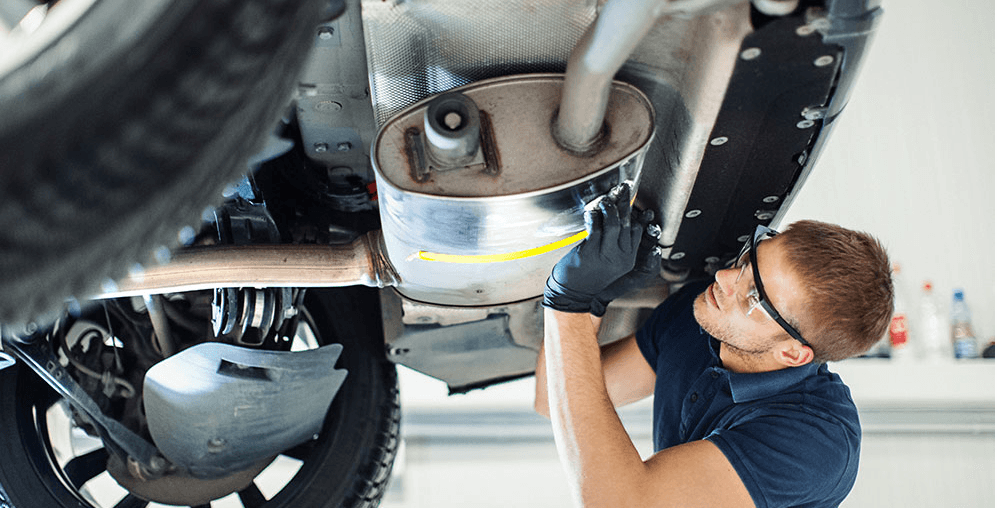
To achieve these goals, manufacturers must significantly improve exhaust aftertreatment systems. The ตัวเร่งปฏิกิริยาสามทาง remains the core technology used in gasoline vehicle emission control. However, Euro 7 introduces stricter emission limits, longer durability requirements, and more comprehensive testing procedures. These new requirements push the industry to develop advanced catalyst materials, improved designs, and more integrated emission control architectures.
Euro 7 therefore acts not only as a regulatory update but also as a powerful driver of technological innovation in modern catalyst systems.
The Role of the Three Way Catalytic Converter
การ ตัวเร่งปฏิกิริยาสามทาง is one of the most important technologies used to reduce emissions from gasoline engines. It converts three major harmful pollutants into less harmful gases through catalytic reactions.
These reactions include:
Conversion of carbon monoxide (CO) into carbon dioxide (CO2)
Oxidation of hydrocarbons (HC) into water and carbon dioxide
Reduction of nitrogen oxides (NOx) into nitrogen
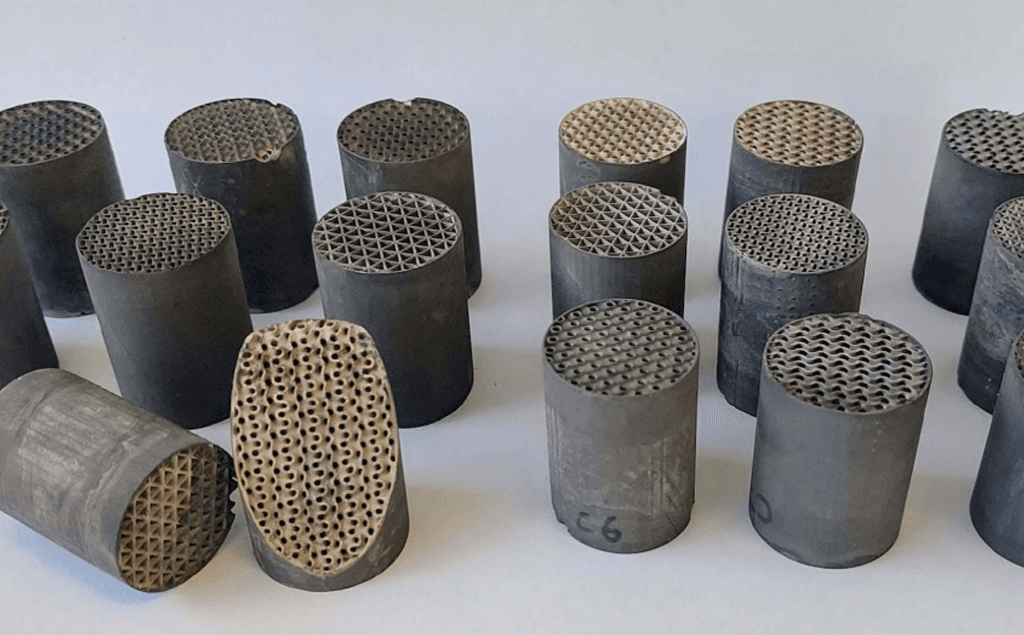
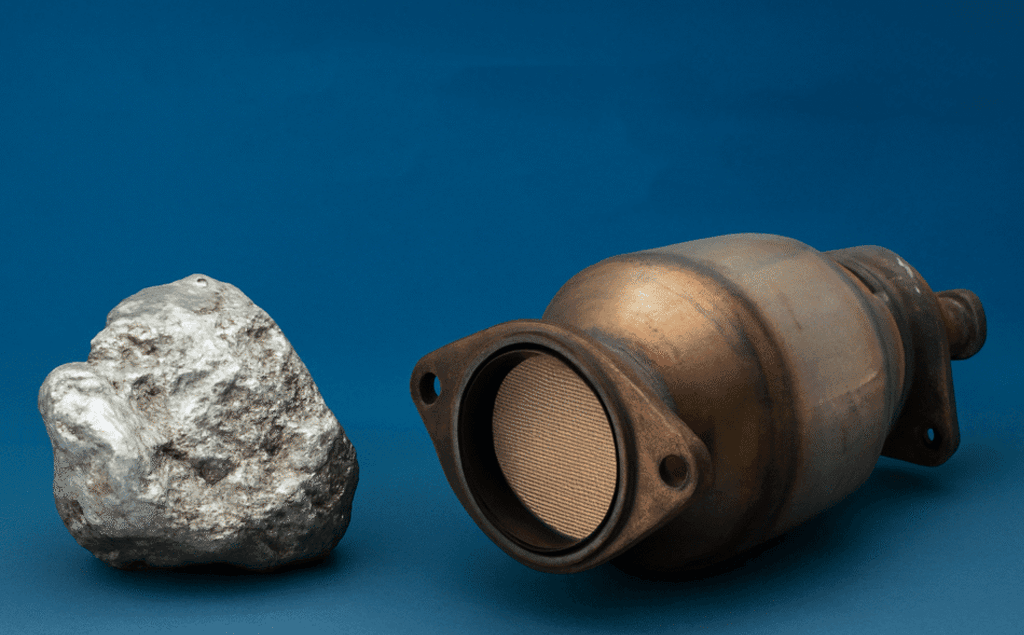
This process occurs when exhaust gases pass through a ceramic or metallic substrate coated with precious metals such as platinum, palladium, and rhodium. These materials accelerate chemical reactions without being consumed.
Because of its efficiency and reliability, the ตัวเร่งปฏิกิริยาสามทาง has become the foundation of gasoline engine emission control systems worldwide.

Evolution of European Emission Standards
European emission standards have gradually become stricter since the early 1990s. Each stage has pushed vehicle manufacturers to improve emission control technologies.
| มาตรฐานการปล่อยมลพิษ | Implementation Year | Main Objective |
|---|---|---|
| Euro 1 | 1992 | Introduction of unified emission limits |
| Euro 3 | 2000 | Improved catalytic converter efficiency |
| Euro 5 | 2009 | Stronger particulate emission control |
| ยูโร 6 | 2014 | Significant reduction of NOx emissions |
| ยูโร 7 | Expected 2026 | Ultra-low emissions and long durability |
Euro 7 introduces stricter real-world testing requirements and longer durability standards. These changes require major improvements in the performance of the ตัวเร่งปฏิกิริยาสามทาง and related aftertreatment technologies.
Electrically Heated Catalysts for Cold Start Emissions
Cold start emissions represent one of the largest challenges in vehicle emission control. When the engine starts, the exhaust system remains cold and the catalyst cannot operate efficiently.
Electrically heated catalysts solve this problem. These systems use electric heating elements powered by a 48-volt vehicle electrical system. The heater warms the catalyst before the engine begins operation.
This approach offers several benefits.
การ ตัวเร่งปฏิกิริยาสามทาง reaches operating temperature much faster
Cold start emissions decrease significantly
Hydrocarbon and carbon monoxide emissions are reduced during engine startup
As a result, electrically heated catalysts play an important role in helping vehicles meet Euro 7 standards.
Ultra High Porosity Catalyst Substrates
Another important innovation involves the development of ultra high porosity catalyst substrates. Traditional ceramic substrates must balance surface area with exhaust gas flow resistance.
Euro 7 requires higher catalytic efficiency without increasing exhaust backpressure. Ultra high porosity materials provide a solution to this challenge.
These advanced substrates provide several advantages.
Larger catalyst surface area
Improved gas diffusion through the substrate walls
Higher catalytic activity in compact designs
These benefits allow engineers to enhance the performance of the ตัวเร่งปฏิกิริยาสามทาง while maintaining efficient exhaust flow.
Low Temperature Catalyst Materials
Modern vehicles increasingly operate at lower exhaust temperatures. Hybrid vehicles often switch the engine on and off, which reduces the average temperature of exhaust gases.
Traditional catalysts perform best at higher temperatures. For this reason researchers are developing new materials that remain active at lower temperatures.
Vanadium based catalyst systems have gained attention in heavy duty vehicle applications. These catalysts offer stable performance and reduced formation of nitrous oxide while maintaining strong emission reduction capability.
Low temperature catalyst technologies help ensure that the ตัวเร่งปฏิกิริยาสามทาง remains effective even under modern engine operating conditions.
Advancements in Gasoline Particulate Filters
Gasoline direct injection engines can produce very small particulate emissions. Euro 7 introduces stricter particle size limits that target particles as small as 10 nanometers.
To address this challenge, engineers have improved gasoline particulate filter technology.
Modern filters can achieve filtration efficiency levels between 95 percent and 98 percent. These systems also reduce exhaust resistance and improve long term durability.
In many modern vehicles the gasoline particulate filter works together with the ตัวเร่งปฏิกิริยาสามทาง to control both gaseous pollutants and particulate matter simultaneously.

Catalyst Durability and Ageing Requirements
Euro 7 introduces significantly stronger durability requirements for emission control systems. Catalytic converters must maintain their emission reduction performance for up to 200000 kilometers or approximately 10 years of vehicle operation.
ข้อกำหนดนี้ผลักดันให้ผู้ผลิตพัฒนาวัสดุตัวเร่งปฏิกิริยาที่มีความทนทานมากขึ้นและการออกแบบโครงสร้างที่ดีขึ้น
พื้นที่การพัฒนาที่สำคัญ ได้แก่
สูตรตัวเร่งปฏิกิริยาโลหะมีค่าที่มีเสถียรภาพมากขึ้น
เทคโนโลยีการเคลือบผิวหน้าแบบปรับปรุงใหม่
โครงสร้างพื้นผิวที่แข็งแรงกว่า
การปรับปรุงเหล่านี้ช่วยให้มั่นใจได้ว่า ตัวเร่งปฏิกิริยาสามทาง รักษาประสิทธิภาพการทำงานได้ตลอดอายุการใช้งานของรถยนต์
เทคโนโลยีการทดสอบการเสื่อมสภาพของตัวเร่งปฏิกิริยา
การทดสอบที่เชื่อถือได้มีความสำคัญอย่างยิ่งต่อการตรวจสอบความทนทานของตัวเร่งปฏิกิริยา วิศวกรต้องจำลองการใช้งานรถยนต์ในระยะยาวภายใต้สภาวะควบคุมในห้องปฏิบัติการ
ในอุตสาหกรรมยานยนต์มีการใช้หลายวิธีในการทดสอบการเสื่อมสภาพตามอายุการใช้งาน
| วิธีการทดสอบ | คำอธิบาย | Purpose |
|---|---|---|
| การทดสอบเครื่องปฏิกรณ์แบบตั้งโต๊ะ | จำลองปฏิกิริยาเคมีของก๊าซไอเสียในสภาวะห้องปฏิบัติการ | การเร่งการเสื่อมสภาพของตัวเร่งปฏิกิริยา |
| การทดสอบด้วยเครื่องวัดกำลังตัวถัง | ประเมินสภาพรถยนต์ทั้งคันภายใต้รอบการขับขี่ | การตรวจสอบประสิทธิภาพในโลกแห่งความเป็นจริง |
| ระบบเครื่องปฏิกรณ์ก๊าซหมุนเวียน | ควบคุมอุณหภูมิ ความเข้มข้นของก๊าซ และอัตราการไหล | วงจรการเสื่อมสภาพที่สามารถทำซ้ำได้ |
เทคโนโลยีเหล่านี้ช่วยให้วิศวกรสามารถประเมินประสิทธิภาพในระยะยาวของอุปกรณ์ได้ ตัวเร่งปฏิกิริยาสามทาง โดยไม่ต้องรอหลายปีจากการขับขี่จริง
ผลกระทบของมาตรฐานยูโร 7 ต่อผู้ผลิตอุปกรณ์ดั้งเดิม (OEM)
การบังคับใช้มาตรฐานยูโร 7 ก่อให้เกิดความท้าทายทางเทคนิคและทางการเงินใหม่ๆ สำหรับผู้ผลิตอุปกรณ์ดั้งเดิม
ผู้ผลิตรถยนต์ต้องออกแบบระบบควบคุมการปล่อยมลพิษใหม่และลงทุนอย่างมากในเทคโนโลยีตัวเร่งปฏิกิริยาขั้นสูง
ผลกระทบที่สำคัญ ได้แก่
ต้นทุนการผลิตสูงขึ้นเนื่องจากใช้วัสดุที่ทันสมัยขึ้น
สถาปัตยกรรมระบบบำบัดหลังการทำความเย็นที่ซับซ้อนยิ่งขึ้น
ขั้นตอนการทดสอบการปฏิบัติตามกฎระเบียบที่เข้มงวดมากขึ้น
แม้ว่าการเปลี่ยนแปลงเหล่านี้จะเพิ่มต้นทุน แต่ก็ยังกระตุ้นให้เกิดนวัตกรรมและเร่งการพัฒนาเทคโนโลยีรถยนต์ที่เป็นมิตรต่อสิ่งแวดล้อมมากขึ้น
ระบบบำบัดน้ำเสียหลังการฉายรังสีมีความซับซ้อนมากขึ้น
ระบบไอเสียของรถยนต์ในอนาคตมีแนวโน้มที่จะประกอบด้วยชิ้นส่วนควบคุมการปล่อยมลพิษหลายชิ้นที่ทำงานร่วมกัน
ระบบทั่วไปอาจประกอบด้วย
ตัวกรองอนุภาคน้ำมันเบนซิน
ตัวเร่งปฏิกิริยาการลื่นไถลของแอมโมเนีย
ตัวเร่งปฏิกิริยา SCR แบบพาสซีฟ
ระบบแบบบูรณาการเหล่านี้ช่วยให้ยานพาหนะสามารถลดมลพิษหลายชนิดได้ในสภาวะการใช้งานที่หลากหลาย
อิทธิพลระดับโลกของมาตรฐานยูโร 7
มาตรฐานการปล่อยมลพิษของยุโรปมักมีอิทธิพลต่อกฎระเบียบด้านสิ่งแวดล้อมในส่วนอื่นๆ ของโลก ประเทศต่างๆ เช่น จีนและอินเดีย มักศึกษาแนวนโยบายของยุโรปเมื่อออกแบบกฎระเบียบการปล่อยมลพิษของตนเอง
ด้วยอิทธิพลนี้ มาตรฐานยูโร 7 จึงมีแนวโน้มที่จะกลายเป็นมาตรฐานระดับโลกสำหรับเทคโนโลยีควบคุมการปล่อยมลพิษขั้นสูง
ผู้ผลิตที่พัฒนาผลิตภัณฑ์ประสิทธิภาพสูง ตัวเร่งปฏิกิริยาสามทาง ระบบที่ผ่านมาตรฐาน Euro 7 จะได้รับความได้เปรียบอย่างมากในตลาดรถยนต์ทั่วโลก
งานวิจัยในอนาคตด้านเทคโนโลยีตัวเร่งปฏิกิริยา
นักวิจัยยังคงสำรวจแนวทางใหม่ๆ ในการออกแบบตัวเร่งปฏิกิริยาอย่างต่อเนื่อง การพัฒนาในอนาคตอาจรวมถึง
วัสดุตัวเร่งปฏิกิริยาที่มีโครงสร้างระดับนาโน
เทคโนโลยีลดปริมาณโลหะมีค่า
สารเคลือบที่มีเสถียรภาพทางความร้อนที่ดีขึ้น
การพัฒนาตัวเร่งปฏิกิริยาโดยใช้ปัญญาประดิษฐ์ช่วย
นวัตกรรมเหล่านี้จะช่วยเพิ่มประสิทธิภาพและลดต้นทุนให้ดียิ่งขึ้นไปอีก ตัวเร่งปฏิกิริยาสามทาง.
บทสรุป
มาตรฐานยูโร 7 ถือเป็นก้าวสำคัญในการควบคุมการปล่อยมลพิษจากยานยนต์ทั่วโลก มาตรฐานนี้กำหนดขีดจำกัดมลพิษที่เข้มงวดขึ้น ข้อกำหนดด้านความทนทานที่แข็งแกร่งขึ้น และขั้นตอนการทดสอบที่ครอบคลุมมากขึ้น
เพื่อตอบสนองความต้องการเหล่านี้ อุตสาหกรรมยานยนต์ต้องปรับปรุงเทคโนโลยีตัวเร่งปฏิกิริยาและระบบบำบัดไอเสียให้ดีขึ้นอย่างมาก
นวัตกรรมต่างๆ เช่น ตัวเร่งปฏิกิริยาที่ให้ความร้อนด้วยไฟฟ้า วัสดุรองรับที่มีรูพรุนสูงมาก ตัวกรองอนุภาคที่ได้รับการปรับปรุง และวิธีการทดสอบการเสื่อมสภาพขั้นสูง ล้วนมีส่วนช่วยให้เกิดความก้าวหน้าในด้านนี้
การ ตัวเร่งปฏิกิริยาสามทาง จะยังคงเป็นหัวใจสำคัญของการควบคุมการปล่อยมลพิษจากยานยนต์ที่ใช้เชื้อเพลิงเบนซินต่อไปอีกหลายปี นวัตกรรมทางเทคโนโลยีอย่างต่อเนื่องจะช่วยให้ส่วนประกอบที่สำคัญนี้พัฒนาต่อไปและตอบสนองความท้าทายด้านสิ่งแวดล้อมในอนาคตได้