Introduction
The automotive industry currently undergoes a massive transformation. Electric vehicles (EVs) and hybrid electric vehicles (HEVs) now redefine how we think about transportation. Central to this shift is the future of the three way catalytic converter. This component has served as the backbone of emission control for decades. However, its role changes drastically depending on the powertrain. For battery electric vehicles, the component disappears entirely. Conversely, hybrid systems demand more sophisticated versions of this technology. This article explores how the rise of electric and hybrid power affects the design, demand, and technical requirements of the three way catalytic converter. We will analyze the chemical challenges, market shifts, and engineering innovations driving this evolution.
The Mechanics of the Three Way Catalytic Converter
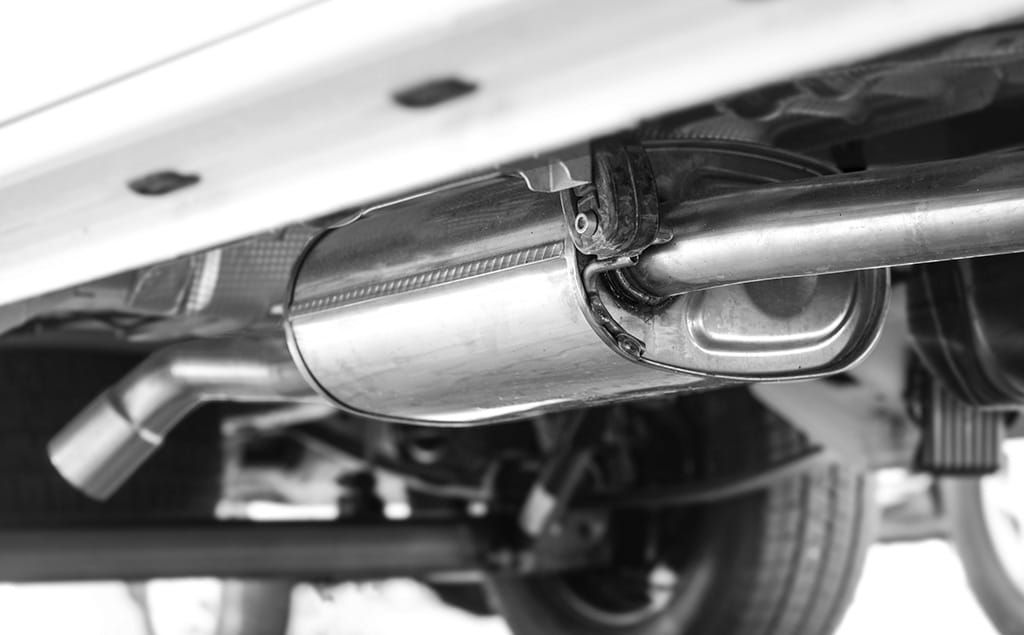
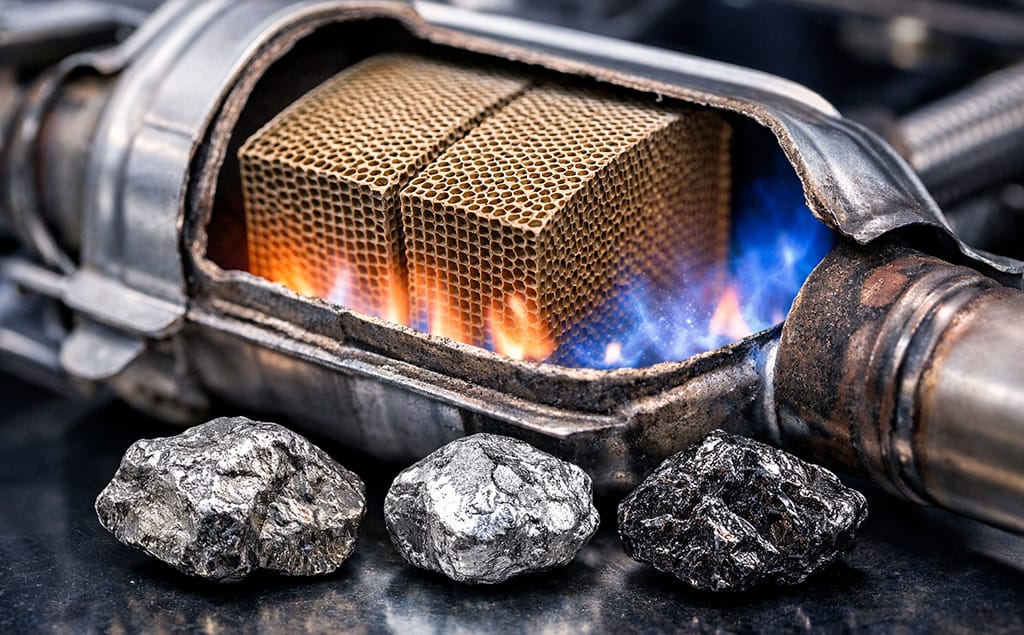
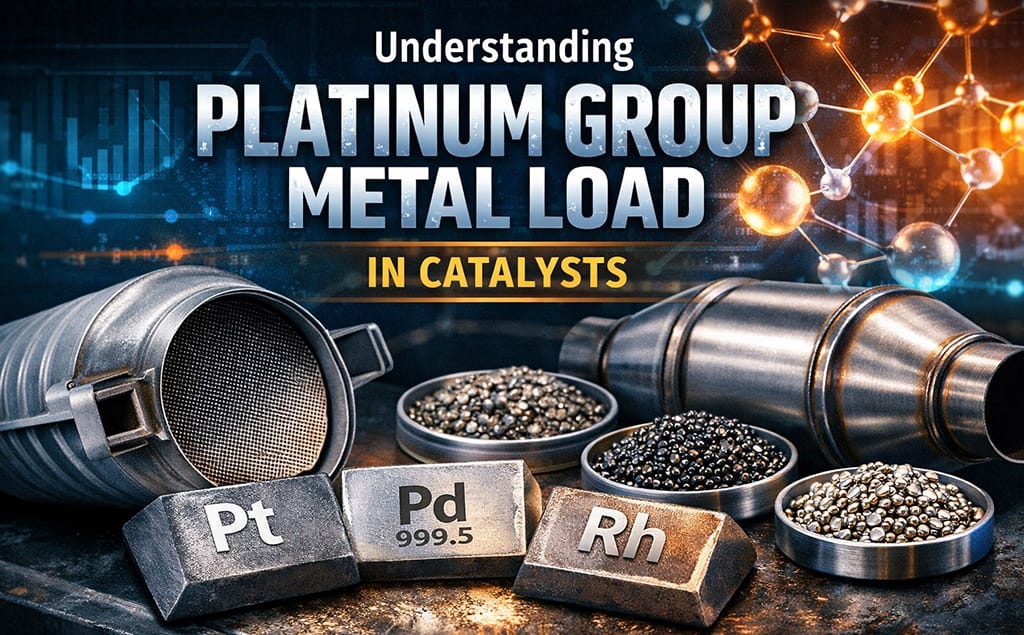
A three way catalytic converter performs three vital tasks simultaneously. It handles carbon monoxide (CO), nitrogen oxides (NOx), and unburned hydrocarbons (HC). The device utilizes a honeycomb substrate coated with precious metals. Platinum, palladium, and rhodium act as catalysts. These metals trigger chemical reactions without being consumed themselves.
First, the reduction catalyst addresses nitrogen oxides. It strips nitrogen atoms from the molecules. This process releases clean nitrogen and oxygen. Second, the oxidation catalyst tackles carbon monoxide and hydrocarbons. It adds oxygen to these pollutants. This reaction produces carbon dioxide and water vapor. Modern gasoline engines rely heavily on the three way catalytic converter to meet strict environmental standards. Without it, urban air quality would plummet.

Electric Vehicles: The Total Elimination of Tailpipe Emissions
Battery electric vehicles (BEVs) represent a total departure from internal combustion. These cars use electric motors and large battery packs. They do not burn fuel. Consequently, they do not produce exhaust gases.
Total Absence of Emission Components
A BEV lacks an exhaust system. Therefore, it does not require a three way catalytic converter. This removal simplifies the vehicle architecture. It eliminates several heavy and expensive parts. Manufacturers save on raw material costs for platinum group metals (PGMs).
Maintenance and Ownership Benefits
EV owners enjoy lower maintenance requirements. They never need to replace a clogged or damaged three way catalytic converter. They also face zero risk from converter theft. This peace of mind significantly lowers the total cost of ownership. However, the mass adoption of BEVs threatens the traditional automotive supply chain.
Disruption of the Recycling Market
The recycling industry relies on a steady supply of scrap converters. These devices provide a secondary source of rhodium and palladium. As BEVs gain market share, the volume of available scrap will eventually drop. This shift could destabilize the precious metals market over the next two decades.
Hybrid Vehicles: Increasing Complexity and Technical Demands
Hybrid vehicles combine an internal combustion engine (ICE) with electric propulsion. They do not eliminate the three way catalytic converter. Instead, they often require a more robust and expensive version.
The Challenge of Thermal Management
Hybrid engines cycle on and off frequently. This behavior creates a severe thermal problem. A three way catalytic converter requires heat to function effectively. Most catalysts only “light off” at temperatures above 300°C. In a hybrid, the engine may shut down during coasting or low-speed driving. The exhaust system then cools down. When the engine restarts for a sudden burst of power, the converter is too cold. This leads to a spike in untreated emissions.
Higher Precious Metal Loading
To combat the cold-start problem, engineers increase the catalyst density. Hybrid three way catalytic converter units often contain more palladium and rhodium than standard ICE units. These metals allow the chemical reactions to begin at lower temperatures. This ensures the vehicle meets emission targets even during intermittent engine use. Consequently, hybrid converters cost significantly more to manufacture.
The Critical Role of Substrate Design in Hybrids
The physical structure inside the three way catalytic converter matters immensely. Most manufacturers use a ceramic honeycomb substrate. This substrate provides a massive surface area for the catalyst washcoat. In hybrid applications, the substrate must withstand rapid temperature fluctuations.
Thermal shock can crack low-quality ceramic honeycombs. Therefore, premium hybrids often utilize thin-wall substrates. These designs heat up faster than standard versions. Faster heating means the three way catalytic converter reaches its operational window sooner. This engineering choice directly reduces the environmental impact of urban hybrid driving.
Why Hybrids Drive Catalytic Converter Theft
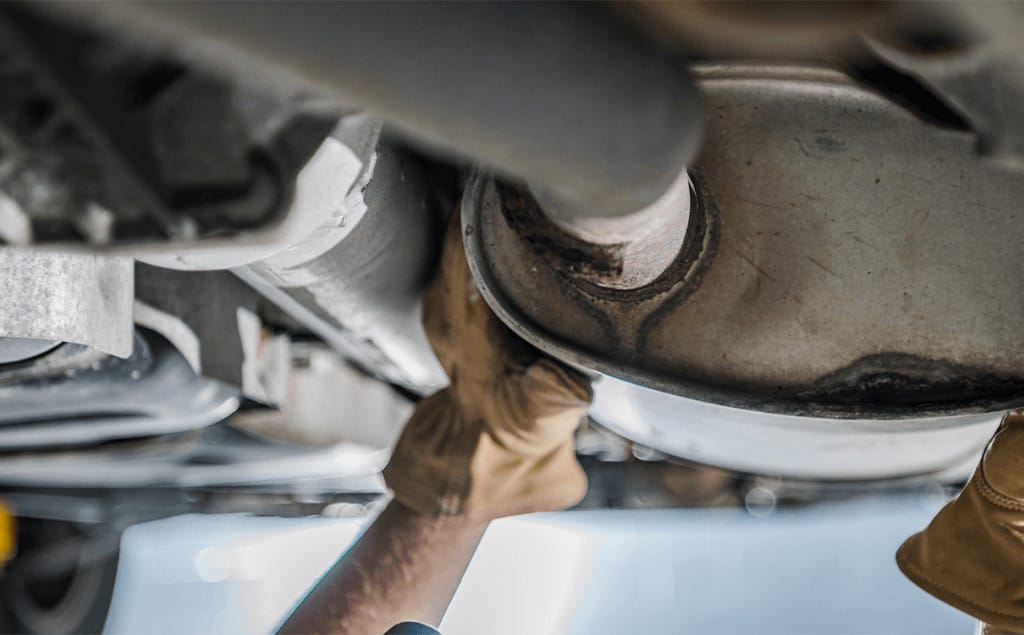
The high concentration of precious metals makes hybrid cars prime targets for criminals. The Toyota Prius is a well-known example. Its three way catalytic converter contains a rich PGM washcoat. Thieves can remove these parts in less than two minutes. They sell the units to scrap yards for hundreds of dollars. The secondary market for these metals remains extremely lucrative.
Comparison of Powertrain Impact on Emission Systems
| Feature | Traditional ICE | Hybrid (HEV/PHEV) | Electric (BEV) |
|---|---|---|---|
| Three Way Catalytic Converter | Mandatory | Mandatory (High Spec) | Not Applicable |
| Primary Pollutants Managed | CO, NOx, HC | CO, NOx, HC | None |
| Precious Metal Content | Standard | High / Very High | Zero |
| Operating Temperature | Consistent / Stable | Intermittent / Fluctuating | N/A |
| Theft Risk Level | Moderate | High | Zero |
| System Complexity | Moderate | High | Low (No Exhaust) |
| Maintenance Need | Occasional | Frequent Inspection | None |
Advanced Technologies in Modern Emission Control
Manufacturers are not standing still. They are developing new ways to optimize the three way catalytic converter for the hybrid era.
Electrically Heated Catalysts (EHC)
Some modern hybrids use electrical heating elements. These heaters warm the substrate before the engine even starts. This technology ensures the three way catalytic converter reaches its light-off temperature immediately. It eliminates the emission spike associated with cold starts. This innovation represents the next step in hybrid sustainability.
Improved Washcoat Chemistry
New washcoat formulas use stabilized alumina and ceria. These materials help store oxygen within the three way catalytic converter. Oxygen storage allows the converter to function during brief periods of rich or lean fuel mixtures. This stability is vital for hybrids that transition rapidly between power modes.
Global Precious Metal Market Shifts
The rise of hybrid vehicles has paradoxically increased the demand for certain metals. While EVs reduce demand, hybrids require more palladium per vehicle. This dynamic creates a “second wind” for the PGM industry.
Mining companies now focus on the specific ratios of rhodium needed for the three way catalytic converter. Rhodium is the most effective metal for reducing NOx. As global emission standards like Euro 7 and China 6b take effect, the importance of this metal grows. Hybrids will sustain the catalyst market even as pure ICE vehicles decline.
Maintenance Tips for Hybrid Owners
If you drive a hybrid, you must maintain your three way catalytic converter. Always use the recommended engine oil. Low-quality oils can contain phosphorus or sulfur. These elements “poison” the catalyst. They coat the precious metals and prevent chemical reactions.
Additionally, address any “Check Engine” lights immediately. A misfiring engine can send raw fuel into the converter. This fuel burns inside the honeycomb and melts the substrate. A melted three way catalytic converter is non-repairable and expensive to replace.
The Environmental Paradox of Hybrid Manufacturing
Producing a high-spec three way catalytic converter has an environmental cost. The mining of platinum and rhodium requires massive energy and water. However, the emissions saved over the vehicle’s life outweigh these production costs.
Hybrids bridge the gap between fossil fuels and total electrification. They allow for lower emissions in areas without charging infrastructure. This makes the three way catalytic converter a vital tool for global decarbonization in the medium term.
The Evolution of PGM Recycling
As we move toward a circular economy, recycling becomes vital. A spent three way catalytic converter is a small treasure chest. Specialized facilities grind the ceramic and extract the metals. This process is much cleaner than primary mining. It will play a crucial role in supplying metals for the hybrids still on the road.
Conclusion
The impact of electric and hybrid vehicles on the three way catalytic converter is profound. Electric vehicles represent the eventual obsolescence of this component. They offer a path to zero-emission transport and lower maintenance. However, hybrid vehicles currently dominate the transition period. These vehicles require more advanced, metal-rich, and expensive three way catalytic converter systems to handle the unique challenges of intermittent engine use.
The industry is not seeing the death of the catalyst, but rather its evolution. From electrically heated substrates to increased rhodium loading, the technology continues to advance. Understanding these differences helps consumers and technicians navigate the changing automotive landscape. The future of emissions control is a story of increasing sophistication and a steady march toward total electrification.