What is a Three-Way Catalytic Converter?
Definition and Overview
A three-way catalytic converter is an essential component of modern automotive exhaust systems, designed to reduce the harmful emissions produced by internal combustion engines. This device plays a crucial role in controlling air pollution by converting harmful gases, such as carbon monoxide (CO), hydrocarbons (HC), and nitrogen oxides (NOₓ), into less harmful substances. By doing so, it helps meet regulatory emissions standards and reduces the vehicle’s environmental impact.
How It Works: The Key Components of a Three-Way Catalyst
The three-way catalytic converter is composed of several key components:
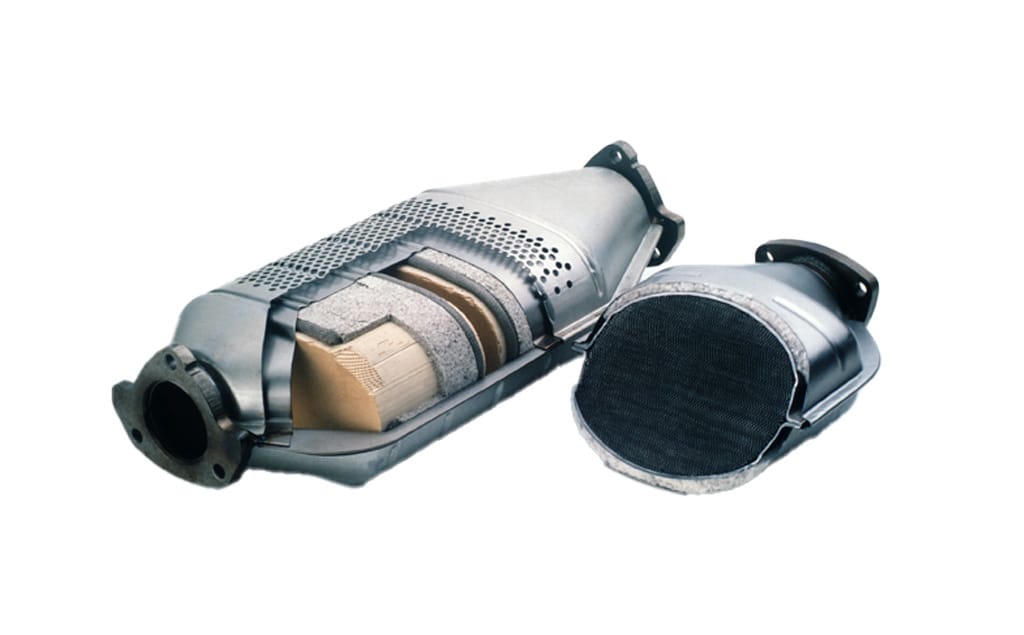
- Catalyst Substrate: This is typically a ceramic or metallic honeycomb structure that provides a large surface area for the catalytic reactions to occur.
- Precious Metals: Platinum, palladium, and rhodium are the key metals coated on the substrate. These metals act as catalysts that accelerate the chemical reactions without being consumed.
- Exhaust Flow: The exhaust gas flows through the catalyst, where it is exposed to the precious metals, facilitating chemical reactions to reduce harmful emissions.
How Does a Three-Way Catalyst Reduce Emissions?
The three-way catalytic converter operates by facilitating three essential reactions:
- Oxidation of Carbon Monoxide (CO): Carbon monoxide (CO), a toxic gas produced by incomplete fuel combustion, is oxidized into carbon dioxide (CO₂).
- 2CO + O₂ → 2CO₂
- Oxidation of Hydrocarbons (HC): Unburnt hydrocarbons (HC), which contribute to smog and air pollution, are converted into carbon dioxide (CO₂) and water (H₂O).
- CxHy + (x + y/4)O₂ → xCO₂ + y/2 H₂O
- Reduction of Nitrogen Oxides (NOₓ): Nitrogen oxides (NOₓ), which contribute to smog and acid rain, are reduced to harmless nitrogen (N₂) and oxygen (O₂).
- 2NOₓ → N₂ + O₂
The Three Basic Functions: Oxidation, Reduction, and Filtration
The three-way catalytic converter works through three primary functions:
- Oxidation: This process converts harmful gases like carbon monoxide and hydrocarbons into less harmful substances like carbon dioxide and water.
- Reduction: Nitrogen oxides (NOₓ) are reduced to harmless nitrogen and oxygen.
- Filtration: While the primary function of the converter is chemical conversion, it also serves a filtering role by trapping solid particulates in some cases, particularly in diesel engines (though three-way catalysts are primarily used in gasoline engines).
These three functions work together to minimize the environmental impact of automobile emissions.
How These Functions Work Together to Combat Pollutants
The three-way catalyst operates by maintaining a delicate balance between the oxidation of carbon monoxide and hydrocarbons and the reduction of nitrogen oxides. The efficiency of these reactions depends on maintaining a stoichiometric air-fuel ratio, where the amount of fuel is perfectly balanced with the amount of oxygen. This ensures optimal conditions for all three reactions to occur at the same time.
For instance, in the reduction phase, rhodium plays a key role in converting NOₓ into nitrogen and oxygen, while platinum and palladium are primarily responsible for oxidizing carbon monoxide and hydrocarbons. These processes take place on the surface of the precious metals, which act as catalysts.
The Role of Catalytic Converters in Combustion Engines
In an internal combustion engine, catalytic converters are part of the exhaust system, converting harmful exhaust gases into safer compounds. As exhaust gases pass through the three-way catalyst, the catalytic reactions take place, reducing the harmful pollutants. This process is critical for ensuring that vehicles meet stringent emissions standards and help reduce air pollution.
Combustion Process and Emission Control
During the combustion process in an engine, fuel reacts with oxygen to produce energy, but it also generates various pollutants like carbon monoxide, hydrocarbons, and nitrogen oxides. The three-way catalytic converter plays a pivotal role in converting these pollutants into less harmful gases before they are released into the atmosphere.
By controlling the air-fuel ratio, the engine management system ensures that the conditions inside the catalytic converter remain optimal for the chemical reactions, resulting in a cleaner, more efficient exhaust process.
How Automotive Catalytic Converters Fit Into the Engine Management System
The engine management system (EMS) works in tandem with the three-way catalytic converter to regulate the performance of the catalytic reactions. Sensors such as oxygen sensors continuously monitor the oxygen content in the exhaust gas and send this information to the EMS. Based on this data, the EMS adjusts the air-fuel ratio to maintain a stoichiometric balance, ensuring that the catalytic converter operates at peak efficiency.
What are the Main Pollutants Targeted by Three-Way Catalytic Converters?
The three-way catalytic converter targets the following main pollutants:
- Carbon Monoxide (CO): A colorless, odorless gas that is highly toxic to humans and animals.
- Hydrocarbons (HC): Unburnt fuel particles that contribute to smog and air pollution.
- Nitrogen Oxides (NOₓ): Gases that contribute to the formation of smog and acid rain, and can cause respiratory problems.
Their Impact on the Environment and Health
The pollutants that three-way catalytic converters target have serious environmental and health impacts:
- Carbon monoxide (CO) is harmful because it reduces the oxygen-carrying capacity of blood, leading to poisoning.
- Hydrocarbons (HC) contribute to the formation of smog, which can irritate the eyes, nose, and throat and worsen respiratory conditions.
- Nitrogen oxides (NOₓ) contribute to acid rain, which harms aquatic ecosystems, soil, and vegetation, and can also trigger respiratory problems in humans.
Why Are Precious Metals Important in Catalytic Converters?
Platinum, palladium, and rhodium are critical to the operation of the three-way catalytic converter. These precious metals serve as the active catalysts that facilitate the necessary chemical reactions to convert harmful pollutants into harmless gases. They are not consumed in the process, allowing them to continue functioning efficiently over time.
- Platinum and palladium are primarily responsible for the oxidation of carbon monoxide and hydrocarbons.
- Rhodium is the key metal in the reduction of nitrogen oxides into nitrogen and oxygen.
These metals are highly effective because they provide the ideal surface for the reactions to occur, allowing for the conversion of pollutants at relatively low temperatures.
How Does the Exhaust Flow Through a Three-Way Converter?
The exhaust flow through the three-way catalytic converter is crucial for its effective operation. As exhaust gases exit the engine, they enter the catalytic converter where they pass over the catalyst-coated surface. The exhaust gases are subject to catalytic reactions, where carbon monoxide and hydrocarbons are oxidized, and nitrogen oxides are reduced.
The exhaust flow dynamics and temperature are important factors for the performance of the converter. Adequate flow ensures that all the pollutants in the exhaust stream are treated, and high temperatures (generated by the engine) are required for the catalyst to be activated.
The Importance of Efficient Exhaust Management for Optimal Converter Function
Efficient exhaust management is essential for the optimal performance of the three-way catalytic converter. Any blockage or restriction in the exhaust system can cause a backpressure, which reduces the effectiveness of the converter. Additionally, efficient exhaust flow ensures that the catalyst can process the entire volume of exhaust gases, which is crucial for minimizing emissions.
What Makes a Three-Way Catalytic Converter Different from Other Converters?
Unlike two-way catalytic converters, which only perform oxidation reactions, three-way catalytic converters are capable of both oxidation and reduction reactions. This makes them far more effective at reducing a wider range of pollutants. The addition of rhodium in the three-way system allows for the reduction of nitrogen oxides, a process not possible in two-way systems.
Two-Way vs. Three-Way Catalytic Converters
- Two-Way Catalytic Converters: These converters
only perform oxidation reactions (i.e., they convert carbon monoxide and hydrocarbons into carbon dioxide and water).
- Three-Way Catalytic Converters: These converters can perform oxidation (of CO and HC) and reduction (of NOₓ) reactions, making them much more efficient at reducing the harmful pollutants present in gasoline engine emissions.
Benefits of the Three-Way System for Gasoline Engines
The three-way catalytic converter is designed specifically for gasoline engines. It offers several advantages, including:
- Reduced harmful emissions (CO, HC, NOₓ).
- Better fuel efficiency and performance.
- Compliance with stricter environmental regulations.
How Long Does a Three-Way Catalytic Converter Last?
The lifespan of a three-way catalytic converter typically ranges between 70,000 to 100,000 miles (or 112,000 to 160,000 km). However, its longevity can be affected by factors such as:
- Fuel quality.
- Driving habits.
- Engine maintenance.
Factors That Affect the Longevity of a Catalytic Converter
Several factors can influence the lifespan of a three-way catalytic converter, including:
- Contaminants such as leaded fuel or excessive oil consumption.
- Physical damage from hitting road debris or engine misfires.
- Poor engine performance that leads to excessive emissions.
Signs You Might Need to Replace It
If your three-way catalytic converter is malfunctioning, you might notice:
- Increased exhaust emissions.
- Check Engine light illuminated.
- Reduced engine performance, such as stalling or sluggish acceleration.
Why Are Three-Way Catalytic Converters Used in Gasoline and Not Diesel Engines?
Three-way catalytic converters are designed for use in gasoline engines, which produce relatively lower levels of nitrogen oxides (NOₓ) and particulates compared to diesel engines. Diesel engines require different emission control systems, such as diesel particulate filters (DPFs) and selective catalytic reduction (SCR) systems, which are better suited for handling diesel emissions.
The Differences Between Gasoline and Diesel Exhaust Emissions
Gasoline engines primarily produce carbon monoxide, hydrocarbons, and nitrogen oxides. In contrast, diesel engines emit higher levels of particulates and NOₓ. This is why diesel engines require different emission control systems, such as DPF and SCR.
How Diesel Engines Require Different Emission Control Systems
Diesel engines require diesel particulate filters (DPFs) to remove particulates from the exhaust gases. Additionally, selective catalytic reduction (SCR) systems are used to reduce NOₓ emissions by injecting urea into the exhaust stream, which reacts with NOₓ to form nitrogen and water.
The Future of Automotive Emission Control: What’s Next for Catalytic Converters?
As global emission standards continue to tighten, three-way catalytic converters will likely evolve with improvements in catalyst efficiency and durability. There may also be advances in materials, allowing for higher performance at lower temperatures. Moreover, the rise of hybrid and electric vehicles will play a significant role in reducing emissions overall, but internal combustion engines will still benefit from advanced catalytic converter technology.
Technological Advancements in Catalyst Efficiency
Ongoing research is focused on improving the efficiency of catalysts by exploring new materials, optimizing precious metal usage, and designing more efficient converters. Nanotechnology and advanced coatings are two potential avenues for enhancing the performance of three-way catalytic converters.
The Role of Hybrid and Electric Vehicles in Shaping Future Emissions Standards
Hybrid and electric vehicles are expected to play a pivotal role in meeting future emission standards. While they still rely on internal combustion engines for power, electric vehicles produce zero tailpipe emissions, reducing the overall burden on catalytic converters.
Ready to get started? Explore 3 Way Catalyst now!