Introduction
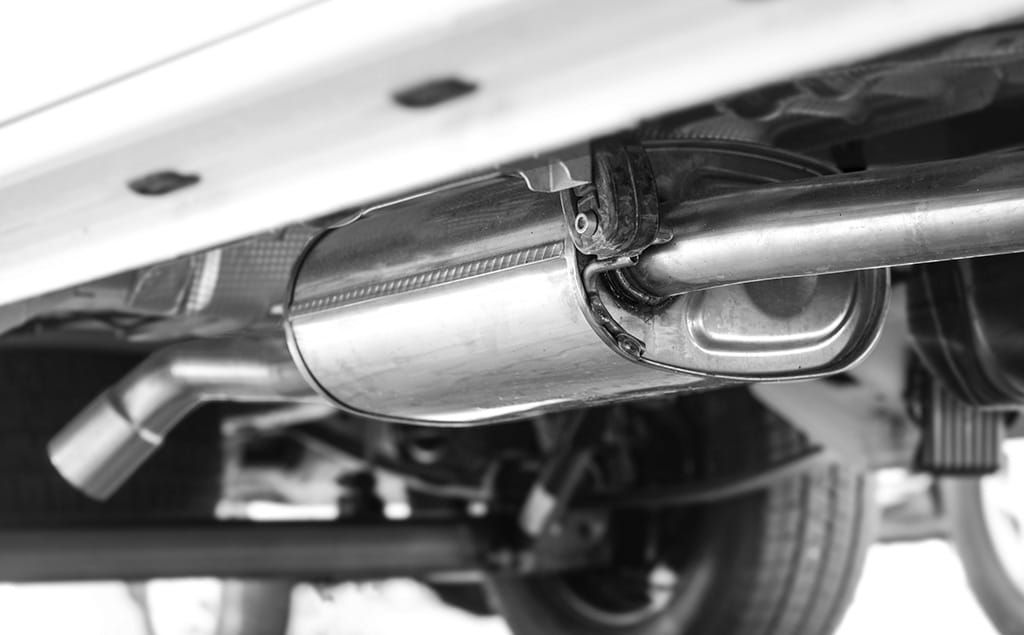
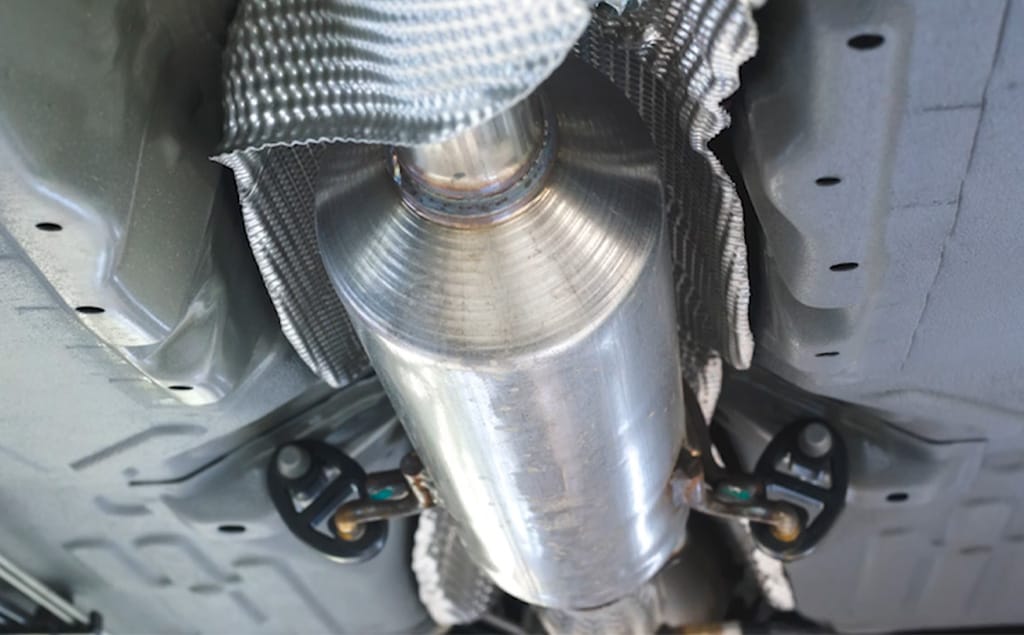
The automotive industry faces stricter emission standards in 2026. The three way catalytic converter remains the primary defense against harmful pollutants in gasoline engines. This component simultaneously reduces nitrogen oxides (NOx) and oxidizes carbon monoxide (CO) and hydrocarbons (HC). Unlike diesel systems, the three way catalytic converter does not deal with particulate soot. Therefore, “regeneration” in this context does not mean burning off carbon. Instead, it refers to the complex restoration of chemical active sites on noble metal surfaces. Understanding when to attempt restoration and when to mandate replacement is critical for fleet managers and technicians. This guide explores the scientific nuances of catalyst maintenance and the technical thresholds for component failure.
The Chemical Foundation of the Three Way Catalytic Converter
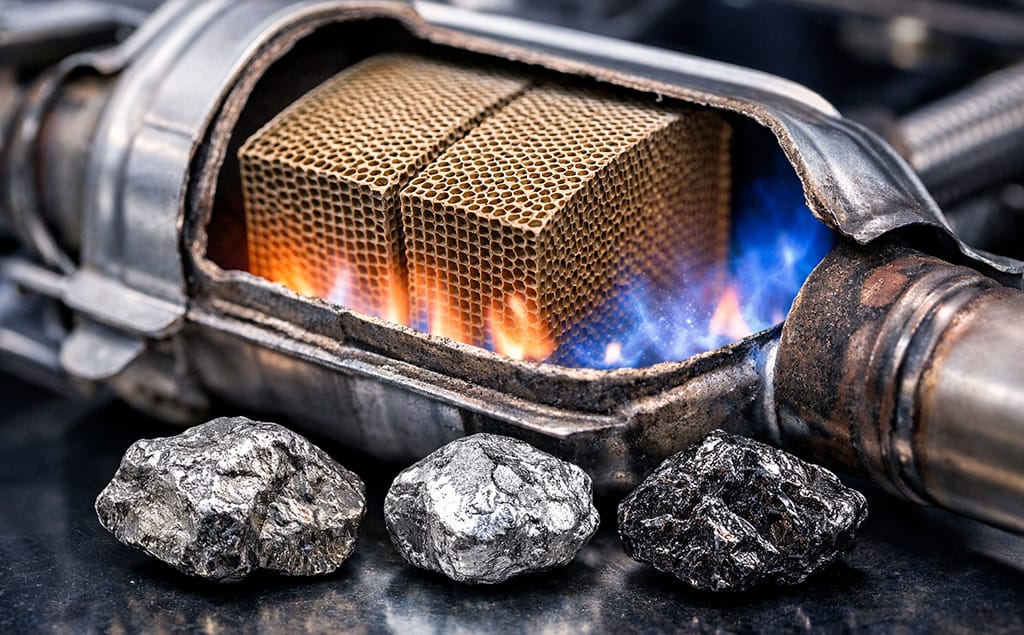
A modern three way catalytic converter relies on a sophisticated bimetallic structure. Manufacturers typically deposit Rhodium (Rh) and Palladium (Pd) onto a stabilized Al2O3 (Alumina) washcoat. Each metal serves a specific purpose. Rhodium excels at reducing NOx into nitrogen and oxygen. Palladium focuses on the oxidation of CO and unburned hydrocarbons.
The interaction between these metals and the ceramic substrate determines the efficiency of the device. In 2026, engine control modules (ECMs) manage these reactions with extreme precision. However, engine operational modes like “fuel shutoff” during coasting can alter catalyst chemistry. While fuel shutoff improves economy, it creates an oxygen-rich environment. This environment can temporarily deactivate the noble metals. A subsequent switch to a fuel-rich mode restores the catalyst’s performance. This cycle is the most basic form of regeneration.

TWC Regeneration: Restoring Chemical Activity
Regeneration of a three way catalytic converter involves reversing deactivation. This deactivation usually stems from chemical poisoning or surface aging. In 2026, professional restoration methods have become more refined.(catalyst deactivation research)
Fuel-Rich Cycling and Redox Chemistry
Modern ECMs perform internal regeneration through fuel-rich cycling. When the sensor detects oxygen saturation on the catalyst surface, the computer increases fuel delivery. This “rich” environment reduces the oxide layers on Rhodium and Palladium. This process “cleans” the metal surfaces at a molecular level. It ensures the active sites remain available for the next exhaust pulse. This is a continuous, automated form of regeneration.
Professional Chemical and Solvent Washing
Chemical poisoning often involves sulfur, phosphorus, or calcium. These elements come from fuel impurities or engine oil additives. They form a physical barrier over the washcoat. Professional services now use specialized weak acidic solutions, such as oxalic acid. These solvents dissolve inorganic contaminants without destroying the precious metal structure. Research shows that a successful acid wash can restore 30% to 50% of lost efficiency. This method is gaining popularity for high-value commercial gasoline fleets.
Thermal Treatment and Metal Redispersal
Extreme heat can cause noble metals to “sinter” or clump together. This reduces the available surface area for catalysis. Industrial thermal treatment involves heating the catalyst in a controlled atmosphere of oxygen and hydrogen. This process can theoretically redisperse sintered metals across the Alumina support. However, this remains an industrial-scale process. It is rarely cost-effective for individual passenger vehicles.
The Role of Precious Metals in Catalytic Efficiency
The performance of a three way catalytic converter depends heavily on its “Oxygen Storage Capacity” (OSC). Cerium dioxide (Ceria) within the washcoat stores and releases oxygen. This stabilizes the reactions during fluctuations in the air-fuel ratio. When a catalyst ages, its ability to store oxygen diminishes.
Technicians must distinguish between temporary surface poisoning and permanent thermal degradation. Chemical regeneration works well for surface poisoning. However, if the precious metals have migrated deep into the substrate due to heat, regeneration will fail. The 2026 standards require a deeper understanding of these metal-support interactions to avoid unnecessary replacements.

When to Replace: Mandatory Best Practices
Replacement becomes mandatory when the three way catalytic converter suffers irreversible physical damage. No amount of chemical washing can fix a structural failure.
Thermal Meltdown
A thermal meltdown is the most common cause of catastrophic failure. If unburned fuel enters the exhaust due to a misfire, it ignites inside the converter. Temperatures can quickly exceed 1,200°C. At this temperature, the ceramic honeycomb substrate melts. This creates a physical blockage in the exhaust system. A melted catalyst cannot be regenerated. It requires immediate replacement to prevent engine damage.
Substrate Fracture and Mechanical Damage
The ceramic monolith inside the three way catalytic converter is fragile. Rapid temperature changes or physical impacts can crack the substrate. If you hear a “rattling” sound from the converter housing, the ceramic has fractured. These pieces can shift and block exhaust flow. This leads to high backpressure and power loss. Mechanical integrity is a prerequisite for any functional catalyst.
Severe Oil Poisoning and Glazing
Internal engine leaks cause oil poisoning. When an engine burns excessive oil, phosphorus and zinc ash coat the catalyst. In severe cases, this ash creates a glass-like “glaze” over the washcoat. While mild poisoning responds to cleaning, heavy glazing is permanent. The glaze prevents exhaust gases from reaching the Rhodium and Palladium sites. If OBD-II data shows a complete lack of oxygen storage despite cleaning, you must replace the unit.
2026 Maintenance Best Practices
Maximizing the lifespan of a three way catalytic converter requires proactive engine management. In 2026, diagnostic tools provide more transparency than ever before.
Immediate Response to Misfires
You must address engine misfires immediately. A single misfire event can raise TWC temperatures above 800°C within seconds. This causes “sintering,” where precious metal particles fuse together. Sintering permanently reduces the catalyst’s active surface area. Keeping ignition coils and spark plugs in top condition is the best way to protect the converter.
Fuel Quality and Its Impact
Fuel quality remains a primary factor in catalyst health. Sulfur and lead are “poisons” for a three way catalytic converter. These elements bond strongly to the noble metals. They prevent the conversion of NOx, CO, and HC. Always use high-quality, low-sulfur gasoline. In 2026, many regions have eliminated high-sulfur fuels, but cross-border transport can still introduce low-quality fuel into the system.
Advanced OBD-II Diagnostics
Use OBD-II diagnostics to monitor the health of the system. Specifically, track the response of the downstream oxygen sensor. In a healthy three way catalytic converter, the downstream sensor shows a steady voltage. This indicates high oxygen storage capacity. If the downstream sensor begins to mimic the upstream sensor’s fluctuations, the catalyst is failing. This “switching” signal confirms that the washcoat can no longer manage the redox chemistry.
Navigating the Economic Impact of Replacement
Choosing between regeneration and replacement involves a cost-benefit analysis. A new OEM three way catalytic converter in 2026 is expensive due to the rising costs of Rhodium and Palladium.
| Factor | Regeneration (Chemical Restoration) | Replacement (Mechanical Failure) |
|---|---|---|
| Applicability | Chemical poisoning (Sulfur, Phosphorus) | Melting, cracking, or heavy oil glazing |
| Method | Fuel-rich engine cycles or professional acid wash | Full component swap with OEM/Certified parts |
| Effectiveness | Partial (restores ~30–75% efficiency) | Full (100% efficiency restored) |
| Primary Cost | Labor and chemical solvents | New hardware and precious metal content |
| 2026 Status | Emerging for industrial/commercial fleets | Standard for passenger vehicles |
| Environmental Impact | Lower (extends part life) | Higher (requires mining/manufacturing) |
Technical Analysis of Catalyst Deactivation
Scientists categorize deactivation into several types. “Fouling” involves the physical covering of the surface by ash or soot. “Poisoning” involves a chemical bond between a contaminant and the catalyst site. “Sintering” involves the loss of surface area due to heat.
The 2026 research on Rh-Pd systems highlights that Palladium is more susceptible to sulfur poisoning. Rhodium is more sensitive to thermal sintering. When you perform a fuel-rich regeneration cycle, you are primarily targeting the reduction of Palladium oxides. This restores the oxidation path for CO and HC. Understanding these specific metal behaviors allows for more precise diagnostic conclusions.
Conclusion
The three way catalytic converter is a masterpiece of chemical engineering. In 2026, maintaining this component requires a balance of automated ECM strategies and professional intervention. Regeneration offers a viable path for restoring efficiency lost to chemical poisoning. It provides an eco-friendly alternative to premature disposal. However, physical failures like melting or cracking leave no room for restoration. Technicians must prioritize immediate engine repairs, such as fixing misfires, to prevent catastrophic TWC damage. By following these best practices, you ensure both vehicle performance and compliance with global emission standards.