Introduction
The modern exhaust system relies heavily on the three way catalytic converter. This component serves as the primary defense against vehicle pollution. It transforms toxic engine byproducts into breathable air. Most drivers only think about this part during an emissions test or when a “Check Engine” light appears. However, the choice between an Original Equipment Manufacturer (OEM) part and a universal aftermarket unit involves significant financial and technical considerations. This article explores the economic and scientific differences between these two options. We will analyze how a three way catalytic converter functions, why costs vary so drastically, and how you can save over a thousand dollars without compromising vehicle performance.
The Science of the Three Way Catalytic Converter
A three way catalytic converter performs three simultaneous tasks inside its honeycombed core. First, it reduces nitrogen oxides into elemental nitrogen and oxygen. Nitrogen oxides contribute significantly to smog and acid rain. Second, the device oxidizes carbon monoxide into carbon dioxide. Carbon monoxide is a colorless, odorless, and deadly gas. Third, it oxidizes unburnt hydrocarbons into carbon dioxide and water vapor.
The internal structure consists of a ceramic or metallic substrate. Manufacturers coat this substrate with a “wash-coat” containing precious metals. These metals include platinum, palladium, and rhodium. These elements act as catalysts. They trigger chemical reactions without being consumed themselves. If this component fails, your vehicle will emit raw pollutants. It will also fail state inspections and lose fuel efficiency.

OEM Catalytic Converters: The Factory Standard
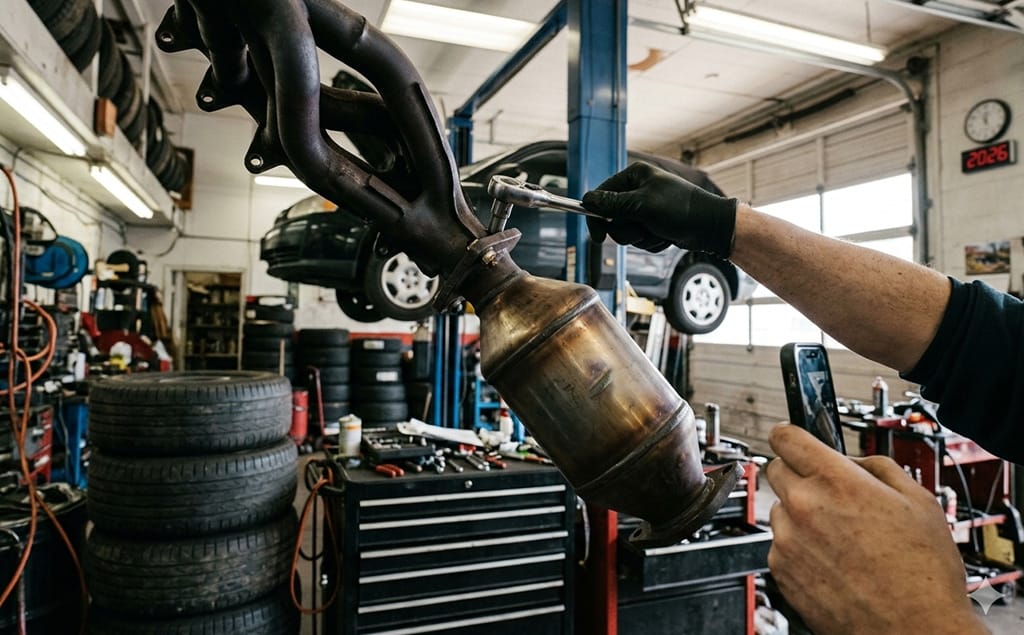
An OEM part comes directly from the vehicle’s creator. Toyota, Ford, or BMW engineers design these parts for a specific engine family. They ensure the three way catalytic converter matches the engine’s exhaust flow, heat range, and backpressure requirements.
Advantages of OEM Parts:
- Precise Fitment: These units are “direct-fit.” They require no cutting or welding.
- High Metal Loading: OEM units often contain higher concentrations of precious metals. This ensures a longer lifespan, often exceeding 100,000 miles.
- Guaranteed Compliance: An OEM part always meets the specific emissions calibration of the vehicle’s computer (ECU).
Disadvantages of OEM Parts:
- Extreme Cost: Dealerships often charge $2,000 to $4,000 for a single unit.
- Limited Availability: Older vehicle models may no longer have OEM parts in production.
Universal Aftermarket Converters: The Value Alternative
A universal three way catalytic converter offers a different approach. Manufacturers design these units to fit a wide range of vehicles based on pipe diameter and engine displacement. They do not come with vehicle-specific hangers or flanges. Instead, a technician must weld them into the existing exhaust pipe.
Advantages of Universal Units:
- Drastic Savings: You can often purchase a universal unit for $200 to $600.
- Versatility: These parts work well for custom exhaust builds or older cars where OEM parts are obsolete.
- Weight Reduction: Many aftermarket units use lighter materials than bulky factory housings.
Disadvantages of Universal Units:
- Installation Labor: You must pay a professional for welding and fabrication.
- Lower Metal Content: Some budget brands use less rhodium or palladium. This might shorten the part’s effective life to 50,000 miles.
The Metallurgy of Emissions Control
Why does a three way catalytic converter cost so much? The answer lies in global commodity markets. Rhodium is one of the rarest and most expensive elements on Earth. At certain times, it has traded for over $10,000 per ounce.
OEM manufacturers prioritize long-term durability. They apply a thick layer of these precious metals to ensure the vehicle passes emissions tests for ten years or more. Aftermarket manufacturers often optimize for the “Five-Year Rule.” They provide enough catalytic material to meet EPA standards for a shorter duration. This reduction in precious metal “loading” allows for the lower price point of universal units.
Financial Comparison: OEM vs. Universal
The following table illustrates the potential savings when choosing an aftermarket three way catalytic converter over a dealer-supplied OEM part.
| Feature | OEM Dealer Part | Universal Aftermarket CAT | Estimated Savings |
|---|---|---|---|
| Part Purchase Price | $1,800 – $3,500 | $150 – $500 | $1,650 – $3,000 |
| Installation Type | Bolt-on (Simple) | Weld-on (Complex) | N/A |
| Labor Cost | $150 – $300 | $200 – $500 | -$50 to -$200 |
| Expected Lifespan | 100,000+ Miles | 50,000 – 80,000 Miles | N/A |
| Warranty | 1 Year (Typical) | 2 – 5 Years (HottExhaust) | Better Value |
| Total Average Cost | $2,800 | $750 | $2,050 |
Analyzing the Labor-Cost Paradox
While the part itself is cheaper, the installation of a universal three way catalytic converter requires more skill. A direct-fit OEM part simply bolts into place. A mechanic can complete this in 45 minutes. Conversely, a universal part requires a “cut-and-clamp” or “cut-and-weld” procedure.
The technician must measure the exhaust pipe diameter. They must ensure the oxygen sensor ports remain in the correct orientation. They then weld the new unit into the gap left by the old converter. Despite the higher labor cost (often $100 to $200 more than a bolt-on job), the total price remains significantly lower than the OEM route. You still save roughly 60% to 75% on the total invoice.
EPA and CARB Compliance: What You Must Know
You cannot simply pick the cheapest three way catalytic converter on the shelf. The U.S. Environmental Protection Agency (EPA) regulates these parts strictly. Furthermore, the California Air Resources Board (CARB) sets even higher standards for California, New York, and several other states.
If you live in a CARB-compliant state, you must buy a CARB-certified universal converter. These units contain more precious metals to meet stricter air quality goals. Installing a non-compliant part is illegal. It will result in an automatic failure of your vehicle’s smog check. Always check the “Executive Order” (EO) number on the part’s casing to ensure it matches your engine family.
Future-Proofing Your Vehicle’s Exhaust
Vehicle owners should consider the “Age-to-Value” ratio of their car. If you drive a three-year-old luxury sedan, an OEM three way catalytic converter preserves the vehicle’s resale value and factory integrity. However, if your vehicle is ten years old with over 120,000 miles, an OEM part might cost more than the car’s total market value.
In these cases, a high-quality universal converter is the only logical choice. It keeps the vehicle legal and functional without a massive financial burden. Furthermore, modern aftermarket brands like Magnaflow now offer “OEM-Grade” universal units. These bridge the gap between budget parts and dealer parts by offering increased metal loading at a mid-range price.
Why Theft Drives the Universal Market
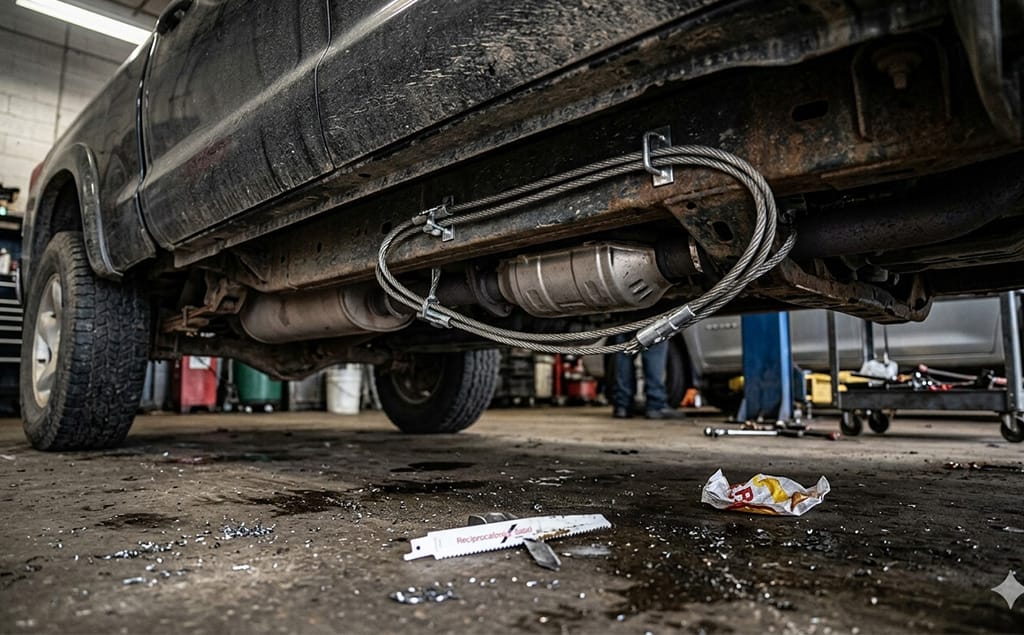
Catalytic converter theft has surged globally. Thieves target the precious metals inside the three way catalytic converter. They can remove a unit in under sixty seconds using a battery-powered saw. Replacement costs for OEM units often lead insurance companies to “total” older vehicles.
Universal converters offer a tactical advantage here. They are physically smaller and often less valuable to scrap yards than massive OEM units. If a thief sees an aftermarket weld-on unit, they may move to a different target with a more lucrative factory part. Choosing a universal replacement provides a cost-effective way to get back on the road after a theft.
Conclusion
The decision to purchase a universal three way catalytic converter instead of an OEM dealer part represents a significant financial opportunity. You can save between $1,000 and $2,000 per repair. While OEM parts offer the convenience of a direct fit and a longer lifespan, universal units provide the same essential chemical reactions at a fraction of the cost. Ensure you verify the emissions compliance of your chosen part for your specific state. Consult a professional welder to ensure a leak-free installation. By understanding the metallurgy and regulations of your exhaust system, you can maintain your vehicle’s performance while protecting your bank account.